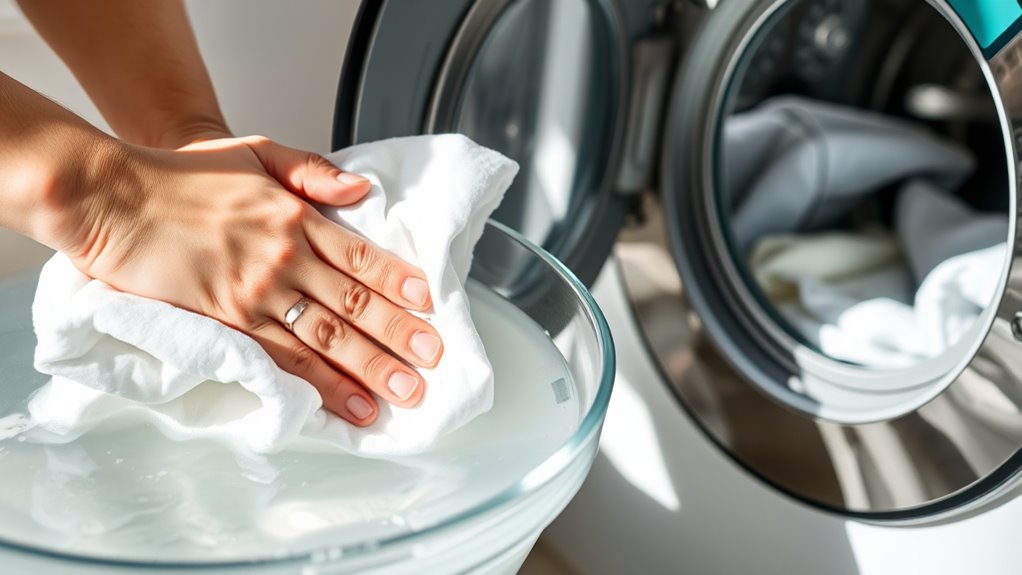

You should hand wash delicate fabrics like silk, lace, or cashmere to prevent damage and maintain softness, especially when the care label recommends it. Hand washing also gives you more control over water temperature, which is essential for preserving colors and fibers. Use gentle motions to avoid pilling or fraying, and opt for cold or warm water depending on the fabric. If you want to discover more tips on when to choose each method, keep exploring.
Key Takeaways
- Hand wash for delicate fabrics like silk, lace, and cashmere to prevent damage and maintain softness.
- Use machine wash for durable, everyday textiles such as cotton and linen, following care label instructions.
- Hand washing offers precise water temperature control, ideal for preserving fabric color and texture.
- Machine washing is more efficient for large loads and routine laundry, with gentle cycles mimicking hand wash.
- Select hand washing to avoid damage from aggressive tumbling or hot water that can weaken fibers and cause shrinking.
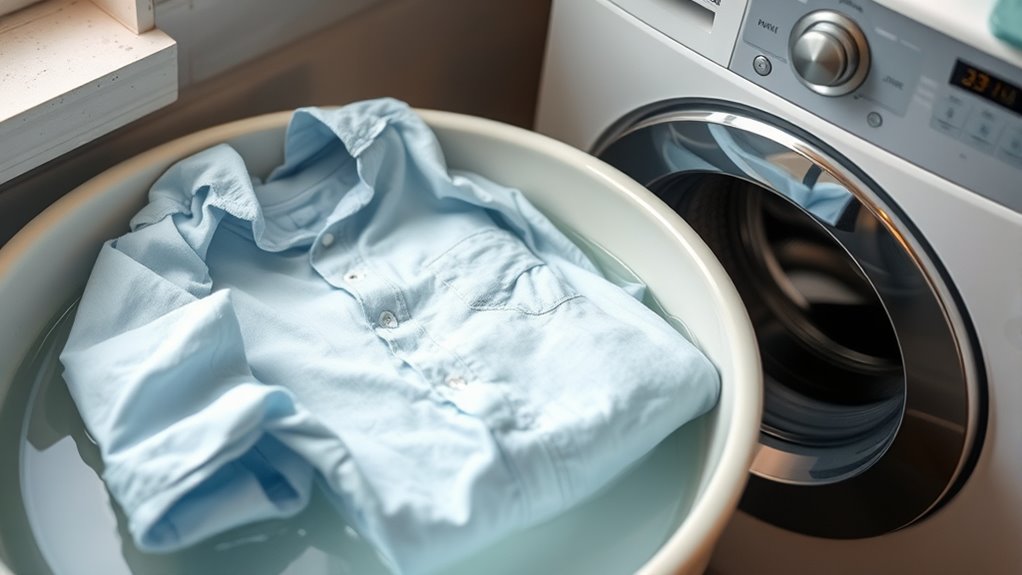
When it comes to cleaning your clothes, choosing between hand washing and machine washing depends on your specific needs and the fabric involved. Hand washing is often preferred for delicate fabrics that require gentle handling to maintain their softness and integrity. It allows you to control the water temperature precisely, which is essential for preserving fabric softness. Hot water can damage delicate fibers, cause shrinking, or fade colors, while cold water helps retain the fabric’s original texture and color. When hand washing, you can tailor the water temperature to suit the material—using cold for silks or wool, and warm for cotton or linen, ensuring the fabric remains soft and comfortable against your skin.
In contrast, machine washing offers convenience and efficiency but can sometimes compromise fabric softness if not done properly. Modern machines often have temperature controls, but you need to be mindful of fabric labels. Using too hot water can weaken fibers, leading to a rougher texture over time, while cold or warm cycles help preserve the fabric’s softness. Many machines also have delicate or gentle cycles, which mimic hand washing’s gentleness. When you opt for machine washing, always check the care label to select the appropriate water temperature, preventing damage and keeping your clothes soft and comfortable.
If your goal is to preserve the fabric’s softness, hand washing gives you the advantage of meticulous control. You can soak, agitate, and rinse delicate items with care, adjusting water temperature as needed. This is especially important for fabrics like silk, lace, or cashmere, which are easily damaged by harsh conditions. For these fabrics, cold water is usually best, as it minimizes fiber stress and maintains their plush feel. Hand washing also allows you to avoid the aggressive tumbling of a washing machine, which can cause pilling or fraying, especially in fine or delicate textiles.
While machine washing can be suitable for everyday laundry, it’s not ideal for all fabrics. When dealing with sensitive or high-maintenance garments, hand washing provides the control needed to preserve fabric softness and appearance. Ultimately, understanding how water temperature impacts fabric texture helps you decide the best method—hand wash for delicate, soft fabrics with controlled water temperature, and machine wash for durable items where convenience and speed matter, always paying attention to care labels to avoid unintended damage.

Dirty Labs | Hand Wash and Delicates | Scent Free | 32 Loads (8.6 fl oz) | Bio Enzyme Liquid Laundry Detergent | For Fine Silks, Wools, Handwash Garments | Hyper-Concentrated | Non Toxic, Biodegradable | Stain & Odor Removal
GENTLE: Our Hand Wash & Delicates detergent was specifically formulated for fine silks, wools, and hand wash only…
As an affiliate, we earn on qualifying purchases.
As an affiliate, we earn on qualifying purchases.
Frequently Asked Questions
Can Hand Washing Extend the Lifespan of Delicate Fabrics?
Yes, hand washing can extend the lifespan of delicate fabrics. When you wash delicate fabrics by hand, you control the gentle handling and avoid harsh agitation from machines, reducing wear and tear. This careful approach prevents fibers from fraying or shrinking, helping your clothes stay in good condition longer. By taking the time to hand wash, you safeguard the quality of delicate fabrics and ensure their extended lifespan.
Is Hand Washing More Eco-Friendly Than Machine Washing?
You might be surprised, but hand washing can be more eco-friendly than machine washing. When you wash clothes by hand, you conserve water and reduce energy use, making it an eco-friendly laundry choice. It minimizes the environmental impact, especially if you’re mindful of water conservation. So, next time, consider hand washing delicate items to help the planet while keeping your clothes in top shape.
How Do I Properly Dry Clothes After Hand Washing?
After hand washing your clothes, you should gently squeeze out excess water without wringing. Then, lay the items flat on a clean towel and towel blotting helps remove more moisture. You can also hang your clothes to air drying in a well-ventilated area. Avoid direct sunlight to prevent fading. Patience is key; let your clothes dry completely before wearing or storing to prevent mildew or odor.
Are There Specific Stains That Only Hand Washing Can Remove?
Yes, some stains like ink, wine, or oil are best removed through hand washing because it allows for precise stain removal and fabric safety. When you hand wash, you can gently target the stain without risking damage from a machine’s agitation. This careful approach helps preserve delicate fabrics and guarantees the stain is properly treated, making hand washing the better choice for stubborn or delicate stains.
What Are the Risks of Machine Washing Fragile Garments?
Machine washing fragile garments risks machine damage and fabric deterioration. You might accidentally cause tears or weaken delicate fibers, reducing their lifespan. The agitation and high spin speeds can stretch or fray the fabric, especially if it’s lace, silk, or embellished. To protect your delicate clothes, it’s better to hand wash them gently, avoiding unnecessary stress and ensuring they stay in good condition longer.

Silk & Wool Laundry Detergent, PH Neutral Cashmere Detergent, Double Concentrated Wash Shampoo for Silk, Wool, Cashmere, Gentle, Soft & Comfortable -3.72 Fl Oz/110ML
【Trial Size Concentrated 3.72-Ounce Bottle】 Whether you are traveling and need a convenient size to bring along, or…
As an affiliate, we earn on qualifying purchases.
As an affiliate, we earn on qualifying purchases.
Conclusion
So, next time you choose between hand washing and machine washing, remember this: your clothes are more than just fabric—they’re tiny miracles that deserve your utmost care. Hand washing can make your garments feel like they’re getting a spa treatment, while machine washing is like sending them on a wild rollercoaster ride. Whichever you pick, treat your clothes with love, because they’re not just clothes—they’re the silent heroes of your everyday life!
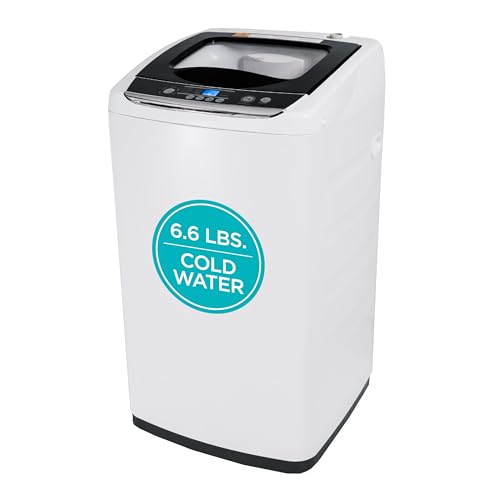
BLACK+DECKER 0.9 Cu. Ft. Portable Washer, 6.6 lb. Capacity Washing Machine for Homes & Apartments, 5 Wash Cycles, Quick Connect Sink Adapter and Drain Hose Included, LED Display, BPWM09W, White
Multiple Wash Cycles: Wash your laundry at home with this Black and Decker portable washer. Our portable clothes…
As an affiliate, we earn on qualifying purchases.
As an affiliate, we earn on qualifying purchases.

Downy Free & Gentle Liquid Fabric Softener, 44 fl oz, 60 Loads, Hypoallergenic, Sensitive Skin Friendly Fabric Conditioner Liquid
Hypoallergenic and dermatologist-tested
As an affiliate, we earn on qualifying purchases.
As an affiliate, we earn on qualifying purchases.