When choosing between needle felting and wet felting, consider your style and project goals. Needle felting’s precision lets you craft intricate designs, while wet felting creates soft, flowing textures perfect for wearable art. If you prefer detailed work without much mess, needle felting might suit you. On the other hand, if you enjoy vibrant colors and robust pieces, wet felting could be your match. There’s so much more to explore in these techniques, so let’s dive deeper.
Key Takeaways
- Detail vs. Texture: Choose needle felting for intricate designs and precise details; opt for wet felting for smooth, flowing textures in larger fabric projects.
- Mess Level: Needle felting is cleaner and less messy than wet felting, which requires water and soap.
- Material Needs: Needle felting requires specific tools like felting needles, while wet felting needs water, soap, and a flat surface for friction.
- Project Durability: Wet felting produces robust, water-resistant items, making it suitable for wearables, while needle felting yields delicate and intricate pieces.
- Artistic Expression: Needle felting allows for diverse artistic styles and fine color blending, whereas wet felting offers bold colors and unique surface patterns.

Mayboos Needle Felting Starter Kit,Wool Roving 40 Colors Set, Wool Felt Tools with Instruction Included for Felted Animal Needle Felting Supplies
40 Assorted Colorful Color Needle Felting Wool: Our felt wool kit includes 40 color wool roving, packaged in…
As an affiliate, we earn on qualifying purchases.
As an affiliate, we earn on qualifying purchases.
What Is Needle Felting and How Does It Work?
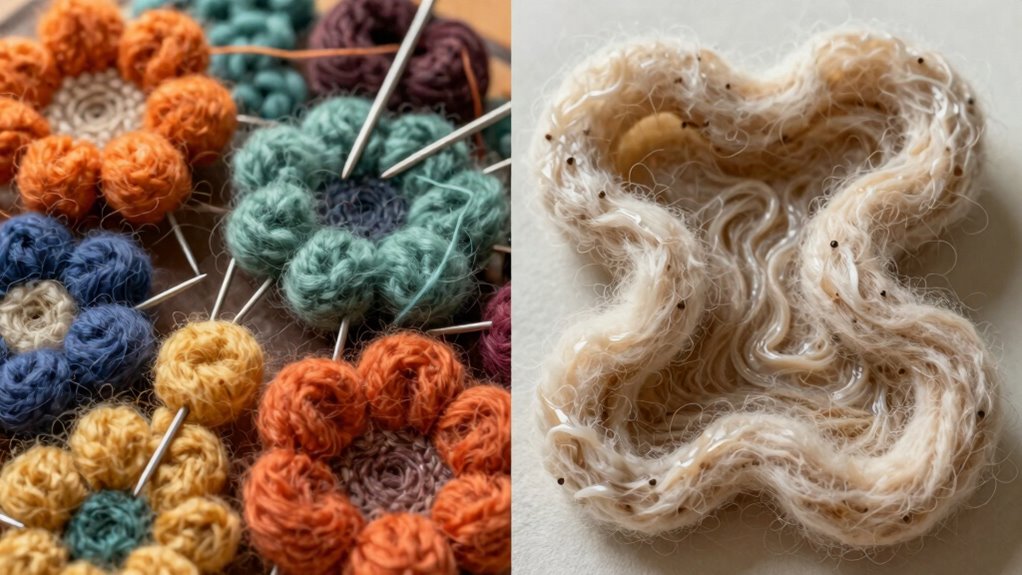
When it comes to crafting, needle felting is a fascinating technique that many find rewarding. This method involves using a barbed needle to tangle and compress fibers, allowing you to create intricate shapes and designs. As you poke the wool, you’re engaging in fiber manipulation, transforming loose strands into solid forms. It’s a hands-on approach that encourages your artistic expression, whether you’re crafting whimsical creatures or detailed ornaments. You’ll appreciate how quickly your ideas take shape, and the satisfaction of seeing your vision come to life. Plus, it’s an accessible craft; all you need are some basic supplies and a little patience. Immerse yourself in needle felting, and discover a new passion that sparks your creativity!

3.53oz Wool Roving: Needle Felting Wool White Roving Wool Felting Supplies Pure Wools Chunky Yarn Spinning Wool Roving for Needle Felting Wet DIY Hand Spinning
Verastile Wool Roving: Ideal for needle felting, wet felting, spinning, weaving, embellishments, soap making, dryer balls, and more….
As an affiliate, we earn on qualifying purchases.
As an affiliate, we earn on qualifying purchases.
Understanding the Wet Felting Process
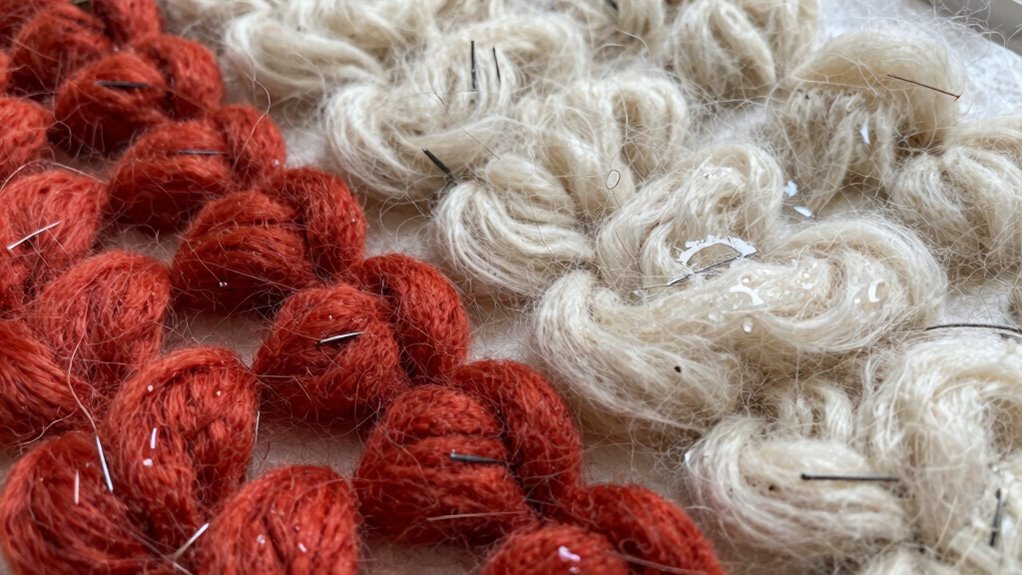
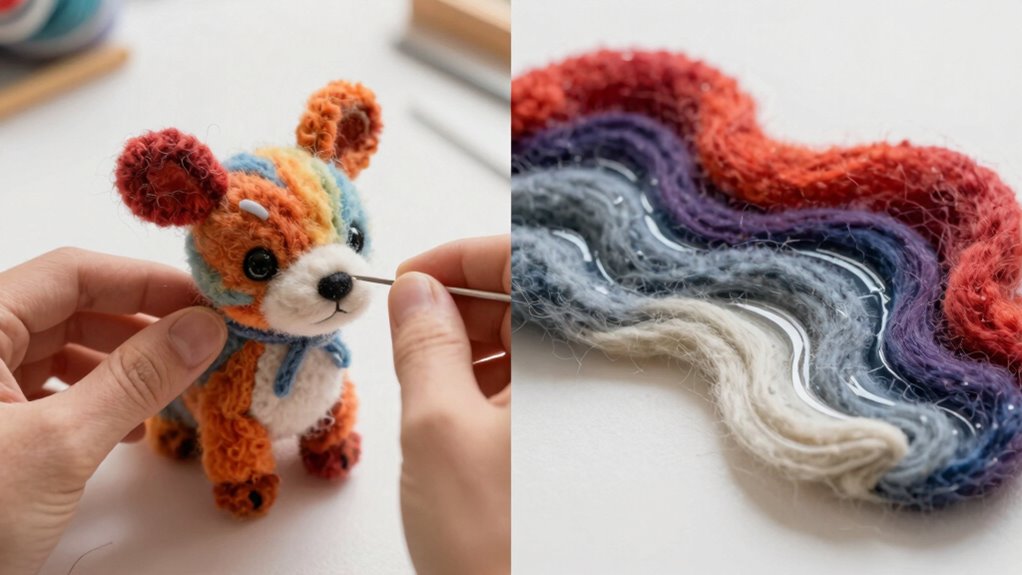
Wet felting transforms loose wool fibers into a cohesive fabric using water, soap, and friction. To start, gather your wet felting tools: a flat surface, bubble wrap, and a basin of warm, soapy water. Lay out your wool fibers in the desired pattern, then dampen them with the soapy water. Using various wet felting techniques, like rolling or rubbing the fibers, you’ll create friction that binds them together. As you work, be patient; it takes time for the fibers to mat. Rinse the felted piece once it’s firm, and let it dry. With practice, you’ll discover your favorite methods and styles, allowing your creativity to flourish in this tactile art form.

Mayboos 74 Pcs Needles Wool Felting Needles Tools Needle Felting Supplies Felting Tools Needle Felting Tool with 3 Sizes Felting Needles for Beginner Professional
Wool Felting Tool Kit: The wool felting needles tools comes in a box included 3 different sizes of…
As an affiliate, we earn on qualifying purchases.
As an affiliate, we earn on qualifying purchases.
Key Differences Between Needle and Wet Felting
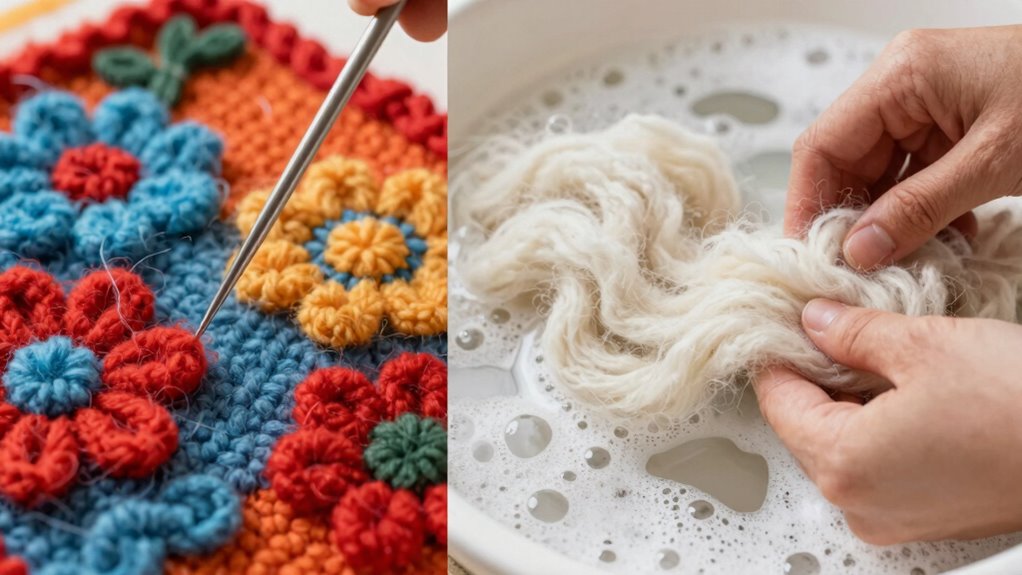
When comparing needle felting and wet felting, you’ll notice distinct differences in technique, materials, and the final products. Each method offers unique advantages, whether you’re looking for detailed designs or soft textures. Let’s explore what sets them apart and how each can enhance your crafting experience.
Technique Overview
Needle felting and wet felting offer distinct approaches to transforming raw wool into art. In this technique comparison, you’ll discover how each method caters to different creative applications.
- Needle felting’s precision allows for intricate details.
- Wet felting creates a soft, flowing texture.
- Needle felting is perfect for sculptural projects.
- Wet felting excels in making fabric and wearable art.
- Needle felting is less messy, while wet felting involves water and soap.
Choosing between these techniques depends on your style and desired outcome. Whether you’re drawn to the meticulous nature of needle felting or the organic beauty of wet felting, both methods reveal endless possibilities for self-expression. Additionally, engaging in music therapy can enhance your creative process by reducing stress and fostering focus. Embrace the process that resonates with you!
Material Requirements
Choosing the right materials is essential for both needle felting and wet felting, as each method requires specific supplies to achieve the best results. For needle felting, you’ll need high-quality wool fiber types like merino or Corriedale, along with felting needles and a foam pad. These fibers allow for intricate project ideas, like creating detailed sculptures or ornaments. Additionally, selecting sustainable fibers can reduce the environmental impact of your crafting.
In contrast, wet felting needs wool roving or batts, water, soap, and a surface to agitate the fibers. Fiber types like alpaca or silk can enhance your projects, offering unique textures and colors. Understanding these material requirements helps you choose the right technique for your creative vision, ensuring a successful and enjoyable felting experience. Additionally, exploring different fiber types and textures can inspire innovative project ideas that elevate your crafting skills.
Finished Product Differences
The materials you select directly influence the finished products of needle felting and wet felting. Each technique yields distinct results in both aesthetics and durability.
- Needle felting offers intricate detail and fine textures.
- Wet felting creates a smoother, more organic look.
- Needle-felted items are often more delicate but can be very detailed.
- Wet-felted products are typically more robust and water-resistant.
- Each technique can evoke different feelings, from whimsical to earthy.
Understanding these differences helps you choose the right method for your project. Whether you prioritize finished product aesthetics or durability, knowing how each technique affects your final piece will guide your creative journey.
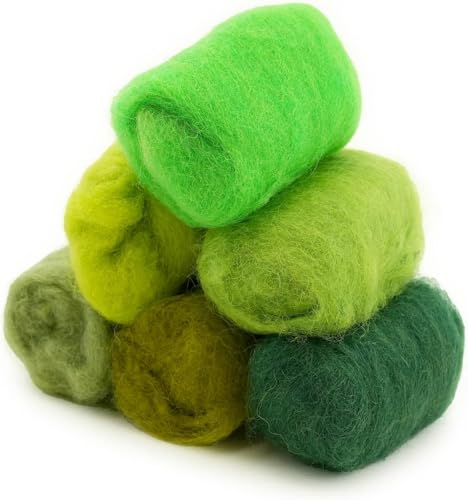
Woolbuddy Wool Roving Kit – Premium Core Wool for Needle Felting, Felting Soap & Tools – Sustainable Roving Wool for Beginners & Adults, Wet Felting Supplies (Green)
🧶𝗣𝗘𝗥𝗙𝗘𝗖𝗧 𝗪𝗢𝗢𝗟 𝗧𝗘𝗫𝗧𝗨𝗥𝗘🧶 Soft yet firm roving and core wool blend provides the ideal texture for shaping, layering,…
As an affiliate, we earn on qualifying purchases.
As an affiliate, we earn on qualifying purchases.
Essential Materials for Successful Needle Felting
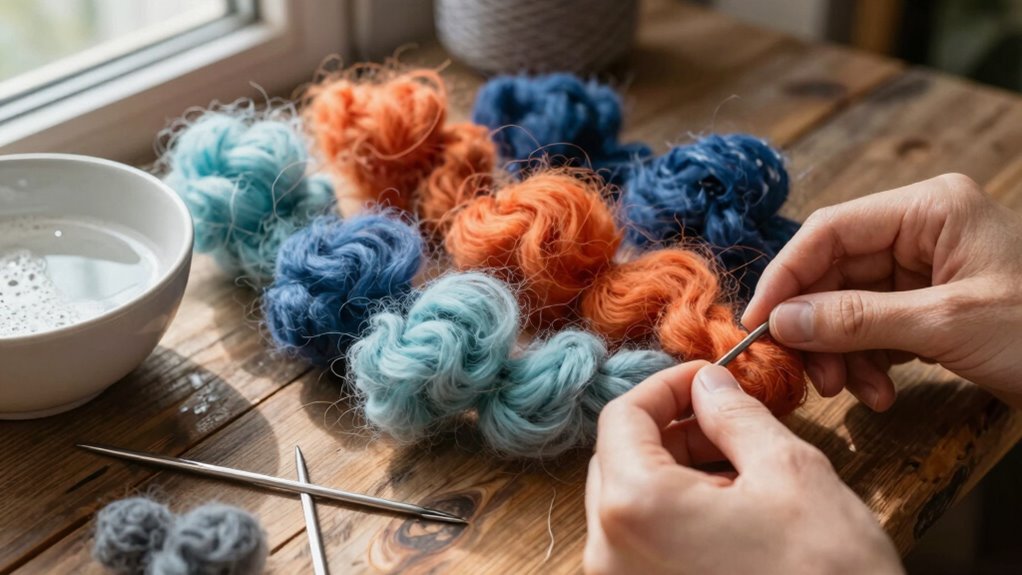
To get started with needle felting, you’ll need the right tools and quality wool. Choosing the best materials can make all the difference in your projects. Let’s explore the must-have tools and how to select the perfect wool for your creations.
Must-Have Tools
Sure! Here’s the revised content with the requested changes:
—
While diving into needle felting, having the right tools can make all the difference in your experience and results. Here are some must-have needle felting tools that’ll elevate your crafting game:
- Felting Needles: These come in various sizes for different effects.
- Foam Pad: A sturdy base protects your surfaces and keeps your fingers safe. Using the right tools can enhance your crafting experience significantly, similar to how color accuracy impacts overall image quality in projectors. Additionally, a good studio setup can help maximize your creative space. Regularly maintaining your tools ensures they stay effective for your projects, just like HEPA filters improve air quality in your home.
- Needle Holder: This tool provides comfort and precision during your work.
- Scissors: Sharp scissors help you trim and shape your creations effortlessly.
- Storage Containers: Keep your needle felting tools organized and ready for use.
With these essentials, you’ll be well-equipped to create beautiful pieces, while wet felting supplies can wait for your next adventure! Additionally, using super-automatic espresso machines can enhance your coffee experience while you craft.
—
Let me know if you need any further modifications!
Quality Wool Selection
Choosing quality wool is essential for successful needle felting, as it directly impacts the texture and durability of your creations. When selecting wool types, you’ll find that merino is soft and fine, perfect for detailed work, while corriedale offers a more robust option, suited for larger projects. Always prioritize fiber quality; look for clean, well-prepared wool that’s free from debris and vegetable matter. This not only guarantees smoother felting but also enhances the final look of your piece. Experiment with different wool types to see what feels right for your style. Remember, the right wool can make all the difference in achieving that perfect finish and creating beautiful, lasting felted art.
Must-Have Supplies for Wet Felting Projects
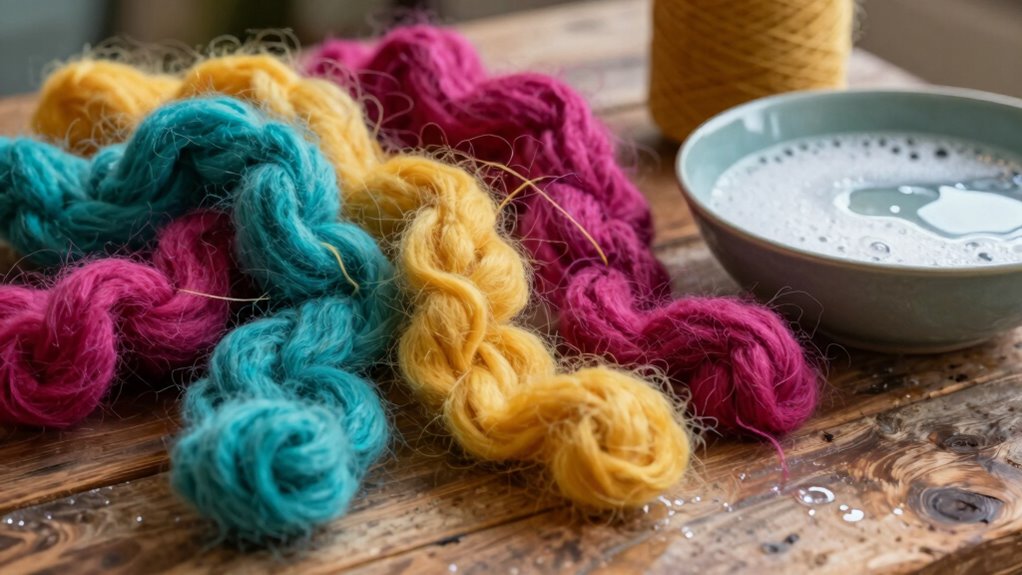
Wet felting opens up a world of creativity, and having the right supplies can make all the difference in your projects. To fully enjoy the wet felting benefits, gather these essential wet felting tools:
- High-quality wool: It’s the foundation of your creations.
- Bubble wrap: This helps in the felting process, making it more enjoyable.
- Hot soapy water: Essential for activating the fibers.
- Towels: Use them to absorb excess water and prevent mess.
- Rubber gloves: Protects your hands while keeping everything clean.
With these supplies, you’ll feel empowered to explore new techniques and bring your artistic vision to life. So, get ready to plunge into and enjoy the tactile experience of wet felting!
How Needle Felting Influences Artistic Styles
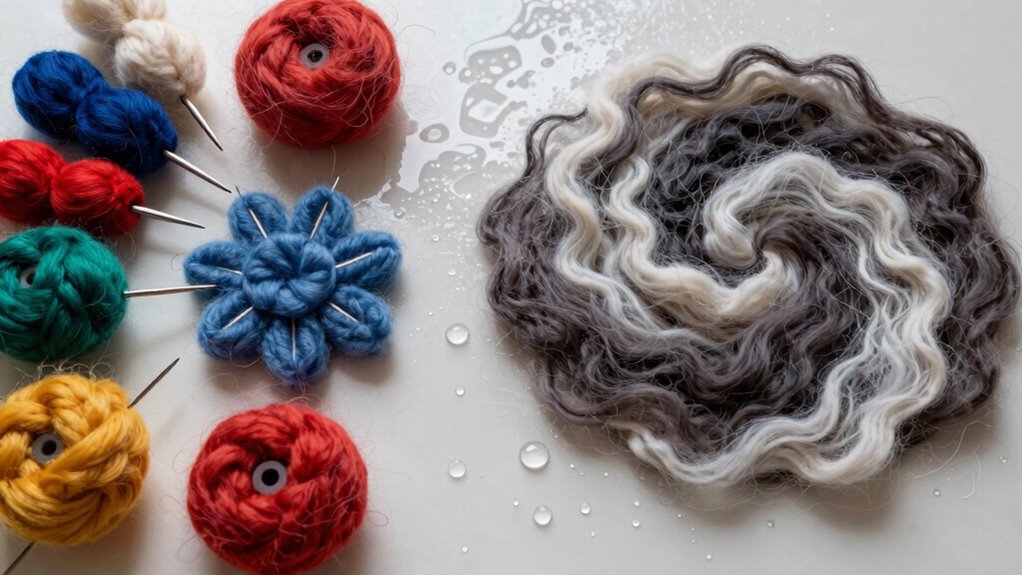
Needle felting opens doors to diverse artistic styles, allowing you to explore texture and form in ways that traditional methods might not. This technique fosters artistic expression by enabling texture exploration and intricate color blending, enhancing your style development. As you experiment with different fibers and techniques, you’ll find a thematic focus that resonates with your vision. The emotional impact of your creations can deepen as you refine your approach, making each piece uniquely yours. As you witness the evolution of your technique, you’ll discover new avenues for personal creativity. Ultimately, needle felting empowers you to create art that reflects your individuality while pushing the boundaries of what’s possible in fiber art.
Discover Unique Textures in Wet Felting
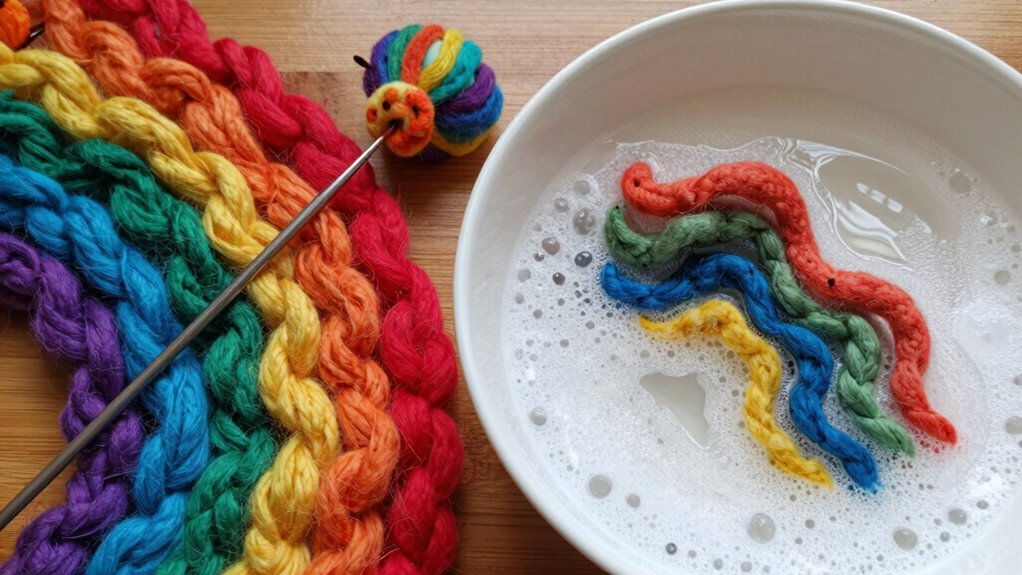
While exploring the world of fiber art, you’ll quickly discover that wet felting offers a rich tapestry of textures that can elevate your creations. This technique allows for incredible texture exploration through various layering techniques. Imagine how your projects can transform with:
- Soft, flowing surfaces that invite touch
- Bold, vibrant colors blending seamlessly
- Intricate patterns that captivate the eye
- Unique dimensionality that adds depth
- Organic shapes that feel alive
Each layer you add enhances the overall experience, making your artwork not just visually appealing, but also emotionally resonant. Immerse yourself in wet felting, and you’ll find that the textures you create can truly reflect your artistic voice. Embrace the process, and let your creativity flow!
What Common Challenges Does Needle Felting Present?
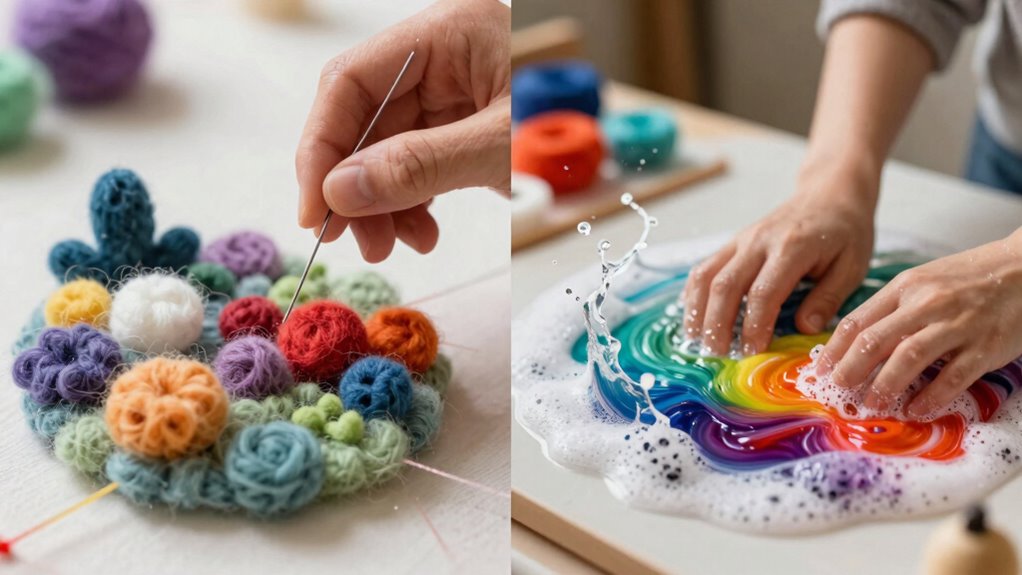
What hurdles might you face when diving into needle felting? First, you might experience needle breakage, which can be frustrating and costly. Fiber tangling can also complicate your projects, making it hard to achieve the desired shape. If you’re not careful, you could cause surface damage to your work, affecting its overall appearance and durability. Time consumption is another challenge, as mastering the technique takes practice and patience. Color blending can be tricky, especially if you’re aiming for smooth shifts. Finally, always prioritize tool safety to avoid injuries. Embracing these challenges will help you grow as a felter, so don’t be discouraged; each hurdle can teach you something valuable!
Choosing the Best Felting Technique for Your Projects
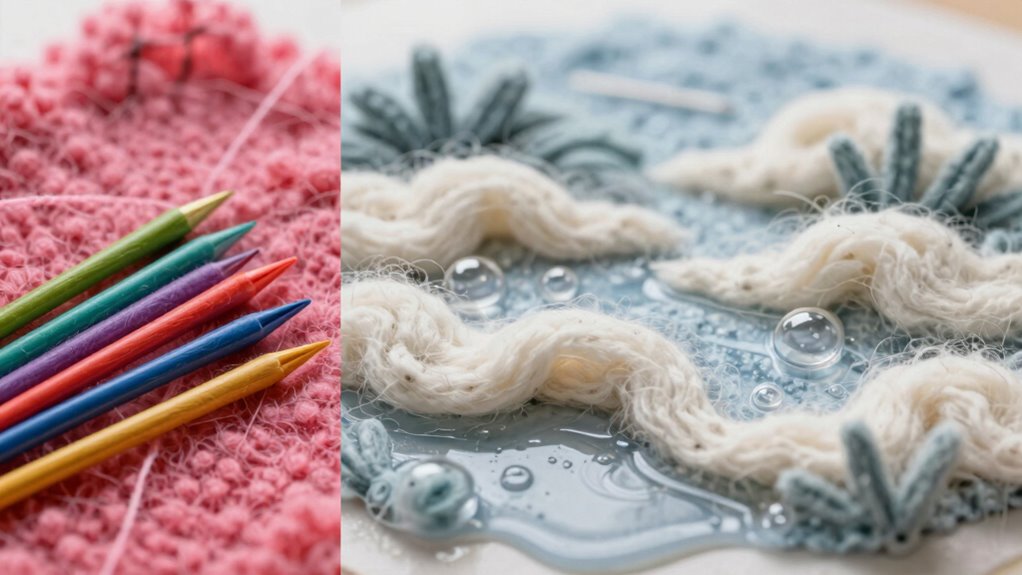
Choosing the right felting technique can make a significant difference in the outcome of your projects. Your felting preferences will guide you toward either needle or wet felting, impacting your artistic expression. Consider these factors when deciding:
- Texture: Do you want a smooth or textured finish?
- Detail: Are intricate designs your focus?
- Speed: How quickly do you want to see results?
- Mess: Can you handle some water and soap, or prefer a dry method?
- Durability: Will your project need to withstand wear and tear?
Weighing these aspects will help you choose the best technique, ensuring your final piece reflects your vision and creativity. Embrace the journey, and let your choice elevate your art!
Frequently Asked Questions
Can I Combine Needle and Wet Felting Techniques?
Yes, you can definitely combine needle and wet felting techniques! By mixing them, you open up a world of creative possibilities. Start with wet felting to create a base, then use needle felting to add intricate details or embellishments. This combination not only enhances texture but also allows for unique designs. Don’t be afraid to experiment—your imagination is the limit when merging these two methods! Enjoy the process and see what you can create!
What Types of Wool Are Best for Each Technique?
Did you know that over 80% of felters prefer merino wool for its softness? For needle felting, choose fine wool, like merino or Corriedale, which have excellent fiber characteristics for easy needle penetration. Wet felting, on the other hand, benefits from coarser wool like Romney or Icelandic, as they bond well when agitated with water. Each fiber type enhances the technique, ensuring your projects turn out beautifully regardless of your choice!
How Long Does Each Felting Process Typically Take?
Needle felting usually takes a few hours, depending on your project complexity. You’ll spend time shaping and detailing, but it dries quickly, so you can keep working. Wet felting, on the other hand, can take several hours or even days, especially if you factor in drying times. If your project’s intricate, expect to invest more time. Choose the technique that suits your schedule and artistic vision best!
Are There Safety Concerns With Needle Felting?
Yes, there are safety concerns with needle felting. Just like a chef must handle knives carefully, you need to take safety precautions with your felting needles. Needle injuries can happen if you’re not mindful, so always keep your workspace setup organized and clutter-free. Regular tool maintenance, like checking for bent needles, helps prevent accidents. By staying aware and following these simple steps, you can enjoy your felting without worry!
Can Children Participate in Felting Projects?
Absolutely, children can participate in felting projects! Both techniques offer child-friendly projects that encourage creative expression. For younger kids, wet felting‘s safer and easier, while older children can try needle felting with supervision. You’ll find that felting allows them to explore their imagination and develop fine motor skills. Just make certain to provide guidance and guarantee safety precautions are in place, especially with needle felting. It’s a fun way for kids to create!
Conclusion
Ultimately, whether you choose needle or wet felting, it’s about finding what resonates with your creative spirit. You might discover that the rhythmic stabbing of a needle helps you channel your thoughts, while the fluidity of wet felting mirrors your emotional flow. Coincidentally, each technique reflects a part of you, revealing not just the art you create, but also the artist within. Embrace the journey, and let your style evolve with every project you tackle.