
TL;DR

Get your wardrobe favorites delivered free with Prime
- Fast, free delivery on millions of items
- Prime Video, Amazon Music and more included
- Member-only deals all year
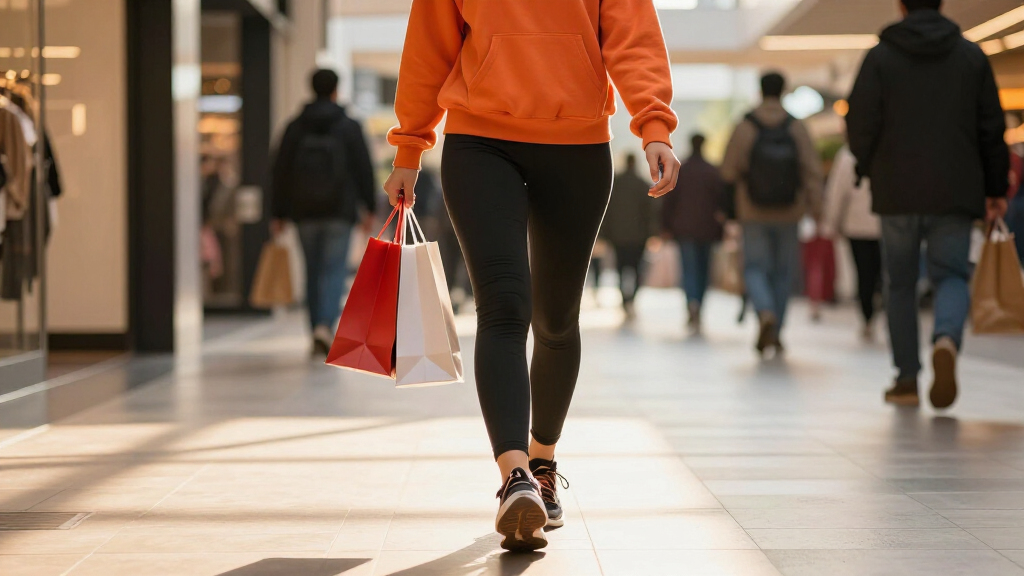
Several popular mall brands have introduced activewear lines that rival specialized athletic brands in quality and style. This development offers consumers more affordable and fashionable options for workout and casual wear. The trend reflects a shift in retail strategies and consumer preferences.
Several well-known mall retail brands have introduced activewear lines that are gaining recognition for their quality, style, and affordability. This move marks a notable shift in the retail landscape, as these brands expand into the competitive athletic wear market, traditionally dominated by specialized brands like Nike, Adidas, and Lululemon. The development is confirmed by multiple brand releases and consumer reviews, highlighting a growing trend that could impact the athletic apparel industry.
Major mall brands such as Macy’s, JCPenney, and Kohl’s have launched activewear collections that include leggings, sports bras, joggers, and performance tops. These collections are marketed as versatile, suitable for both workouts and casual wear, reflecting the increasing popularity of athleisure. Retailers have emphasized the use of durable, comfortable fabrics that rival those used by established athletic brands, with some collections priced significantly lower, making them accessible to a broader customer base.
According to brand representatives, the activewear lines are designed to meet the needs of consumers seeking stylish, functional clothing without the premium price tag. For example, Macy’s reported that their new activewear line has seen strong sales growth since its launch in late 2023, driven by both existing customers and new shoppers attracted by the value proposition. Consumer reviews on social media and shopping platforms have praised the quality, fit, and affordability of these products, with some noting they are comparable to high-end athletic brands.
Industry analysts are observing that this trend reflects a broader shift in retail strategies, as traditional department stores and mall brands seek to capitalize on the booming athleisure market. The trend also aligns with consumer preferences for versatile clothing that can be worn in multiple settings, from gym sessions to casual outings. The success of these collections could encourage more mall brands to develop activewear lines, further intensifying competition in the sector.
Impact on Athletic Wear Market Dynamics
This development matters because it challenges the dominance of established athletic brands by offering consumers more affordable, stylish alternatives. It could lead to increased competition, innovation, and price reductions across the market. For consumers, this means access to high-quality activewear at lower prices, expanding options beyond specialized sports brands. Retailers benefit from diversifying their product offerings and capturing a larger share of the growing athleisure segment, which is projected to continue expanding in the coming years.
As an affiliate, we earn on qualifying purchases.
Retail Expansion into Athleisure Trends
Over the past few years, the athleisure market has experienced explosive growth, driven by changing consumer lifestyles and increased health consciousness. Traditionally, athletic wear was sold primarily through specialized brands and sports stores. However, recent years have seen a surge in mainstream retailers launching their own activewear lines, capitalizing on the trend for versatile, comfortable clothing that blends fashion and function.
Major brands like Nike and Adidas continue to lead the market, but many mall-based retailers have struggled with declining foot traffic and shifting consumer preferences. Launching activewear lines offers a way to attract new customers and retain existing ones, especially as more consumers seek casual, stylish options for everyday wear. The recent launches are part of a broader strategy to reinvent traditional retail spaces and product offerings to stay relevant in a competitive landscape.
Historically, mall brands focused on fashion apparel, but the success of athleisure has prompted many to pivot, with some even collaborating with fitness influencers and designers to boost appeal. The trend also reflects a shift in shopping habits, with more consumers prioritizing comfort and multi-use clothing over formal or solely fashion-focused apparel.
“Our new activewear collection offers the perfect blend of style, comfort, and value, appealing to a wide range of customers seeking versatile clothing.”
— Macy’s spokesperson
Uncertain Long-Term Market Impact
It is not yet clear how sustainable the success of mall brands’ activewear lines will be over the long term. While initial sales and positive reviews are promising, industry experts caution that maintaining quality, innovation, and brand loyalty will be critical. Additionally, the competitive landscape may evolve as established athletic brands respond with their own product lines or pricing strategies. Consumer preferences could also shift, influencing the future trajectory of these collections.
Future Developments and Market Response
Retailers are expected to continue expanding their activewear offerings, with upcoming collections and potential collaborations. Monitoring sales data and consumer feedback will reveal whether mall brands can sustain their momentum. Meanwhile, traditional athletic brands may adjust their strategies to compete more effectively, possibly leading to more aggressive pricing or innovative product launches. Industry analysts will be watching for signs of market consolidation or further diversification in product lines.
Key Questions
Are mall brand activewear collections as good as specialized athletic brands?
Initial reviews and consumer feedback suggest that many mall brand activewear items are comparable in quality and style to more expensive, specialized brands, though long-term durability may vary.
Will mall brands continue to invest in activewear lines?
Many retailers see activewear as a key growth area, and early success suggests they are likely to expand their offerings and develop new collections in the coming months.
How affordable are these mall brand activewear options?
Compared to high-end athletic brands, mall brand activewear is generally priced lower, making it accessible to a wider range of consumers seeking versatile clothing.
What are the main advantages of mall brand activewear?
These collections typically combine style, comfort, and affordability, with many items designed for both workouts and casual wear, fitting into everyday lifestyles.
Could this trend affect traditional athletic brands?
Yes, increased competition from mall brands could pressure established brands to innovate and adjust their pricing to maintain market share.
Source: rss
Halloween Picks
halloween
As an affiliate, we earn on qualifying purchases.