
TL;DR

Get your wardrobe favorites delivered free with Prime
- Fast, free delivery on millions of items
- Prime Video, Amazon Music and more included
- Member-only deals all year
This guide breaks down how to pick breathable fabrics, flattering silhouettes, and versatile lengths for casual summer dresses. It offers practical tips for styling, care, and sustainable shopping—making your warm-weather wardrobe effortless and chic.
Summer calls for dresses that feel like a breath of fresh air—light, breezy, and easy to wear. But with so many options out there, how do you pick a dress that keeps you comfortable without sacrificing style? It’s not just about trends; it’s about understanding fabrics, fits, and what works best for your climate and lifestyle.
This guide will walk you through everything you need to know—what fabrics breathe best, which silhouettes flatter your body, and how to style one dress for multiple occasions. Whether you’re hitting the beach, running errands, or heading to a casual dinner, you’ll find tips that make dressing effortless.
Choose lightweight, breathable fabrics like linen, cotton, or Tencel for maximum comfort in summer heat.
Opt for versatile silhouettes like shirt dresses, wrap styles, or smocked designs that suit multiple activities.
Length matters—midi dresses strike a perfect balance, but pick what feels best for your lifestyle.
Layer and accessorize to transform a single dress from casual daytime to evening chic.
Prioritize comfort and fit over rigid ‘body type’ rules, and check transparency before buying.
How to pick the coolest fabric for your summer dress
When temperatures soar, fabric choice becomes your best friend—or worst enemy. Linen tops the list for breathability and quick drying. Its natural fibers allow heat to escape and moisture to evaporate, which is crucial in preventing overheating and discomfort. Choosing linen isn’t just about staying cool; it also influences how you feel throughout the day, as breathable fabrics help regulate your body temperature. Cotton, especially lightweight weaves like gauze or seersucker, offers softness and a natural cooling effect, but the weave density affects breathability—loose weaves are better at airflow. Lyocell or Tencel drapes beautifully and manages moisture well, providing a luxurious feel while helping keep you dry, which enhances comfort during prolonged wear.
In contrast, polyester and tightly woven synthetics trap heat and moisture, creating a humid environment against your skin—this can lead to discomfort, chafing, or even heat rashes. Rayon and viscose, although fluid and cool to the touch, can shrink or weaken when wet, which impacts their longevity and fit. The secret? Look for dresses with a loose weave, lightweight construction, or lining that adds opacity without trapping heat. This balance is key: fabrics that breathe well and are lightweight allow you to stay comfortable, but also need to be durable enough to withstand daily wear and washing without losing their properties.
As an affiliate, we earn on qualifying purchases.
The most versatile silhouettes for everyday wear
Selecting a silhouette that combines comfort and style isn’t just about aesthetics—it’s about how the shape interacts with your daily activities and body movement. A relaxed T-shirt dress, for instance, feels like slipping into your favorite oversized tee—it’s inherently comfortable because it doesn’t restrict movement, and its simple shape makes it versatile for different settings. Shirt dresses, with their structured collars and button-down fronts, add a touch of polish that elevates casual looks, making them suitable for casual work environments or brunch outings, especially when paired with accessories. Wrap dresses and faux-wrap styles allow you to easily adjust the fit, providing flexibility for fluctuating body temperatures or comfort needs—tightening or loosening as needed. Smocked bodices or elastic waist dresses offer stretch and breathability, accommodating different body shapes and sizes, while still maintaining a flattering silhouette.
Tiered sundresses and slip dresses, with their flowing fabrics, promote air circulation around your skin, which is crucial in hot weather. Fit-and-flare styles highlight your waist and allow air to flow around your legs, reducing the risk of overheating. Practical features like adjustable straps, pockets, or bra-friendly necklines enhance usability, making these silhouettes adaptable for various activities. The key is to choose a shape that moves with you—no constant tugging or adjusting—so you can focus on enjoying your day without fuss or discomfort.
Mini, midi, maxi: Which length suits your summer vibe?
Length isn’t just a matter of style—it influences how comfortable you feel and how suitable the dress is for different activities. Mini dresses are playful and cool, offering maximum skin exposure, which can be refreshing on very hot days or beach outings. However, they also require more attention to sun protection and may not be practical for all occasions. Midi dresses, ending just below the knee, strike a balance—they’re versatile enough for errands, casual office days, or brunch, providing coverage while still feeling light and breezy. Maxi dresses, with their flowing fabric and full length, offer elegant coverage and can be ideal for garden parties or beach strolls, but they also come with considerations: excess fabric can trap heat or catch in the wind, which might be uncomfortable or inconvenient.
Choosing the right length depends on your activity level, personal comfort, and environmental factors like sun exposure or wind. For active days, shorter styles like minis or midis can keep you cooler and more mobile. For relaxed weekends or events, longer dresses create an effortless, elegant look without sacrificing comfort. Consider your wardrobe needs and how much movement or coverage you desire when selecting the length that best suits your summer lifestyle.
Dresses for hot and humid weather: Stay cool without sacrificing style
In humid climates, the challenge is to stay dry and comfortable without sacrificing style. Loose, flowy dresses made from breathable fabrics like linen, cotton, or Tencel create a microclimate around your skin, allowing heat and moisture to escape. An A-line or tiered sundress in gauze or seersucker keeps air circulating and reduces sweat buildup, which is essential for comfort and skin health. Light colors such as white, pastels, or botanical prints reflect sunlight rather than absorb it, helping you stay cooler. The overall goal is to choose styles that promote airflow and avoid trapping heat—this means avoiding tight or densely woven fabrics that restrict ventilation.
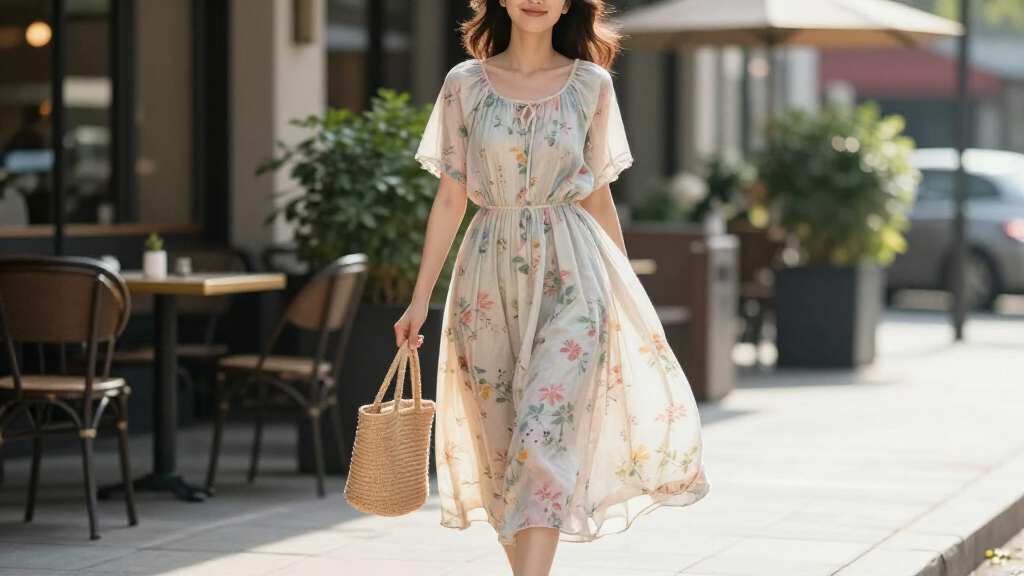
Imagine a breezy white linen dress with thin straps; it’s not just stylish but also functional for hot days. Pair it with flat sandals and a wide-brim hat for sun protection and a relaxed vibe. For additional cooling, opt for dresses with open backs or cutouts—just ensure they’re bra-compatible if needed, to maintain support without adding bulk. The key is to select designs that maximize airflow and minimize heat retention, which directly impacts your comfort and skin health in high humidity. Avoiding heavy linings or dense fabrics is crucial, as they trap heat and moisture, leading to discomfort or skin issues. Fabrics with moisture-wicking properties and UV protection add extra layers of functionality, allowing you to enjoy your summer activities with confidence and ease.
How to style one summer dress for multiple occasions
The secret to maximizing your wardrobe is selecting a versatile dress that can be styled differently for various settings. A simple slip or shirt dress acts as a blank canvas, allowing you to transform its look with accessories and footwear. For daytime errands or casual outings, pair it with sneakers or flat sandals, add a wide-brim hat, and a tote bag for a relaxed, practical look. To dress it up for evening or more formal occasions, switch to espadrilles or low heels, add a belt to define your waist, and layer with a lightweight blazer or denim jacket. These small adjustments change the entire vibe of the outfit, making one dress suitable for multiple settings.
Imagine a classic cotton midi dress—by adding statement jewelry and a clutch, it becomes evening-ready. For daytime, a straw hat, simple sandals, and a crossbody bag keep it casual and comfortable. Accessories are your best friends—they allow you to experiment with color, texture, and style without needing a new wardrobe. Keep a neutral base for your dress, as it provides maximum flexibility for styling. The key is to choose a classic, timeless piece that serves as a foundation for different looks, saving you time and money while expanding your fashion options.
Choosing the right fit without falling into ‘body-type’ traps
When it comes to fit, the key is understanding that comfort and confidence are more important than adhering to rigid ‘body-type’ rules. Ill-fitting clothes can cause discomfort and restrict movement, which is especially problematic in hot weather when you want ease and breathability. Loose-fitting dresses in breathable fabrics allow air to circulate freely, helping you stay cool and preventing skin irritation from tightness or chafing. If you prefer more shape, opt for styles like wrap dresses or fit-and-flare designs that gently contour your curves without feeling restrictive. These shapes also create visual interest and can enhance your natural silhouette, boosting confidence.
For example, a relaxed T-shirt dress in a soft cotton blend can be worn oversized or cinched with a belt, giving you flexibility to adapt to your mood or activity. A smocked bodice offers stretch and adaptability, accommodating fluctuations in size and providing all-day comfort. The most important aspect is how the fabric feels against your skin and whether you can move freely—these factors directly influence your comfort and enjoyment during summer activities. Remember, personal comfort should always trump fashion rules; the best fit is one that makes you feel good physically and emotionally.
Checking opacity, lining, and bra compatibility
Nothing disrupts a summer vibe faster than a dress that’s see-through or reveals more than intended. Transparency can vary based on fabric, color, and lighting—so it’s essential to assess each piece carefully. Hold the dress up to the light or examine product photos to evaluate opacity. Light-colored or white dresses often require additional precautions, such as built-in linings or specific undergarments, to prevent accidental transparency. For example, a white linen dress in direct sunlight might reveal more than you want, so choosing one with a proper lining or wearing nude underlayers ensures you remain modest and confident.
Pay attention to the neckline and armholes, ensuring they stay secure when you move or bend. If you wear a bra, select styles with convertible or seamless straps to avoid visible lines. Pockets or embellishments can alter the silhouette or create uneven lines, so check their placement if you prefer a smooth look. The goal is to find a dress that offers coverage without feeling restrictive or heavy, so you can enjoy your day without constantly adjusting or worrying about exposure. For sheer fabrics, lightweight slip dresses or anti-chafing shorts can add coverage and support while maintaining a sleek appearance.
Frequently Asked Questions
What is the coolest fabric for a summer dress?
Linen tops the list for breathability and quick-drying properties, making it the coolest fabric for humid, hot days. Cotton in lightweight weaves is also excellent, especially voile, gauze, or seersucker.
Is linen or cotton better in hot weather?
Linen is generally more breathable and dries faster than cotton, making it ideal for very hot, humid climates. However, cotton is softer and easier to care for. Your choice depends on your activity level and preference for texture and maintenance.
Is viscose breathable?
Viscose can feel cool and fluid, but it’s less breathable than natural fibers like linen or cotton. It’s often blended with other fabrics to improve breathability and durability.
Can polyester dresses be comfortable in summer?
They can, if made from lightweight, breathable versions. Tightly woven polyester traps heat, but some modern versions include moisture-wicking or airy weaves that help keep you cool.
What dress style is best for hot, humid weather?
Loose, flowy styles like sundresses, tiered dresses, or slip dresses made from breathable fabrics are your best options. Look for open-back or cutout designs for extra airflow.
Conclusion
Summer dressing isn’t about sacrificing comfort for style—it’s about finding the right fabrics, fits, and looks that make you feel confident and relaxed. A well-chosen dress can be your best friend—easy, breezy, and endlessly versatile.
Remember, the secret lies in understanding your climate, your body, and your personal style. With a few smart choices, you’ll be ready to embrace the season in comfort and confidence—one gorgeous dress at a time.
Halloween Picks
halloween
As an affiliate, we earn on qualifying purchases.