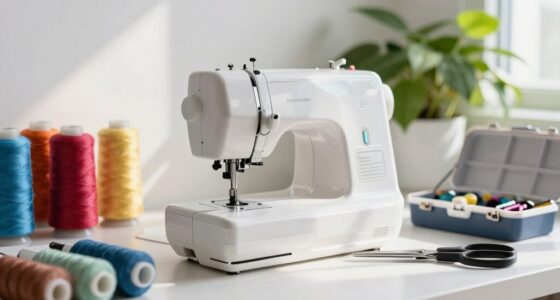
To keep your embroidery machine running smoothly, regularly clean the needle plate. A dirty needle plate can lead to thread bunching and uneven stitches, affecting your project’s quality. Make sure to gather the right tools, like a soft brush and cloth, before starting. Remember to safely remove the needle plate and clear away lint and debris. If you want to maintain peak performance and avoid common issues, there’s more essential care information to discover.

Get your wardrobe favorites delivered free — and shop member deals
- Fast, free delivery on millions of items
- Access to Prime Big Deal Days deals on October 6–7
- Prime Video, Amazon Music and more included
Key Takeaways
- Regularly clean the needle plate to prevent lint buildup, which ensures smooth thread flow and stitch quality.
- Inspect for visible damage like cracks or chips, as these can affect stitching consistency.
- Use a soft brush and cloth to remove debris, and always follow manufacturer cleaning guidelines.
- Establish a maintenance schedule, cleaning after each project for frequent use, to maintain optimal performance.
- Check and adjust thread tension regularly to avoid uneven stitches and ensure consistent patterns.
embroidery machine needle plate cleaning kit
As an affiliate, we earn on qualifying purchases.
As an affiliate, we earn on qualifying purchases.
How a Clean Needle Plate Prevents Embroidery Issues
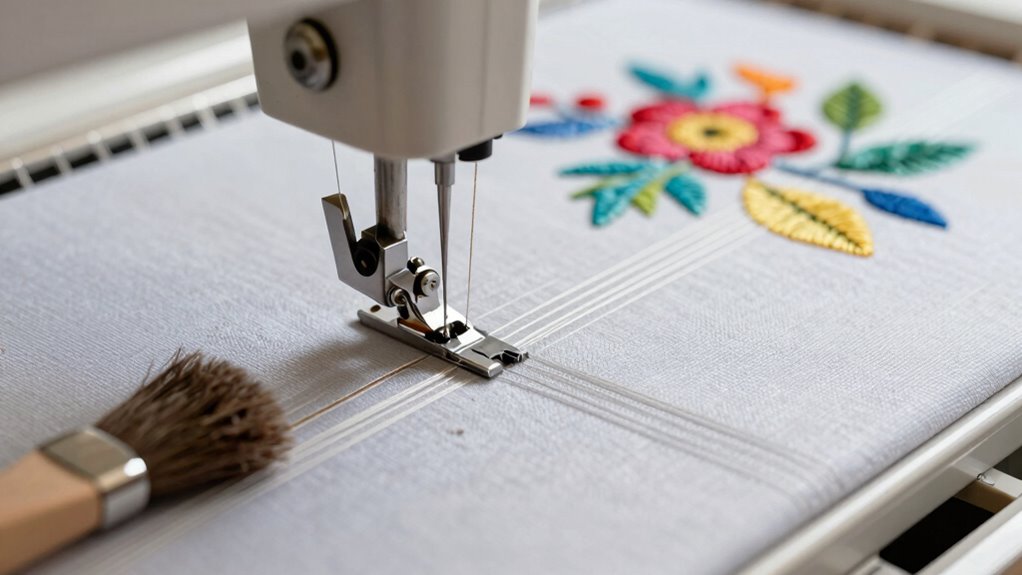
A clean needle plate is essential for smooth embroidery operations. When you prioritize needle plate maintenance, you’re directly impacting the stitch quality importance in your projects. A dirty needle plate can lead to inconsistent stitching, thread jams, and even skipped stitches, which can ruin your hard work. Regularly cleaning this part guarantees that your needle moves freely and accurately, allowing for precise stitching. You’ll notice improved thread tension and more uniform patterns, enhancing the overall look of your embroidery. By keeping your needle plate in top shape, you not only save time and materials but also boost your creativity, knowing that your machine is functioning at its best. Invest a little time in maintenance, and you’ll see a world of difference.
Common Problems From a Dirty Needle Plate
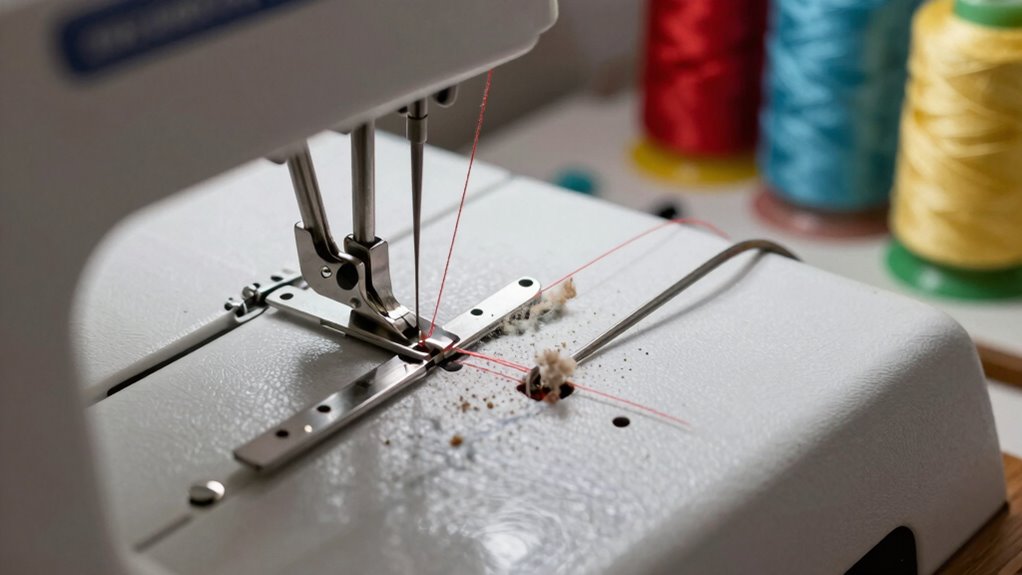
When you neglect to clean the needle plate, you might notice thread bunching and irregular stitch quality in your projects. These issues can frustrate your stitching process and lead to unsatisfactory results. Keeping your needle plate clean is essential for smooth and consistent embroidery work. Regularly cleaning your machine, including the needle plate, helps prevent filtration and suction issues that can affect overall performance.
Thread Bunching Issues
If you notice thread bunching during your embroidery sessions, it could be due to a dirty needle plate. A buildup of lint and debris can disrupt the flow of thread, affecting thread tension and causing those frustrating tangles. Make certain to regularly clean the needle plate to guarantee smooth operation.
Additionally, check your fabric compatibility; using the wrong needle or thread for your material can exacerbate bunching issues. Always match the needle type and size to your fabric to minimize problems. If you’re still experiencing issues after cleaning, consider adjusting your thread tension. A slight tweak can make a big difference, helping your machine run smoothly and producing the quality results you expect.
Irregular Stitch Quality
While you might not realize it, a dirty needle plate can lead to irregular stitch quality in your embroidery projects. Grime and debris can disrupt thread tension, affecting how the needle interacts with the fabric. This can result in uneven stitches and inconsistent patterns, which no one wants in their finished work. Regular maintenance of your machine, including the needle plate, is crucial for achieving optimal performance in your embroidery. Additionally, keeping your embroidery area free from excess high dust can also help maintain the cleanliness of the needle plate.
To maintain stitch consistency, keep an eye on these key points:
- Clean the needle plate regularly to remove lint and residue.
- Check the thread tension settings to verify they’re properly adjusted.
- Inspect your needle for any wear or damage that could worsen issues. Additionally, maintaining a proper budget for supplies can ensure you have the necessary tools and materials for your projects.
Regular cleaning helps ensure optimal kitchen appliance maintenance, allowing for smoother operation and better results in your projects.
Best Tools for Cleaning Your Needle Plate
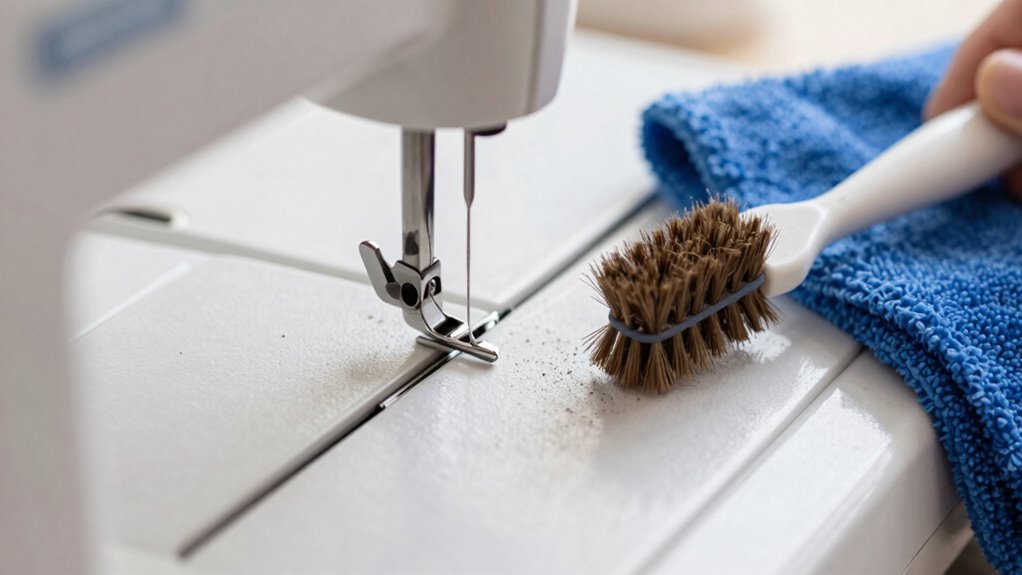
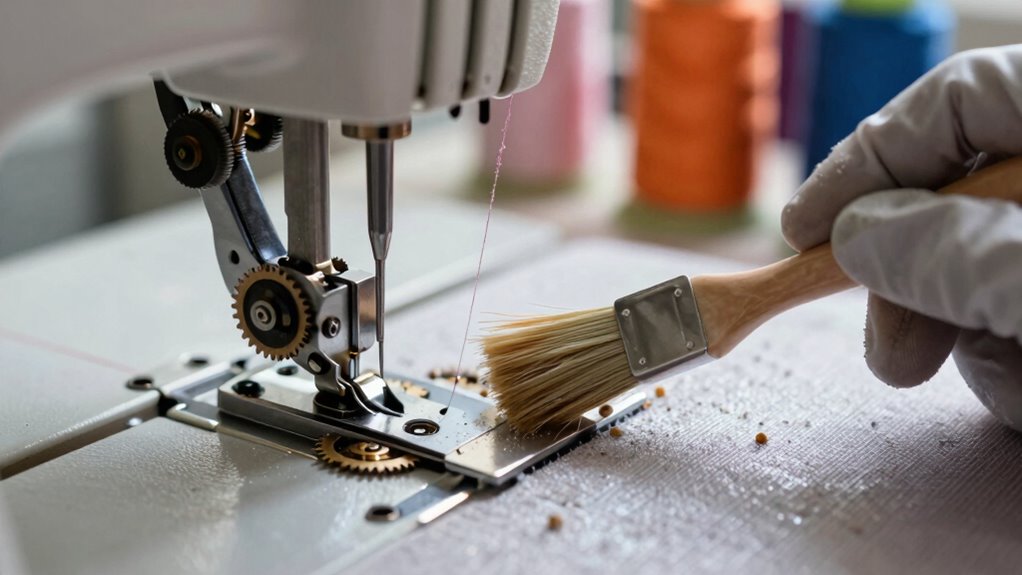
Cleaning your needle plate is essential for maintaining your embroidery machine’s performance, and having the right tools makes the task much easier. Start with needle plate brushes specifically designed for this purpose. They help you reach those tight spots and remove lint and debris without scratching the surface. Pair these brushes with effective cleaning solutions like a mild detergent or specialized machine cleaner. Just a few drops on a cloth can work wonders in lifting stubborn grime. Always make certain to follow the manufacturer’s guidelines for any cleaning products you use. By keeping your needle plate clean, you’ll guarantee smooth stitching and prolong the life of your machine, making your embroidery projects more enjoyable.
Safely Removing Your Needle Plate
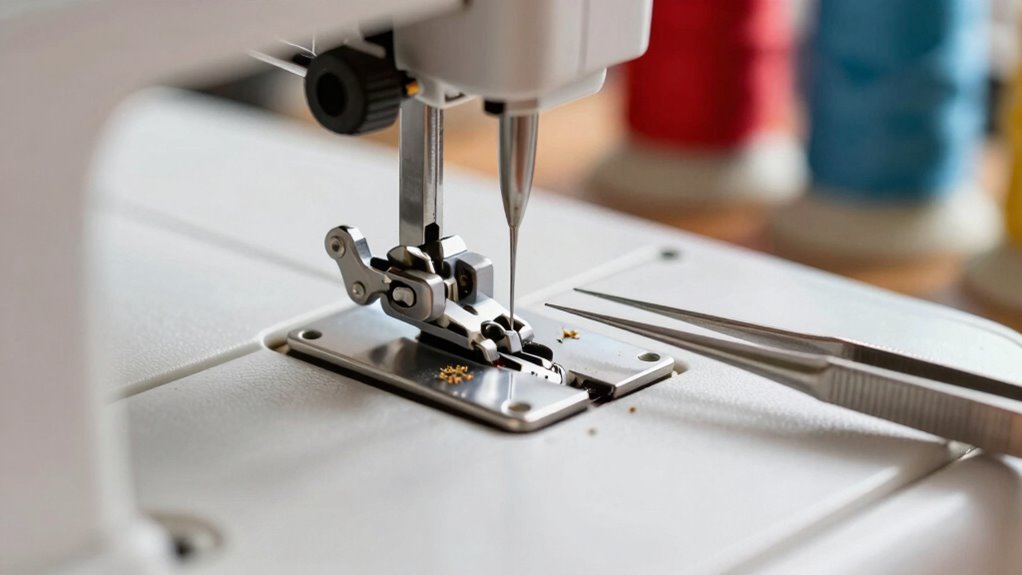
To guarantee your embroidery machine operates smoothly, safely removing the needle plate is essential. Neglecting this step can lead to thread jams and uneven stitches. Follow these removal techniques to ascertain needle plate safety:
- Unplug the machine: Always disconnect from power to prevent accidents.
- Use the correct tools: A small screwdriver or specialized tool designed for your machine helps prevent damage.
- Gently lift the plate: Avoid using excessive force; check for any clips or latches that may be securing it.
Step-by-Step Cleaning Your Needle Plate
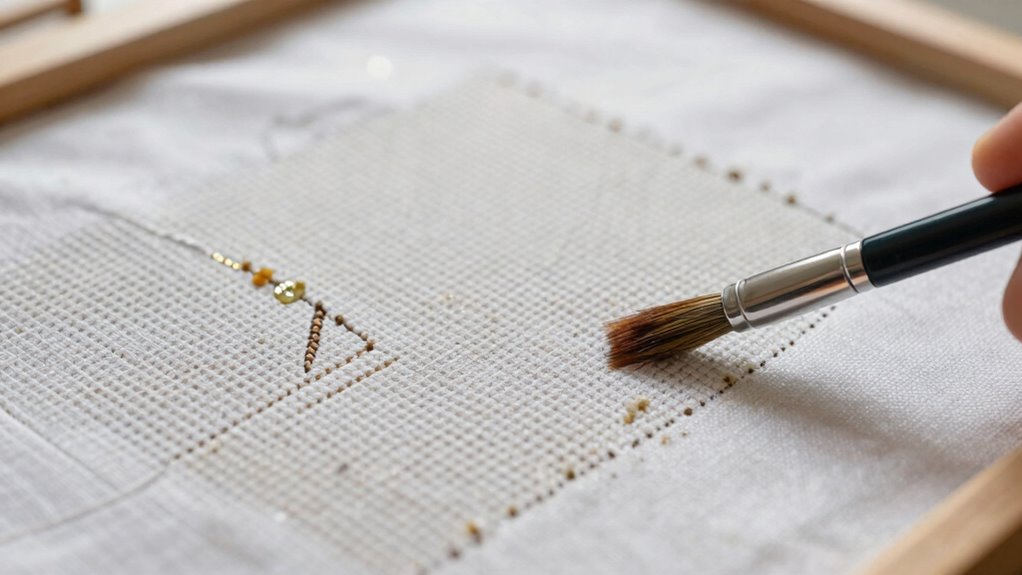
Now that you’ve safely removed your needle plate, it’s time to clean it. First, gather all the necessary cleaning tools you’ll need for the job. Then, use proper techniques to guarantee your needle plate stays in top condition.
Gather Necessary Cleaning Tools
Before you plunge into cleaning your needle plate, it’s important to gather the right tools to make the process smooth and effective. Having a solid cleaning checklist can help guarantee you don’t miss anything significant. Here are some important supplies you’ll need:
- A soft brush or lint brush
- Microfiber cloth or soft rags
- Screwdriver (if necessary for removing the needle plate)
With these tools in hand, you’ll be ready to tackle any debris or buildup that can affect your machine’s performance. Keeping your needle plate clean is essential for achieving perfect stitches, so don’t skip this important step. Taking the time to prepare will save you effort and assure a successful cleaning experience. Regular maintenance of your machine can prevent water damage and prolong its lifespan, as well as help you avoid grease buildup that can hinder your stitching quality. Additionally, a clean needle plate reduces the risk of excess thread tangling, which can lead to frustrating stitching errors. Regularly cleaning your needle plate can also help maintain optimal kitchen ventilation, ensuring your workspace remains free of dust and debris that could affect other equipment. Proper cleaning techniques can also enhance the performance of deep-cleaning machines, ensuring they operate at their best.
Proper Cleaning Techniques
As you prepare to clean your needle plate, it’s vital to follow a systematic approach to guarantee you don’t miss any spots. Start by turning off your machine and removing the needle plate. Use a soft brush to sweep away lint and debris. For stubborn residue, a damp cloth works well; just make sure it’s not too wet. After cleaning, inspect the area for any needed machine lubrication and reattach the needle plate. Finally, check your tension adjustments to make sure everything’s set correctly before you start stitching again. Additionally, maintaining a clean workspace can help reduce the buildup of microplastics in dust that may affect your machine’s performance.
| Step | Action | Purpose |
|---|---|---|
| 1. Turn Off Machine | Power down your machine | Safety first |
| 2. Remove Plate | Take off the needle plate | Access for cleaning |
| 3. Brush Lint | Sweep away debris | Prevent thread jams |
| 4. Wipe Surface | Use a damp cloth | Clean stubborn spots |
| 5. Reattach Plate | Put needle plate back on | Ready for use |
Signs It’s Time to Replace Your Needle Plate?
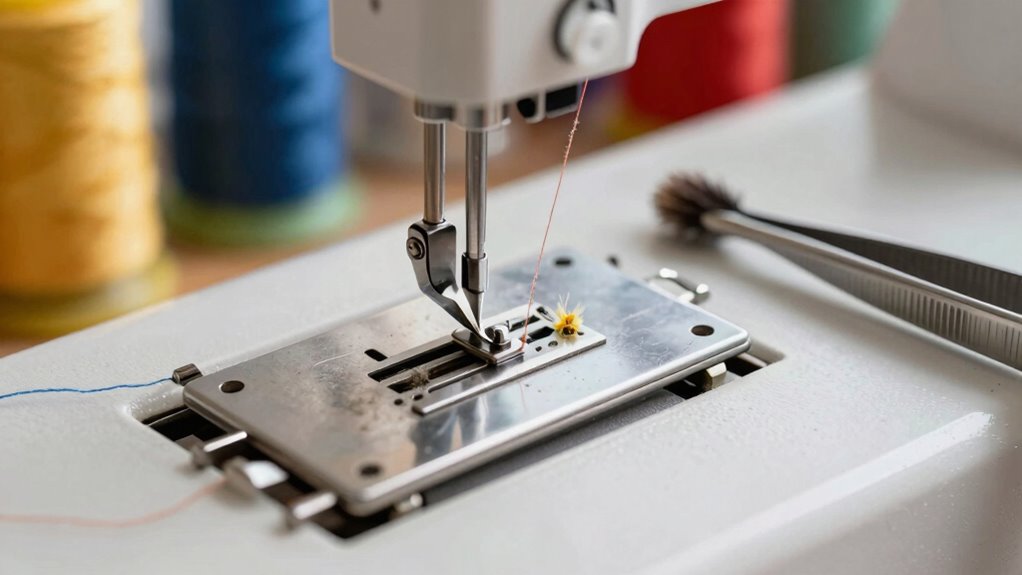
Have you noticed uneven stitching or fabric snags while using your embroidery machine? If so, it might be time to replace your needle plate. Over time, needle wear can cause issues that affect stitch alignment and the overall quality of your work. Here are some signs to look for:
- Visible damage: Cracks or chips on the needle plate can lead to inconsistent stitching.
- Frequent needle breakage: If your needles keep breaking, the needle plate may be misaligned or worn out.
- Fabric feeding issues: If fabric isn’t feeding smoothly, the needle plate could be the culprit.
Addressing these signs promptly can save you time and frustration, ensuring your embroidery projects turn out beautifully.
Top Maintenance Tips for Your Needle Plate
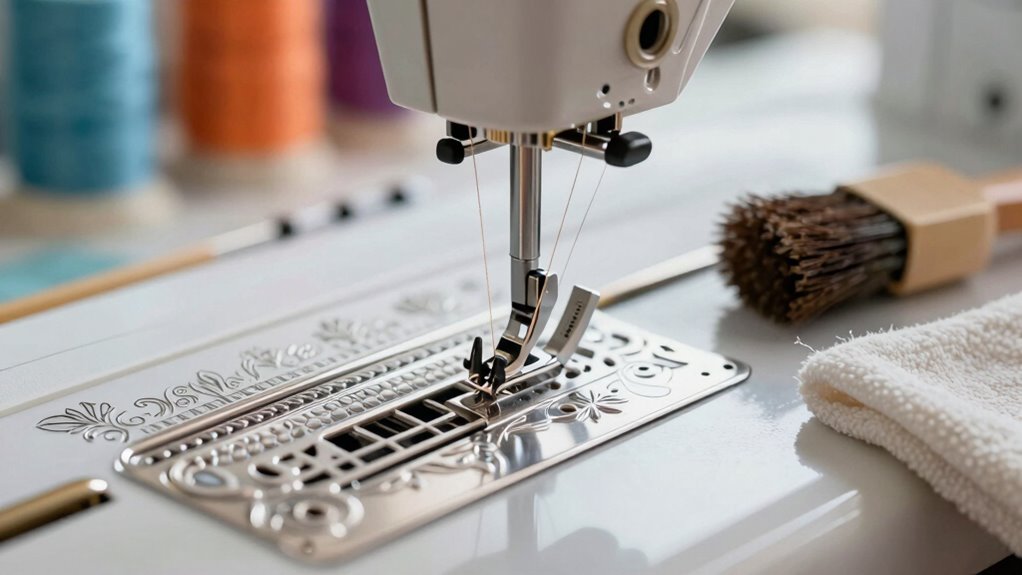
Maintaining your needle plate is essential for ideal performance and stitch quality. Regular cleaning prevents lint buildup and guarantees smooth operation. Depending on your needle plate materials—be it metal or plastic—use a soft brush or a microfiber cloth to wipe it down. Check for any nicks or scratches that could affect your stitches.
Make it a habit to inspect your needle plate after every major project or at least weekly if you sew frequently. This maintenance frequency helps catch issues early and prolongs the life of your equipment. Moreover, regular cleaning can prevent tool-related issues that may disrupt your sewing process. Additionally, applying a drop of sewing machine oil to the moving parts surrounding the needle plate can help maintain optimal performance and keep everything running smoothly. Consistent care will keep your stitches looking sharp and flawless. Furthermore, investing in vacuums for pet allergies can help maintain a clean workspace, reducing the chance of any debris affecting your sewing process.
To further enhance your sewing experience, consider using air systems designed to maintain optimal air quality in your workspace, as a clean environment contributes to better results. Keeping your workspace organized can also help promote effective training concepts that lead to improved outcomes in your projects.
How Often Should You Clean Your Needle Plate?
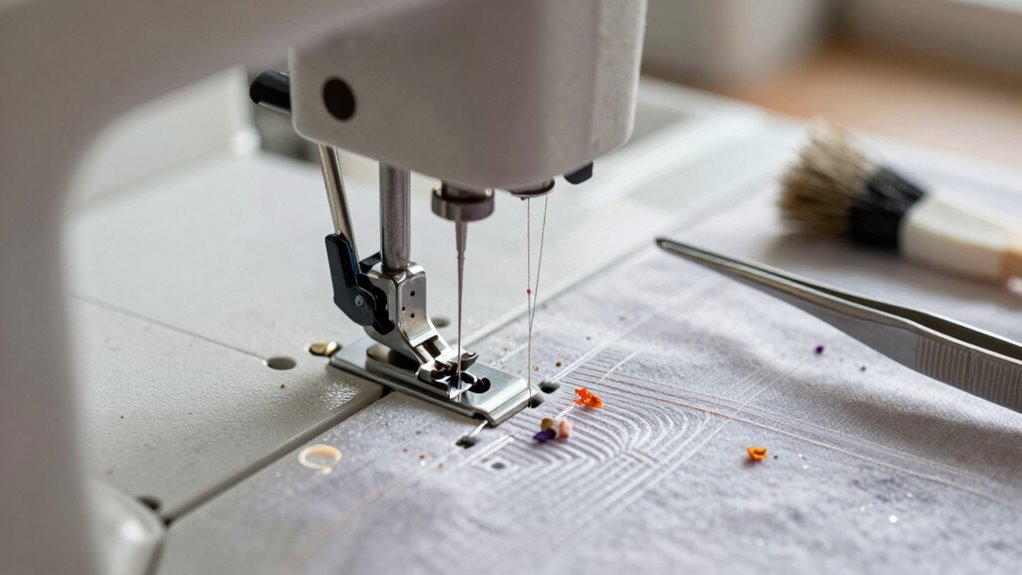
Regularly cleaning your needle plate is essential for ideal sewing performance. To maintain your embroidery machine, you’ll need to establish a cleaning frequency that fits your usage. If you sew frequently, aim to clean your needle plate after every few projects. For occasional sewing, a monthly check should suffice.
Consider the following for effective needle plate maintenance:
- Type of Fabric: Heavier fabrics tend to leave more lint and debris.
- Stitch Complexity: More intricate designs can result in increased buildup.
- Project Volume: The more you sew, the more often you should clean.
Additionally, keeping your workspace tidy can help reduce pest-free spaces that may interfere with your sewing process.
Care Tips for Your Embroidery Machine
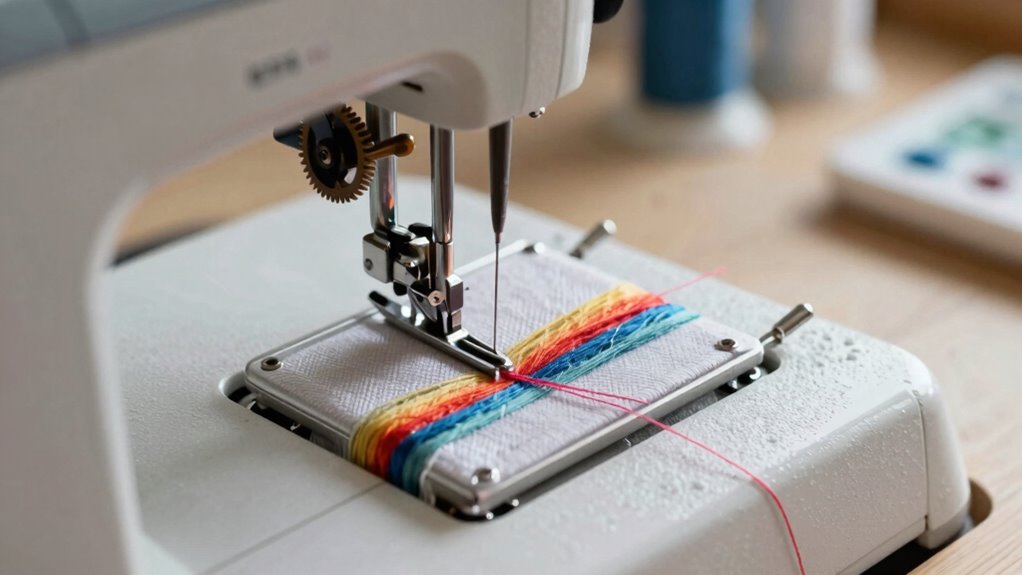
While your embroidery machine brings creativity to life, it also requires proper care to confirm it runs smoothly. Start by regularly checking the thread tension; uneven tension can lead to poor stitching results. Make it a habit to establish a maintenance schedule—this helps prevent issues before they arise. Clean the bobbin area and needle plate after every project to remove lint and debris. Additionally, oil the machine according to the manufacturer’s instructions to keep the moving parts functioning well. Don’t forget to check the needle frequently; a dull or damaged needle can affect your stitch quality. By following these simple tips, you’ll confirm your embroidery machine remains in top shape, allowing your creativity to flourish without interruption.
Frequently Asked Questions
Can I Use Regular Cleaning Supplies on My Needle Plate?
You shouldn’t use regular cleaning supplies on your needle plate. For proper needle plate maintenance, stick to specialized cleaning techniques that won’t harm your machine. Use a soft brush or lint roller to remove debris, and a damp cloth for gentle wiping. Avoid harsh chemicals that could damage the surface or interfere with your embroidery. Keeping your needle plate clean guarantees smooth operation and better stitch quality, so treat it right!
What if My Needle Plate Is Scratched?
Scratched surfaces spell serious struggles for stitching success. If your needle plate’s scratched, you should address it promptly. Inspect the damage; minor scratches might not hinder performance, but significant ones could affect stitch quality. Consider needle plate maintenance by using protective covers and avoiding abrasive tools to prevent future scrapes. Keeping your machine clean and cared for helps maintain its integrity, ensuring every stitch stays smooth and seamless.
How Do I Know if My Needle Plate Is Misaligned?
To check if your needle plate is misaligned, perform a needle plate inspection. Look for misalignment signs like uneven stitch spacing or skipped stitches. If the needle isn’t passing smoothly through the hole or if you notice excess friction, it’s time to adjust. Keep an eye on the fabric as you sew; any unusual movements can indicate misalignment. Regular inspections will help guarantee your machine runs smoothly and produces quality stitches.
Is It Safe to Wash My Needle Plate in Water?
It’s not safe to wash your needle plate in water. You might think a quick rinse will do the trick, but water can damage the machine’s components. For effective needle plate maintenance, use a soft cloth and a brush to remove debris. Aim to clean it regularly, ideally after every few projects, to keep your stitches perfect. This will help you avoid potential misalignment and guarantee smooth embroidery every time.
Can I Clean My Needle Plate While My Machine Is Running?
You can’t clean your needle plate while your machine’s running. Doing so can mess with the machine operation and potentially cause damage. For proper needle plate maintenance, always turn off your machine first. Make sure everything’s cool and safe before you start cleaning. This way, you’ll guarantee a smooth operation and avoid any unwanted issues. Keeping your machine clean will help maintain the quality of your stitches over time.
Conclusion
Taking care of your needle plate means smoother stitches, fewer headaches, and greater creativity. By keeping it clean, you’re ensuring precision in every design, avoiding frustrating thread breaks, and enhancing your embroidery experience. So, don’t overlook this small but essential component. Embrace regular maintenance, celebrate your craftsmanship, and let your machine shine. When you prioritize care, you invest in your passion, and every stitch becomes a tribute to your dedication. Keep stitching beautifully!
Fall Picks
fall essentials
As an affiliate, we earn on qualifying purchases.