To remove candle wax from tablecloths or clothes, start by letting the wax harden using an ice pack or cold compress, then gently scrape off the excess with a dull knife or plastic scraper. Next, place a brown paper bag or paper towels over the remaining wax, and gently press with a warm iron to lift the wax into the paper. Be sure to contemplate fabric type and follow proper stain treatment steps to achieve the best results. If you want to learn more effective techniques, keep going.
Key Takeaways
- Allow the wax to cool and harden, then gently scrape off excess with a dull knife or plastic scraper.
- Place brown paper or paper towels over the wax and gently iron on low heat to lift remaining residue.
- Test a small area with stain remover or mild detergent; treat the wax stain carefully before washing.
- For delicate fabrics, avoid high heat; use cold water or specialized stain removers to prevent damage.
- Wash the fabric according to care instructions, and repeat the process if any wax remains.
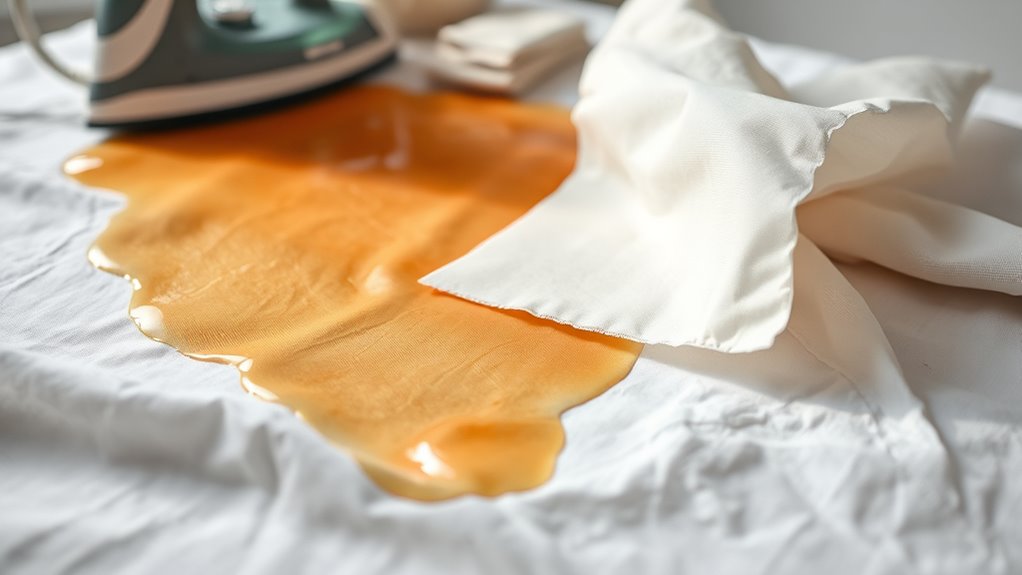
Getting candle wax on your tablecloth or clothes can be frustrating, but removing it doesn’t have to be complicated. The key is to act quickly and use the right techniques to prevent stains and preserve the fabric’s color. One effective way to start is by letting the wax cool and harden. You can speed this up by placing a bag of ice or a cold pack on the wax, making it easier to scrape off without smearing it further. Use a dull knife or a plastic scraper to gently lift away as much wax as possible, being careful not to damage the fabric. The goal is to remove the solid wax before it seeps deeper or sets into the fibers.
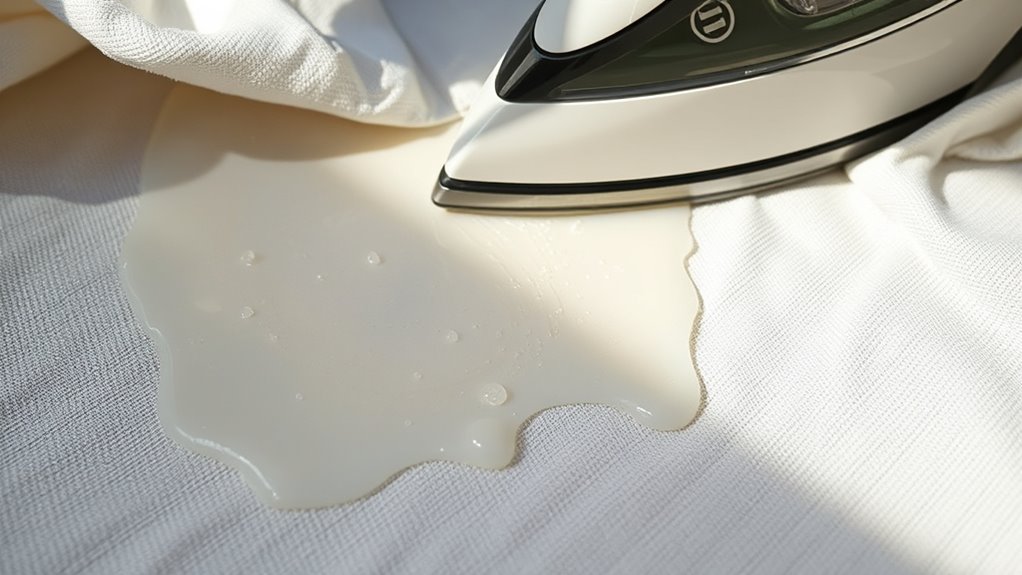
Once you’ve scraped off the excess wax, the next step involves heat. Place a brown paper bag or several layers of paper towels over the remaining wax stain. Use a warm iron—set it to a low or medium heat—to gently press over the paper. As you do so, the heat melts the wax, which then transfers onto the paper. Keep the iron moving constantly to avoid burning or damaging the fabric. This method works well on both tablecloths and clothing, but always test a small, inconspicuous area first to ensure the heat won’t harm the fabric or cause color bleeding. Additionally, understanding fabric types can help you choose the safest method for your specific material.
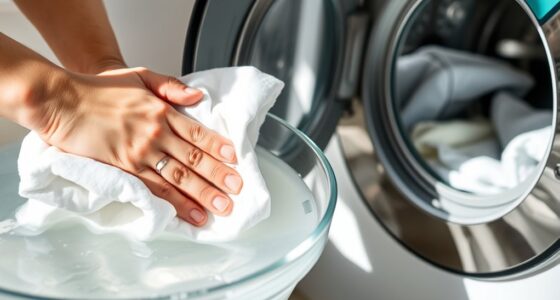
After removing the wax, it’s common for some residue or staining to remain. To tackle this, you can treat the area with a stain remover or a mixture of mild detergent and water. For delicate fabrics, opt for a gentle, color safe bleaching solution if the fabric is white or colorfast. This helps to prevent any lingering discoloration or stains, especially if the wax had any dye in it. Always follow the instructions on the product label and do a patch test first to prevent unwanted color changes.
To finish, wash the fabric as usual, following the care instructions. Use the warmest water safe for the material and consider adding a bit of color safe bleaching if you’re worried about stain prevention. If any stain persists after washing, repeat the process or try a specialized stain remover designed for wax or greasy stains. Remember, quick action combined with gentle care is your best bet to keep your tablecloths and clothes looking their best, free from wax marks and stains.
Frequently Asked Questions
Can Candle Wax Stains Be Removed From Delicate Fabrics?
Yes, candle wax stains can usually be removed from delicate fabrics. You should start with fabric pre-treatment by gently scraping off excess wax and applying a stain removal tip like dabbing with a cold, damp cloth. Then, place a paper towel or blotting paper over the stain and carefully use an iron on low heat to lift the wax. Always test first and be gentle to protect delicate fibers.
What Is the Fastest Method to Remove Wax From Clothing?
Removing wax from clothing is like melting ice on a sunny day. You should start by placing a paper towel over the wax stain, then gently press a hot iron on top. The heat will melt the wax, which the paper towel will absorb. Keep moving the towel and repeating until the wax lifts completely. This quick method minimizes mess and gets your clothes looking fresh fast.
Are There Eco-Friendly Solutions for Wax Removal?
Yes, you can use eco-friendly solutions like soy-based solvents or beeswax alternatives to remove wax. These options are gentle on the environment and effective on wax stains. Simply apply soy-based solvents or natural beeswax substitutes to the affected area, let them sit for a few minutes, then gently scrape or blot the wax away. This method keeps your cleaning eco-friendly while tackling stubborn wax spots efficiently.
How Do I Prevent Wax From Setting Into Fabric Permanently?
Wax can set into fabric permanently if you don’t act fast. To prevent this, treat the fabric with a stain prevention spray or a barrier like parchment paper before lighting candles. Once the wax drips, gently blot it and avoid rubbing, which can push it deeper. Quick action and proper fabric treatment keep your textiles looking pristine, stopping wax from becoming a stubborn, unmovable stain that ruins your decor.
Can I Use a Hairdryer on All Fabric Types?
You can use a hairdryer on most fabric types, but be cautious with delicate fabrics like silk or wool, as high heat can cause damage or dyeing issues. Always test a small, hidden area first to prevent staining or discoloration and guarantee stain prevention. For best results, keep the dryer on a low setting and hold it at a safe distance, avoiding direct heat that might affect the fabric’s dyeing or integrity.
Conclusion
Now, picture your tablecloth or shirt restored to its former glory, free of stubborn candle wax. With a gentle iron and a quick swipe of paper towels, the wax melts away like dew evaporating at dawn. Your fabric feels soft again under your fingertips, spotless and refreshed. It’s like the wax never existed—just a clean, beautiful surface ready to brighten your day once more. You’ve conquered the stain, and your fabric looks as good as new.