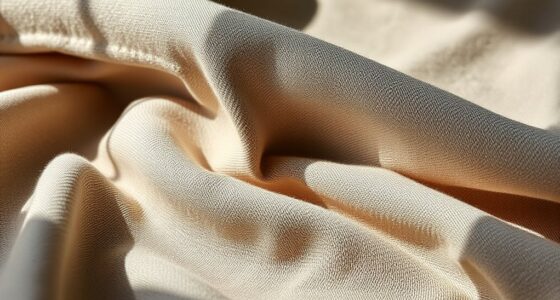

Electrospun nanofibers mimic natural spider silk by using a high-voltage process that creates ultra-fine fibers with remarkable strength and elasticity. This biomimicry technology allows you to produce flexible, durable fibers that can stretch and absorb energy, much like real silk. This innovative approach holds promise for transforming industries such as textiles, medical devices, and military gear. Keep exploring to discover how scientists are advancing this exciting field and shaping future materials.

Get your wardrobe favorites delivered free — and shop member deals
- Fast, free delivery on millions of items
- Access to Prime Big Deal Days deals on October 6–7
- Prime Video, Amazon Music and more included
Key Takeaways
- Electrospinning produces ultra-fine fibers with controlled morphology, enabling the creation of synthetic spider silk mimicking natural properties.
- Lab-made spider silk via electrospinning combines high strength and elasticity, suitable for durable, flexible applications.
- The nanofiber structure’s high surface area enhances material performance, including energy absorption and resilience.
- This technique allows scalable manufacturing of biomimetic fibers for industries like textiles, biomedical devices, and military gear.
- Understanding electrospinning parameters advances the development of customizable, high-performance natural-inspired fibers.
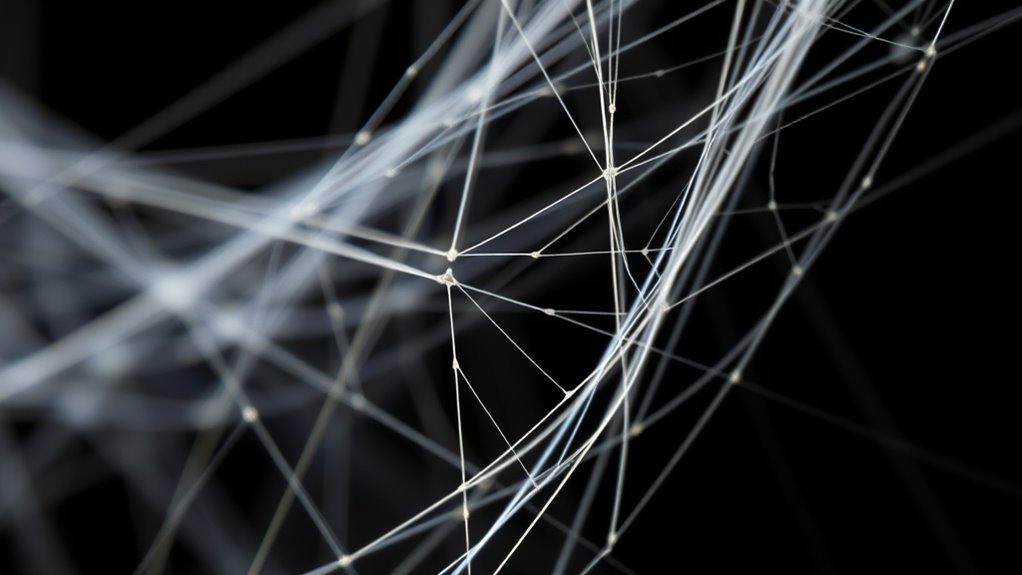
Scientists have developed lab-made spider silk threads that mimic the strength and elasticity of natural spider silk. This breakthrough is a prime example of biomimicry innovations, where nature’s marvels inspire cutting-edge materials. By replicating the intricate properties of spider silk, researchers aim to create fibers that combine remarkable strength with flexibility, opening doors to a variety of applications. These synthetic fibers are crafted using advanced techniques like electrospinning, which allows precise control over fiber morphology and properties.
Electrospun nanofibers are at the forefront of this innovation. The process involves applying a high-voltage electric field to a polymer solution, drawing out ultra-fine fibers that resemble the structure of natural silk. This method enables the production of fibers with a high surface-area-to-volume ratio, which is essential for mimicking the unique properties of spider silk. The resulting nanofibers exhibit impressive fiber strength, comparable to that of their natural counterparts, making them suitable for use in textiles, biomedical devices, and even military gear.
What makes these lab-made spider silk threads particularly exciting is their ability to combine strength with elasticity. Unlike traditional synthetic fibers that may be strong but brittle, these biomimicry innovations are designed to stretch and absorb energy without breaking. This flexibility is crucial for developing materials that can endure real-world stresses, such as in body armor or flexible electronics. The nanofiber structure also enhances durability, ensuring that the material remains intact under repeated use or strain.
Furthermore, the versatility of electrospinning allows for tailoring the properties of these fibers, such as their diameter, porosity, and surface chemistry. By adjusting parameters in the process, scientists can optimize fiber strength and other characteristics to suit specific needs. This level of control is vital for translating lab-made silk into practical, scalable solutions. The ability to produce fibers that emulate natural silk’s fiber strength and elasticity at a commercial scale could revolutionize industries ranging from healthcare to fashion. Additionally, understanding the manufacturing process is key to advancing these biomimetic fibers toward widespread application.
As an affiliate, we earn on qualifying purchases.
Frequently Asked Questions
How Does Electrospinning Replicate Natural Spider Silk Properties?
You can replicate natural spider silk properties through electrospinning by controlling polymer alignment and fiber morphology. During the process, you influence how the polymers stretch and align, creating fibers that mimic the silk’s strength and elasticity. By adjusting parameters like voltage and flow rate, you produce nanofibers with specific fiber morphology, closely resembling natural spider silk. This technique allows you to engineer fibers with remarkable mechanical properties similar to those found in nature.
Can Lab-Made Nanofibers Match the Strength of Real Spider Silk?
Lab-made nanofibers can match the strength of real spider silk, but it’s challenging due to manufacturing challenges. Biomimetic fibers require precise control over their structure and composition, which is difficult to achieve consistently. You’ll find that ongoing research aims to overcome these hurdles, improving the quality and strength of lab-produced fibers. While promising, fully replicating the remarkable strength of natural spider silk remains a work in progress.
What Are Potential Biomedical Applications of Electrospun Nanofibers?
Think of electrospun nanofibers as tiny bridges connecting healing and health. You can use them for drug delivery, releasing medicines gradually at targeted sites, or in tissue engineering, creating scaffolds that mimic natural tissues. These fibers support cell growth and regeneration, making them a versatile tool in medicine. Their high surface area and tunable properties allow you to customize solutions for various biomedical applications, improving patient outcomes.
Are There Environmental Benefits to Producing Synthetic Spider Silk?
Yes, producing synthetic spider silk offers environmental benefits. You reduce pollution by creating materials that are biodegradable, breaking down naturally without harming ecosystems. This process minimizes waste and reliance on traditional, resource-intensive textiles. By choosing lab-made silk, you support sustainability efforts, lowering your carbon footprint and decreasing environmental impact, making it a greener alternative to conventional fibers.
How Scalable Is the Production of Electrospun Nanofibers?
You can scale up electrospun nanofiber production, but it involves significant industrial challenges. Achieving large-scale manufacturing requires optimizing equipment for consistent fiber quality and managing high production speeds. While advances are promising, current limitations in process control and cost-effectiveness mean industrial scaling is still in development. Overcoming these manufacturing challenges is essential to meet increasing demand for applications like biomedical devices, filters, and textiles.
Conclusion
Just like the saying “Rome wasn’t built in a day,” creating perfect lab-made spider silk takes time and patience. With electrospinning, you’re crafting incredible nanofibers that mimic nature’s strongest threads. Keep pushing boundaries, and you’ll discover that patience and innovation can turn science fiction into reality. Remember, every great achievement starts with a single step—so stay curious and keep weaving your way toward the future of materials.
Fall Picks
fall essentials
As an affiliate, we earn on qualifying purchases.