Choosing the right throat space for your sewing machine can make or break your projects. A larger throat space offers room to maneuver bulky fabrics and improves stitching accuracy, especially for quilts. For small items, 6-8 inches usually suffices, while bigger quilts benefit from 10-12 inches. Don’t overestimate your needs; too much space can complicate smaller tasks. Balancing throat space with portability is key, and there’s more to discover about optimizing your machine choice.
Key Takeaways
- Assess your project types: small projects need 6-8 inches, while larger quilts benefit from 10-12 inches of throat space.
- Measure throat space accurately from the needle to the nearest machine part for informed decisions.
- Consider future projects to avoid limiting creativity; select a machine that accommodates a range of throat space needs.
- Balance throat space with portability; larger machines offer stability but may be less convenient for transport and storage.
- Be mindful of your budget, as a larger throat space may require additional investment in accessories and machine features.
Why Throat Space Is Key to Your Sewing Success
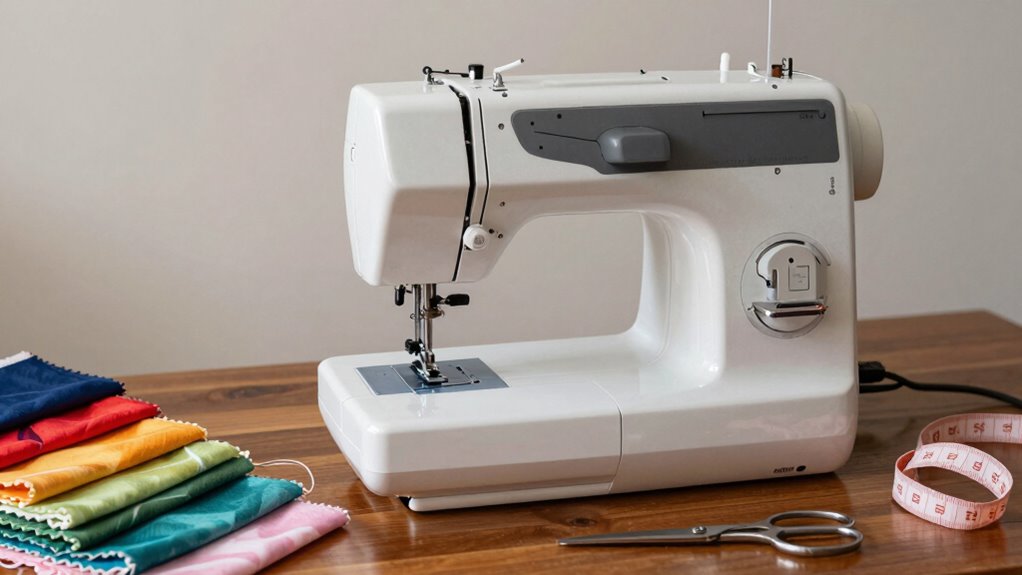
When you’re sewing, the throat space of your machine can make all the difference. A larger throat space lets you maneuver bulky fabrics and quilts with ease, revealing throat space benefits that enhance your creativity. If you’re working on intricate designs or larger projects, having that extra room is vital. It not only reduces the frustration of fabric bunching but also improves your overall stitching accuracy. Plus, it’s important to take into account sewing machine compatibility; not all attachments and accessories will fit every model. By choosing a machine with the right throat space, you guarantee that your projects run smoothly, making sewing a more enjoyable experience. Ultimately, the right throat space helps you achieve professional-looking results every time. Additionally, understanding device compatibility can help you make informed choices that elevate your sewing game.
How to Measure Throat Space on Your Sewing Machine
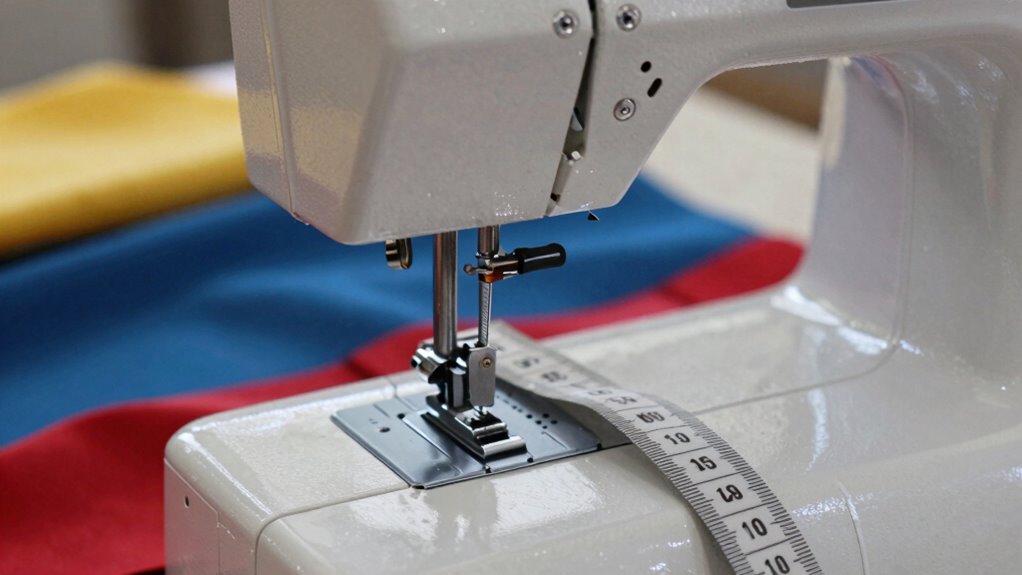
Measuring the throat space on your sewing machine is a straightforward process that can save you from future frustrations. To get accurate throat space measurements, follow these simple steps:
- Locate the Needle: Start by identifying the needle position. This is your reference point for measuring.
- Measure from the Needle: Use a ruler to measure the distance from the needle to the nearest part of the machine, like the body or the arm.
- Check Sewing Machine Dimensions: Record the measurement in inches or centimeters, ensuring it’s clear and precise for future reference.
Knowing your throat space can help you choose the right machine for your projects, making your sewing experience much more enjoyable!
Best Throat Space for Various Sewing Projects
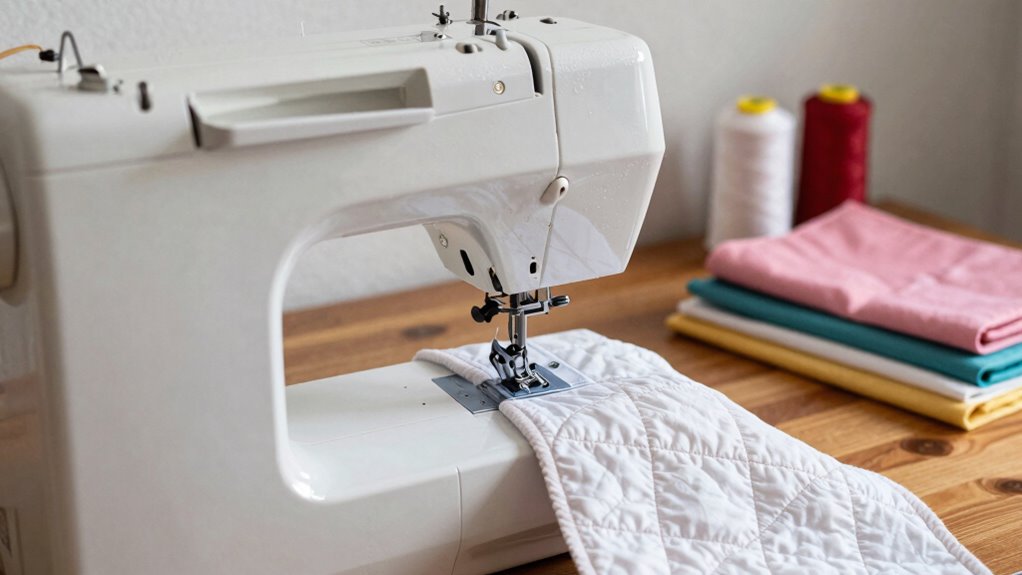
Choosing the right throat space can greatly enhance your sewing experience, especially as different projects require varying amounts of room. For small projects like bags or garments, a machine with a throat space of around 6-8 inches is often sufficient. However, if you’re tackling larger quilts, especially those with expansive quilt dimensions, you’ll want a machine with at least 10-12 inches of throat space to accommodate the bulk. When working with different fabric types, like heavy denim or multiple layers of cotton, having extra room can make a significant difference in maneuverability. Ultimately, selecting the right throat space can streamline your process and elevate the quality of your finished projects.
Top Mistakes to Avoid When Selecting Throat Space
Certainly! Here’s your revised article subheading content with the requested addition:
—
How do you avoid common pitfalls when selecting the right throat space for your sewing machine? Understanding these top mistakes can help you steer clear of project limitations and common misconceptions:
- Overestimating Needs: Don’t assume bigger is always better; a larger throat space may complicate handling smaller projects. Additionally, choosing a machine with the right filtration and suction can enhance overall performance and ease of use. Remember that color accuracy in sewing machine attachments can also affect your finished projects. Regular maintenance, such as HEPA filter changes, can also improve your sewing environment. Furthermore, ensuring you have a solid understanding of financial planning can help you budget for the right machine and accessories.
- Ignoring Future Projects: Consider what you might sew down the line. Choosing a throat space that fits only your current project can limit your creativity.
- Neglecting Machine Size: Balance throat space with the machine’s overall size. A bulky machine might be hard to maneuver, especially in tight spaces. Plus, understanding kitchen appliances can enhance your overall crafting experience, ensuring you have the right tools at your disposal. Properly maintaining these appliances can also contribute to a more efficient workspace.
—
Feel free to let me know if you need any more adjustments or additional content!
Balancing Throat Space and Portability
When selecting a sewing machine, finding the right balance between throat space and portability is key. Throat space advantages include increased room for larger projects, while portable sewing machines are easier to transport and store. Here’s a quick comparison to help you decide:
| Feature | Throat Space (Large) | Portable Sewing (Small) |
|---|---|---|
| Project Size | Large quilts, garments | Small crafts, hems |
| Weight | Heavier | Lightweight |
| Stability | More stable | Less stable |
| Versatility | High | Moderate |
| Storage Space | Requires more space | Compact |
Ultimately, think about your sewing habits. If you often tackle big projects, a larger throat might be worth the extra weight. If you’re on the go, a portable option could fit your lifestyle better.
Frequently Asked Questions
What Is Throat Space in Sewing Machines?
Throat space in sewing machines refers to the area between the needle and the machine’s body. This throat measurement is essential for your quilting needs, as it determines how easily you can maneuver larger fabrics. If you’re working on big projects, a machine with ample throat space makes handling layers much simpler. So, when choosing a machine, consider how much room you’ll need to create your desired quilts and other projects.
Can I Use a Small Machine for Large Projects?
You can use a small machine for large projects, but there are limitations. Consider how much throat space you need for your fabric; a small machine might struggle with bulkier materials. It’s essential to think about project size, as maneuvering large pieces can become cumbersome. If you often tackle big projects, investing in a larger machine could save you time and frustration in the long run. Just weigh your options carefully!
How Does Throat Space Affect Stitch Quality?
Throat space directly impacts stitch quality because it affects your ability to manipulate fabric easily. Imagine trying to navigate a large quilt through a small opening; it’s like squeezing a big balloon through a tiny hole. You can struggle with stitch tension, leading to uneven stitches. With adequate throat space, you can maneuver fabric smoothly, ensuring consistent tension and beautiful, precise stitches. So, choose wisely based on your project needs!
Are There Portable Machines With Large Throat Space?
Yes, there are portable machines with large throat space! Brands like Brother and Janome offer portable model options that provide ample throat space for various projects. These machines often balance size and functionality, allowing you to tackle quilting and larger garments without sacrificing portability. When shopping, check specifications and user reviews to confirm the throat space meets your needs while remaining easy to transport. You’ll find a great fit for your sewing adventures!
What Accessories Can Improve Throat Space Usability?
To improve throat space usability, consider using specialized sewing machine feet, like walking feet or free-motion feet. These can help you maneuver fabric more easily. Additionally, investing in a quilting extension table can greatly enhance your workspace, giving you more room to manage larger projects. With these accessories, you’ll find it easier to handle intricate designs and bulky materials, making your sewing experience smoother and more enjoyable.
Conclusion
In choosing the right sewing machine, understanding throat space is vital for your success. Have you considered how the right size can transform your projects? Whether you’re quilting, garment making, or crafting, the right throat space can make all the difference. Avoid common pitfalls by measuring and matching the throat space to your needs. Remember, it’s all about finding that perfect balance between functionality and portability, so you can create with confidence and ease!