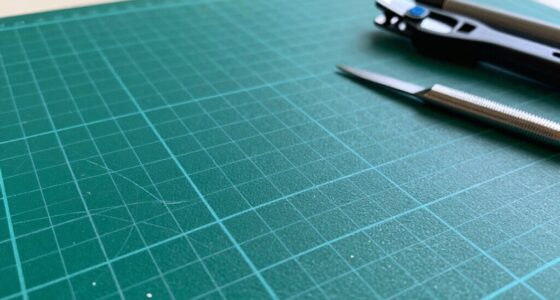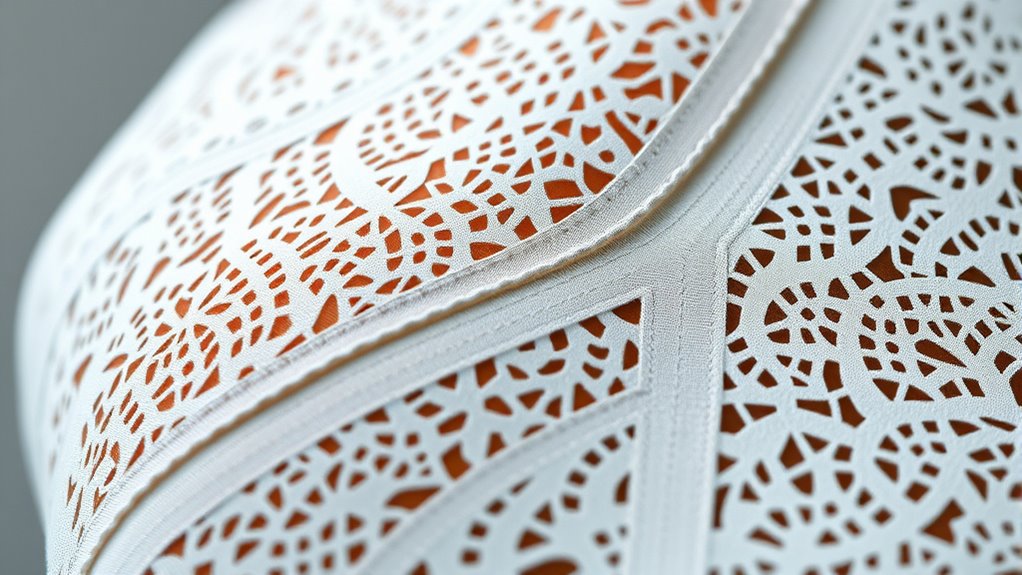

Laser cutting and seamless joining using fiber laser technology are transforming modern garment manufacturing. With this tech, you can achieve precise, clean cuts that reduce material waste and speed up production. Seam welding creates strong, stitch-free seams that improve durability and appearance without extra sewing steps. These advancements also allow for working with a variety of fabrics, enhancing quality and efficiency. Keep exploring to discover how these innovations are shaping the future of garment creation.
Open a free Amazon Business account
Business pricing, bulk buying and tax-exempt orders.
As an affiliate, we earn on qualifying purchases.
Key Takeaways
- Fiber lasers enable precise fabric cutting with clean edges, reducing waste and speeding up garment production.
- Seam welding uses laser or ultrasonic energy to create durable, stitch-free seams that improve garment appearance and strength.
- Laser cutting supports intricate designs and delicate textiles, enhancing design flexibility and finishing quality.
- Seam welding minimizes fraying and unraveling, offering consistent, high-quality joints suitable for automated manufacturing.
- Combining laser cutting and seamless welding modernizes garment assembly, increasing efficiency, durability, and aesthetic appeal.
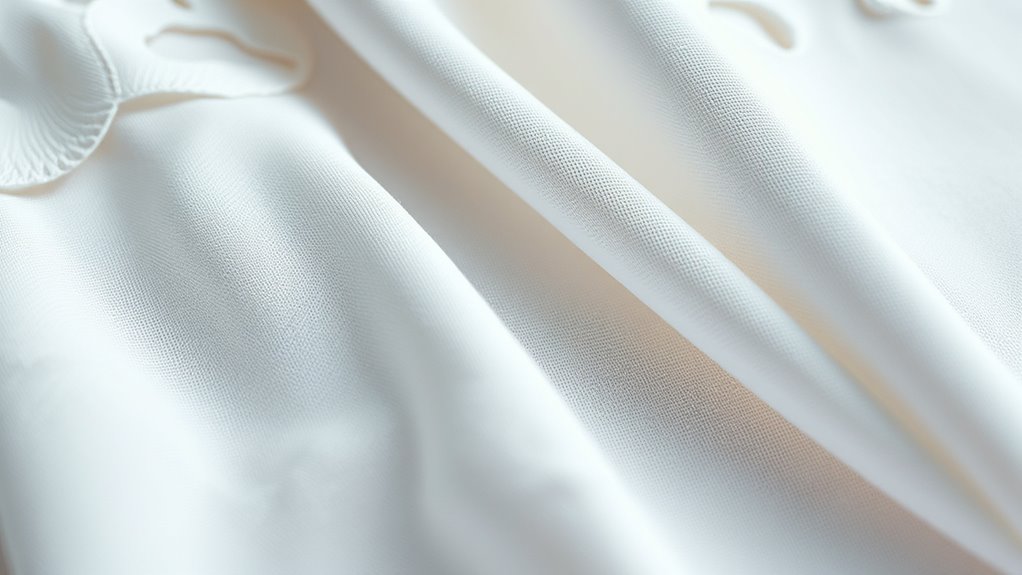
Have you ever wondered how modern manufacturing achieves precise cuts and flawless joins? It’s no secret that advanced technology plays a vital role, especially in industries like garment production where quality and efficiency are essential. One key innovation is the fiber laser, a powerful tool that revolutionizes cutting processes. Unlike traditional methods, a fiber laser uses a focused beam of light to cut through fabrics and materials with incredible accuracy. Its precision ensures clean edges, minimizes waste, and speeds up production, making it ideal for intricate designs and delicate textiles. When it comes to joining fabrics seamlessly, seam welding has become a game-changer. Instead of traditional sewing, seam welding uses heat generated by laser or ultrasonic energy to fuse fabric edges together. This method creates durable, uniform seams without stitches, which not only improves the garment’s appearance but also reduces the risk of fraying or unraveling over time. Additionally, fiber laser technology is highly adaptable, capable of cutting various fabrics from woven to non-woven, leather, or synthetic materials, broadening its usefulness across different garment types.
When it comes to joining, seam welding stands out because it creates a smooth, continuous bond that mimics the look of a sewn seam but with added strength and consistency. This process involves applying heat through a laser or ultrasonic device to the fabric edges, which melts and fuses them together. The result is a seam that’s not only visually seamless but also highly resistant to stress and wear. Seam welding also speeds up production since it eliminates the need for sewing machines and reduces manual labor. It’s especially advantageous in high-volume manufacturing settings where uniformity and durability are paramount. Plus, seam welding can be integrated into automated production lines, ensuring consistent quality across large batches of garments.
As an affiliate, we earn on qualifying purchases.
Frequently Asked Questions
How Does Laser Cutting Impact Fabric Durability Over Time?
Laser cutting generally maintains fabric fiber integrity better than traditional methods, reducing fraying and weakening. It creates precise edges that don’t compromise seam stress tolerance, which helps garments last longer over time. However, excessive or improper laser use can cause slight heat damage, potentially affecting durability. Overall, when done correctly, laser cutting enhances fabric durability by preserving fiber strength and ensuring seams withstand wear and tear.
Can Laser Technology Be Used on All Types of Textiles?
Sure, laser technology can seem like a miracle worker, but it’s not a one-size-fits-all solution. You might wish it could magically cut all textiles, but material limitations and textile versatility still exist. Some fabrics, especially delicate or thick ones, resist laser’s precision. So, while laser tech is versatile, you need to take into account its suitability for each textile type, or risk turning your fabric project into a fiery fiasco.
What Are the Safety Considerations for Operators Using Laser Equipment?
You need to prioritize laser safety when operating laser equipment. Always wear appropriate protective gear, such as safety goggles, to shield your eyes from harmful laser radiation. Regular equipment maintenance is vital to prevent malfunctions and guarantee safe operation. Keep the laser workspace clear of flammable materials, and follow manufacturer instructions carefully. By staying vigilant about laser safety and maintaining your equipment properly, you protect yourself and ensure efficient, safe garment production.
How Does Seamless Joining Affect Garment Washability?
Seamless joining enhances garment washability by maintaining seamless aesthetics and reducing areas where dirt and bacteria can accumulate. You’ll notice improved garment comfort because there are no bulky seams or stitches that can cause irritation or wear out faster. This technique allows garments to withstand multiple washes without losing their sleek look or structure, ensuring durability and a clean, smooth finish that keeps your clothing looking new longer.
Are There Environmental Concerns With Laser Cutting Waste?
Sure, laser cutting waste isn’t exactly Mother Nature’s favorite snack. The environmental impact of these tiny debris can add up, especially if waste management isn’t first-rate. You might think it’s just a little leftover, but those scraps can contribute to pollution and landfill overload. So, yes, there are environmental concerns, and it’s smart to stay vigilant about waste management practices to keep our planet from turning into a giant trash bin.
Conclusion
So, next time you marvel at a perfectly cut, seamless garment, remember it’s all thanks to laser technology. Ironically, what used to take hours and skilled hands now happens in seconds with a laser beam. It’s almost like magic—except it’s science. While the craft may seem effortless, behind the scenes, high-tech precision guarantees you get that flawless finish every time. Who knew innovation could make something so “simple” look so stunning?
NFL season / tailgating Picks
team gear
As an affiliate, we earn on qualifying purchases.