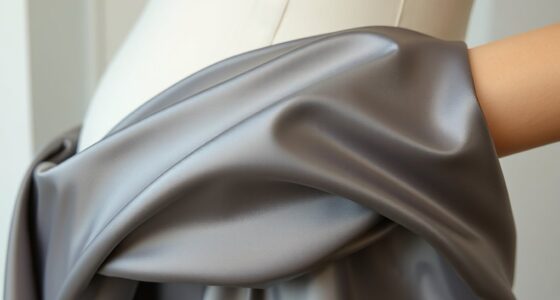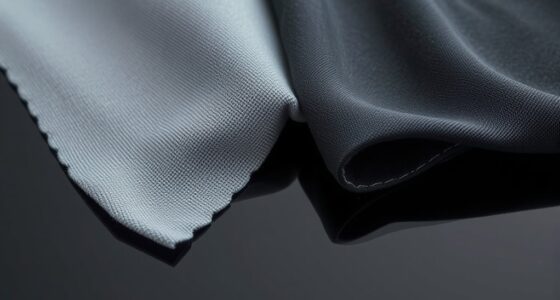
Natural fibers like cotton and wool come from plants and animals, offering eco-friendliness and biodegradability, but they can be less durable and sensitive to pests and decay. Synthetic fibers such as polyester and nylon are durable, resistant to moisture, and easier to care for, but they are non-biodegradable and often energy-intensive to produce. Your choice depends on whether you prioritize sustainability, durability, or ease of maintenance; explore further to see which suits your needs best.
Listen free for 30 days with Audible
Thousands of audiobooks and originals — cancel anytime.
As an affiliate, we earn on qualifying purchases.
Key Takeaways
- Natural fibers are eco-friendly and biodegradable but may be less durable and require more care than synthetics.
- Synthetic fibers offer high durability, elasticity, and resistance to moisture, stains, and environmental damage.
- Natural fibers are renewable and produced with lower energy use, while synthetics are petroleum-based and energy-intensive.
- Synthetics are generally more cost-effective and easier to manufacture at scale compared to natural fibers.
- The choice depends on priorities like sustainability, durability, cost, and maintenance requirements.
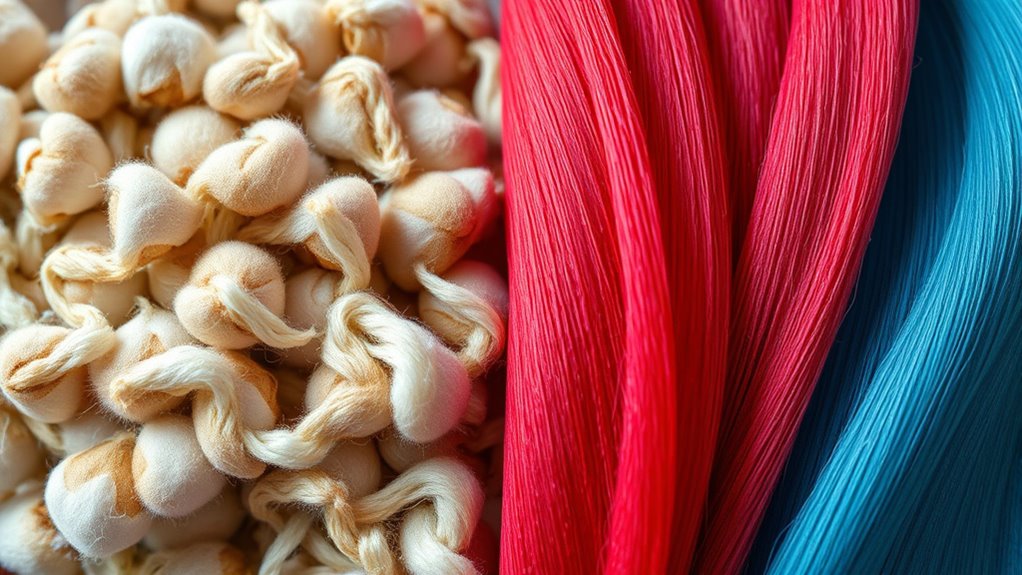
Have you ever wondered how natural fibers like cotton and wool compare to synthetic ones like polyester and nylon? When choosing fabrics, understanding their differences can influence your decisions, especially if you’re concerned about environmental impact. Natural fibers are often seen as eco friendly alternatives because they come from renewable sources, like plants and animals, and tend to biodegrade more easily. Cotton, for example, is grown without the need for complex manufacturing processes, making it a popular sustainable choice. Wool, derived from sheep, offers natural insulation and durability. However, the production of natural fibers isn’t without challenges. Farming cotton consumes significant water and often relies on pesticides, which raises environmental concerns. Wool production can involve ethical issues related to animal welfare, and both natural fibers can be vulnerable to pests or decay, limiting their lifespan.
Natural fibers like cotton and wool are eco-friendly but face challenges like water use and ethical concerns.
On the other hand, synthetic fibers like polyester and nylon are made through chemical processes, typically from petroleum-based raw materials. They are praised for their durability, elasticity, and resistance to moisture and stains. These qualities make synthetic fibers highly versatile and cost-effective, often resulting in lower prices for consumers. Yet, despite their convenience, synthetic fibers pose environmental challenges. They are not biodegradable, contributing to long-lasting pollution, especially when washed, as tiny microplastics shed into waterways. Manufacturing synthetic fibers also involves energy-intensive processes, which can produce greenhouse gases, adding to their environmental footprint. This is a major obstacle in adopting synthetic fabrics as eco friendly alternatives, despite their durability.
You should also consider that natural fibers tend to require less energy during production, making them a more sustainable option overall. But, natural fibers can be more difficult to process and manufacture because they often need special handling to maintain quality and prevent damage. The manufacturing challenges of natural fibers include controlling pests, ensuring consistent fiber quality, and reducing resource consumption during cultivation. Meanwhile, synthetic fibers benefit from standardized manufacturing methods that allow for large-scale production with uniform properties. Still, the environmental costs of these processes are significant, which complicates their status as truly eco friendly alternatives.
In the end, your choice depends on what you value most—whether it’s sustainability, durability, cost, or ease of care. Both natural and synthetic fibers have their pros and cons, and understanding these differences helps you make more informed decisions for your clothing, home textiles, or other fabric needs.
As an affiliate, we earn on qualifying purchases.
Frequently Asked Questions
How Do Natural and Synthetic Fibers Impact Environmental Sustainability?
Natural fibers positively impact environmental sustainability because they’re biodegradable and come from renewable resources, reducing long-term waste. Synthetic fibers, however, often persist in the environment, contributing to pollution. You benefit from choosing natural fibers as they break down faster and have a lower ecological footprint. While synthetic options may offer durability, their environmental impact makes natural fibers a more eco-friendly choice in comparison, supporting sustainability efforts.
Which Fibers Are More Resistant to UV Damage?
Synthetic fibers generally offer better UV resistance and fiber durability compared to natural fibers. If you’re looking for materials that withstand prolonged sun exposure without degrading, synthetic options like polyester and acrylic are your best choice. They resist UV damage effectively, maintaining their strength and appearance over time. Natural fibers tend to degrade faster under UV rays, so they’re less suitable for outdoor use unless treated specifically for UV protection.
Are There Health Concerns Associated With Synthetic Fibers?
Yes, there are health concerns with synthetic fibers. You might experience allergic reactions, especially if you have sensitive skin, as some fibers can cause irritation. Additionally, chemical exposure during manufacturing or from residues in the fabric can pose risks. It’s wise to wash new synthetic clothing thoroughly and choose high-quality options to minimize potential health issues. Being aware of these factors helps you make safer choices when selecting fabrics.
How Do Fiber Costs Compare Over the Product’s Lifespan?
Over a product’s lifespan, synthetic fibers often prove more cost-efficient due to their durability and resistance to wear. You’ll likely spend less on replacements and maintenance, making them a smarter choice for long-term use. In a longevity comparison, synthetic fibers tend to last longer without fading or fraying, saving you money. Natural fibers, while sometimes cheaper initially, may require frequent replacements, increasing overall costs over time.
Can Natural Fibers Be Modified for Better Durability?
Did you know natural fibers like cotton and wool can be treated to improve their durability by up to 50%? You can enhance their durability through fiber treatment processes, which strengthen fibers and resist wear and tear. These durability enhancements make natural fibers more resilient, allowing them to last longer and perform better in various applications, so you get the benefits of eco-friendliness without sacrificing longevity.
Conclusion
Understanding the differences between natural and synthetic fibers helps you make better choices for your needs. Natural fibers are biodegradable and eco-friendly, while synthetics offer durability and versatility. Did you know that over 60% of clothing worldwide contains synthetic fibers? This highlights their widespread use and environmental impact. By weighing the pros and cons, you can select fibers that align with your values and lifestyle, making mindful decisions for both your wardrobe and the planet.
Flea & tick season Picks
flea and tick prevention
As an affiliate, we earn on qualifying purchases.