
TL;DR

Get your wardrobe favorites delivered free with Prime
- Fast, free delivery on millions of items
- Prime Video, Amazon Music and more included
- Member-only deals all year
A Highsnobiety column examines Chanel Arts & Culture, a free 300-page magazine launched in June 2025, alongside other fashion-house publications. The report argues that these magazines can serve both brand-building goals and readers interested in art and print, while questions about their audience and impact remain open.
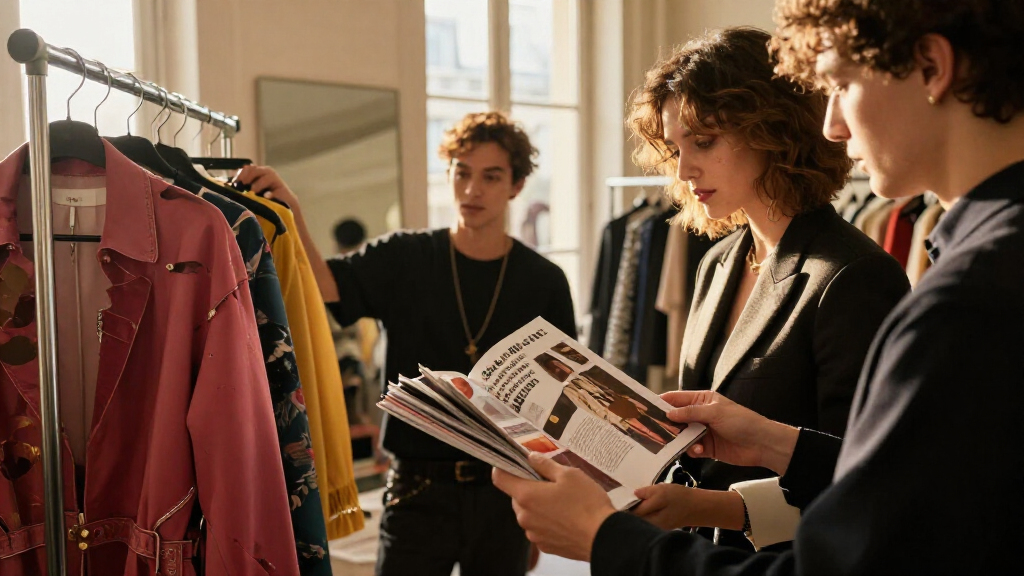
Chanel’s free, 300-page Arts & Culture magazine is part of a wider push by luxury fashion houses to publish and support cultural work, according to a new Highsnobiety column by Chris Erik Thomas. The column describes a muted response to the magazine’s second volume at one bookstore, raising a broader question about who these brand-funded publications reach and how they combine cultural content with marketing.
The second volume features artist Cindy Sherman in a 16-page spread of self-portraits wearing pieces from Chanel’s Patrimoine archive. It also includes original lyrics by Patti Smith for recipients of Chanel’s Next Prize, along with artist profiles, essays and conversations. The inaugural issue, published the previous year, marked five years of Chanel partnerships with artists and cultural institutions and featured figures including Tilda Swinton and Hans Ulrich Obrist.
Chanel launched the magazine in June 2025 as part of its Culture Fund. Thomas reports that it is overseen by Yana Peele, the brand’s President of Arts, Culture, & Heritage, rather than the house’s creative director. The column describes the publication as little known: when the writer asked for it at a bookstore, a salesperson did not recognize the title despite copies being nearby, and the writer says copies remained available three days later. That is an individual observation, not a measure of the magazine’s overall readership.
The column places Chanel among fashion companies with established or recent publishing projects. Hermès has produced its free, biannual Le Monde d’Hermès since 1973 in 11 languages. Acne Studios has published Acne Paper on and off since 2005. Bottega Veneta helped fund the 2022 relaunch of Butt as its sole advertiser and issues free fanzines alongside runway collections. Dior Magazine, a quarterly mix of original photography, campaign images and archival material, began in 2012.
Fashion Houses Build Cultural Reach
These publications show how luxury houses can extend their presence beyond clothing and seasonal collections. A magazine can place a brand alongside artists, writers and cultural institutions, shaping how readers encounter the label even when they are not buying its products. Thomas frames this as a bid for brands to become cultural tastemakers, not simply sellers of fashion.
The approach can also make cultural material available at no charge. Thomas argues that a free magazine offers value to readers who may not be able to afford luxury goods, even as the publication serves the house’s broader image-making goals. The tension is central: the content may have artistic merit, while its funding and distribution remain part of a brand’s communications strategy. The column does not establish how much influence these projects have or whether readers see them primarily as cultural publications or marketing.
Popular right now

Ninja Luxe Café Premier 3-in-1 Espresso Machine, Drip Coffee & Cold Brew

LG C2 Series 65-Inch OLED evo 4K Smart TV (OLED65C2PUA, 2022)

KitchenAid Artisan Series 5-Quart Tilt-Head Stand Mixer, Dried Rose (KSM150PS)
As an affiliate, we earn on qualifying purchases.
A Long History of Brand Publishing
Fashion-backed print is not new. The examples in the column range from Hermès’ publication, dating to 1973, to Acne Paper’s intermittent run beginning in 2005 and Dior Magazine’s launch in 2012. The projects vary in format and frequency, from a multilingual biannual magazine to collection-linked fanzines and a quarterly publication.
The publishing activity sits alongside fashion companies’ support for cultural institutions. In the past year covered by the column, Chanel signed a three-year extension of its sponsorship of Hong Kong’s M+ museum; Louis Vuitton signed a three-year funding deal with New York’s Frick Collection; and Bulgari announced a partnership with the Venice Biennale covering its next three editions. These arrangements help explain why the magazine is presented as part of a broader cultural strategy, rather than an isolated print experiment.
““this magazine exists almost in a vacuum””
— Chris Erik Thomas, Highsnobiety columnist
Audience and Impact Remain Unknown
The column provides no circulation figures, readership data or research on how readers respond to Chanel Arts & Culture or the other publications it names. The bookstore account suggests the magazine was not widely recognized in one location, but it cannot establish how well the issue is known elsewhere or who reads it.
It is also unclear how Chanel measures the publication’s success, what role it plays in the Culture Fund’s wider work, or how readers distinguish editorial material from brand promotion. The source describes the magazine’s contents and the company’s cultural activity but does not report a response from Chanel about audience, distribution or objectives.
Future Issues and Partnerships
Chanel’s second volume is available through bookstores, according to Thomas’s account, but the source does not give a release schedule for another issue or detail how widely copies are distributed. The company’s broader arts partnerships also continue on separate timelines, including the reported three-year extension with M+.
Further circulation information or comment from the brands could clarify whether these publications reach audiences beyond print enthusiasts and existing luxury customers. For now, the confirmed picture is a set of varied publishing and sponsorship projects, with their readership and measurable effects largely unreported.
Key Questions
What is Chanel Arts & Culture?
It is a free, 300-page print magazine launched in June 2025 as part of Chanel’s Culture Fund. Its second volume includes a Cindy Sherman spread, essays, artist profiles and original lyrics by Patti Smith for Chanel’s Next Prize recipients.
Who oversees the Chanel magazine?
According to the Highsnobiety report, the publication is overseen by Yana Peele, Chanel’s President of Arts, Culture, & Heritage.
Which other fashion brands publish magazines?
The column cites Hermès’ Le Monde d’Hermès, Acne Studios’ Acne Paper, Bottega Veneta’s collection-linked fanzines and Dior Magazine. Their formats and publication histories differ.
How many people read these magazines?
The source provides no circulation or readership figures. The writer’s bookstore visit is a personal observation and does not show how many people read the publications overall.
Source: highsnobiety.com