
TL;DR

Get your wardrobe favorites delivered free with Prime
- Fast, free delivery on millions of items
- Prime Video, Amazon Music and more included
- Member-only deals all year
A Who What Wear report outlines five ways to style familiar fall staples differently: pair black jeans with silk, try brown denim, add a long coat, use a scarf at the waist and wear open-toe mules with a trench. The advice is a styling roundup, not evidence of a measured trend across the fashion industry.
Who What Wear’s fall 2026 styling report recommends five small ways to make familiar wardrobe basics feel current, from wearing silk with black jeans to pairing a trench coat with open-toe mules. The piece argues that reworking items such as jeans, T-shirts and sweaters can refresh an outfit without replacing an entire wardrobe; it presents styling suggestions, not survey data or evidence that shoppers broadly are adopting them.
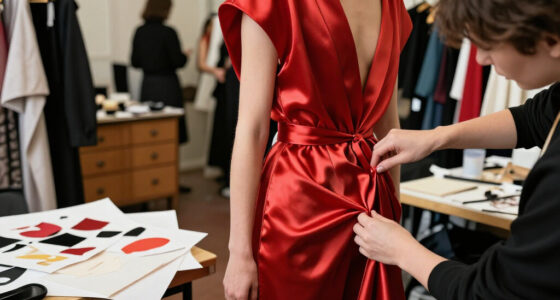
The first suggestion pairs black jeans with silk, such as a fluid button-down or blouse. The report says the contrast between casual denim and a glossy fabric can make a simple outfit feel more considered. A silk scarf can add another texture, though the article does not prescribe a particular way to wear it for this combination.
For a fitted long-sleeve shirt, the article recommends switching the denim color rather than adding more layers: tan, camel or brown jeans provide a warmer alternative to classic blue. Its third idea keeps the familiar jeans-and-T-shirt combination but adds a long statement coat, with length, silhouette or texture doing the visual work.
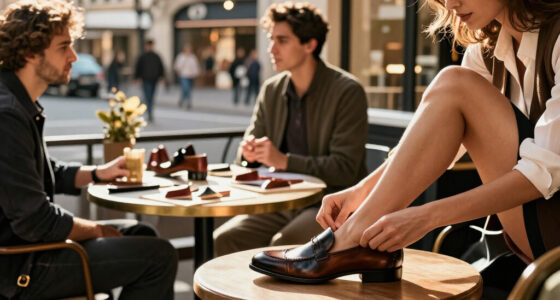
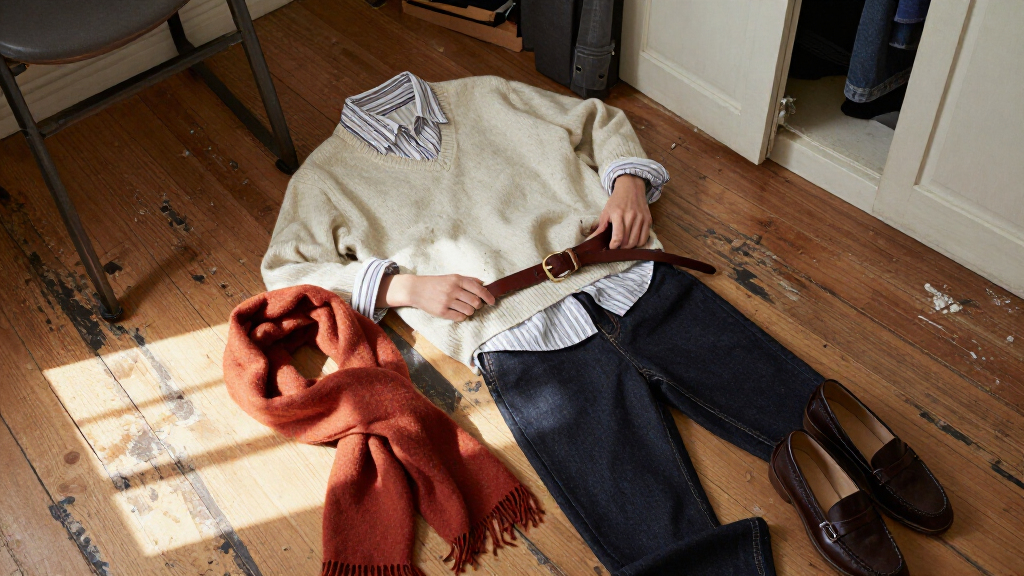
The other two updates focus on accessories and footwear. A triangle scarf tied around the waist can accompany a sweater and relaxed black trousers; matching the scarf to the sweater is offered as a way to create a tonal look. With a trench, the report suggests choosing one with a softer collar, wearing it over a boxy white T-shirt and mid-rise jeans, and swapping expected ankle boots or heels for open-toe mules.
Refreshing Basics Without Replacing Them
The advice centers on restyling rather than shopping for a full new wardrobe. That can give readers practical options for using clothes they already own, while also identifying where a single addition—such as a long coat, silk scarf or different shoe—could change the feel of an outfit. The report does not establish that these choices save money in every case; some suggestions involve buying new items, and the source lists products alongside its styling ideas.
Its broader value is in showing how small contrasts can shape an outfit: soft against structured, casual against polished, familiar against unexpected. Readers can treat the five looks as prompts rather than rules, adapting them to their own comfort, climate and wardrobe. The article offers no claim that one silhouette or shoe works for everyone.
As an affiliate, we earn on qualifying purchases.
The Five Looks in the Report
The source is a Who What Wear fashion report titled “The Fashion Crowd Is Styling Their Basics Differently This Fall—5 Small Changes Making a Big Impact.” It focuses on five staples—black jeans, a fitted long-sleeve shirt, jeans with a T-shirt, a sweater and a trench coat—and pairs each with a proposed styling adjustment for fall 2026.
The article’s framing is that wardrobe basics remain useful across seasons, while changes in color, texture, proportion or accessories can make them feel different. It supplies examples and product listings, but no named street-style survey, sales figures or independent trend research. Accordingly, “the fashion crowd” is the report’s characterization rather than a quantified finding about what people are wearing.
““making an outfit feel current has less to do with buying an entirely new wardrobe and more to do with rethinking how those familiar staples are styled.””
— Who What Wear
How Broad Is the Styling Shift?
The source does not say how many people are following these looks or provide data showing that they are widespread. It also does not identify specific designers, retailers or street-style observers as evidence for the phrase “the fashion crowd.” The recommendations should be understood as editorial styling guidance, not confirmed measurements of consumer behavior.
Practical details remain individual: the source does not assess comfort, weather suitability, price or availability for the suggested pieces. It also does not provide a single set of rules for adapting the combinations to different preferences or budgets.
Putting the Suggestions to Use
The report gives readers five combinations to try through the fall: add silk to black denim, choose brown-toned jeans, layer a long coat over a tee and jeans, tie a triangle scarf at the waist with a sweater, or pair a trench-and-denim outfit with open-toe mules. A reader can start with pieces already in their closet and test one change at a time.
No follow-up data or later milestone is provided in the source. Whether these ideas become more widely adopted, or remain editorial suggestions, is not yet established.
Key Questions
What are the five fall styling changes?
Who What Wear suggests pairing black jeans with silk, wearing a fitted long-sleeve shirt with tan or brown denim, adding a long statement coat to jeans and a T-shirt, tying a triangle scarf at the waist with a sweater and black trousers, and wearing open-toe mules with a trench and denim.
Does the report show that these looks are widely popular?
No. It describes the ideas as ways the fashion crowd is styling basics, but supplies no survey, street-style count or sales data to measure how widespread the looks are.
Do these suggestions require buying new clothes?
Not necessarily. The report’s main premise is to reconsider familiar staples, though some examples add a statement coat, silk scarf or different footwear. Readers can adapt the ideas using items they already own.
Which denim color does the article recommend beyond blue?
For a fitted long-sleeve shirt, it proposes tan, camel or rich brown denim as an alternative to classic blue jeans.
Source: rss
Halloween Picks
halloween
As an affiliate, we earn on qualifying purchases.