To spot greenwashing in sustainable fabrics, start by checking for credible certifications like GOTS or Fair Trade. Look for transparency in sourcing and production processes—authentic brands won’t shy away from sharing details. Be wary of vague marketing jargon and misleading labels that lack clear definitions. Genuine brands embrace extensive sustainability, addressing all aspects instead of focusing on one. By understanding these key points, you can make informed choices that align with your values. There’s more to uncover about this topic.

Get your wardrobe favorites delivered free — and shop member deals
- Fast, free delivery on millions of items
- Access to Prime Big Deal Days deals on October 6–7
- Prime Video, Amazon Music and more included
Key Takeaways
- Look for reputable certifications like GOTS and Fair Trade to ensure authenticity in sustainable fabrics.
- Avoid brands using vague marketing terms without clear definitions or sourcing information.
- Check for transparency in supply chains and production processes to identify genuine eco-friendly commitments.
- Be wary of brands that emphasize one sustainability aspect while ignoring others, indicating potential greenwashing.
- Read product labels carefully and inquire about origins and labor practices to assess brand ethics.
GOTS certified organic cotton clothing
As an affiliate, we earn on qualifying purchases.
As an affiliate, we earn on qualifying purchases.
What Are Sustainable Fabrics and Why Do They Matter?
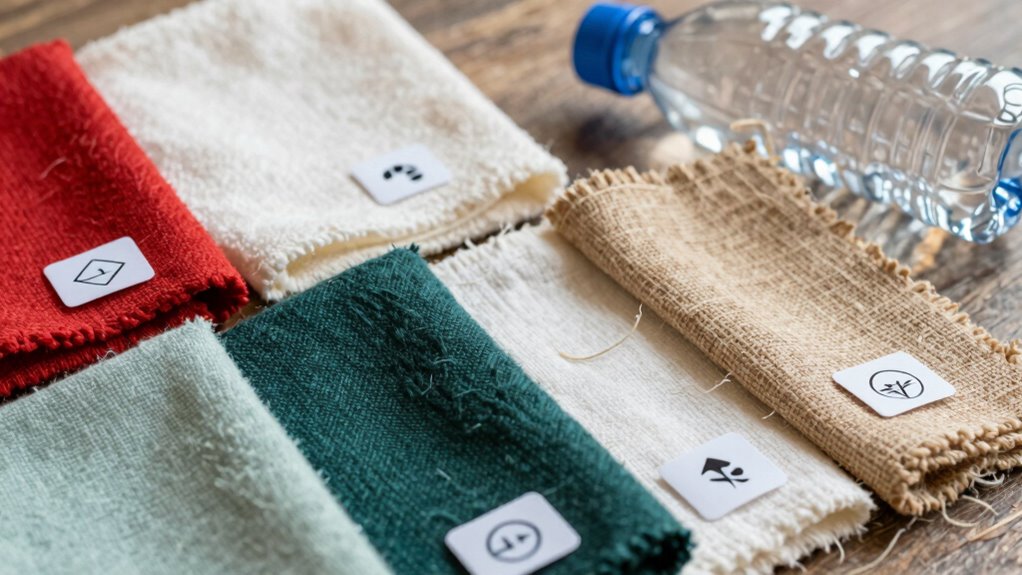
Sustainable fabrics are more than just materials; they represent a shift toward eco-friendly practices in the fashion industry. When you choose sustainable materials, you’re supporting a healthier planet. These eco-friendly textiles are made from renewable resources, minimizing environmental impact during production. They often use less water and energy, reducing your carbon footprint. By opting for these fabrics, you not only wear something stylish but also contribute to a more sustainable future. It’s essential to understand why these choices matter. In a world where fast fashion dominates, embracing sustainable options helps combat pollution, waste, and unethical labor practices. You have the power to make a difference, one garment at a time, by prioritizing eco-friendly textiles in your wardrobe.
Key Types of Sustainable Fabrics to Consider
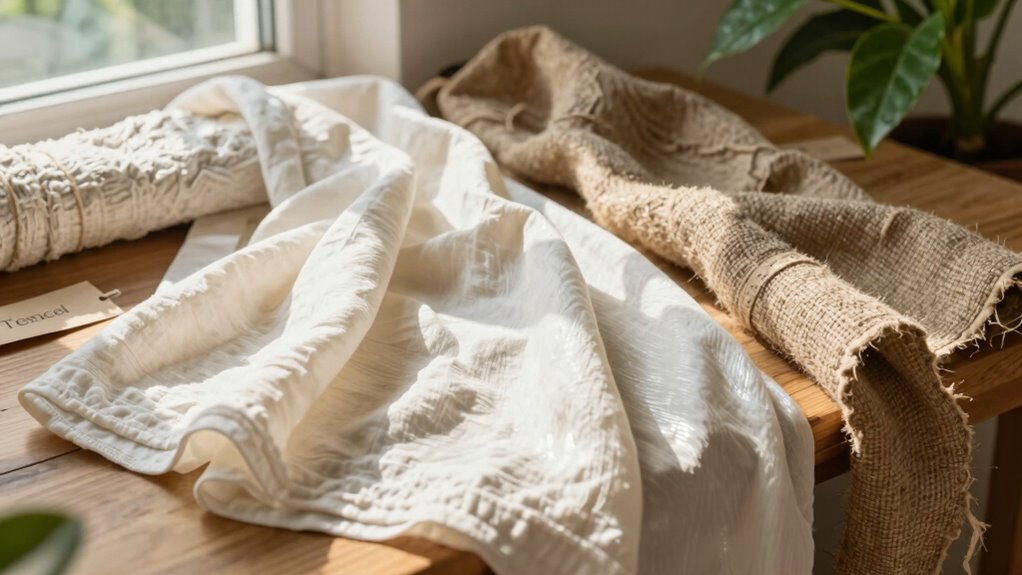
When you’re exploring eco-friendly fashion, knowing the key types of sustainable fabrics can help you make informed choices. Here’s a quick comparison of some popular options:
| Fabric Type | Benefits |
|---|---|
| Organic Cotton | Grown without harmful pesticides |
| Recycled Polyester | Reduces plastic waste |
| Hemp Linen | Strong, biodegradable, low water use |
| Tencel Lyocell | Made from sustainably sourced wood |
| Bamboo Fabric | Fast-growing, biodegradable |
| Sustainable Silk | Produced ethically, eco-friendly |
| Eco Friendly Denim | Made with organic or recycled materials |
| Organic Wool | Animal-friendly, renewable |
Choosing any of these fabrics not only supports sustainable practices but also enhances your wardrobe with unique and stylish options.
Understanding Fabric Certifications: What Do They Mean?
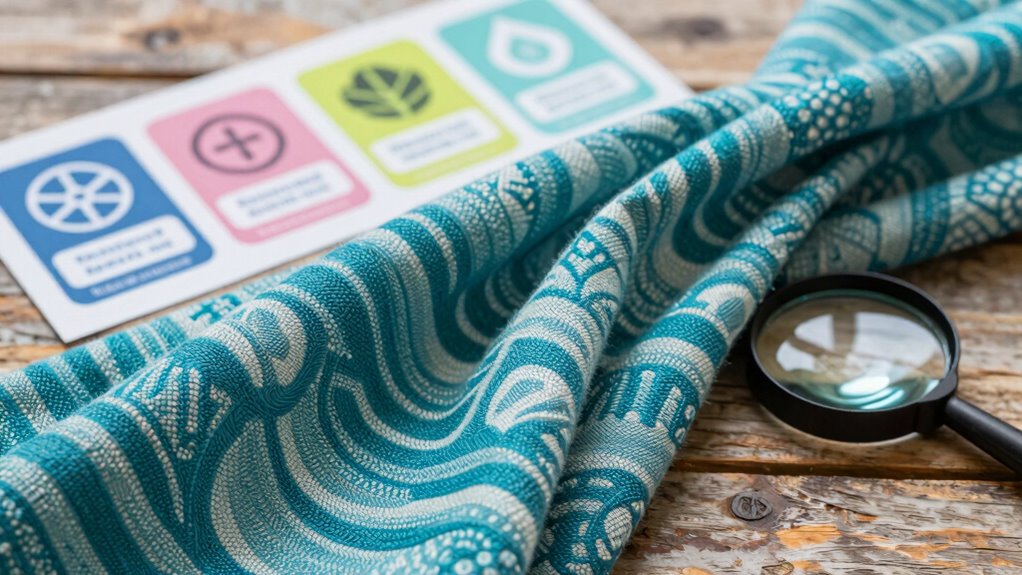
When you’re shopping for sustainable fabrics, understanding certifications can be a game changer. These labels often indicate key standards and practices that promote transparency in the industry. Knowing what each certification means helps you make informed choices that align with your values.
Common Fabric Certifications
Understanding fabric certifications can feel overwhelming, but they’re essential for making informed choices about sustainable materials. Look for certifications that indicate sustainable sourcing, like organic cotton or hemp fabrics, which guarantee environmentally friendly practices. Recycled polyester is another great option, reducing waste by repurposing materials. Tencel applications often use eco-friendly dyes and closed loop systems, minimizing environmental impact. Additionally, sustainable textile innovations such as 3D printing in textiles are emerging, further enhancing eco-friendly production methods. Incorporating smart irrigation systems can also help conserve water usage in the gardening process. Bamboo textiles can be biodegradable, making them a great choice for eco-conscious consumers. Additionally, fair trade certifications guarantee ethical labor practices, giving you peace of mind about the people behind the products. By recognizing these certifications, you can confidently choose fabrics that align with your values and contribute to a more sustainable future. Incorporating sustainable gifting practices into your purchasing decisions can further enhance your positive impact on the environment.
Key Certification Standards
As you immerse yourself in fabric certifications, it’s crucial to grasp what the various standards really mean. Certifications like GOTS, OEKO-TEX, and Fair Trade hold significant certification importance, ensuring that fabrics are produced under ethical sourcing practices. GOTS confirms organic fiber content and strict environmental criteria, while OEKO-TEX tests for harmful substances, promoting safety for consumers. Fair Trade certification guarantees fair wages and safe working conditions for producers. These certifications not only enhance your fabric choices but also support sustainable practices in the industry. By understanding these key standards, you can make informed decisions that align with your values, reducing the risk of falling for greenwashing. Keep an eye out for these labels when shopping for fabrics.
Importance of Transparency
Transparency in fabric certifications is essential because it empowers you to make informed choices about your purchases. When brands share clear information about their supply chain and ethical sourcing practices, you can better assess their commitment to sustainability. This transparency fosters consumer awareness, allowing you to distinguish between genuine efforts and greenwashing tactics. You’ll know which certifications truly reflect responsible practices and which don’t. Additionally, holding brands accountable for their claims encourages them to improve their standards, promoting a more sustainable fashion industry. By prioritizing transparency, you not only support ethical brands but also contribute to a marketplace that values integrity and responsible sourcing. Your choices can drive change, making a real difference in the industry.
How to Identify Authentic Eco-Friendly Brands
Sure! Here’s your revised article subheading content:
—
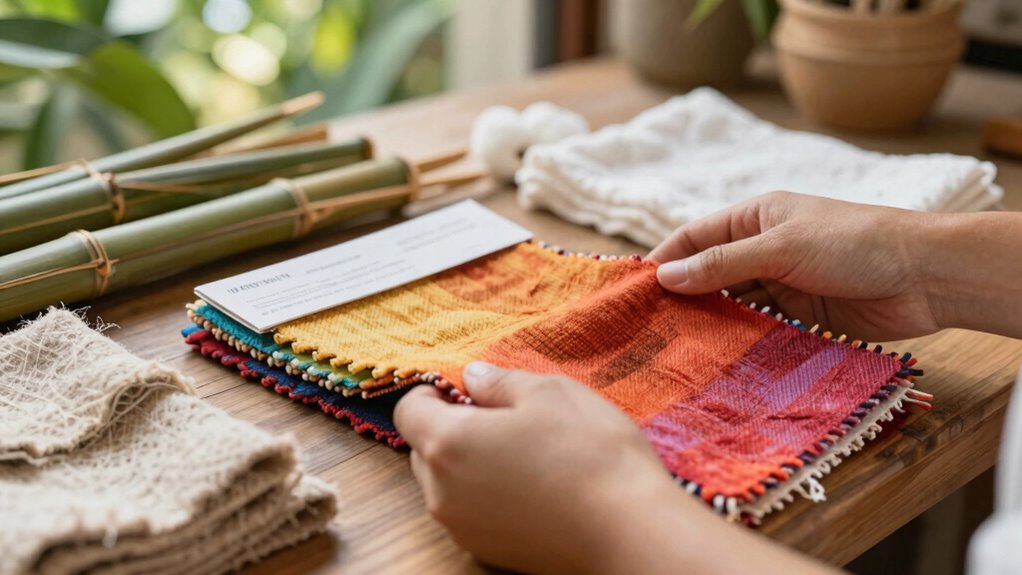
How can you tell if a brand is truly eco-friendly? Start by checking their commitment to ethical sourcing. Look for certifications like GOTS or Fair Trade, which indicate responsible practices. Brands that prioritize consumer education often share detailed information about their materials and production processes. Additionally, consider how they incorporate sustainable practices into their product offerings, such as using eco-friendly materials in their designs. A focus on nutritional information can also be a sign that a brand values transparency and consumer health. Many eco-friendly brands actively engage in innovative practices that minimize their environmental impact, demonstrating a genuine commitment to sustainability. For instance, brands utilizing recycled plastics in their products exemplify a sustainable approach that supports environmental conservation. Furthermore, brands that celebrate halal culture often incorporate ethical practices that resonate with their commitment to sustainability.
Here’s a quick checklist to help you spot authentic brands:
| Criteria | What to Look For | Red Flags |
|---|---|---|
| Ethical Sourcing | Certifications, transparency | Lack of sourcing info |
| Material Quality | Organic, recycled fabrics | Use of vague terms |
| Consumer Education | Clear product details | No information available |
—
Let me know if you need anything else!
Why Transparency Matters in Sustainable Fabrics
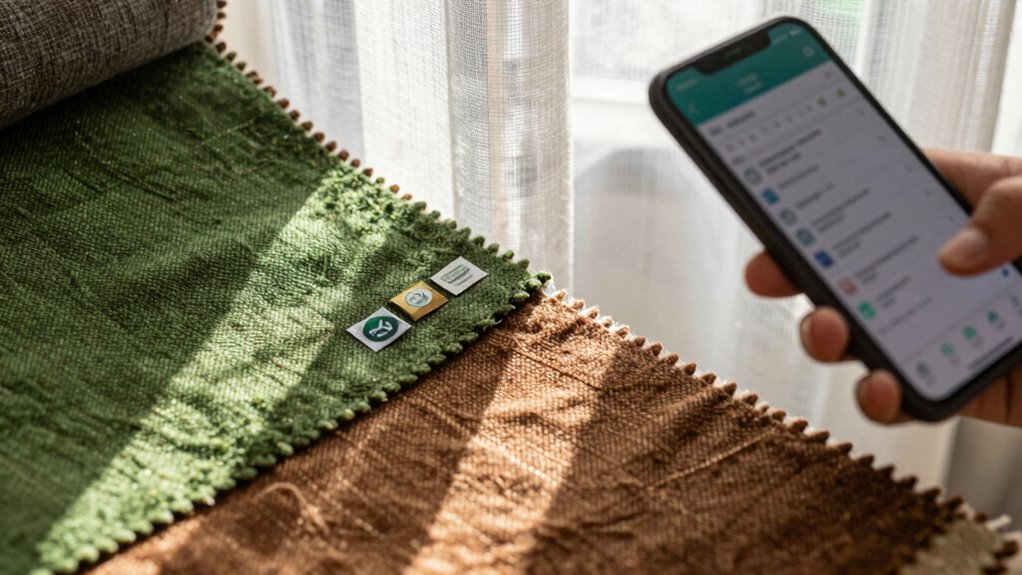
When you choose sustainable fabrics, transparency is key. You want to know where materials come from and whether they meet established certifications and standards. This traceability not only builds trust but also guarantees that your choices truly support eco-friendly practices.
Traceability of Materials
While many consumers seek sustainable fabrics, understanding the traceability of materials is essential for making informed choices. You want to know where your fabrics come from and how they’re made. This means looking into material sourcing and ensuring it aligns with your values. Ethical production doesn’t just stop at the fabric; it extends to every step in the supply chain. When brands provide transparent information about their materials, you can feel confident that they’re not greenwashing. Ask questions about the origin of the fibers and the labor practices involved. By prioritizing traceability, you support companies committed to sustainable practices, making a positive impact on both the environment and the people involved in production. Additionally, focusing on ergonomics and wellness can enhance your overall experience with sustainable textiles. Choose wisely!
Certifications and Standards
Certifications and Standards (Why Transparency Matters in Sustainable Fabrics)
Understanding certifications and standards is essential for anyone looking to make sustainable fabric choices. These certifications reflect a fabric’s compliance with industry standards and environmental regulations. By exploring certification history, you can identify which labels genuinely represent ethical practices versus those that may be greenwashing. Increased consumer awareness drives demand for transparency, pushing brands to adopt global initiatives that promote sustainability. Always look for educational resources that explain what these certifications mean and their significance in the industry. As future trends emerge, staying informed about certifications will help you make smarter choices and support brands committed to genuine sustainable practices. Ultimately, knowing what’s behind the label empowers you to shop responsibly and sustainably. Furthermore, understanding the impact of acoustic drum shields can help you appreciate how sustainability is integrated across various industries, including textiles. Additionally, recognizing ethical sourcing practices can further enhance your ability to discern truly sustainable products in the market. Moreover, the integration of solar technology into various industries illustrates the growing importance of sustainability across sectors. For instance, just as high refresh rates improve visual experiences in projectors, high-quality materials can significantly enhance the performance and durability of sustainable fabrics. Furthermore, the emphasis on transparency in private equity showcases how financial markets are increasingly prioritizing ethical practices, influencing broader industry trends.
Red Flags of Greenwashing to Watch For
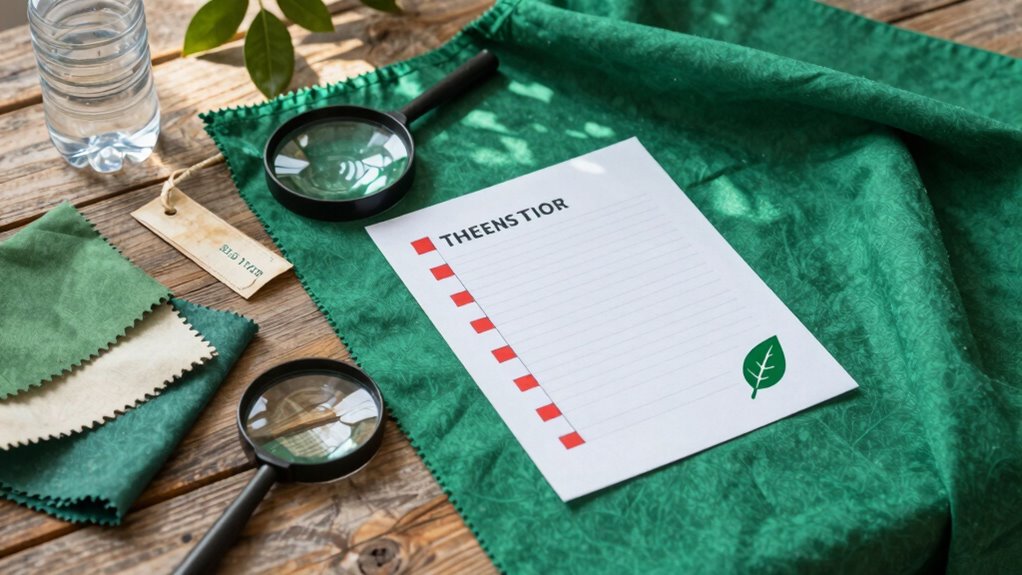
How can you tell if a brand is genuinely committed to sustainability or just trying to cash in on eco-friendly trends? Watch out for these red flags of greenwashing:
| Red Flag | What It Means |
|---|---|
| Misleading Labels | Claims that lack certification |
| Vague Marketing Jargon | Buzzwords without clear definitions |
| Overemphasis on One Aspect | Ignoring other sustainability factors |
| Lack of Brand Transparency | No information on sourcing or processes |
| Unsubstantiated Eco Claims | Claims not backed by data or proof |
Stay alert to these greenwashing tactics, and don’t let flashy eco-friendly claims fool you. Seek brands that prioritize transparency and offer clear evidence of their sustainability efforts.
How Life Cycle Assessments Measure Fabric Sustainability
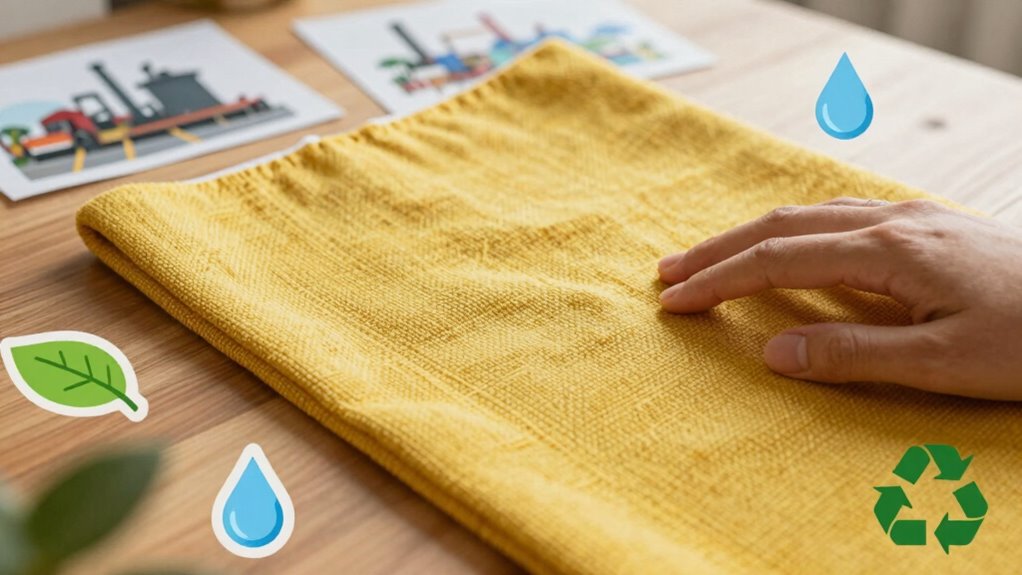
When you consider fabric sustainability, Life Cycle Assessments (LCAs) are essential tools. They evaluate key life cycle stages, from production to disposal, while analyzing the environmental impact at each step. Understanding this process helps you make informed choices about the fabrics you use.
Key Life Cycle Stages
Life cycle assessments (LCAs) play an essential role in evaluating fabric sustainability by examining key stages from raw material extraction to end-of-life disposal. You’ll want to start by looking at the sourcing of materials. Fabrics made from recycled materials reduce waste and lower environmental impact. Additionally, incorporating hydroponic methods can lead to innovative fabric sourcing from sustainable agricultural practices. Furthermore, understanding the importance of long-term financial planning can help support investments in sustainable fabrics. In this context, Universal Basic Income can provide financial stability, making it easier for consumers to choose sustainable options. Next, consider the production phase, where factors like energy use and chemical treatments come into play. Sustainable practices here can greatly enhance a fabric’s overall sustainability; adopting renewable energy sources during production can further minimize the carbon footprint. Then, don’t forget about the use phase; biodegradable options can help minimize landfill contributions. Finally, evaluate the disposal stage. Fabrics that can be composted or recycled contribute to a circular economy, reducing waste and promoting sustainability. Understanding these stages helps you make informed choices. Incorporating sustainable practices in your fabric selection can lead to a healthier planet.
Environmental Impact Assessment
While evaluating fabric sustainability, an Environmental Impact Assessment (EIA) provides essential insights into the ecological footprint of textiles. This assessment involves a thorough impact evaluation, examining every stage of a fabric’s life cycle. From material sourcing to production, use, and disposal, each phase contributes to its overall sustainability. Additionally, understanding the impact of deep cleaning fabrics can help consumers make more informed choices about their textile purchases.
Assessing Brand Practices Beyond Fabrics
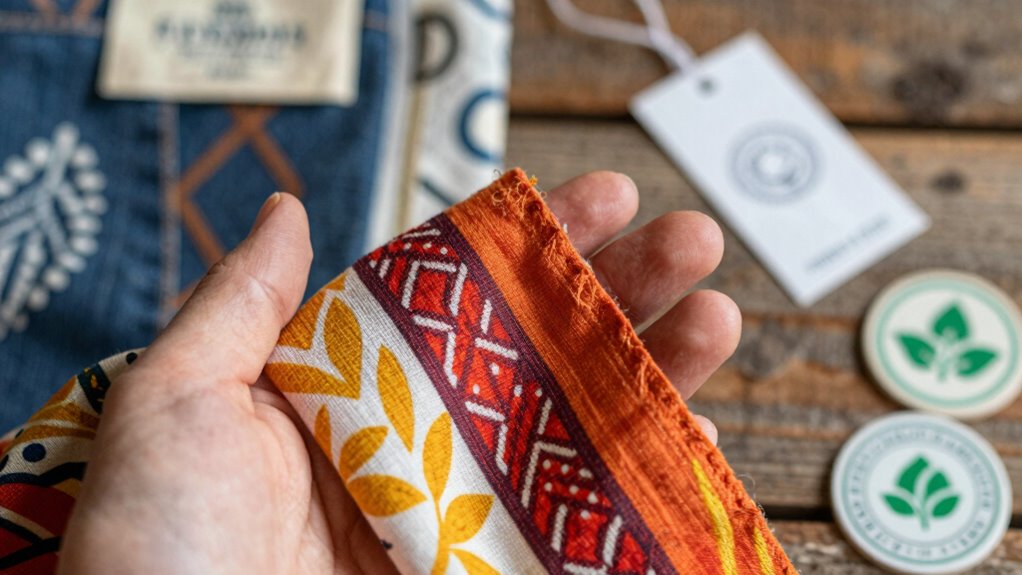
As you explore sustainable fabrics, it’s essential to assess brand practices beyond just the materials they use. Look into their brand ethics and how they manage their supply chain. Are they transparent about sourcing? Do they prioritize fair labor practices? Understanding these aspects gives you a clearer picture of their sustainability efforts. Additionally, consider how brands ensure data protection to safeguard consumer privacy in their operations. Creating a safe environment for consumers is also an important aspect of ethical business practices. Moreover, emerging trends in digital publishing highlight the significance of accountability and innovation in brand communications.
| Criteria | Questions to Ask | Red Flags |
|---|---|---|
| Brand Ethics | How do they guarantee fair wages? | Lack of third-party audits |
| Supply Chain | Is sourcing local a priority? | Vague supply chain details |
| Environmental Impact | What’s their waste management? | No clear sustainability goals |
| Community Engagement | Do they support local initiatives? | Ignoring local communities |
| Transparency | Are sustainability reports available? | No accessible information |
Evaluating these factors helps you distinguish genuine efforts from greenwashing.
The Impact of Local Sourcing on Sustainability
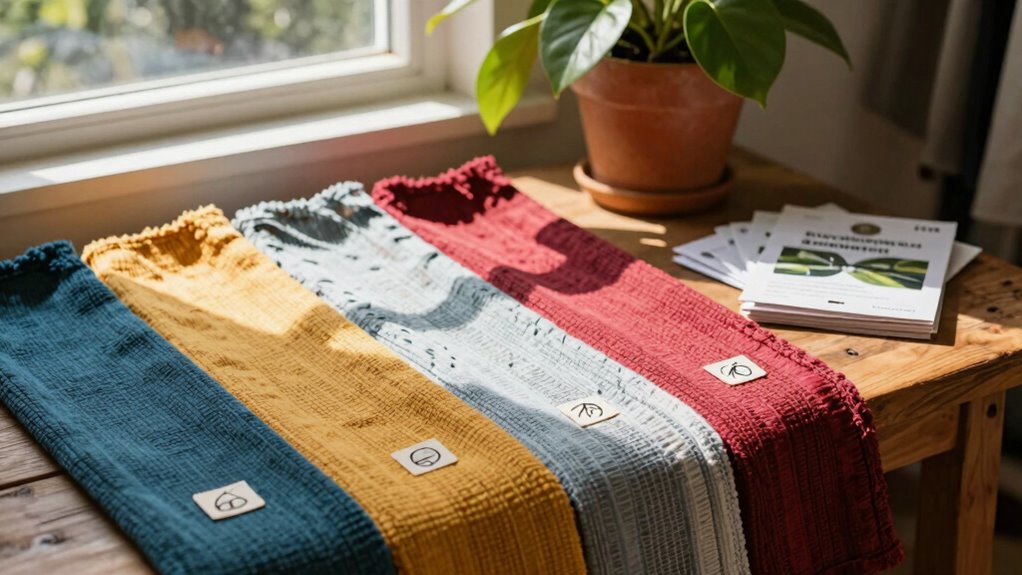
Local sourcing can greatly enhance sustainability by reducing transportation emissions and supporting regional economies. When you choose locally produced textiles, you’re not just cutting down on the environmental footprint; you’re also bolstering community benefits. By focusing on ethical sourcing, you guarantee that workers in your region are fairly compensated, which has a positive economic impact. A shorter supply chain means less reliance on distant resources, making it easier to track the origins of materials. This transparency fosters trust and encourages responsible practices. Ultimately, local production helps create a more resilient economy, empowering communities to thrive while minimizing environmental harm. Additionally, sourcing materials locally can promote independence and dignity for local artisans, further enhancing the positive impact of your fabric choices. Remember, choosing sustainable practices can significantly influence both environmental health and local economies, so when shopping for fabrics, consider the ripple effect your choices can have on both the planet and your local economy.
Tips for Making Informed Choices When Shopping for Textiles

How can you make informed choices when shopping for textiles? Start by researching brands that prioritize ethical sourcing. Look for certifications like GOTS or Fair Trade, which indicate sustainable practices. Pay attention to materials; natural fibers like organic cotton or Tencel are often more eco-friendly than synthetics.
Next, increase your consumer awareness by reading labels and understanding what they mean. Don’t hesitate to ask questions about a product’s origins, production methods, and labor practices.
Finally, support companies that are transparent about their processes. Your choices can drive change in the industry, encouraging more brands to adopt sustainable practices. With a little effort, you can make a positive impact while enjoying stylish, sustainable textiles.
Frequently Asked Questions
How Can I Recycle or Dispose of Sustainable Fabrics Properly?
To recycle or dispose of sustainable fabrics properly, start by checking for local fabric recycling programs. Many communities offer eco-friendly disposal options for textiles. You can also donate gently used items to thrift stores or charities. If the fabric’s too worn, look for specialized recycling facilities that accept textiles. By taking these steps, you guarantee that your sustainable fabrics are handled responsibly, reducing waste and supporting environmental efforts.
What Are the Environmental Impacts of Synthetic Fabrics?
Synthetic fabrics have significant environmental impacts. They contribute to microfiber pollution, releasing tiny fibers into waterways with every wash, harming marine life. Additionally, their production relies heavily on oil, leading to fossil fuel depletion and greenhouse gas emissions. The entire lifecycle of synthetic fabrics—from production to disposal—often results in pollution and waste. By choosing alternatives, you can help reduce these harmful effects on the planet and promote a more sustainable future.
Can Sustainable Fabrics Be Stylish and Trendy?
Absolutely, sustainable fabrics can be both stylish and trendy! You’ll find that eco-friendly fashion is evolving, with designers embracing sustainable design to create stunning pieces. From chic dresses made from organic cotton to sleek jackets crafted from recycled materials, there’s no shortage of fashionable options. By choosing these fabrics, you not only look great but also support a healthier planet. So, go ahead and express your style sustainably!
How Do I Educate Others About Sustainable Fabrics?
You can educate others about sustainable fabrics by sharing their benefits, like reduced environmental impact and better durability. Host workshops or discussions where you highlight these advantages and the importance of consumer awareness. Use social media to spread facts and tips on identifying sustainable materials. Encourage friends to ask questions and explore brands that prioritize eco-friendly practices. When people understand the positive impact, they’re more likely to make informed choices in their purchases.
Are There Affordable Options for Sustainable Textiles?
Yes, there are affordable options for sustainable textiles! You can find eco-friendly brands that offer budget-friendly choices without compromising quality. Look for organic cotton, recycled materials, or hemp, which are often cheaper than conventional fabrics. Check out local thrift stores or online marketplaces, too; they often carry sustainable options at lower prices. By choosing these affordable alternatives, you’re making a positive impact on the environment while keeping your budget in check.
Conclusion
As you navigate the fabric jungle, remember to arm yourself with knowledge. Spotting greenwashing is like finding a needle in a haystack, but with the right tools, you can cut through the noise. By prioritizing transparency, certifications, and local sourcing, you can weave a wardrobe that’s not only stylish but also kind to the planet. Stay vigilant, trust your instincts, and let your choices ripple out positive change in the textile world.
Fall Picks
fall essentials
As an affiliate, we earn on qualifying purchases.