Discover the top five innovative eco-friendly fabrics shaping sustainable fashion. These include plant-based dyes that offer vibrant colors with minimal pollution, biodegradable fibers made from algae and agricultural waste, recycled waste textiles, lab-grown materials like vegan leather, and textiles infused with natural antimicrobial properties. These fabrics combine style, durability, and environmental responsibility, helping you make greener choices. Stay with us to explore how each of these materials is transforming the industry and what you can expect next.
Key Takeaways
- Biodegradable fibers from algae, agricultural waste, and organic materials offer eco-friendly alternatives to synthetic fabrics.
- Plant-based dyes and natural pigments enable vibrant, long-lasting colors while reducing water and chemical use.
- Innovative textiles like mushroom leather and lab-grown fabrics provide sustainable, cruelty-free options for fashion.
- Recycled and waste-derived fibers help close the loop in fashion, minimizing landfill and microplastic pollution.
- New textile technologies focus on combining durability, aesthetics, and eco-friendliness to meet consumer demand for sustainable fashion.
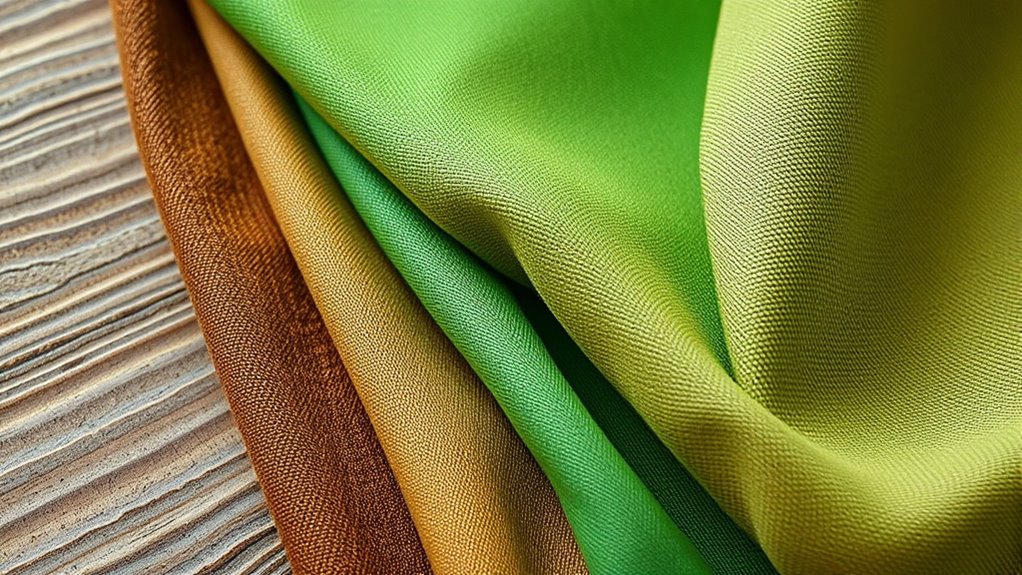
Have you ever wondered how fashion can be both stylish and sustainable? The good news is that innovative fabrics are making it easier than ever to enjoy trendy clothing while reducing your environmental impact. One exciting development is the rise of sustainable dyeing techniques. Traditional dyeing processes often involve toxic chemicals and massive water consumption, but new methods are changing the game. Sustainable dyeing harnesses plant-based dyes, natural pigments, or even recycled waste to color fabrics without harming the environment. These eco-friendly dyes not only minimize pollution but also offer vibrant, long-lasting colors that don’t fade easily. By choosing garments made with sustainable dyeing processes, you support a cleaner planet and a healthier future for fashion.
Another groundbreaking area is the use of biodegradable fibers. Unlike conventional synthetic fibers, which can take hundreds of years to break down, biodegradable fibers naturally decompose once discarded. These fibers are often derived from renewable resources like algae, agricultural waste, or other organic materials. When you opt for clothing made from biodegradable fibers, you’re participating in a circular economy that reduces landfill waste and curtails microplastic pollution. This shift is essential because synthetic fabrics like polyester shed microfibers during washing, contaminating oceans and harming marine life. Research indicates that incorporating biodegradable fibers can significantly lessen environmental harm and promote sustainability in the fashion industry. This is because biodegradable fibers, on the other hand, break down safely over time, returning nutrients to the soil and lessening environmental harm.
The appeal of these fabrics isn’t just ecological—they also bring innovation to design and comfort. Many biodegradable fibers mimic the softness and durability of traditional textiles, making them suitable for a wide range of fashion pieces. Meanwhile, sustainable dyeing techniques allow designers to experiment with bold, natural hues that appeal to eco-conscious consumers. This synergy creates stylish, environmentally responsible clothing that doesn’t compromise on quality or aesthetics.
As you explore eco-friendly fashion, you’ll find that choosing garments made from fabrics produced with sustainable dyeing and biodegradable fibers isn’t just a statement—it’s a lifestyle change. It encourages brands to adopt cleaner manufacturing practices and pushes the industry toward more sustainable innovation. By making mindful choices, you help reduce the environmental footprint of fashion and promote a future where style and sustainability go hand in hand. So, whether you’re shopping for everyday wear or special pieces, keep an eye out for these cutting-edge fabrics—they’re shaping the future of fashion, one eco-friendly thread at a time.
biodegradable algae fabric clothing
As an affiliate, we earn on qualifying purchases.
As an affiliate, we earn on qualifying purchases.
Frequently Asked Questions
How Do Eco-Friendly Fabrics Compare in Durability to Traditional Fabrics?
Eco-friendly fabrics generally have comparable durability to traditional fabrics, thanks to advancements in industrial testing. While some eco-friendly options may initially seem less durable, many are now engineered for excellent fabric longevity, resisting wear and tear over time. You can confidently choose sustainable fabrics, knowing they meet rigorous durability standards, ensuring your garments last longer and maintain their quality, all while supporting eco-conscious choices.
Are Eco-Friendly Fabrics Suitable for All Types of Clothing?
Eco-friendly fabrics are quite versatile and suit many clothing types, thanks to their fabric versatility and fashion compatibility. You can use them for casual wear, activewear, or even formal outfits, depending on the material and design. While some eco fabrics may have specific care needs, they generally work well for various styles, allowing you to create sustainable fashion choices without sacrificing style or functionality.
What Is the Cost Difference Between Eco-Friendly and Conventional Fabrics?
They say, “You get what you pay for,” and that’s true with eco-friendly fabrics. The cost comparison shows they’re often more expensive than conventional textiles due to sustainable sourcing and eco-conscious production. However, an affordability analysis reveals long-term savings through durability and eco benefits. While initial costs may be higher, investing in eco-friendly fabrics can pay off by reducing environmental impact and promoting sustainable fashion choices.
How Sustainable Are the Production Processes of These Fabrics?
You’ll find that the production processes of these fabrics are quite sustainable, especially when they meet strict certification standards like GOTS or OEKO-TEX. Supply chain transparency ensures you know where and how materials are sourced, reducing environmental impact. While some processes are more eco-friendly than conventional methods, always check for certifications to confirm the sustainability claims, making certain you’re supporting truly responsible fabric choices.
Can Eco-Friendly Fabrics Be Recycled or Reused Easily?
You can generally recycle or reuse eco-friendly fabrics, but recycling challenges often arise due to mixed materials or special finishes that complicate the process. Some fabrics have high reuse potential, allowing you to repurpose garments or donate them for extended use. To maximize sustainability, check fabric labels and recycling guidelines, as not all eco-friendly fabrics are equally easy to recycle or reuse. Your effort helps reduce waste and supports eco-conscious fashion.

Men's Green Blue Tie Dye Shirt Adult Hippies Tie-Dyed Tshirt Outfit Short Sleeve Tee Clothes Size XL
COMFORTABLE FIT: Tie Dye T-Shirt, made from polyester fabric, delivers softness and comfort, making it ideal for continuous…
As an affiliate, we earn on qualifying purchases.
As an affiliate, we earn on qualifying purchases.
Conclusion
By choosing fabrics like mushroom leather or recycled ocean plastics, you’re helping reduce waste and protect the planet. Imagine walking into a boutique where every garment is made from innovative, eco-friendly materials—like a jacket crafted from algae-based fibers that’s both stylish and sustainable. Your choices matter, so embrace these fabrics and make a difference with every outfit. Together, we can turn fashion into a force for positive change.
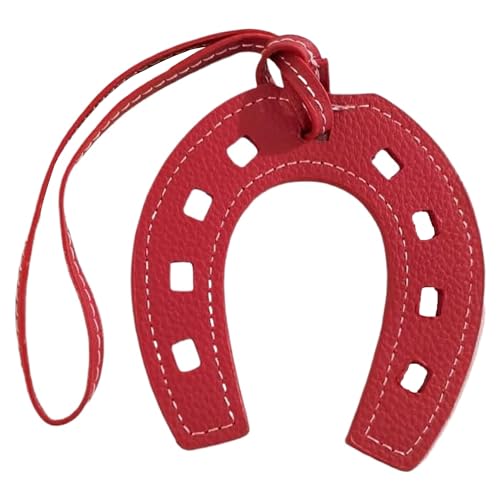
GGOOB Cute Keychain Y2k Accessories Vegan Leather Bag Charms for Handbag Hanging Ornament Aesthetic 2024 Trendy (Red,One Size)
Material:Artificial leather
As an affiliate, we earn on qualifying purchases.
As an affiliate, we earn on qualifying purchases.

Textile Restoration & Upcycle Project Log: A Structured Planner for Garment Alterations, Visible Mending, and Sustainable Slow Fashion
As an affiliate, we earn on qualifying purchases.
As an affiliate, we earn on qualifying purchases.