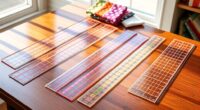
Switching to solar power in your dye house can drastically cut CO₂ emissions while lowering energy costs. By harnessing renewable energy, you reduce reliance on fossil fuels and promote sustainable production. Solar energy also boosts your business’s eco-friendly reputation and appeals to environmentally conscious clients. Plus, with government incentives and long-term savings, it’s a smart investment. Keep exploring how solar can transform your operations and set your business apart.
Key Takeaways
- Solar-powered dye houses significantly reduce CO₂ emissions by replacing fossil fuels with renewable energy.
- Implementing solar energy cuts operational costs and minimizes environmental impact in dye production.
- Utilizing solar energy enhances sustainability credentials, attracting eco-conscious clients and boosting market competitiveness.
- Strategic solar integration improves energy resilience and efficiency, supporting long-term business growth.
- Transitioning to solar aligns dye houses with global climate goals, promoting eco-friendly manufacturing practices.

Many dye houses are now turning to solar power to reduce their environmental impact and cut costs. This shift is part of a broader move toward renewable practices that emphasize sustainability and responsible resource use. By harnessing the sun’s energy, you can substantially decrease your reliance on fossil fuels, which not only lowers your carbon footprint but also encourages a more sustainable production process. Solar power offers a practical way to enhance energy efficiency in your operations, ensuring you get the most out of every kilowatt generated while minimizing waste.
Many dye houses adopt solar power to boost sustainability and reduce costs.
Implementing solar energy in your dye house isn’t just about installing panels; it’s about transforming your approach to energy management. With renewable practices, you can optimize your energy consumption patterns, such as scheduling high-energy tasks during peak sunlight hours. This proactive approach allows you to maximize the benefits of your solar system, reducing your overall energy costs and making your business more resilient to fluctuating energy prices. As you adopt these practices, you’ll notice a steady decrease in your dependence on grid electricity, which often comes from non-renewable sources.
Your commitment to energy efficiency through solar power also aligns with growing consumer demand for environmentally responsible brands. Customers increasingly prefer companies that prioritize sustainability, and your investment in renewable energy can serve as a powerful marketing tool. Highlighting your use of solar power and eco-friendly practices reassures clients that you’re dedicated to reducing pollution and conserving resources. This not only enhances your brand image but also differentiates your dye house in a competitive market.
Switching to solar power can seem intimidating at first, but the long-term benefits far outweigh the initial investment. You’ll see savings on your energy bills, and the system’s low maintenance requirements make it a practical choice for the long haul. Additionally, many governments offer incentives, tax credits, and grants to support renewable energy projects, making the transition more affordable. As you integrate solar into your operations, you contribute to global efforts to combat climate change by cutting CO₂ emissions one batch at a time. Incorporating renewable energy sources like solar power further demonstrates your commitment to sustainable manufacturing practices.
Incorporating renewable practices like solar energy isn’t just an environmentally conscious decision; it’s a smart business move. It boosts your energy efficiency, cuts costs, and aligns your brand with sustainability values that resonate with today’s eco-aware consumers. As you lead your dye house toward renewable energy use, you’re not only making a positive impact on the planet but also paving the way for a more resilient and forward-thinking enterprise.

Sunnytech 0.5w 5v 100ma Mini Small Solar Panel Module DIY Polysilicon Solar Epoxy Cell Charger B016
DIY YOUR OWN SMART MODEL—-Build your own powered models, solar toys, solar lights, solar displays, charging small DC…
As an affiliate, we earn on qualifying purchases.
As an affiliate, we earn on qualifying purchases.
Frequently Asked Questions
How Long Does It Take for a Dye House to Become Fully Solar-Powered?
It varies depending on your dye house’s size, energy needs, and installation efficiency. Typically, it takes a few months to fully shift to solar power once planning and permits are complete. During this period, you’ll install solar panels, consider energy storage options, and connect systems. Keep in mind, solar panels usually last 25-30 years, so investing now ensures long-term energy savings and sustainability for your dye house.
What Are the Initial Costs of Installing Solar Panels in Dye Houses?
When considering the initial costs of installing solar panels, you should account for installation costs, which vary based on system size and location. Solar incentives can substantially reduce your expenses, making it more affordable. Typically, installation costs range from $10,000 to $50,000 for dye houses, but incentives and tax credits can lower this upfront investment, helping you save on long-term energy costs and lowering your CO₂ footprint.
How Do Solar-Powered Dye Houses Handle Peak Dyeing Demand Periods?
During peak dyeing demand periods, you handle energy fluctuations through demand management and energy storage solutions. You may use battery systems or thermal storage to balance loads, ensuring continuous operation without overloading your solar capacity. By proactively managing demand, you optimize solar energy use, reduce reliance on grid power, and maintain efficiency. This approach helps you cut CO₂ emissions while meeting high production needs smoothly and sustainably.
What Are the Maintenance Requirements for Solar Systems in Dye Houses?
Taking care of your solar system is like tending a delicate garden. You’ll want to follow regular cleaning schedules to keep panels shining bright and maximize efficiency. Periodic inverter inspections help guarantee everything runs smoothly behind the scenes. While maintenance isn’t demanding, staying proactive prevents potential issues, allowing your dye house to operate seamlessly and sustainably, all while reducing your carbon footprint one batch at a time.
Can Existing Dye Houses Retrofit to Include Solar Energy Solutions?
You can definitely retrofit your existing dye house with solar energy solutions. While solar integration offers significant benefits, you’ll face retrofit challenges like space limitations and system compatibility. To succeed, evaluate your facility’s electrical needs, roof condition, and available sunlight. Working with experienced solar installers guarantees a smooth retrofit process, helping you cut CO₂ emissions and boost sustainability without major disruptions.
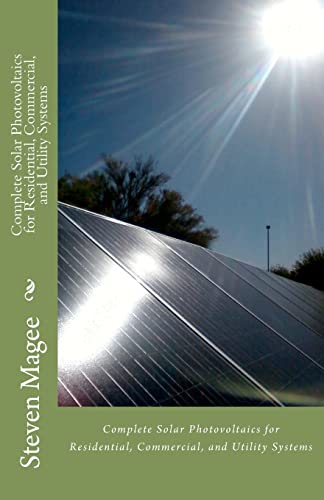
Complete Solar Photovoltaics for Residential, Commercial, and Utility Systems
As an affiliate, we earn on qualifying purchases.
As an affiliate, we earn on qualifying purchases.
Conclusion
By switching to solar power, dye houses substantially reduce their carbon footprint, making a real difference. Did you know that a single solar panel can save up to 100 tons of CO₂ over its lifetime? Imagine how much cleaner our environment could be if more dye houses followed suit. Embracing solar energy isn’t just good for the planet—it’s a smart move for your business, helping you cut costs and lead the way toward a sustainable future.

Solar Light Control Panel Kit 1.2V Solar Light Control Board Charging PCB Solar Lawn Lamp Control Board Set with Instruction Manual
[HIGH DRIVING EFFICIENCY] This solar light control panel features high driving efficiency and long discharge time, providing a…
As an affiliate, we earn on qualifying purchases.
As an affiliate, we earn on qualifying purchases.

Go Power Overlander-E 200W Solar Expansion Kit – 12V Panels, MC4 Connectors for Easy Integration, Ideal for Expanding Factory Installed 200W Go Power! RV Solar Panels and Overlander Kits
Easy Installation: The Go Power! Overlander-E 200W Expansion Kit features a simple setup with no complex wiring, making…
As an affiliate, we earn on qualifying purchases.
As an affiliate, we earn on qualifying purchases.