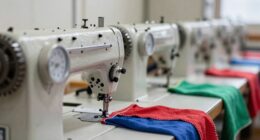
When you discard clothes, they often end up in landfills or are incinerated, causing environmental harm and resource loss. Fast fashion accelerates this problem by encouraging overproduction and quick disposal. Many garments sit in landfills for years, releasing toxins, or are burned, polluting the air. Some waste is exported overseas, adding to ecological issues elsewhere. If you want to understand how these impacts can be reduced, keep exploring the solutions available.
Key Takeaways
- Discarded clothes often end up in landfills or incinerators, contributing to environmental pollution.
- Exported textile waste can cause ecological harm in destination countries.
- Recycling textiles transforms old garments into new materials, reducing landfill overload.
- Many clothes are donated or repurposed, but a significant amount still becomes waste.
- Overproduction and fast fashion drive the surge in discarded clothing worldwide.
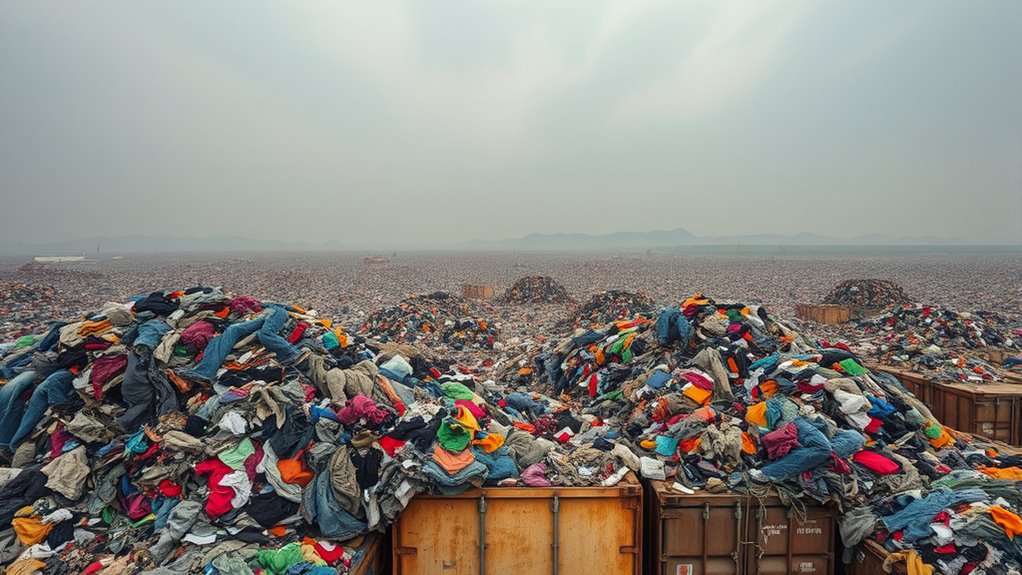
The textile industry is facing a mounting crisis as millions of tons of clothing and fabric waste pile up each year. This growing problem stems from fast fashion trends, overproduction, and changing consumer tastes. As a result, vast amounts of discarded clothes end up in landfills, incinerators, or are exported overseas, often causing environmental harm. But you can make a difference by understanding the role of sustainable recycling and how your consumer behavior influences the waste cycle.
Sustainable recycling offers a way to give new life to old textiles, reducing the need for virgin materials and curbing pollution. Instead of throwing away clothes, you can opt for recycling programs that transform worn-out garments into new fabrics, insulation, or cleaning materials. Many brands now incorporate recycled fibers into their collections, encouraging a circular economy where waste becomes a resource. By supporting these initiatives, you’re helping to lessen landfill overload and promote environmentally friendly practices.
Recycling textiles transforms waste into new materials, supporting eco-friendly fashion and reducing landfill overload.
Your consumer behavior profoundly impacts the fate of discarded clothes. When you buy less and choose quality over quantity, you lessen the demand for fast fashion items that quickly become waste. Repairing or repurposing clothes extends their lifespan, delaying disposal. Additionally, donating unwanted garments to charities or recycling centers ensures they’re processed responsibly rather than ending up in landfills. Many communities now have textile recycling bins or programs that accept clothing for sustainable recycling, making it easier for you to participate in reducing waste.
Understanding the importance of sustainable recycling also involves recognizing the lifecycle of your clothes. Before discarding, ask yourself if the item can be donated, sold, or upcycled. When you do need to dispose of garments, look for local recycling options that break down textiles into raw materials. This way, your waste contributes to new products instead of environmental degradation. Your choices, from shopping habits to disposal methods, can drive change and help alleviate the textile waste crisis.
Ultimately, tackling this crisis requires collective effort, but your individual actions play a vital role. By being mindful of your consumer behavior and supporting sustainable recycling initiatives, you contribute to a more circular and sustainable textile industry. Small changes—like choosing durable clothes, recycling textiles, or supporting brands committed to eco-friendly practices—add up. Additionally, exploring innovative solutions like electric bikes can reduce reliance on fossil fuels in transportation, further decreasing environmental impact. Together, these efforts can help reduce the staggering amount of textile waste, protect ecosystems, and foster a more responsible approach to fashion consumption.
Frequently Asked Questions
How Can Consumers Reduce Textile Waste in Daily Life?
To reduce textile waste daily, you should focus on clothing donation and wardrobe organization. Regularly sort your clothes and donate items you no longer wear instead of discarding them. Keep your wardrobe organized to see what you truly need, avoiding unnecessary purchases. Buying quality pieces that last longer also helps. By making thoughtful choices and recycling clothes, you actively contribute to less waste and a more sustainable fashion cycle.
What Are the Most Sustainable Alternatives to Fast Fashion?
You should explore eco-friendly fabrics like organic cotton, hemp, or Tencel, which have less environmental impact. Embrace circular fashion by buying high-quality, timeless pieces that last longer and can be recycled or repurposed. Avoid fast fashion brands and look for secondhand shops or clothing swaps. These choices help reduce waste and promote sustainability, making your wardrobe more eco-conscious and aligned with sustainable practices.
How Effective Are Current Recycling Technologies for Textiles?
Like a skilled alchemist, current textile recycling technologies transform waste into new fibers through fiber recycling and chemical processing. While these methods are improving, they’re not perfect; some fibers degrade, and chemical processes can be energy-intensive. Though quite effective for certain fabrics, they still struggle with mixed fibers and delicate textiles. You can help by choosing brands that prioritize innovative recycling and sustainable manufacturing practices.
What Policies Are Governments Implementing to Address Textile Waste?
Governments are implementing policies like extended producer responsibility, making manufacturers responsible for waste management and recycling. They’re also enacting textile bans to reduce fast fashion and discard rates. These policies encourage sustainable practices, but their effectiveness varies. You can support these efforts by choosing eco-friendly brands and recycling clothes properly. Staying informed and advocating for stronger regulations helps push these policies forward, ultimately reducing textile waste and environmental impact.
Can Discarded Clothes Be Transformed Into New, Usable Products?
Yes, discarded clothes can be transformed into new, usable products through clothing upcycling and textile reuse. You can repurpose old garments into trendy bags, quilts, or even new clothing items, giving them a second life. Many companies now specialize in textile reuse, turning unwanted clothes into valuable products. This process reduces waste, conserves resources, and promotes sustainable fashion, allowing you to participate actively in minimizing the textile waste crisis.
Conclusion
You might not realize it, but every year, around 92 million tons of textile waste end up in landfills worldwide. This overflowing crisis highlights how discarded clothes contribute to environmental harm and resource depletion. By understanding where your old clothes go, you can make smarter choices—like recycling or donating. Small actions add up, so next time you toss a shirt, think about the massive impact your choices can have on reducing textile waste.