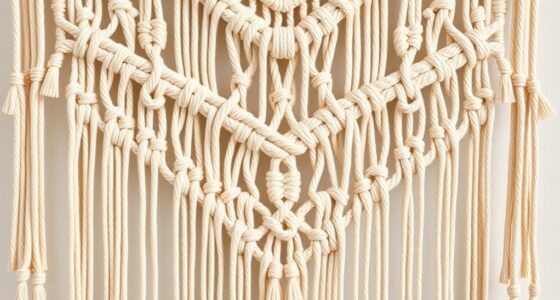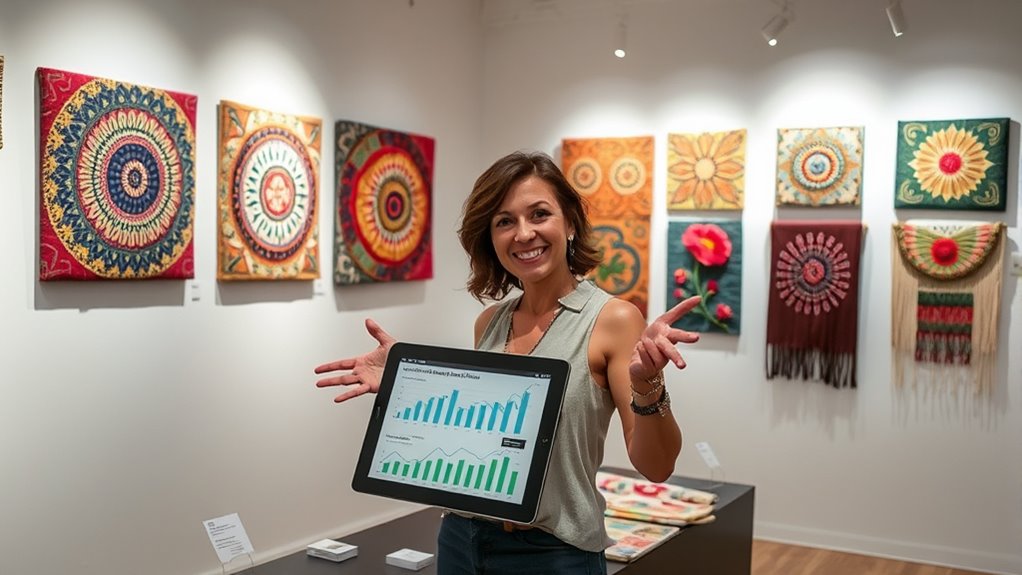

To sell your textile art successfully, set your prices based on market research, balancing value and affordability. Build a strong online presence by showcasing your work on social media and an optimized website, and engage with your audience through behind-the-scenes content. Participate in local shows and explore niche online marketplaces to expand your reach. Combining smart pricing strategies with targeted marketing can help you grow your business—discover more tips to boost your sales.

Get your wardrobe favorites delivered free — and shop member deals
- Fast, free delivery on millions of items
- Access to Prime Big Deal Days deals on October 6–7
- Prime Video, Amazon Music and more included
Key Takeaways
- Research market rates and consider piece complexity to set competitive, value-reflective prices.
- Build a strong online presence through social media and a professional website to reach wider audiences.
- Participate in local craft fairs and collaborate with boutiques to increase visibility and sales channels.
- Use targeted marketing strategies like email campaigns and niche marketplaces to promote your textile art.
- Regularly review sales data and feedback to adapt pricing, marketing, and branding for sustained growth.
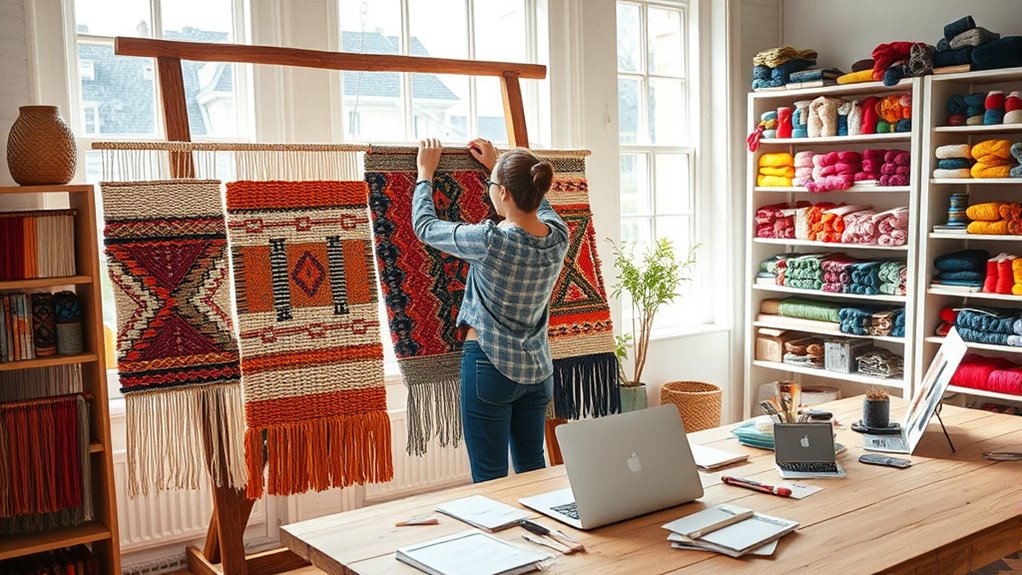
If you’re passionate about creating textile art, turning that passion into a successful business requires more than just talent. To make your work stand out and attract buyers, you need to develop effective pricing strategies and leverage the right marketing channels. Setting the right price isn’t just about covering your costs; it’s about understanding your market and the value your art provides. Research what similar artists charge and consider factors like the complexity of your pieces, your experience, and your target audience. Don’t underprice your work—doing so can undermine its perceived value—but also avoid overpricing, which may scare off potential buyers. Experiment with different pricing models, such as tiered pricing for different sizes or limited editions, to find what works best. Consistently reviewing and adjusting your prices based on feedback and sales data helps you stay competitive and profitable.
When it comes to marketing your textile art, choosing the right channels makes all the difference. Start by building an engaging online presence through social media platforms like Instagram, Pinterest, or Facebook, where visual content thrives. Share behind-the-scenes glimpses of your process, showcase finished pieces, and tell stories that connect with your audience. This personal touch can turn followers into loyal customers. Don’t forget to optimize your website or online shop with clear images, detailed descriptions, and easy checkout options. Email marketing is another powerful tool—collect email addresses at craft fairs or via your website to send updates, special offers, or new collections. Participating in local art shows, craft fairs, and collaborations with boutiques helps you reach new audiences in person, broadening your exposure beyond the digital sphere. Additionally, explore niche online marketplaces dedicated to handmade or textile art, where your work can be found by buyers specifically seeking unique pieces. Building a strong online presence is essential for expanding your reach and establishing credibility in the digital age.
Success in selling textile art hinges on a strategic combination of pricing and marketing. You need to price your work thoughtfully to reflect its value and appeal to your target market, while also using the right channels to showcase your talent. Consistency in your messaging and presentation builds recognition and trust, encouraging repeat customers and word-of-mouth referrals. Remember, it’s about creating a brand that resonates with your audience, making them see your textile art as both a beautiful investment and a reflection of your unique artistic voice. Stay adaptable, keep experimenting with different strategies, and stay committed to sharing your passion with the world. Your dedication will help transform your textile art from a craft into a thriving business.
As an affiliate, we earn on qualifying purchases.
Frequently Asked Questions
How Do I Price My Textile Artwork Effectively?
You should start by researching similar textile artworks to understand the market rates. Use pricing strategies like cost-plus pricing, considering your materials and time, and value assessment to reflect your skill and uniqueness. Remember to set a price that covers your expenses while also highlighting the value of your artistry. Regularly review and adjust your prices based on demand, feedback, and evolving skills to stay competitive and fair.
What Legal Considerations Should I Be Aware Of?
You should be aware of copyright issues, ensuring you own or have permission for all designs used in your textile art. Draft licensing agreements if you collaborate or sell through third parties, clarifying rights and usage. Always register your work if possible, and understand fair use laws. Consulting an intellectual property attorney helps protect your creations and avoid legal disputes, giving you peace of mind as you grow your business.
How Can I Build a Strong Online Presence?
Did you know 73% of artists find social media essential for visibility? To build a strong online presence, focus on consistent branding strategies across platforms like Instagram and Pinterest. Share your textile art process, tell stories behind each piece, and engage with followers regularly. Use high-quality images and relevant hashtags to reach a broader audience. By staying authentic and active, you’ll attract art lovers and potential buyers alike.
What Are the Best Marketing Strategies for Textile Art?
You should leverage social media to showcase your textile art, engaging followers with behind-the-scenes content and stories behind each piece. Attend gallery exhibitions to gain exposure and connect with collectors and curators. Collaborate with influencers and participate in art fairs to expand your reach. Consistently update your online presence with high-quality images, and maintain an active, authentic voice to attract a wider audience and boost sales.
How Do I Find Reliable Suppliers for Materials?
Start by seeking reputable references and reviews to find reliable suppliers for material sourcing. Build strong supplier relationships by communicating clearly and consistently, ensuring you get quality materials on time. Research local and online options, compare prices, and request samples to test durability. Trust your instincts, stay organized, and don’t hesitate to ask for referrals—these steps will help you secure dependable suppliers for your textile art business.
Conclusion
Now that you know how to showcase, price, and promote your textile art, it’s time to take action. Embrace the hustle, build your brand, and connect with your audience. Stay consistent, stay passionate, and let your creativity shine through every stitch. Remember, success comes from persistence, patience, and passion. Keep weaving your story, keep sharing your vision, and let your art transform not just your space, but your entire journey.
Fall Picks
fall essentials
As an affiliate, we earn on qualifying purchases.