To paint designs on fabric, start by choosing the right fabric paint and preparing your surface by washing and drying it. Use brushes or sponges for different effects, and secure your stencils or tape for precision. Apply thin, even layers of paint and let it dry completely. For durable results, heat set the design with an iron or dryer. Want to unbolt more techniques and tips? Keep exploring to turn your textiles into personalized art.

Get your wardrobe favorites delivered free with Prime
- Fast, free delivery on millions of items
- Prime Video, Amazon Music and more included
- Member-only deals all year
Key Takeaways
- Choose high-quality fabric paints and tools suitable for your design and fabric type.
- Prepare the fabric by washing, drying, and laying it flat on a protected surface for even application.
- Use stencils for sharp, repetitive patterns or freehand for organic, spontaneous designs.
- Apply paint in thin, even layers, allowing each layer to dry thoroughly before adding more.
- Set the design with heat using an iron or dryer, then wait for complete drying before washing.

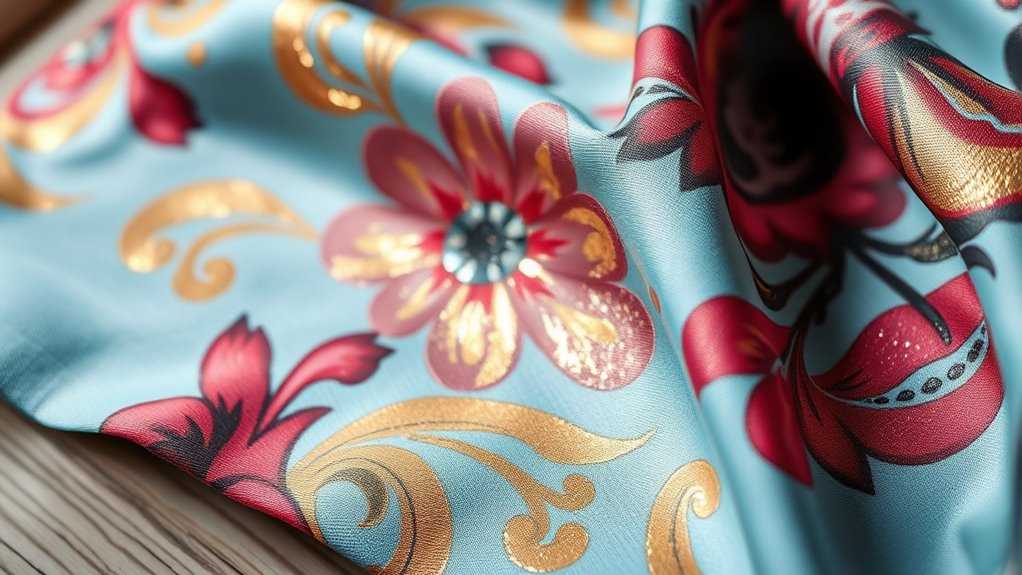
Have you ever wanted to personalize your clothing or home textiles? Fabric painting offers a fantastic way to express your creativity and make unique items that reflect your style. Whether you’re decorating a plain t-shirt, pillowcase, or tote bag, understanding fabric painting techniques can help you achieve professional-looking results. The key lies in mastering the right fabric painting tools and techniques to guarantee your designs stay vibrant and durable.
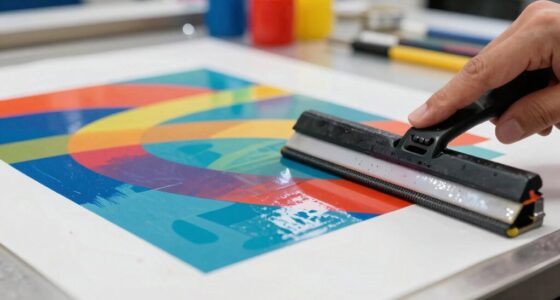
To start, you need to familiarize yourself with various fabric painting techniques. Some popular methods include stenciling, freehand painting, and creating resist effects. Stenciling is perfect for sharp, clean lines or repetitive patterns. You’ll use a stencil and fabric paint to carefully apply the design, making sure you press the paint evenly to avoid bleeding. Freehand painting allows for more organic, spontaneous designs; here, you carefully brush or sponge paint onto the fabric, creating curves and details as you go. Resist techniques, like using wax or a special resist medium, can add interesting textures or patterns that resist the dye or paint, giving your project a layered look.
Explore fabric painting techniques like stenciling, freehand, and resist for unique, vibrant designs.
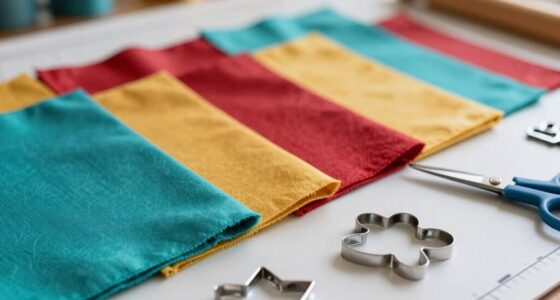
Before you start, gather your fabric painting tools. High-quality fabric paints are essential because they’re formulated to bond with fabric fibers, guaranteeing your design won’t crack or peel over time. Additionally, use brushes suited for fabric painting—flat brushes for broad areas and fine-tipped brushes for details. Sponges and foam brushes are great for creating texture and blending colors smoothly. You might also want to have a heat source, like an iron, to set the paint after you finish. This step helps lock in the design and makes it washable.
Preparation is vital. Always wash and dry your fabric before painting to remove any sizing or chemicals that could interfere with paint adhesion. Once clean, lay your fabric flat on a protected surface. If you’re working on clothing, turn it inside out to prevent paint from smudging or leaking through. Use painter’s tape or stencils to secure your design if you’re aiming for precision. When applying fabric paints, work in thin, even layers, and avoid overloading your brush, which can cause bleeding or uneven coverage.
Once you’re done, follow the instructions on your fabric paint for drying and setting. Usually, this involves letting the paint dry completely and then heat setting with an iron or in a dryer. This step guarantees your design withstands washing and wearing. Practicing different fabric painting techniques and experimenting with various fabric painting tools will improve your skills and help you develop your unique style. With patience and the right tools, you can transform simple textiles into personalized works of art that truly stand out.
Frequently Asked Questions
What Types of Fabric Are Best for Painting?
You should choose natural fabrics like cotton, linen, or silk for painting, as they accept fabric dyeing better and hold the paint well. Before you start, make sure to prepare your textile properly by washing and ironing it to remove any finishes that could interfere with adhesion. These steps guarantee your paint stays vibrant and lasts longer, giving your fabric painting a professional finish.
How Do I Prevent Colors From Bleeding?
Think of your fabric as a canvas waiting to come alive. To prevent colors from bleeding, you need proper fabric preparation and color fixation. Start by washing and drying your fabric to remove any residues. Use a fixative or set your paint with heat, like ironing, to lock in colors. This creates a barrier, ensuring your vibrant design stays sharp and beautiful, like a masterpiece etched in time.
Can I Wash Painted Fabrics Regularly?
Yes, you can wash painted fabrics regularly, but you need to follow proper fabric care to prevent paint removal. Turn the fabric inside out, use cold water, and choose gentle cycles to protect your design. Avoid harsh detergents and scrubbing, as they can cause paint to fade or bleed. Air dry whenever possible, and spot clean stains carefully to keep your painted fabric looking vibrant longer.
What Tools Are Essential for Detailed Designs?
Think of your tools as your paintbrush orchestra. To achieve detailed designs, you’ll need fine-tipped brushes for precision and a palette for color mixing. Use small, sharp brushes for intricate brush techniques, and keep a variety of sizes handy. Steady hands and patience will turn your vision into reality. With these tools, you can master detailed fabric painting, transforming simple strokes into stunning, intricate designs that stand out.
How Long Does Fabric Paint Typically Last?
Fabric paint typically lasts between 2 to 5 years, depending on fabric durability and usage. To maximize paint longevity, follow proper sealing and curing instructions. You should also wash painted items inside out on gentle cycles and avoid harsh detergents. Keep in mind that exposure to sunlight and frequent washing can affect the paint’s durability over time, so taking good care helps your design stay vibrant longer.
Conclusion
Now that you know the basics of fabric painting, go ahead and let your creativity flow. Imagine transforming a plain shirt into a vibrant masterpiece—did you know that over 65% of DIY enthusiasts say their projects boost confidence and spark new passions? So, pick your favorite fabric, gather your paints, and start creating. With a little practice, you’ll be surprised how your unique designs can turn everyday textiles into works of art.
Halloween Picks
halloween
As an affiliate, we earn on qualifying purchases.