Sublimation on cotton can work, but it’s tricky. Cotton’s natural fibers can weaken dye adhesion, leading to dull colors. You’ll get better results with polyester blends or pre-treated fabrics. Using high-quality inks and the right transfer paper is essential. Don’t forget to control your temperature and pressure for even transfers. While some methods might seem promising, many fall short. Stick around to uncover tips for achieving vibrant prints and alternative printing methods that deliver great results.
Key Takeaways
- Sublimation printing primarily works on polyester; cotton requires specific techniques and coatings for effective results.
- Using polyester-coated cotton blends can yield vibrant prints, contrary to common misconceptions.
- Pre-washing cotton fabric and using high-quality sublimation inks improve color vibrancy and adhesion.
- Ensuring proper temperature, pressure, and materials are crucial for successful sublimation on cotton.
- Alternative methods like heat transfer and DTG printing may be more reliable for intricate designs on cotton.

A-SUB Sublimation HTV for Dark and Light Fabric, 12" X 10FT Matte Sublimation Vinyl, White HTV Vinyl for Sublimation on Cotton Fabric – T-Shirt, Pillow, Bag
- Suitable for Dark and Light Fabrics: Works on dark and light cotton
- High Transfer Rate: Over 98% transfer success
- Easy to Use: Includes detailed application instructions
As an affiliate, we earn on qualifying purchases.
As an affiliate, we earn on qualifying purchases.
What Is Sublimation Printing?
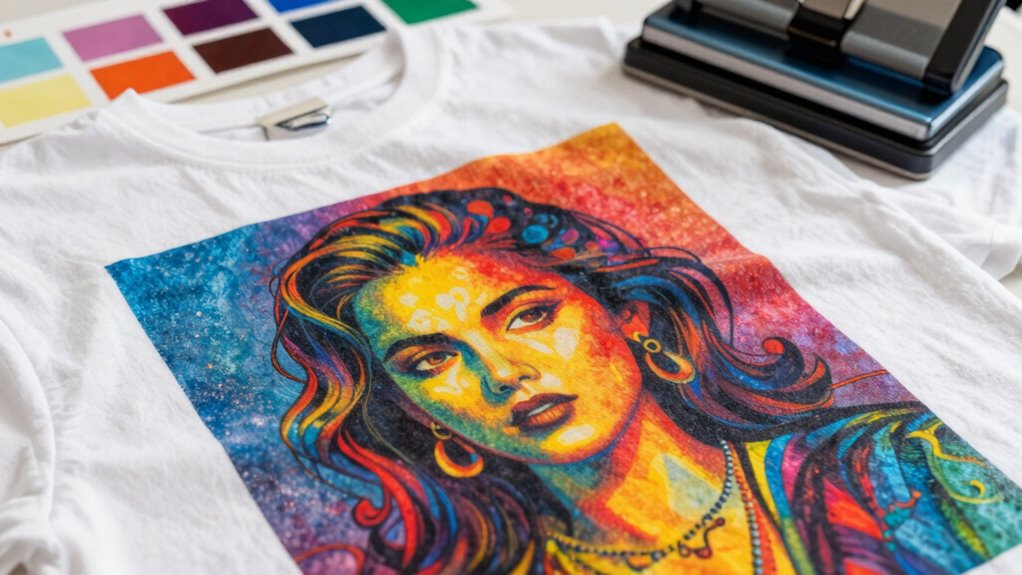
Sublimation printing is a fascinating process that transforms solid dye into gas without passing through a liquid state. This unique sublimation process allows you to create vibrant designs on various materials, primarily polyester and polymer-coated surfaces. When you apply heat and pressure, the solid dye sublimates and penetrates the substrate, resulting in dye migration into the fibers. This means the design becomes part of the material itself, ensuring it won’t crack or fade over time. You’ll love how the colors remain bright and the texture stays smooth. Whether you’re personalizing apparel or creating stunning artwork, understanding this method helps you reveal endless creative possibilities. Immerse yourself in sublimation printing, and see how it can elevate your projects!
Challenges of Sublimating on Cotton
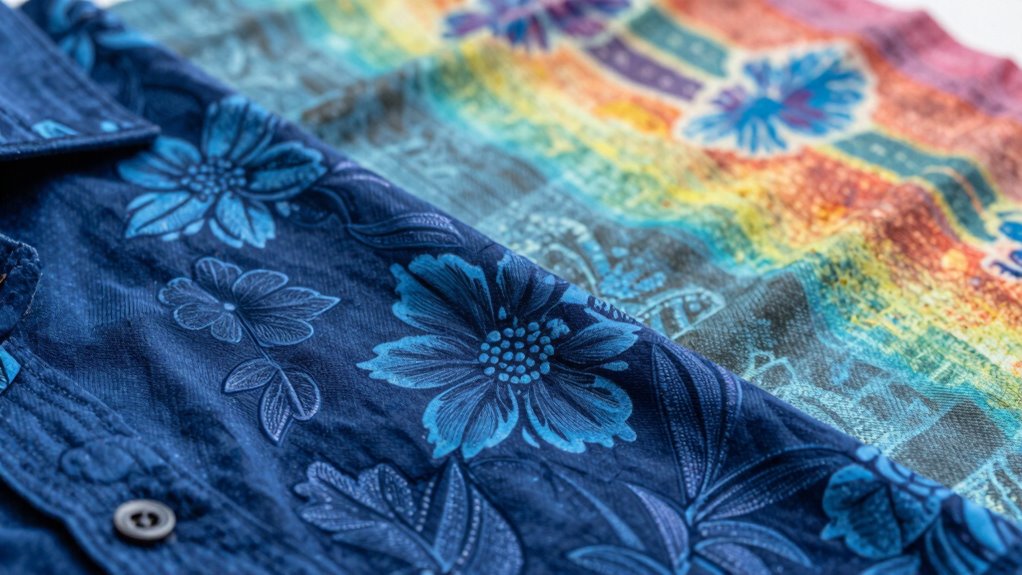
Sublimating on cotton presents unique challenges due to its fiber structure. The ink transfer limitations can hinder vibrant color reproduction, making it tough to achieve the desired results. You’ll need to understand these factors to optimize your printing process effectively.
Cotton Fiber Structure
Cotton’s unique fiber structure presents distinct challenges for successful sublimation. The fiber characteristics of cotton, such as its natural twist and rough texture, can greatly impact how dye interacts with the fabric. Unlike synthetic materials, cotton fibers are not designed to hold sublimation dyes effectively. When you apply heat, the dye may not properly penetrate the fibers, resulting in muted or uneven colors. Additionally, the texture impact can create variations in how the dye is absorbed, leading to inconsistent prints. You might find that the vibrant results you expect from sublimation aren’t achievable on cotton, making it essential to understand these fiber properties before diving into your next project.
Ink Transfer Limitations
While you might expect vibrant colors when using sublimation, achieving effective ink transfer on cotton can be quite challenging. Cotton fibers don’t bond well with sublimation inks, leading to issues with print durability. Here are a few limitations you should consider:
- Ink Transfer Methods: Traditional sublimation methods may not work effectively on cotton, requiring alternative approaches.
- Color Vibrancy: The final print might lack the brightness you hoped for, as cotton absorbs less ink than polyester.
- Washability: Prints can fade or wash out over time, reducing overall quality. Additionally, understanding filtration/suction basics can help improve the quality of your print when using certain techniques.
Understanding these challenges helps you make informed decisions about your projects and sets realistic expectations for your sublimation endeavors on cotton.
Debunking Myths About Sublimation on Cotton
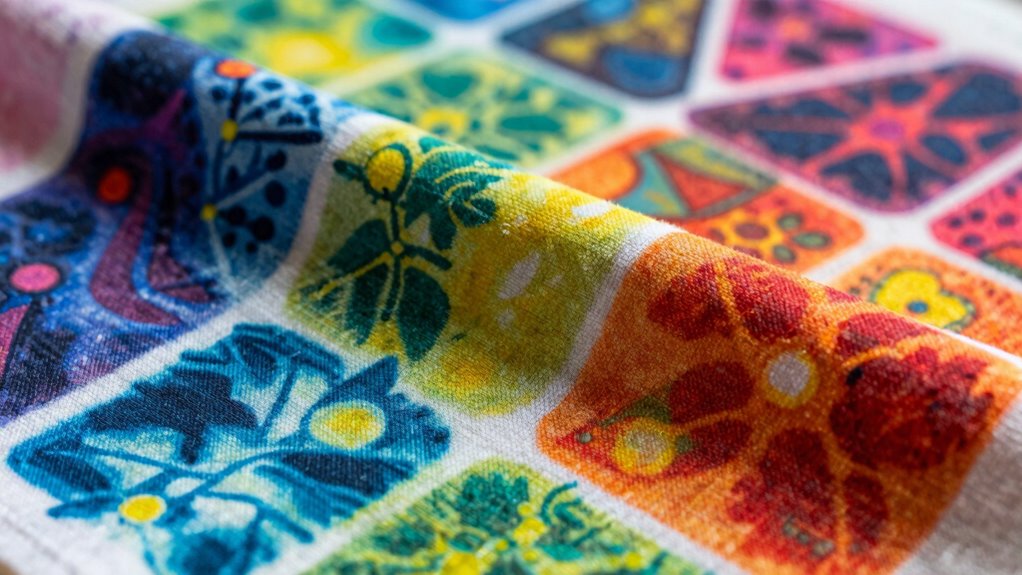
Have you ever wondered why sublimation on cotton is often dismissed as impossible? It’s time for some myth debunking. Many believe sublimation only works on polyester, but that’s not entirely true. While cotton fibers don’t bond with sublimation dyes as well as polyester, there are ways to achieve decent results. Sublimation facts reveal that using a polyester-coated cotton blend can give you vibrant prints. Additionally, using anti-fatigue mats can help reduce discomfort while standing and working on your sublimation projects, enhancing your overall comfort and well-being. Another common misconception is that sublimation can’t produce bright colors on dark fabrics. In reality, lighter shades of cotton can work surprisingly well with the right pre-treatment. Furthermore, incorporating innovative landscaping techniques from desert gardening can inspire unique patterns and designs in your sublimation creations. The latest solar technology advancements showcase how integrating eco-friendly solutions can enhance creativity and sustainability in various projects. So, don’t let these myths hold you back—explore the potential of sublimation on cotton with the right techniques! Additionally, understanding smart indoor gardens can inspire creativity in your sublimation projects by integrating fresh designs inspired by your own home-grown herbs and vegetables.
How to Sublimate on Cotton Successfully?
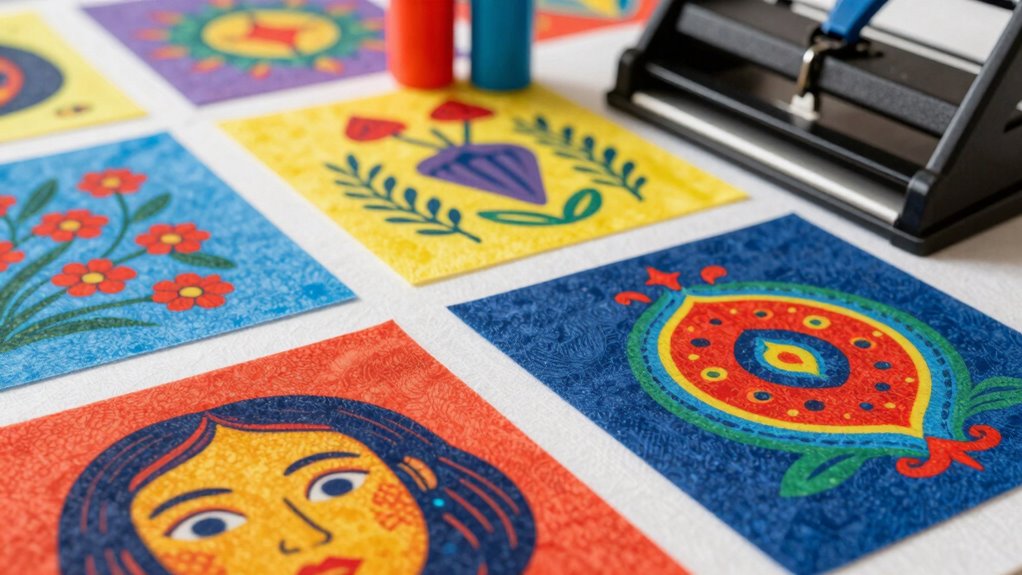
To successfully sublimate on cotton, you need to understand its limitations and the right coating techniques. Cotton alone doesn’t hold sublimation ink well, so preparation is key. Let’s explore how you can achieve vibrant and lasting results.
Understanding Cotton’s Limitations
Although sublimation is a popular printing method for vibrant designs, it poses unique challenges when applied to cotton fabrics. Understanding cotton properties is essential for successful dye interaction. Here are three key limitations to keep in mind:
- Absence of Polyester: Cotton lacks the polyester fibers necessary for the sublimation process, which can lead to less vibrant results.
- Limited Dye Bonding: The dye interacts poorly with cotton, often resulting in faded or washed-out prints.
- Temperature Sensitivity: High heat can damage cotton, making it tricky to achieve ideal results without compromising the fabric’s integrity.
Recommended Coating Techniques
Sublimating on cotton can be challenging, but utilizing appropriate coating techniques can greatly enhance your results. Start by selecting the right coating types, such as polyester-based sprays or heat-activated coatings, which allow for better ink absorption. When applying these coatings, you’ll want to use consistent application methods, like spray or brush techniques, to guarantee an even layer. Make sure to follow the manufacturer’s instructions for drying times and curing processes to achieve ideal adhesion. Experimenting with different coatings and application methods can lead to impressive results, so don’t hesitate to test various combinations. By mastering these techniques, you’ll reveal the potential to create vibrant, durable sublimated designs on cotton fabric.
Best Products for Successful Cotton Sublimation
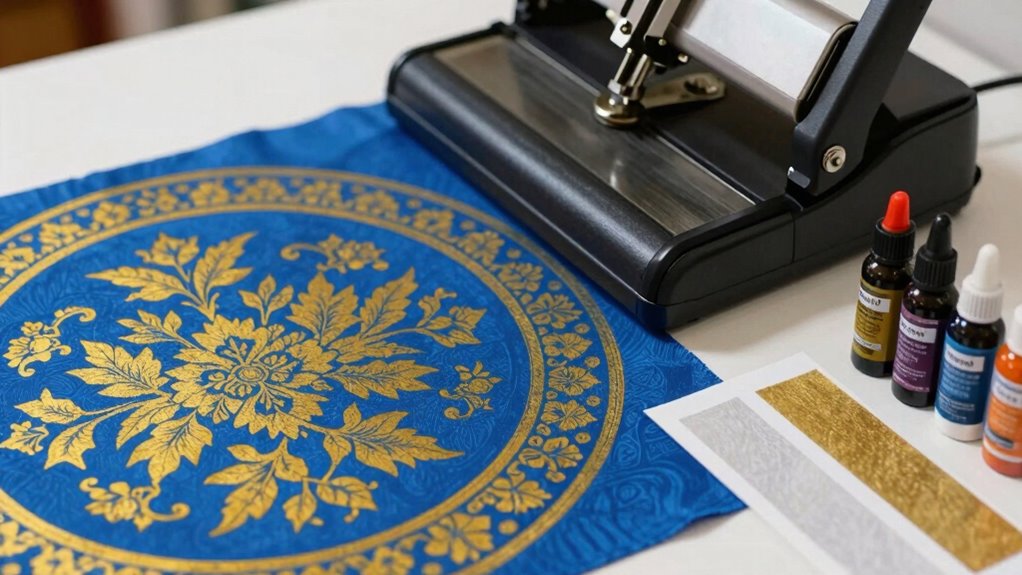
When you’re diving into cotton sublimation, choosing the right products makes all the difference. To achieve the best results, consider these essentials:
- Sublimation Inks: Use high-quality sublimation inks designed specifically for cotton. They guarantee vibrant colors and durability.
- Transfer Paper: Opt for specialized transfer paper that’s compatible with cotton. This helps in transferring designs accurately without bleeding.
- Coating Solutions: Apply a reliable coating to your cotton fabric. This enhances ink adhesion and protects the print.
Tips for Vibrant Results on Cotton
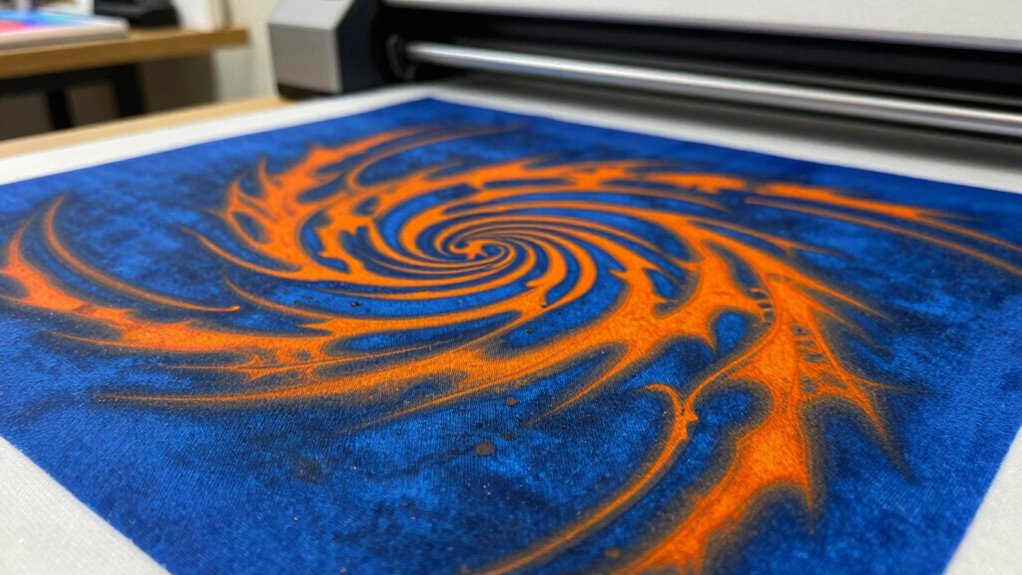
To achieve vibrant results on cotton, start by making sure your fabric is prepped properly. Wash your cotton fabric to remove any finishes or residues that could hinder dye absorption. Dry it thoroughly and iron out any wrinkles, as a smooth surface promotes better color vibrancy.
Choose high-quality sublimation inks and a printer that delivers sharp images. When printing, use the correct settings for cotton to enhance the colors. Don’t forget to select the right transfer paper; it can greatly affect the outcome.
Finally, apply even pressure during heat pressing to guarantee consistent results. By focusing on fabric preparation and using the right materials, you’ll see the true potential of color vibrancy in your cotton sublimation projects.
Common Issues in Cotton Sublimation and How to Fix Them
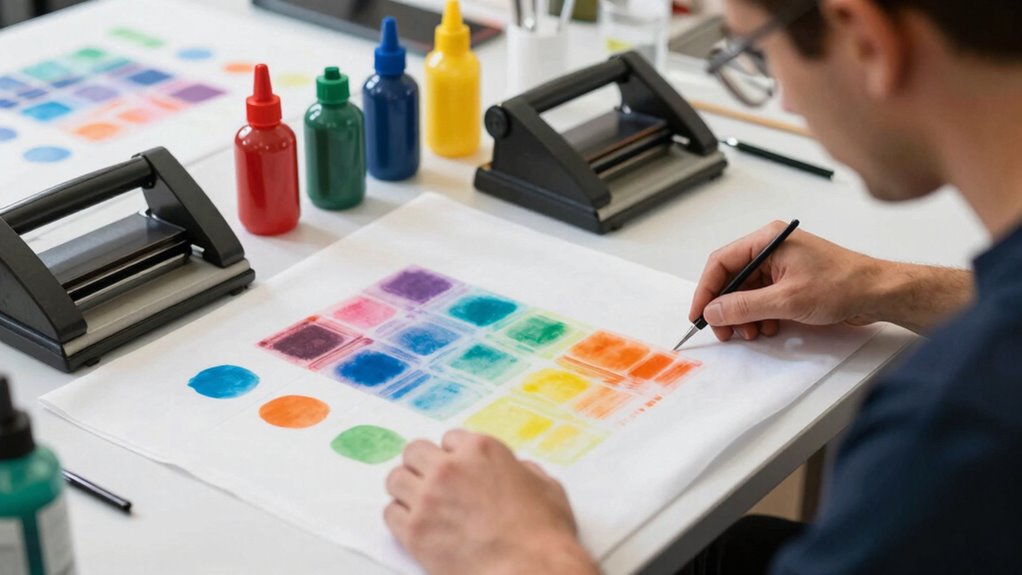
Even with careful preparation, common issues can still arise during cotton sublimation, often leading to disappointing results. To help you troubleshoot effectively, here are some common mistakes and tips to fix them:
- Improper Temperature: Confirm your heat press is set to the recommended temperature. Too high or too low can ruin the transfer.
- Wrong Material: Always use 100% cotton or specially coated fabrics. Blends won’t absorb the dye properly, leading to faded designs.
- Insufficient Pressure: Make certain you’re applying enough pressure during the transfer. Lack of pressure can result in uneven designs.
Other Methods for Printing on Cotton
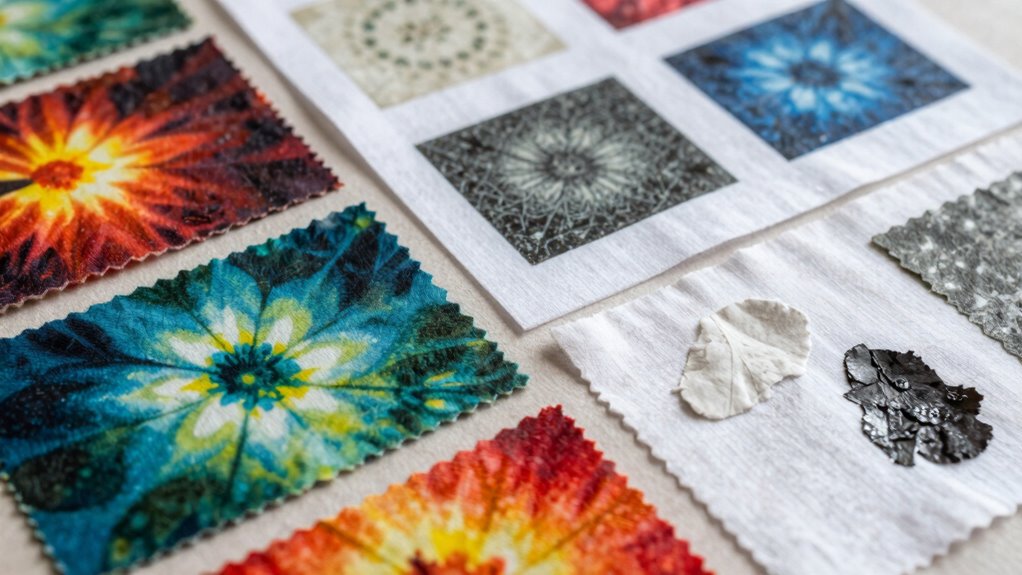
There are several effective methods for printing on cotton that can deliver stunning results. Heat transfer techniques allow you to easily apply designs, while digital printing offers high-resolution images that pop. Screen printing is perfect for bulk orders, providing vibrant colors and durability. If you’re looking for versatility, Direct to Garment (DTG) printing works well for intricate designs on fabric blends. Vinyl applications can also create crisp, clean graphics, especially for custom designs. For eco-conscious choices, consider using reactive dyes and eco-friendly inks that minimize environmental impact. Additionally, using smart furniture solutions can help organize your workspace, making the printing process more efficient. Always conduct colorfastness testing to guarantee your prints maintain their vibrancy over time, as understanding tool usage can enhance your overall printing experience. Prioritizing print durability means your designs will stand the test of time, no matter the method you choose. Additionally, understanding gear fundamentals can help you select the best printing technique for your specific needs, especially when considering workflow tips that ensure efficient production. Choosing the right safety gear is also crucial to protect yourself during the printing process.
Frequently Asked Questions
Can I Use Regular Inkjet Printers for Sublimation on Cotton?
You can’t use regular inkjet printers for sublimation on cotton effectively. Sublimation requires specific inkjet printer compatibility with sublimation ink types designed for transferring designs onto polyester or polyester-coated surfaces. Regular ink won’t bond with cotton fibers, leading to poor results. If you want to sublimate onto cotton, consider using a compatible printer or exploring alternatives like heat transfer vinyl, which works better on cotton fabrics.
How Long Does Sublimation on Cotton Typically Last?
Sublimation on cotton typically lasts a long time, especially if you prepare the fabric correctly. By using high-quality inks, you get better ink longevity. Make sure to pre-treat your cotton fabric to enhance dye adherence. This preparation can greatly improve the durability of the design, allowing it to withstand washes and wear. If you follow these steps, you’ll enjoy vibrant, long-lasting results on your cotton projects!
Is Sublimation Eco-Friendly Compared to Other Printing Methods?
Sublimation can be like planting a tree instead of cutting one down—it’s often more eco-friendly than many traditional methods. When you use sublimation ink, you’re typically dealing with less waste and fewer harmful chemicals, enhancing sustainability. Plus, the environmental impact is often lower since it requires less water and energy. So, if you’re looking to make greener choices, sublimation might just be the way to go for your printing projects!
What Are the Best Fabric Blends for Sublimation on Cotton?
For the best results in sublimation on cotton, opt for fabric blends like polyester-cotton or polyester-rayon. These blends allow sublimation techniques to work effectively by providing the necessary polyester content for proper dye absorption. Before you start, verify your fabric preparation is spot on—wash and dry the fabric to remove any sizing. This way, you’ll get vibrant, lasting prints that won’t fade easily, giving your designs a professional finish.
Can I Sublimate on Dark Cotton Fabrics Successfully?
Imagine trying to paint a deep night sky on a black canvas; it just won’t shine. You can’t sublimate successfully on dark cotton fabrics because the vibrant colors can’t break through the darkness. Instead, focus on lighter cotton blends for your sublimation techniques. Blending cotton with polyester opens up a world of vivid prints, ensuring your designs pop. So, if you want bright results, stick to lighter shades that let your creativity shine!
Conclusion
In the world of printing, sublimation on cotton can feel like a dream come true or a frustrating nightmare. While some claim it’s a miracle solution, others reveal the pitfalls lurking beneath the surface. By understanding the challenges and mastering the techniques, you can turn your cotton projects into vibrant successes rather than costly failures. So, are you ready to embrace the art of sublimation and unleash its true potential, or will you let the myths hold you back?