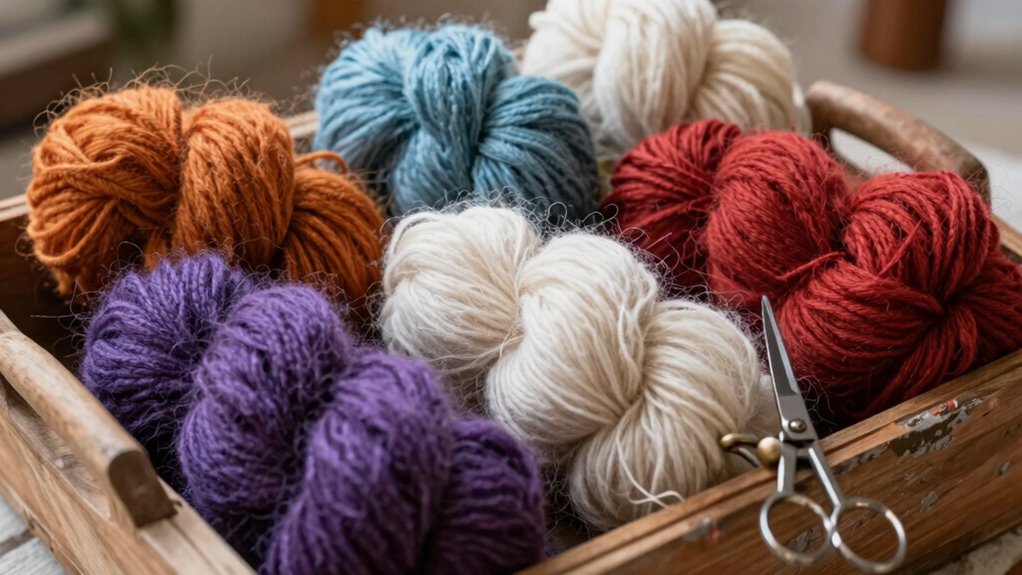

Storing your wool properly is key to preventing felting and maintaining its quality. Keep it in a cool, dry place with humidity levels between 30-50%. Use breathable containers like cotton bags, and stay vigilant against pests by employing natural repellents. Don’t forget to regularly inspect your storage area for moisture and damage. These simple steps can save your fibers from unnecessary wear and tear, and there’s plenty more you can do to protect your wool.

Get your wardrobe favorites delivered free with Prime
- Fast, free delivery on millions of items
- Prime Video, Amazon Music and more included
- Member-only deals all year
Key Takeaways
- Store wool in a cool, dry place with humidity levels between 30-50% to prevent felting and mold growth.
- Use breathable containers like cotton bags to allow air circulation and reduce moisture retention.
- Employ natural pest repellents, such as lavender and cedarwood, to deter moths and protect your wool.
- Regularly inspect stored wool for dampness and pests, addressing any issues promptly to maintain quality.
- Clean and dry wool items thoroughly before storage to minimize moisture attraction and potential felting.
As an affiliate, we earn on qualifying purchases.
Essential Tips for Storing Wool Fibers

When you’re storing wool fibers, it’s essential to keep them in a cool, dry place to prevent damage. Proper wool color preservation starts with managing fiber humidity. Excess moisture can lead to mildew or fading colors, so aim for a humidity level of around 30-50%. Use breathable containers like cotton bags or cardboard boxes instead of plastic, which can trap moisture. If you’re in a humid climate, consider adding silica gel packets to absorb excess moisture. Regularly check your storage area for any signs of dampness or pests, as these can ruin your fibers. By focusing on these basic tips, you’ll guarantee your wool stays vibrant and ready for your next project.
Ideal Conditions for Storing Wool
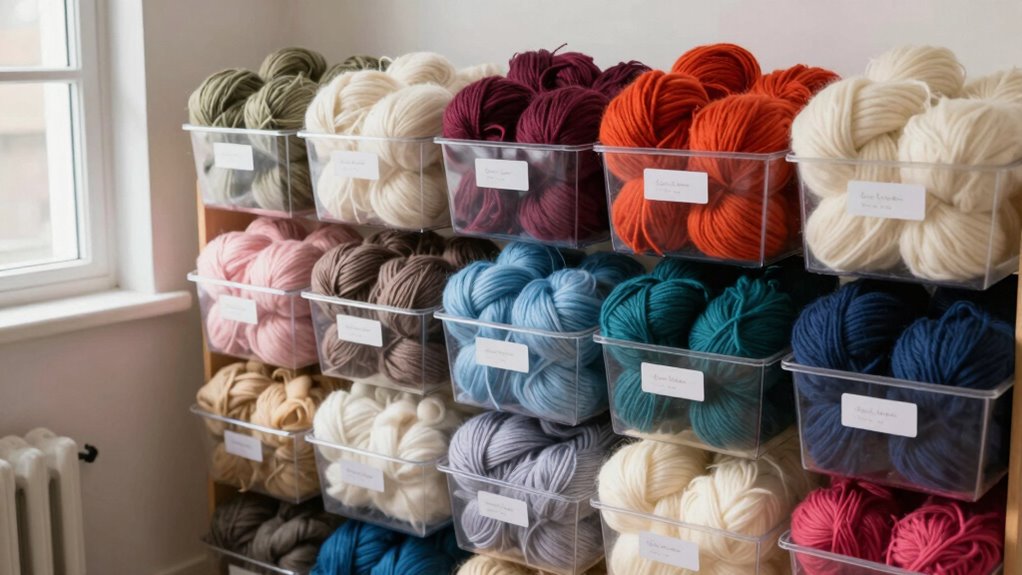
To keep your wool fibers in prime condition, you’ll want to guarantee they’re stored in an environment that stays cool and dry. Aim for temperature control around 60-70°F (15-21°C) to prevent any heat-related damage. Excessive heat can cause your fibers to become brittle or felted.
Humidity levels are equally important; ideally, you should maintain them between 30-50%. High humidity can lead to mold growth or unwanted pests, while too little can dry out your wool, making it less versatile. Regularly check your storage area to make certain these conditions remain stable. By managing both temperature and humidity, you’ll keep your wool in excellent shape, ready for when inspiration strikes.
Choosing the Right Containers for Wool Storage

When it comes to storing your wool, the right container can make all the difference. You’ll want to contemplate the material, size, and ventilation to keep your fiber in top shape. Don’t overlook moisture control, as it can protect your wool from damage over time.
Container Material Matters
Choosing the right containers for wool storage is essential, as the material can greatly impact the fiber’s longevity and quality. Opt for containers made from natural materials like cotton or wood, which allow wool to breathe and prevent moisture buildup. Plastic, while convenient, can trap humidity and lead to mildew. Additionally, maintaining indoor air quality is crucial, as poor air conditions can exacerbate issues related to moisture and mold.
Here’s a quick reference table to help you decide:
| Material | Container Durability | Breathability |
|---|---|---|
| Cotton | High | Excellent |
| Wood | Medium | Good |
| Plastic | Low | Poor |
| Metal | High | Moderate |
Size and Space Considerations
While the material of your storage container is essential, size and space considerations also play an important role in keeping your wool fibers in prime condition. First, assess the wool dimensions you’re working with. You don’t want to cramp your fibers into a container that’s too small, as this can lead to felting. Opt for containers that provide enough room to lay your wool flat or loosely bundle it, allowing air circulation. Next, think about your storage locations. Whether you’re using a closet, shelf, or dedicated space, make sure it’s easily accessible. Choosing the right size and location not only protects your wool but also makes it convenient for you to retrieve and enjoy your fibers whenever inspiration strikes.
Ventilation and Moisture Control
To keep your wool fibers in top shape, effective ventilation and moisture control are essential. Choosing the right containers can make a significant difference. Look for breathable options, like cotton or linen bags, that allow air circulation while preventing dust buildup. Avoid plastic containers, as they can trap moisture and lead to mildew. Incorporating dehumidification methods, such as silica gel packets or desiccant containers, can further protect your wool from humidity. Additionally, consider using smart home technology to monitor humidity levels in your storage area, since maintaining optimal air quality is crucial for preserving fiber integrity. Proper moisture management is key to preventing damage and ensuring long-term storage success. Make sure your storage area is dry and well-ventilated, too. Regularly check your stored wool for any signs of moisture or odor, and move it around occasionally to enhance air circulation. With these tips, you’ll keep your fibers safe and sound for all your crafting needs. Additionally, consider integrating smart home safety features to monitor and maintain optimal conditions in your storage area. Implementing eco-friendly practices can also enhance the longevity of your storage solutions.
How to Organize Your Wool for Easy Access
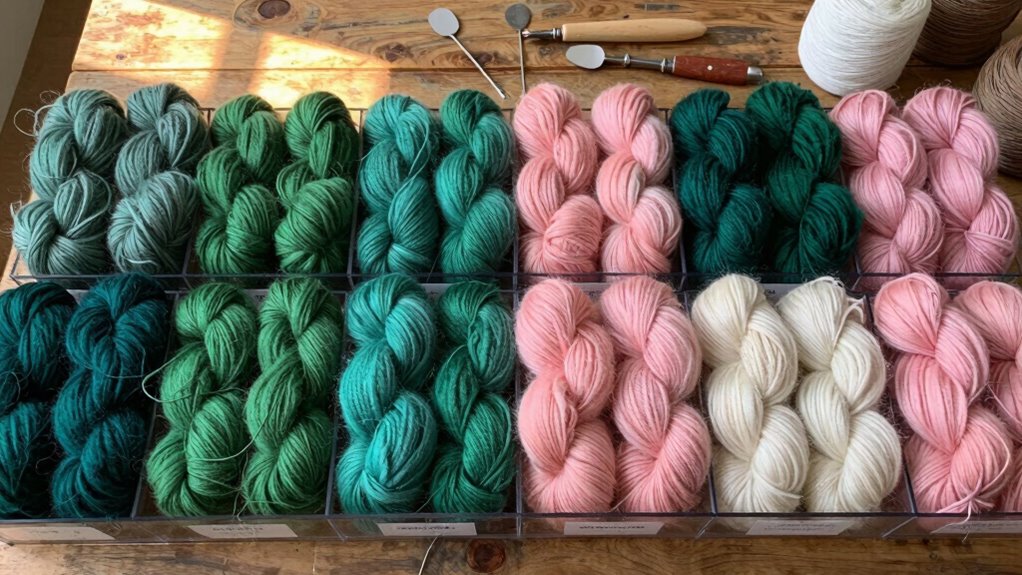
Organizing your wool can make all the difference when you’re in the middle of a project. Start by creating a fiber inventory that lists all your wool types, weights, and colors. This way, you’ll know exactly what you have on hand. Next, implement wool color coding—group your fibers by color to make your selection quicker and easier. You can use bins, baskets, or shelves, but make certain they’re clearly labeled. Additionally, using crochet tools can enhance your styling options while working with your wool. Consider storing similar weights together, too, to streamline your workflow. If you’re working on multiple projects, keep those wool selections in separate containers. With a well-organized setup, you’ll spend less time searching and more time crafting, making your creative process more enjoyable. Furthermore, using pet-friendly gear can ensure that your workspace remains clean and free from allergens. Additionally, understanding emerging trends in crafting can inspire new project ideas and increase your engagement with the fiber community.
Avoiding Common Mistakes in Wool Storage

When it comes to storing wool, overlooking a few key details can lead to frustrating complications down the line. First, avoid damp environments, as moisture can cause mildew and ruin your fiber preservation efforts. Always choose breathable containers instead of plastic bags, which can trap moisture. Make certain to clean your wool before storing it; dirt and oils can attract pests and degrade quality. It’s also essential to store your wool away from direct sunlight, which can fade colors and weaken fibers. Additionally, consider using filtration techniques to further protect your wool from dust and contaminants. Finally, keep your wool organized by labeling containers, so you know exactly what you have. By paying attention to these common mistakes in wool storage, you’ll guarantee your fibers remain in excellent condition for future projects.
Tips for Preventing Moths and Pests in Wool

To keep moths and pests at bay, you’ll want to use natural repellents and herbs that deter these unwanted visitors. Proper storage techniques also play an essential role in protecting your wool. Let’s explore how these strategies can help safeguard your fibers.
Natural Repellents and Herbs
While you may love the warmth and texture of wool, pests like moths can quickly turn your favorite items into a feast. To keep them at bay, consider using herbal repellents and natural deterrents. Essential oils like lavender, cedarwood, and eucalyptus not only smell great but also repel moths. You can create sachets filled with dried herbs such as rosemary and mint, placing them in your storage areas for added protection. Another effective option is to use whole cloves or bay leaves, which can deter pests naturally. Regularly renewing these herbal repellents guarantees they stay effective, so don’t overlook this simple yet powerful step in your wool care routine. Keep your wool safe and pest-free with these natural solutions!
Proper Storage Techniques
Although you might think your wool items are safe just by using natural repellents, proper storage techniques are essential for long-term protection against moths and pests. Start by ensuring your wool is clean and dry; any moisture can attract unwanted guests. Use airtight containers for storage and consider incorporating cedar blocks or lavender sachets for added protection. Regular wool maintenance, including fiber rotation, helps keep your collection in check and prevents infestations. Creating a toxin-free space is crucial for safeguarding your wool items from pests.
| Action | Frequency | Benefit |
|---|---|---|
| Clean wool | After each use | Reduces pests |
| Rotate fibers | Every season | Maintains quality |
| Inspect storage | Monthly | Spot issues early |
| Use airtight bins | Year-round | Prevents infestations |
| Add repellents | As needed | Enhances protection |
Reviving Wool That Has Started to Felt

When wool starts to felt, it can be frustrating, but don’t worry—reviving it is possible with the right techniques. First, gently soak your felted wool in lukewarm water mixed with a few drops of baby shampoo or wool wash. This helps relax the fibers. After soaking for about 30 minutes, carefully agitate the wool with your hands to help separate the fibers without causing more felting. Rinse thoroughly and reshape it while damp. For best results, use wool rejuvenation techniques to maintain the fiber’s integrity. Additionally, implement felt prevention methods in the future, like storing your wool in breathable bags and keeping it away from moisture. With these steps, you can restore your wool to its former glory!
When Should You Think About Professional Storage?

Have you ever wondered when it’s time to contemplate professional storage for your fiber? If you’re facing space constraints or your collection has grown considerably, that’s a good sign to take into account it. A professional assessment can help you determine the best storage solutions tailored to your needs. If you find your fiber exposed to fluctuating temperatures or humidity, seeking expert storage becomes essential. Additionally, if you’re planning a long-term project and need a safe haven for your materials, professional storage can protect your investments from potential damage. Ultimately, when your fiber collection starts to feel overwhelming or vulnerable, it’s time to look into professional options for peace of mind and ideal preservation.
Frequently Asked Questions
Can I Store Wool in Plastic Bags?
You can store wool in plastic bags, but it’s not ideal. For effective mold prevention and fiber preservation, consider using breathable storage options like cotton or linen bags. If you must use plastic, make certain the wool is completely dry and clean. Occasionally check for moisture and airflow to keep your wool in good condition. Remember, the right storage can make all the difference in maintaining your wool’s quality and longevity.
How Often Should I Check My Wool Storage?
You should check your wool storage at least once a month. This way, you can catch any wool pests before they become a problem. Keep an eye on humidity control too, as excessive moisture can lead to mold or damage. If you notice any changes in your wool’s condition, address them immediately. Regular checks help maintain your wool’s quality and longevity, ensuring it stays in great shape for your projects.
Is It Safe to Wash Wool Before Storing?
You’d think washing your wool before storing it is a smart idea, but it can actually lead to disaster! Wool washing can remove natural oils that protect the fibers. Instead, focus on proper storage techniques. If your wool’s dirty, spot clean it gently, then let it dry completely before storage. This way, you keep your wool in top shape, ready for your next project without the risk of felting or damage.
What Temperature Is Too Cold for Wool Storage?
Wool’s best stored at temperatures above freezing, ideally between 50°F and 70°F. Anything below 32°F can risk damage due to moisture and temperature fluctuation, making your wool insulation less effective. To keep your wool in top shape, make certain it’s dry and stored in a climate-controlled environment. Regular checks can help you avoid unpleasant surprises, like felting or deterioration, so stay vigilant about your storage conditions.
Can I Store Different Types of Fibers Together?
Sure, you can store different types of fibers together, but keep fiber compatibility in mind. Some fibers may attract pests or absorb moisture differently, which can lead to damage. Use airtight storage containers to minimize these risks and maintain ideal conditions. Label each container to easily identify what’s inside, ensuring you don’t mix incompatible fibers. With the right precautions, your diverse collection can stay safe and sound.
Conclusion
In the world of fiber arts, your wool’s like a treasured book waiting to be read. If you store it properly, it remains pristine, ready for your next creative chapter. Remember, just as a book can warp in damp conditions, wool can felt if mishandled. By following these tips, you’ll keep your fibers in perfect shape, ensuring that every project starts with the best possible materials. So, treat your wool with care; it deserves to shine!
Halloween Picks
halloween
As an affiliate, we earn on qualifying purchases.