To remove mold and mildew from fabric, start by taking it outdoors and gently shaking off loose spores. Mix hot water with detergent and white vinegar for soaking the fabric, then let it sit for at least an hour. Scrub stubborn spots with a baking soda paste, then wash thoroughly and air-dry in direct sunlight to kill remaining spores. Applying these steps and maintaining proper ventilation helps prevent future growth — explore more tips to keep your fabrics mold-free.
Key Takeaways
- Shake off loose mold outdoors and brush affected areas gently before cleaning.
- Soak fabric in hot water with detergent and white vinegar for at least one hour.
- Apply a baking soda paste to stubborn spots and scrub gently with a soft brush.
- Air-dry fabric in direct sunlight to kill spores and prevent mold regrowth.
- Maintain proper ventilation and control humidity to reduce future mold and mildew development.

Mold and mildew on fabric can quickly become a frustrating problem, but with the right approach, you can effectively eliminate them and restore your belongings. The first step involves understanding proper cleaning techniques to get rid of these fungi without damaging your fabric. Start by taking the affected item outdoors to prevent spores from spreading inside your home. Shake off loose mold or mildew gently, then brush away any remaining residue with a soft-bristled brush. Next, soak the fabric in a solution of hot water and a mixture of detergent and white vinegar—vinegar is a natural mold killer. Let it sit for at least an hour before washing it thoroughly. For stubborn spots, you can apply a paste of baking soda and water directly to the affected areas, then scrub gently with a soft brush. Always air-dry your fabric in direct sunlight if possible, as UV rays help kill remaining spores and prevent regrowth. Proper ventilation and controlling humidity levels are crucial in preventing mold from returning, especially in enclosed spaces.

Concrobium Mold Control, 32 oz Spray – Eliminates & Prevents Mold – EPA-Registered, Bleach-Free, Odorless, VOC-Free
Eliminates & Helps Prevent Mold: Targets existing mold at the source and leaves behind an invisible barrier that…
As an affiliate, we earn on qualifying purchases.
As an affiliate, we earn on qualifying purchases.
Frequently Asked Questions
Can Mold and Mildew Return After Cleaning?
Yes, mold and mildew can return if you don’t take proper mold prevention steps and mildew treatment. After cleaning, guarantee your fabric dries thoroughly and stays in a well-ventilated area. Regularly inspect for signs of moisture buildup, and consider using mold inhibitors or moisture absorbers. Consistent mildew treatment and good airflow are key to preventing mold and mildew from coming back, keeping your fabric fresh and safe.
Are There Natural Remedies for Mold Removal?
Yes, natural remedies can help banish mold like a gentle but firm breeze clearing away fog. You can use herbal remedies such as tea tree oil or vinegar, which have natural antifungal properties. Essential oils like lavender or eucalyptus not only smell great but also combat mold. Mix a few drops with water and spray on affected fabrics. These eco-friendly options are safe and effective, leaving your fabrics fresh and mold-free.
How Long Does It Take to Fully Remove Mold?
It typically takes about 1 to 3 days to fully remove mold during fabric cleaning, but it depends on mold severity and fabric type. You need to thoroughly treat and dry the fabric, ensuring all mold spores are eliminated. Use effective mold removal methods, like natural remedies or commercial cleaners, and inspect the fabric regularly. Patience and proper techniques are key to successful mold removal and restoring your fabric’s condition.
Is It Safe to Use Bleach on All Fabrics?
Using bleach on all fabrics isn’t always safe, so you should consider bleach safety and fabric compatibility first. Check the care label to see if your fabric can handle bleach, as some materials like wool or silk can get damaged. When in doubt, test a small hidden area first. Always dilute bleach properly and use it in well-ventilated areas to avoid health risks.
What Preventive Measures Can Stop Mold Growth?
To prevent mold growth on fabric, focus on fabric protection and moisture control. Keep your fabrics in well-ventilated areas and avoid excessive humidity. Use dehumidifiers or fans to reduce moisture levels, and make certain fabrics are thoroughly dry before storing. Regularly inspect and clean your fabrics to catch mold early. By maintaining proper moisture control and fabric protection, you can effectively stop mold from developing and keep your textiles mold-free.

Mighty Mint Mold & Mildew Stain Remover Spray, Rapid Clean for Bathroom, Kitchen, Hard Water, Outdoors, Natural Peppermint Scent, 16oz
Powerful, Natural Spray Removes Tough Mold, Mildew, and Hard Water Stains
As an affiliate, we earn on qualifying purchases.
As an affiliate, we earn on qualifying purchases.
Conclusion
Now that you know how to tackle mold and mildew, you can confidently restore your fabrics. For example, imagine discovering a musty-smelling couch after a rainy weekend; using these methods, you can quickly eliminate the mold and breathe new life into your furniture. Taking prompt action not only saves your fabrics but also keeps your home healthier. With these simple steps, you’ll prevent future growth and enjoy fresh, clean fabrics every time.

Aunt Fannie's Extra Strength Cleaning Vinegar, 32 Ounce, Multipurpose Household Cleaner, No Added Scents, Dyes, or Other Additives, Pack of 1
Aunt Fannie's Extra Strength All Purpose Cleaning Vinegar: Contains distilled white vinegar specifically formulated for cleaning with 6%…
As an affiliate, we earn on qualifying purchases.
As an affiliate, we earn on qualifying purchases.
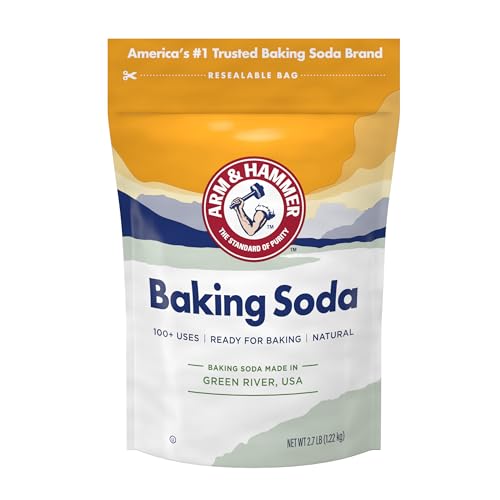
ARM & HAMMER Baking Soda Made in USA, Ideal for Baking, Pure & Natural, 2.7lb Bag
Ideal for Baking: Made with fine baking soda particles from Grade 1 baking soda to create fluffier recipes;…
As an affiliate, we earn on qualifying purchases.
As an affiliate, we earn on qualifying purchases.