To remove red wine stains from fabric, act immediately by gently blotting the spill with a clean cloth or paper towel to soak up excess liquid—avoid rubbing. Pour cold water onto the stain to dilute the wine and slow oxidation, then gently blot again. You can apply a mixture of dish soap and white vinegar, or a commercial stain remover, and carefully scrub or blot. For persistent stains, test hydrogen peroxide or specialized products. Keep in mind, quick action is your best chance to prevent permanent damage. More tips will help you master stain removal.
Key Takeaways
- Act quickly by blotting the spill with a clean cloth to absorb excess wine without rubbing.
- Immediately pour cold water onto the stain to dilute the wine and slow oxidation.
- Apply a mixture of dish soap and white vinegar or a commercial stain remover to break down the stain.
- Gently scrub or blot the treated area with a soft brush or cloth for better stain removal.
- For stubborn stains, consider using hydrogen peroxide or specialized wine stain removers, testing on hidden fabric first.
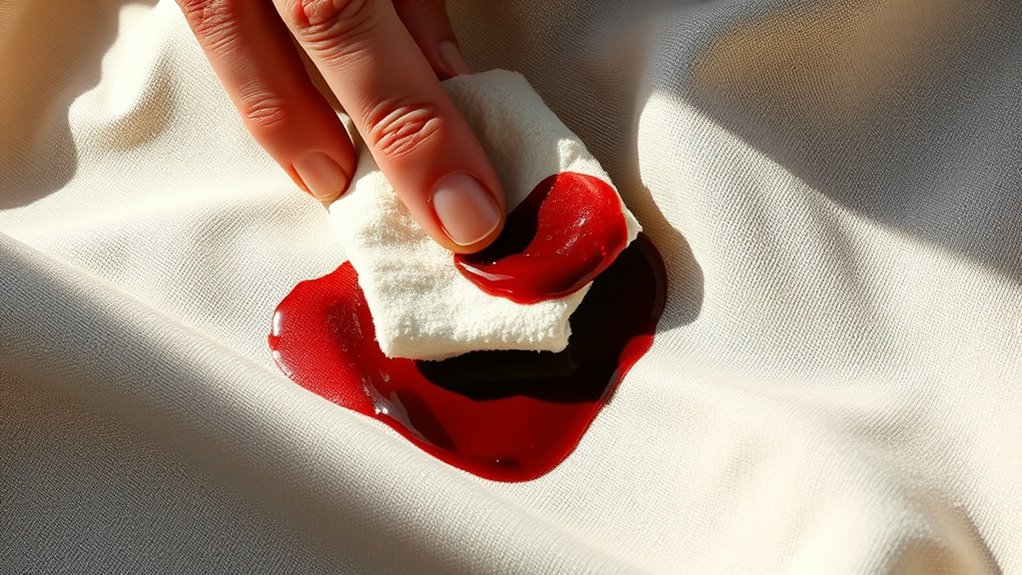
Spilling red wine on fabric can be frustrating, but acting quickly can save your favorite clothing or upholstery. The key is to understand how the oxidation process works and how it influences stain prevention. When wine hits fabric, it starts to oxidize almost immediately, causing the deep color to set into the fibers. The longer you wait, the more the stain bonds with the material, making it harder to remove. That’s why prompt action is essential to prevent the stain from becoming permanent.
Act quickly to prevent wine stains from setting in and bonding with fabric fibers.
To start, blot the spill gently with a clean cloth or paper towel—don’t rub, as that can push the wine deeper into the fabric. The goal is to absorb as much liquid as possible without spreading the stain further. Once you’ve blotted up the excess, you can work on neutralizing the stain and halting the oxidation process. Cold water is your first ally because it helps dilute the wine and slows down oxidation. Pour a small amount onto the stained area, then blot again with a clean cloth, repeating as needed. This initial step is vital in preventing the stain from setting.
Next, it’s wise to treat the stain with a mixture of dish soap and white vinegar or a commercial stain remover designed for wine. The acetic acid in vinegar can help break down the compounds responsible for the stain, preventing the oxidation process from intensifying. Apply the solution directly to the stain, let it sit for a few minutes, then blot or gently scrub with a soft brush. This combination not only helps lift the stain but also acts as a barrier against oxidation, giving you a better shot at stain prevention before it has a chance to bond deeply with the fabric. Using anti-aging ingredients like hyaluronic acid in specialized stain removers can also enhance your chances of successful removal.
If the stain persists, consider using hydrogen peroxide or a commercial wine stain remover, but test these on a hidden area first to avoid discoloration. When dealing with delicate fabrics, always opt for milder solutions. Remember, the earlier you act, the better your chances of stain prevention. The oxidation process accelerates the stain’s permanence, so quick intervention keeps the wine from setting in permanently.

Chateau Spill Wine Stain Remover Spray – Clothes & Laundry Stain Remover – Wine Carpet Cleaner – EPA Safer Choice Certified – 4 Fl Oz (Pack of 1)
Powerful Stain Solution: Chateau Spill Red Wine Stain Remover Spray is a fast-acting, essential ally in erasing wine…
As an affiliate, we earn on qualifying purchases.
As an affiliate, we earn on qualifying purchases.
Frequently Asked Questions
Can Red Wine Stains Be Removed From Delicate or Vintage Fabrics?
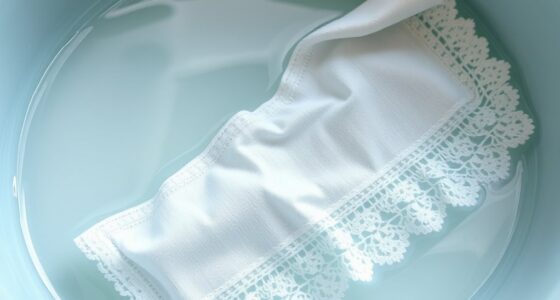
Yes, red wine stains can be removed from delicate fabrics and vintage textiles, but you need to act carefully. Blot the stain immediately with a clean cloth, avoiding rubbing. Use a gentle solution like cold water and mild detergent, or try white wine or club soda to neutralize the stain. Always test a small, hidden area first, and avoid harsh chemicals to protect your delicate or vintage fabrics.
How Long Can a Red Wine Stain Sit Before It Becomes Permanent?
You should act quickly because timing importance greatly impacts stain longevity. The longer a red wine stain sits, the harder it becomes to remove, often turning it permanent within 24 to 48 hours. If you delay, the stain penetrates deeper into the fibers, making it more difficult to treat. To prevent this, address the stain immediately, ideally within the first few minutes, to maximize your chances of successful removal.
Are There Any Natural Remedies Effective for Red Wine Stain Removal?
You can try natural remedies like herbal solutions and citrus extracts to remove red wine stains. Dab a mixture of citrus juice and a little salt onto the stain, then let it sit for a few minutes before rinsing. Herbal solutions like diluted vinegar or lemon juice work similarly. These natural options can be effective if you act quickly, helping break down the stain without harsh chemicals.
Will Hot Water Set the Red Wine Stain Further?
Think of your fabric as a delicate canvas of memories. Hot water, like a blazing sun, can tempt that red wine stain to set, sealing it forever. Using hot water risks stain setting, making it harder to remove. To protect your cherished fabric, avoid hot water until you’ve treated the stain. Instead, opt for cooler solutions to gently lift the wine without locking it in.
How Can I Prevent Red Wine Stains From Setting on Fabric?
To prevent red wine stains from setting on fabric, act quickly with fabric treatment. Blot the stain gently to absorb excess wine, then rinse with cold water or apply a stain remover immediately. Avoid hot water, which can set the stain. Regular stain prevention techniques, like applying a fabric protector or treating the area promptly, help keep stains from becoming permanent. Quick action is key to successful stain prevention.
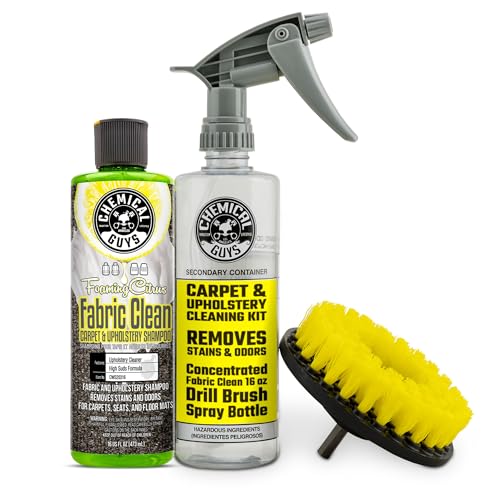
Chemical Guys Foaming Citrus Fabric Clean Drill Brush Kit – High Foaming Stain and Odor Remover, Upholstery, Floor Mat & Car Carpet Cleaner, Deep Cleans & Deodorizes, Citrus Scent – 16 fl oz
FOAMING FABRIC CLEAN KIT (HOL315) – Trusted by detailers and car care enthusiasts, this car detailing kit deep…
As an affiliate, we earn on qualifying purchases.
As an affiliate, we earn on qualifying purchases.
Conclusion
Don’t worry if the stain seems stubborn at first—you can usually remove red wine with quick action. Remember, immediate treatment is key, so don’t hesitate to grab some salt, soda, or cold water as soon as possible. Even if the stain has set, some methods still work. With patience and the right approach, you’ll have your fabric looking good as new. So, stay calm and act fast—your favorite shirt or tablecloth can still be saved!

Iberia All Natural Distilled White Vinegar, 1 Gallon – 5% Acidity
VERSATILE PANTRY STAPLE: Perfect for cooking, pickling, marinating, and enhancing your favorite recipes with a crisp, tangy flavor.
As an affiliate, we earn on qualifying purchases.
As an affiliate, we earn on qualifying purchases.
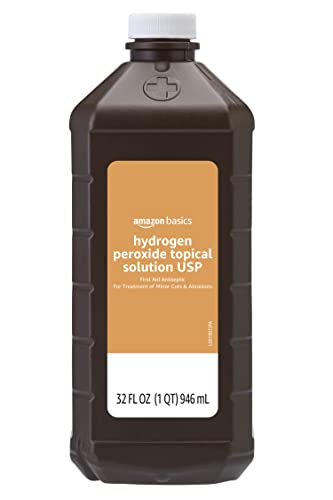
Amazon Basics Hydrogen Peroxide Topical Solution USP, First Aid Antiseptic for Cuts, Scrapes and Wound Disinfection, 32 fl oz, 1-Pack
First aid antiseptic (32 fluid ounces); helps prevent the risk of infection from minor cuts, scrapes, and burns
As an affiliate, we earn on qualifying purchases.
As an affiliate, we earn on qualifying purchases.