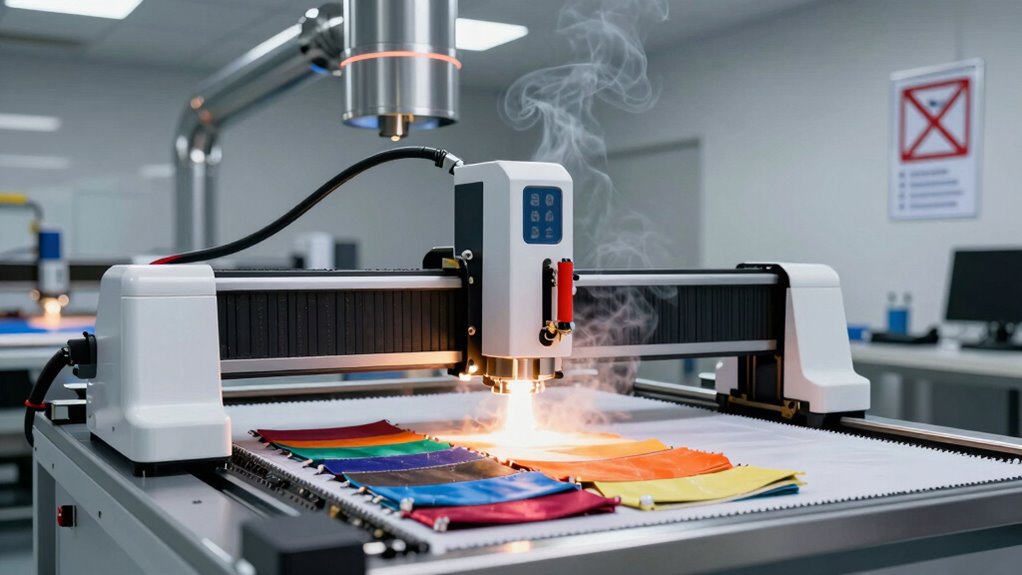

When laser cutting fabric, don’t underestimate the importance of ventilation. Proper airflow helps manage harmful fumes, especially from synthetic materials like polyester and PVC, which can be toxic. Always wear protective gear—gloves, goggles, and masks—to shield yourself from debris and fumes. Installing an effective fume extraction system is vital. To stay safe, avoid high-risk fabrics and maintain your equipment. There’s plenty more essential info about safe practices and materials you should know.
Listen free for 30 days with Audible
Thousands of audiobooks and originals — cancel anytime.
As an affiliate, we earn on qualifying purchases.
Key Takeaways
- Ensure proper ventilation with fume extraction systems to maintain air quality and reduce health risks during laser cutting.
- Avoid cutting synthetic fabrics like PVC and nylon, which release toxic fumes and increase fire hazards.
- Use personal protective equipment, including gloves, goggles, and respiratory masks, to safeguard against injuries and harmful fumes.
- Regularly maintain your laser cutter and familiarize yourself with emergency features for optimal safety during operation.
- Choose safer materials like cotton and canvas, and consult safety data sheets for hazardous material awareness.
fume extraction system for laser cutter
As an affiliate, we earn on qualifying purchases.
As an affiliate, we earn on qualifying purchases.
Why Ventilation Is Crucial for Safe Laser Cutting
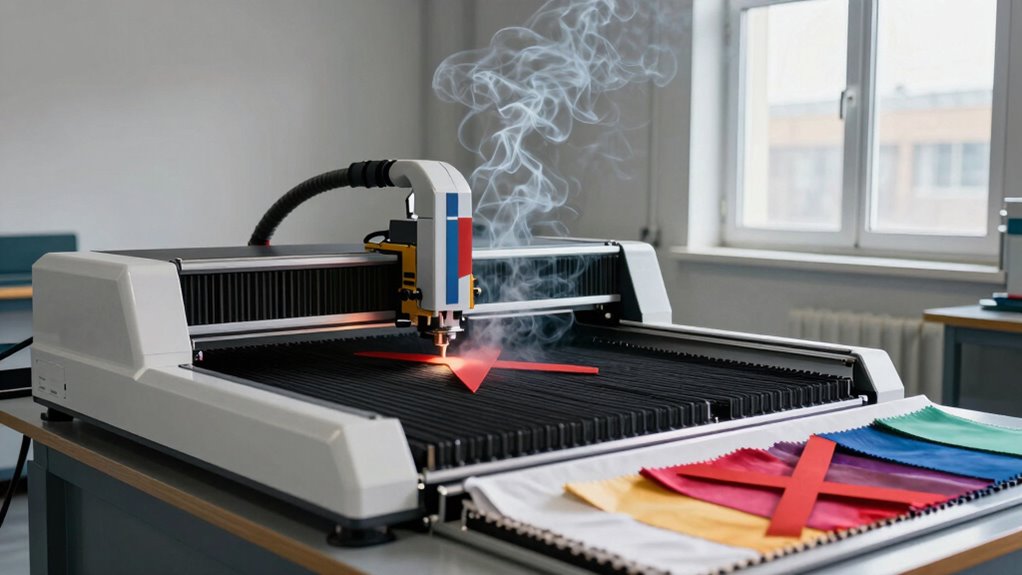
Ventilation is essential for safe laser cutting, as it directly affects air quality and worker health. Proper airflow dynamics guarantee that harmful fumes generated during the cutting process are effectively managed. You’ll want to set up fume extraction systems that capture and remove these pollutants from the workspace. This not only protects you but also enhances the overall cutting efficiency. When you maintain good ventilation, you’re reducing the risk of respiratory issues and other health problems caused by inhaling toxic particles. Securing a steady flow of fresh air keeps the environment safe and comfortable, allowing you to focus on your work without worry. Don’t underestimate the importance of ventilation; it’s a key component of safe and effective laser cutting.
Common Fumes Released by Different Fabrics
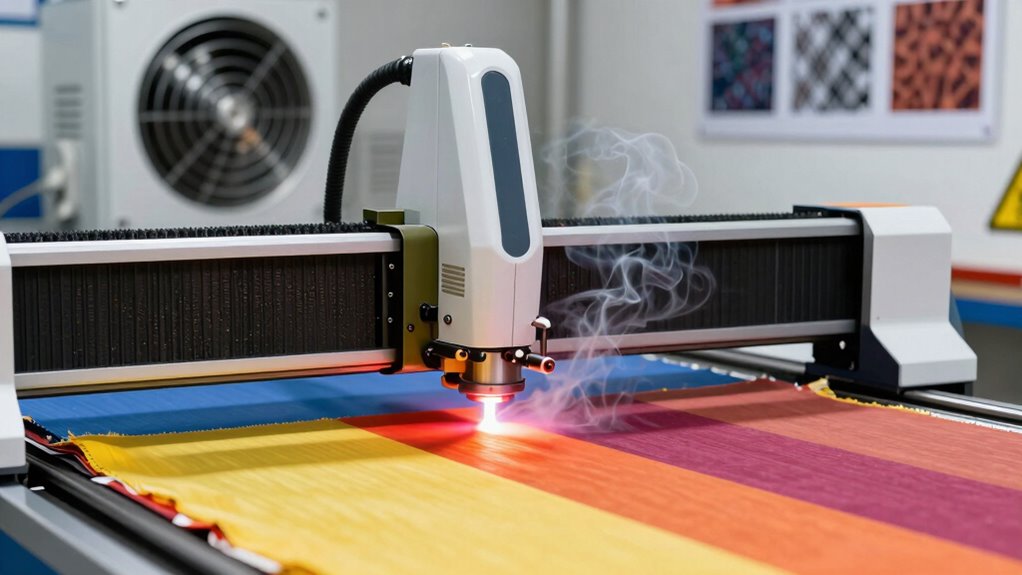
When working with laser cutting, you need to be aware of the fumes released by different fabrics. Each fabric has a unique fume composition that can impact your health. For instance, cutting cotton typically emits less harmful fumes compared to synthetic materials like polyester or nylon, which can release toxic compounds. Proper fabric identification is essential; knowing whether you’re dealing with natural or synthetic fibers can help you anticipate the fumes you’ll encounter. For example, acrylic can produce irritating fumes, while wool generally releases less harmful smoke. Always check the material’s specifications before cutting, as this knowledge can guide your safety precautions and ventilation needs, ensuring you work in a safer environment.
Must-Have Safety Gear for Laser Cutting

When you’re laser cutting fabric, wearing the right safety gear is vital. You’ll need essential protective equipment to shield yourself from potential hazards, especially eye protection. Let’s explore what you should have on hand to stay safe during your projects.
Essential Protective Equipment
To guarantee your safety while laser cutting fabric, wearing the right protective equipment is essential. Start with protective gloves to shield your hands from sharp edges and potential burns. Safety goggles are important for protecting your eyes from flying debris and harmful light. Don’t overlook respiratory masks; they filter out harmful fumes generated during the cutting process, ensuring you breathe clean air. Additionally, having a fire extinguisher on hand is critical in case of unexpected flare-ups. These items form the backbone of a safe working environment, allowing you to focus on your project without worrying about safety hazards. Always make sure your gear is in good condition and readily accessible before you start cutting. Recognizing early warning signs of potential hazards can also enhance your safety while working. Using a well-ventilated space is crucial for minimizing the buildup of harmful fumes, ensuring a safer cutting experience. Regularly checking and maintaining your protective equipment will further enhance your safety during the cutting process. Furthermore, understanding real-world safety practices can empower you to make better decisions while working. In addition, ensuring proper ventilation systems can significantly reduce the risk of inhaling harmful particles during the cutting process.
Eye Protection Necessities
How can you guarantee your eyes stay safe while laser cutting fabric? The first step is investing in high-quality protective eyewear. Standard glasses won’t cut it; you need glasses specifically designed for laser work. These should filter harmful wavelengths and reduce glare, ensuring your eye safety throughout the cutting process. Additionally, consider incorporating skin protection tips to safeguard your skin from potential laser exposure. The right protective gear is crucial, as even brief exposure can lead to irreversible eye damage. In the same way that cybersecurity measures are essential for protecting sensitive data, proper eye protection is vital for safe laser cutting. Furthermore, consider using essential oils for respiratory health to help counteract any fumes generated during the cutting process.
Always wear your protective eyewear, even if you think you’ll be quick. Lasers can produce unexpected flashes, and the damage they cause can be irreversible. Additionally, consider using face shields for extra protection against stray particles. Incorporating specialized safety gear into your workspace can further enhance your overall protection while laser cutting.
Setting Up Your Ventilation System
Setting Up Your Ventilation System
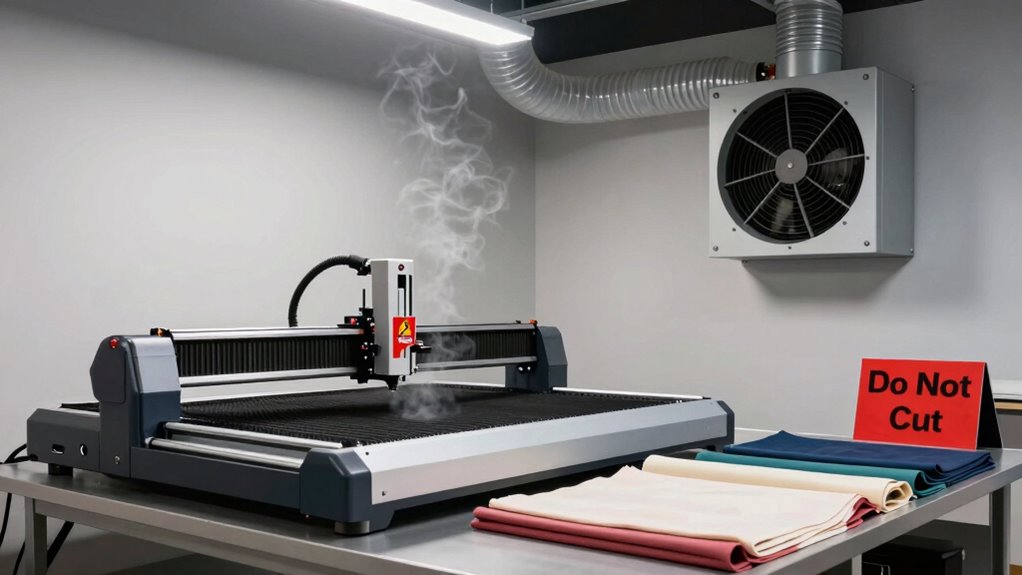
Setting up your ventilation system is essential for maintaining a safe workspace while laser cutting fabric. You need to evaluate various ventilation types and proper duct sizing to guarantee effective fume extraction. Here’s a quick reference table to help you decide:
| Ventilation Type | Benefits | Considerations |
|---|---|---|
| Local Exhaust | Targets fumes directly | Requires proper ducting |
| General Ventilation | Circulates fresh air | May dilute fumes |
| Filtration Systems | Captures harmful particles | Higher initial cost |
| Downdraft Tables | Reduces fume exposure | Space requirements |
| Portable Units | Flexibility in setup | Limited reach |
In addition, integrating smart home technology can enhance your workspace by automating ventilation control based on fume levels. Proper ventilation is crucial for ensuring safe movement basics and minimizing health risks associated with harmful fumes. Additionally, maintaining data security in your smart home setup can help protect your ventilation system from potential vulnerabilities. Regularly monitoring cooling performance will also ensure that your system operates efficiently. Remember that poor ventilation can also lead to increased levels of microplastics in dust, which can negatively impact indoor air quality.
Hazardous Fabrics to Avoid When Laser Cutting
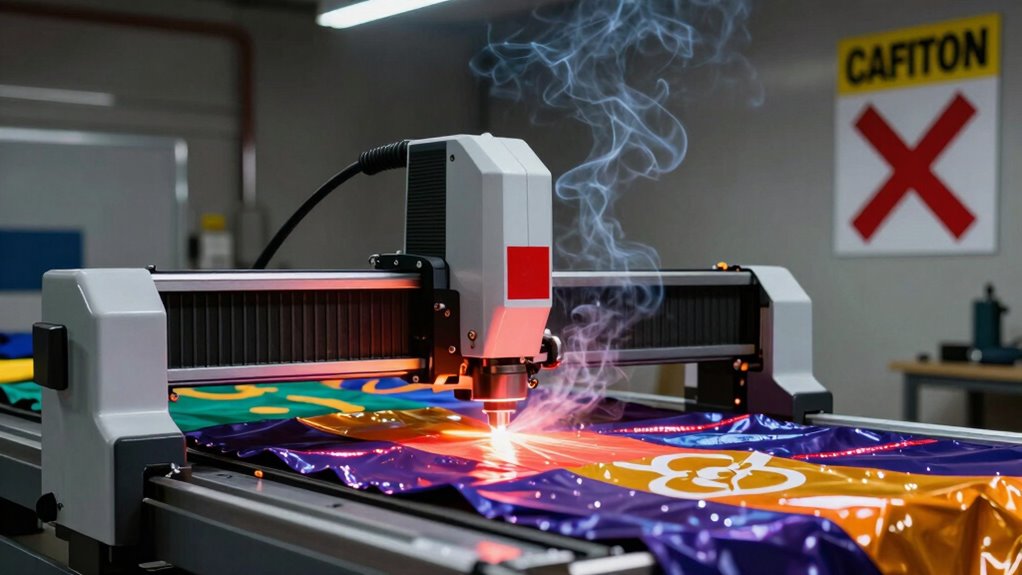
When laser cutting fabric, you need to be cautious about certain materials that can pose serious risks. Fabrics like PVC, vinyl, nylon, and polyester can release harmful fumes or even catch fire. Avoiding coated fabrics is also essential, as their finishes can create dangerous smoke and residue.
PVC and Vinyl Fabrics
While many fabrics are suitable for laser cutting, PVC and vinyl fabrics pose significant hazards that you should be aware of. PVC properties include the release of toxic fumes when heated, which can be harmful to your health and the environment. Vinyl applications, often used for banners and upholstery, emit chlorine gas when cut, creating serious risks if proper ventilation isn’t in place. These fumes can lead to respiratory issues or long-term health problems. It’s essential to avoid cutting these materials with a laser cutter. Instead, consider alternative methods like die cutting or scissors for working with PVC and vinyl. Prioritizing safety guarantees a healthier workspace for you and those around you. Additionally, ensuring proper ventilation systems can help mitigate some of the risks associated with laser cutting hazardous materials. Furthermore, utilizing advanced technology in your workspace can improve safety measures. Moreover, water damage can also affect the integrity of your workspace and tools, making it crucial to maintain a safe environment. Furthermore, using best home security systems can enhance your workspace safety by protecting equipment and materials from theft or damage. Understanding the importance of self-care for caregivers can also contribute to a more effective and healthy work environment.
Nylon and Polyester Risks
Nylon and Polyester Risks (Hazardous Fabrics to Avoid When Laser Cutting)
Although nylon and polyester are popular for various applications, cutting these synthetic fabrics with a laser can present serious risks. The nylon properties, such as high melting points, lead to potential hazards when exposed to intense heat. Meanwhile, polyester melting can release harmful fumes that may cause respiratory issues. Always ensure proper ventilation when working with these materials, as maintaining indoor air quality is essential for a safe workspace. Additionally, awareness of toxic gases released during the cutting process is crucial for minimizing health risks.
| Risk Factor | Description |
|---|---|
| Fumes | Toxic gases released during cutting |
| Melting | Fabric can warp or deform |
| Fire Hazard | High flammability can ignite easily |
Always guarantee proper ventilation when working with these materials. If you’re laser cutting, consider safer alternatives. Being aware of these risks will help you maintain a safer workspace.
Coated Fabrics Hazards
Coated fabrics, such as those with polyurethane or PVC finishes, pose significant hazards when laser cutting. The fumes released during the cutting process can be toxic, leading to health risks if inhaled. Additionally, these materials can produce harmful smoke and residues that may damage your equipment. When using cutting techniques on coated fabrics, it’s essential to guarantee proper ventilation to minimize exposure to these hazards. Always check the specific safety data sheets for the materials you’re working with, as some coatings can ignite easily, increasing fire risks. Avoid using laser cutters on these fabrics unless you have the right safety measures in place. Prioritize your health and equipment safety by steering clear of coated fabrics during your projects.
How to Minimize Fume Exposure
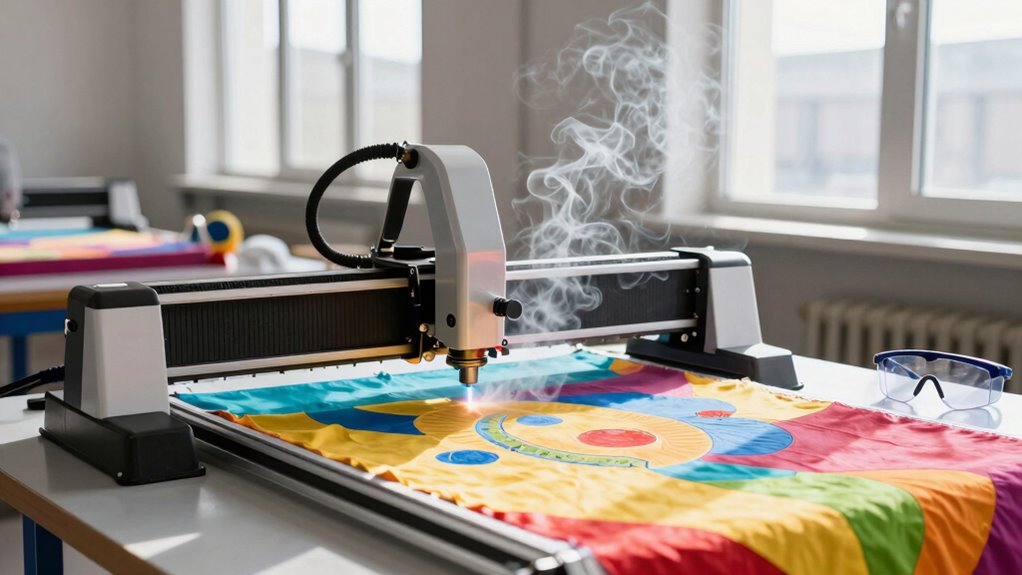
To keep your workspace safe during laser cutting, it’s essential to minimize fume exposure. Start by investing in a reliable fume extraction system. This helps maintain air quality and protects your health. Always guarantee your workspace is well-ventilated; open windows or use exhaust fans when possible. Additionally, ensure that your tools and equipment are regularly inspected to adhere to extension cord standards, which can further enhance safety in your workspace. Proper ventilation is crucial because it reduces the concentration of harmful fumes that can accumulate during cutting.
| Action | Benefit | Emotion Evoked |
|---|---|---|
| Use fume extraction | Cleaner air | Relief |
| Ventilate workspace | Fresh environment | Comfort |
| Regular maintenance | Safe cutting | Confidence |
Safe Materials for Laser Cutting
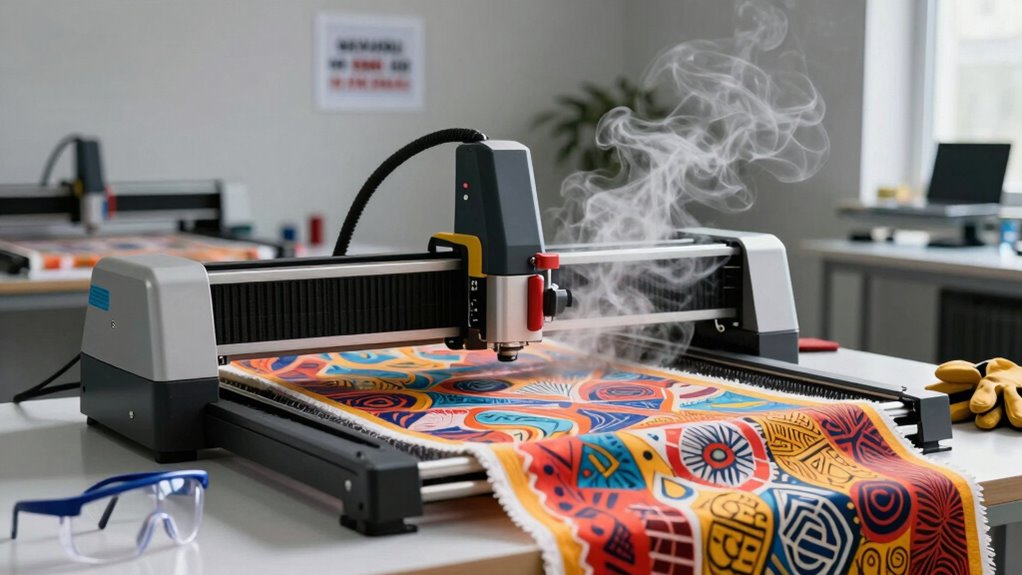
When working with laser cutting, selecting safe materials is key to ensuring both quality and safety. Certain fabric types work well with various cutting techniques, allowing you to achieve precise results without compromising your health. Here are some safe materials for laser cutting:
Selecting safe materials is crucial for quality laser cutting, ensuring precise results while prioritizing your health.
- Cotton: Great for detailed designs and burns cleanly.
- Polyester: Durable and versatile, it handles heat well.
- Nylon: Strong and flexible, perfect for intricate cuts.
- Felt: Easy to cut and provides a soft finish.
- Canvas: Sturdy and suitable for larger projects.
Avoid synthetic fabrics with high PVC content, as they can release harmful fumes. By choosing the right materials, you’ll enhance your laser cutting experience and keep safety a top priority. Additionally, consider incorporating eco-friendly materials into your projects for a sustainable approach to crafting.
Tips for Operating Your Laser Cutter Safely
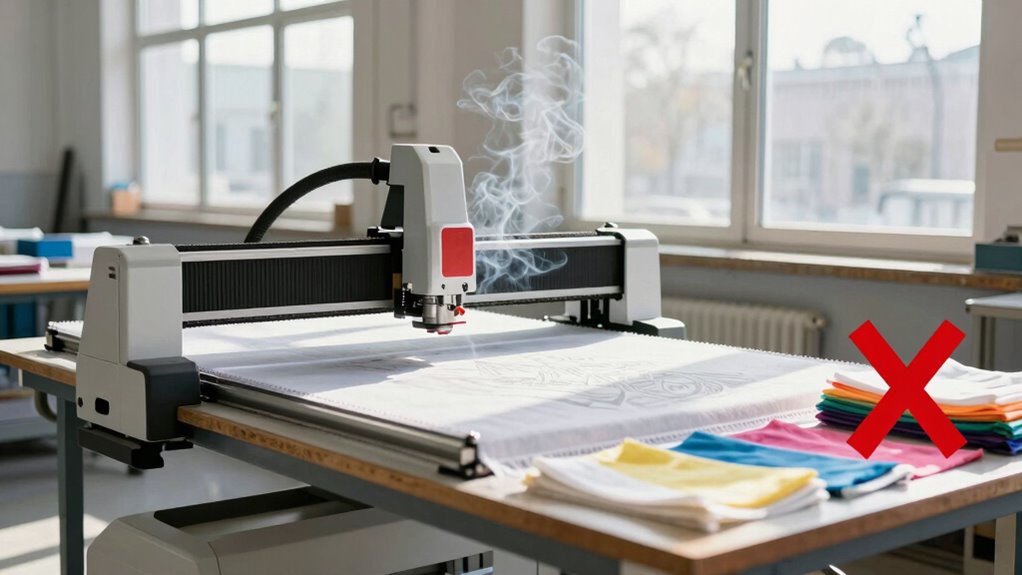
While operating your laser cutter, prioritizing safety is vital to avoid accidents and guarantee smooth operation. Always follow safe operating procedures: wear appropriate personal protective equipment, including safety glasses and gloves. Make certain your workspace is clean and free from flammable materials. Regular laser cutter maintenance is essential; check for any loose parts, clean lenses, and keep the machine free from debris to achieve peak performance. Familiarize yourself with your machine’s emergency shut-off features and keep a fire extinguisher nearby. Avoid distractions while cutting, and never leave the machine unattended during operation. By adhering to these guidelines, you’ll create a safer environment for yourself and enhance the quality of your work.
First Aid Responses for Laser Cutting Emergencies
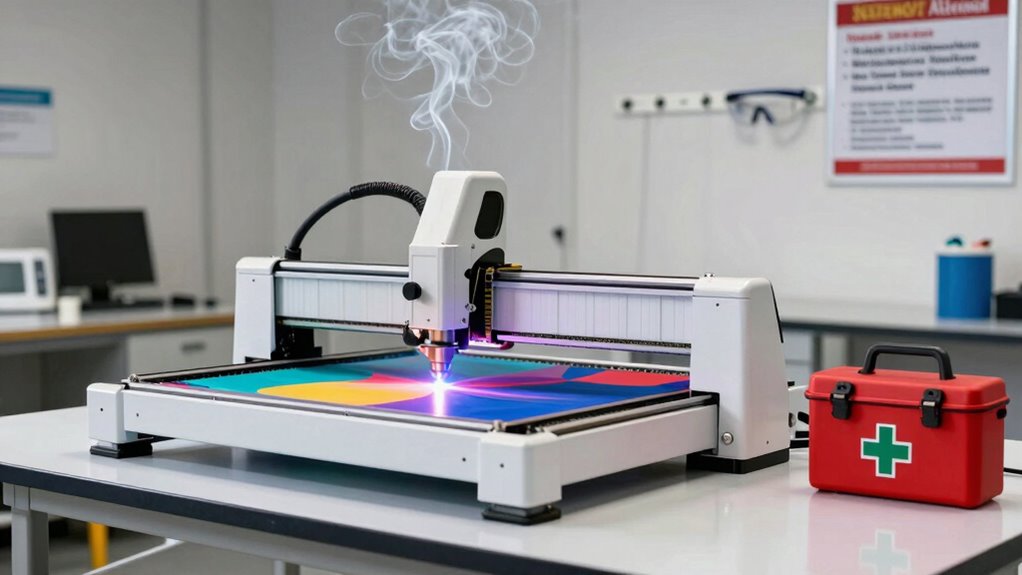
In the event of a laser cutting emergency, knowing how to respond quickly can make all the difference. Implementing proper emergency procedures can help minimize injuries and guarantee safety. Here are some essential first aid responses you should follow:
In a laser cutting emergency, swift action and proper procedures can significantly enhance safety and minimize injuries.
- Assess the situation: Verify it’s safe to approach before acting.
- Call for help: Alert a colleague or emergency services if needed.
- Control bleeding: Apply pressure to any bleeding wounds using a clean cloth.
- Cool burns: Use cool water on burns, avoiding ice to prevent further tissue damage.
- Document the incident: Record details for future reference and safety improvements.
Frequently Asked Questions
Can I Use a Household Vacuum for Laser Cutting Ventilation?
You shouldn’t use a household vacuum for laser cutting ventilation. Household vacuums aren’t designed to handle the fumes and particles produced during laser cutting, which can lead to clogs or even fires. Instead, invest in a proper ventilation system tailored for laser cutting. This will guarantee you effectively remove harmful fumes and keep your workspace safe. Your health and equipment longevity depend on using the right tools for ventilation.
What Types of Fabrics Are Safest for Beginners?
For beginners, cotton and polyester blends are the safest fabric types to start with. They cut cleanly and handle heat well, reducing the risk of burning. Avoid fabrics like nylon or vinyl, as they can melt and create harmful fumes. Beginner tips include testing on scraps first and adjusting settings for different thicknesses. Always guarantee you’ve got proper ventilation to keep your workspace safe while experimenting with these materials.
How Often Should I Replace My Ventilation Filters?
You should replace your ventilation filters every 1 to 3 months, depending on usage and the environment. Regular filter maintenance is key to ensuring maximum ventilation efficiency. If you notice reduced airflow or increased odors, it’s time to check and possibly replace them sooner. Keeping your filters clean not only improves air quality but also enhances the longevity of your ventilation system, making your workspace safer and more comfortable.
Are There Any Specific Laser Cutter Brands Recommended for Fabric?
For fabric cutting, brands like Epilog, Trotec, and Glowforge are highly recommended. They offer precision and reliability, essential for effective fabric cutting techniques. Make certain you follow proper laser cutter maintenance to keep your machine in prime condition. Regularly check for alignment and clean lenses to guarantee peak performance. You’ll find that a well-maintained cutter not only enhances your projects but also extends the lifespan of your equipment.
What Are the Long-Term Health Effects of Laser Cutting Fumes?
You might think that laser cutting fumes are just a minor concern, but they can seriously impact your health over time. Prolonged exposure to fume composition from cutting materials can lead to respiratory issues, headaches, and even long-term lung damage. To protect yourself, always follow health guidelines for ventilation and use appropriate filtration systems. Investing in safety measures now helps guarantee you stay healthy while enjoying your creative projects.
Conclusion
In the world of laser cutting, you’re not just crafting; you’re dancing with danger! Without proper ventilation, those toxic fumes can swirl around like a sinister fog, ready to invade your lungs. Equip yourself with safety gear, and steer clear of hazardous fabrics—imagine the chaos of molten materials erupting like a volcano! By following these guidelines, you’ll transform your workspace into a fortress of safety, allowing your creativity to soar without fear of fumes lurking in the shadows.
Flea & tick season Picks
flea and tick prevention
As an affiliate, we earn on qualifying purchases.