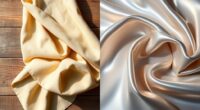
Clothes fade because of factors like poor dye fixation, dye migration, fabric quality, and environmental exposure, which cause colors to wash out or weaken over time. When dyes don’t properly set in the fabric or transfer during washing, your clothes lose vibrancy and can stain other garments. You can test for colorfastness by checking for color transfer with a damp cloth or exposing fabrics to sunlight. Keep exploring to learn more about protecting your wardrobe’s color.
Key Takeaways
- Clothes fade due to poor dye fixation, dye migration, or exposure to light, moisture, and repeated washing.
- Unstable or low-quality dyes are more prone to fading and washing out over time.
- Fabric durability influences colorfastness; weaker fabrics are more susceptible to fading.
- Testing at home involves checking for color transfer with a damp cloth and exposing fabric samples to sunlight.
- Proper dyeing processes and fabric care help maintain colorfastness and prevent premature fading.

Colorfastness refers to a fabric’s ability to retain its color when exposed to washing, light, rubbing, or other environmental factors. When your clothes fade after a few washes, it’s often due to poor colorfastness, which can be influenced by factors like dye migration and fabric durability. Dye migration occurs when dyes from one part of the fabric transfer to another or to other garments, especially during washing or exposure to moisture. This process weakens the color integrity of your clothes and leads to uneven fading or staining of other garments in the wash. Fabric durability also plays a notable role; if the fabric isn’t resilient enough or the dye isn’t properly bonded during manufacturing, the color can easily wash out or fade over time.
Colorfastness determines how well fabrics retain their color against washing, light, and environmental factors.
Understanding dye migration helps you grasp why some clothes lose their vibrancy quickly. Fabrics with unstable dyes or improper dye fixation are more prone to dye migration, making their colors less colorfast. For you, this means that choosing garments made with high-quality dyes and proper dyeing processes can considerably extend the life of your clothing’s color. Look for clothes labeled as colorfast or with detailed care instructions, as these are often treated to resist dye migration and maintain color over multiple washes.
Fabric durability also influences how well a garment keeps its original hue. Strong, well-constructed fabrics resist wear and tear, which prevents the dyes from loosening or fading prematurely. Conversely, delicate or poorly manufactured fabrics may not withstand repeated washing or exposure to sunlight, accelerating color loss. When shopping, focus on fabrics known for their durability, such as tightly woven cotton, polyester blends, or treated fabrics designed to resist fading.
To test colorfastness yourself, you can perform simple home tests. For instance, dampen a hidden area of the fabric and press it with a white cloth or paper towel. If color transfers, the fabric’s dye isn’t fully fixed and may fade quickly in real use. Similarly, exposing a small swatch to sunlight for a few hours can reveal how well the color withstands light exposure. These tests give you an idea of how durable the color is before you commit to wearing or washing the garment frequently.
colorfastness test kit for clothes
As an affiliate, we earn on qualifying purchases.
As an affiliate, we earn on qualifying purchases.
Frequently Asked Questions
How Can I Prevent My Clothes From Fading Over Time?
To prevent your clothes from fading over time, focus on maintaining dye stability and fabric longevity. Wash clothes in cold water, as hot water can break down dyes, and use gentle detergents designed for color protection. Turn garments inside out before washing, and avoid prolonged sun exposure when drying. These habits help preserve vibrant colors, ensuring your clothes stay looking new longer while protecting their dye stability and overall fabric longevity.
Are There Specific Detergents That Help Preserve Colorfastness?
Think of detergent selection as your clothes’ shield against fading. Yes, there are specific detergents designed to boost dye stability and preserve colorfastness. Look for those labeled as color-safe or gentle, as they help prevent dyes from washing out. By choosing the right detergent, you’re giving your clothes a fighting chance to stay vibrant longer, keeping your wardrobe looking fresh and colorful, just like a painter’s palette.
Does Washing Clothes Inside Out Reduce Fading?
Washing clothes inside out helps reduce fading by protecting the fabric dye migration process, which can cause color loss. When you do this, the outer surface faces less friction and abrasion, preserving garment color preservation. This simple step minimizes the direct impact of washing, helping your clothes stay vibrant longer. So, always turn your clothes inside out before washing to maintain their color and extend their lifespan.
Can Fabric Softeners Affect Colorfastness Negatively?
Fabric softener effects can negatively impact colorfastness by increasing dye migration, which causes colors to fade faster. When you use softeners, they can weaken the dye bonds in your clothes, making the colors less vibrant over time. To protect your garments, consider avoiding softeners on colored fabrics or choosing ones specifically formulated to preserve color. This helps maintain your clothes’ brightness and prevents premature fading.
How Do Different Washing Machine Settings Impact Color Retention?
You can protect your clothes’ color by adjusting washing machine settings. Using a gentle cycle reduces fabric dye migration, minimizing fading. Cold water temperature is best because it limits dye loss and water temperature effects that cause color bleeding. Avoid hot water, which speeds up dye migration and fades colors faster. Always choose the right cycle and temperature to keep your clothes vibrant and lasting longer.

Zero Trace Color Catchers for Laundry – Protects Clothes with Laundry Color Dye Catcher Sheets and Bleed Remover – 80 Sheets
ULTIMATE COLOR PROTECTION: Safeguard your clothing with color dye catcher sheets and color grabbing laundry sheets, designed to…
As an affiliate, we earn on qualifying purchases.
As an affiliate, we earn on qualifying purchases.
Conclusion
Understanding colorfastness helps you choose clothes that stay vibrant longer. For example, imagine wearing a bright red shirt that fades after just a few washes—disappointing, right? By testing fabric colorfastness beforehand, you can avoid this letdown and enjoy your favorite garments for years. So, next time you buy new clothes, remember to check their colorfastness, ensuring your wardrobe stays as lively as the day you bought it.
Guardsman Fabric Defense & Upholstery Water Repellent Spray, Protector & Stain Prevention for Microfiber, Rugs, Carpeting, Fabric Furniture, Apparel, and Shoes, Unscented, 11 oz
Provides ultimate stain; dirt; and waterproofing defense for any fabric upholstery; including leather; suede; and nubuck; great for…
As an affiliate, we earn on qualifying purchases.
As an affiliate, we earn on qualifying purchases.
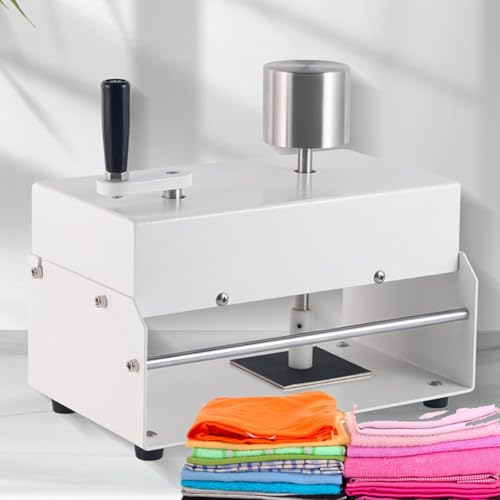
A Manual colorfastness Tester detects Color Transfer in Textiles, ensuring The Durability of Knitted and Printed Fabrics
User-Friendly Friction Tester: Designed to accurately measure color transfer from textiles to various sur-faces due to friction, ensuring…
As an affiliate, we earn on qualifying purchases.
As an affiliate, we earn on qualifying purchases.