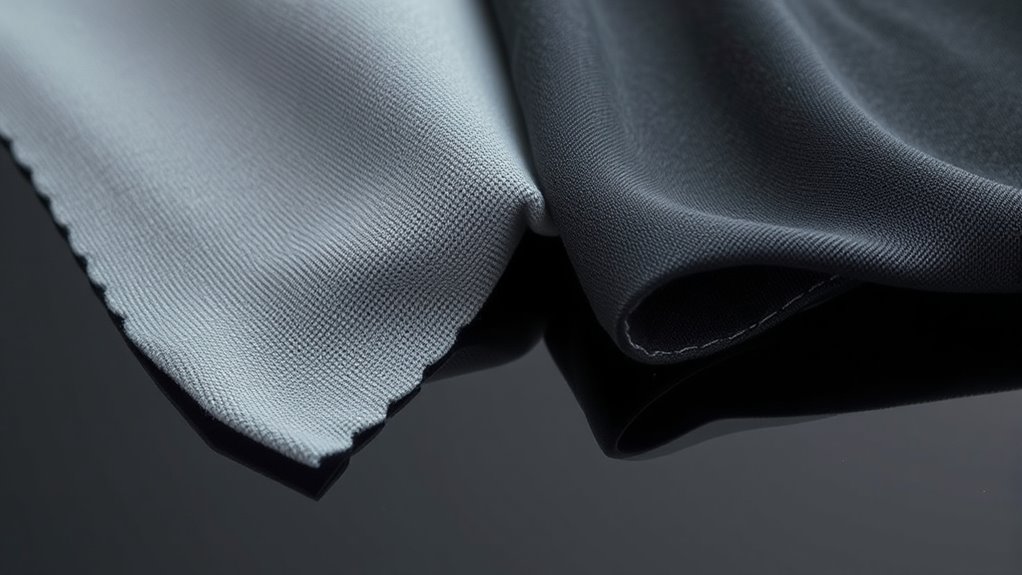

When choosing between polyester and nylon, consider durability and environmental impact. Nylon offers exceptional strength, abrasion resistance, and is great for tough outdoor gear, but it uses more energy to produce and sheds microfibers that pollute waterways. Polyester, especially recycled options, resists shrinking, wrinkles, and is easier to care for, with a lower environmental footprint. Both fabrics last long, but your choice depends on balancing performance needs with eco-conscious values—you’ll uncover more details if you keep exploring.

Get your wardrobe favorites delivered free — and shop member deals
- Fast, free delivery on millions of items
- Access to Prime Big Deal Days deals on October 6–7
- Prime Video, Amazon Music and more included
Key Takeaways
- Nylon offers higher durability and abrasion resistance, making it suitable for demanding outdoor applications.
- Polyester resists shrinking, stretching, and wrinkling, requiring less maintenance and retaining shape longer.
- Nylon production is more energy-intensive and has a larger carbon footprint than recycled polyester options.
- Both fabrics shed microfibers, but recycled polyester is a more eco-friendly choice with lower environmental impact.
- Nylon is better for heavy-duty use, while polyester is ideal for everyday wear and lighter activities.
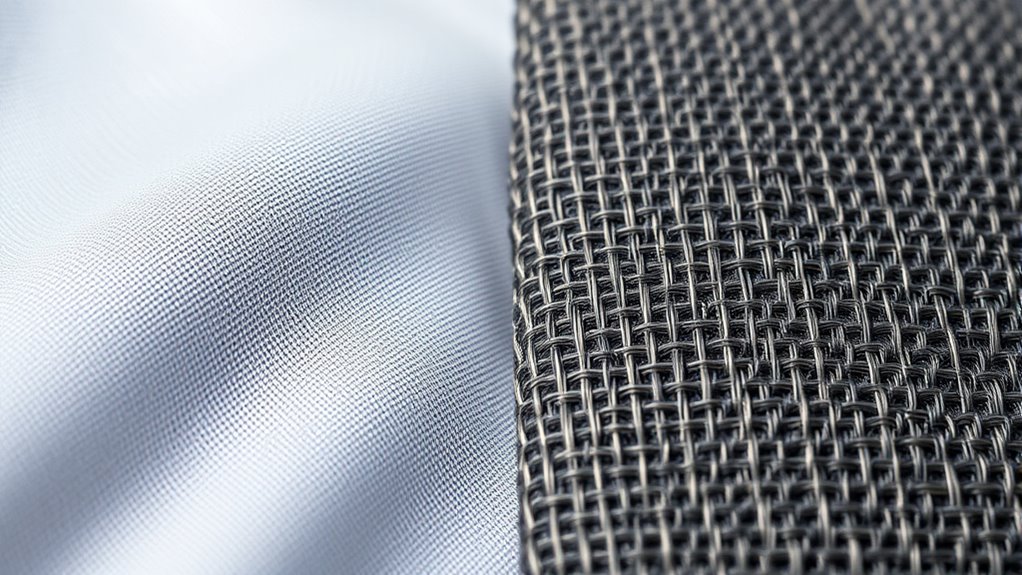
When choosing between polyester and nylon, understanding their differences can help you make the best decision for your needs. Both fabrics are popular synthetic options, but they have distinct characteristics that influence their performance, longevity, and environmental footprint. Durability concerns are often at the forefront of your mind, especially if you want gear or clothing that lasts. Nylon is generally recognized for its exceptional strength and abrasion resistance. If you’re looking for a material that withstands rough conditions, nylon is a solid choice. It resists tearing and can handle frequent use, making it ideal for outdoor gear like backpacks, tents, and hiking apparel. Polyester, while also durable, tends to be slightly less resilient against abrasion but offers good resistance to stretching and shrinking. Both fabrics hold up well over time, but nylon’s toughness often gives it an edge in demanding environments.
Environmental impact is another critical factor to weigh up. Manufacturing both nylon and polyester involves the use of fossil fuels, which contributes to carbon emissions. However, nylon production is generally more energy-intensive, leading to a larger carbon footprint. Additionally, nylon tends to shed microfibers during washing, which can pollute waterways and harm marine life. Polyester also releases microfibers, but because it’s more widely recycled and can be made from recycled PET bottles, it has a somewhat lower environmental impact if you opt for recycled varieties. Still, neither fabric is biodegradable, meaning they persist in the environment long after discard. If environmental concerns carry significant weight in your decision, you might want to explore alternative fabrics or recycled options within polyester, which are becoming increasingly available. Moreover, microfiber pollution from both fabrics is an ongoing environmental challenge that affects ecosystems worldwide.
In terms of care and longevity, polyester often requires less maintenance. It resists shrinking, stretching, and wrinkling, making it easier to clean and retain its shape over time. Nylon might need a bit more attention, especially in terms of avoiding prolonged exposure to sunlight, as UV rays can degrade its fibers. When choosing between the two, think about how much wear and tear your items will face and how important environmental sustainability is to you. Polyester’s lower energy costs in production and the availability of recycled options make it a more eco-conscious choice, but nylon’s superior durability might be worth the trade-off for heavy-duty applications. Ultimately, your decision should balance your specific durability needs with your environmental priorities, ensuring you pick the fabric that aligns best with your values and intended use.
As an affiliate, we earn on qualifying purchases.
Frequently Asked Questions
How Do Polyester and Nylon Fabrics Compare in Environmental Impact?
You should know that polyester and nylon both have environmental impacts, mainly due to biodegradability concerns. Polyester takes hundreds of years to break down, contributing to pollution, while nylon also persists in the environment. To minimize your ecological footprint, look for eco-friendly alternatives like recycled fabrics or natural fibers. Choosing these options helps reduce waste and supports sustainable practices, making your fashion choices more environmentally conscious.
What Are the Best Uses for Polyester Versus Nylon?
You might think both fabrics are interchangeable, but polyester excels in fashion versatility and durability, making it perfect for everyday wear and stylish accessories. Nylon, on the other hand, is lightweight and resilient, ideal for athletic performance gear like activewear, backpacks, and outdoor gear. So, when choosing between them, consider whether you need a versatile fabric for fashion or a high-performance material for sports and outdoor activities.
Can Polyester or Nylon Be Recycled Effectively?
You can recycle polyester and nylon, but recycling challenges exist due to their complex chemical structures. Polyester often gets recycled into fibers for clothing and textiles, making it relatively eco-friendly when properly processed. Nylon recycling is more difficult but still possible through specialized methods. To reduce environmental impact, seek out eco-friendly alternatives like recycled polyester or nylon, which help minimize waste and lower the demand for virgin materials.
How Do Care Instructions Differ Between Polyester and Nylon?
You might find that caring for polyester is a bit more straightforward, thanks to its excellent stain resistance and durability. For polyester, machine wash in cold water and tumble dry on low to keep it looking its best. Nylon, while also durable, benefits from gentle washing and air drying to prevent damage. Both fabrics handle regular care well, but paying attention to these instructions helps maintain their vibrant appearance and longevity.
Are There Health Concerns Associated With Wearing Polyester or Nylon?
You might wonder if wearing polyester or nylon raises health concerns. Generally, synthetic fiber health issues are minimal, but fabric chemical safety is important. Some people may experience skin irritation due to chemical residues from manufacturing or dyeing processes. To reduce risks, wash new garments before wearing, choose high-quality brands, and opt for natural fibers if you have sensitive skin. Overall, most wearers find these fabrics safe for everyday use.
Conclusion
When choosing between polyester and nylon, consider their strengths based on your needs. Polyester resists UV damage and retains color longer, making it ideal for outdoor use. Nylon offers superior strength and elasticity, perfect for active wear. Notably, nylon accounts for about 60% of the world’s synthetic fiber production, highlighting its popularity. By understanding these differences, you can select the fabric that best suits your lifestyle, ensuring durability and performance tailored to your needs.
Fall Picks
fall essentials
As an affiliate, we earn on qualifying purchases.