TL;DR

Get your wardrobe favorites delivered free — and shop member deals
- Fast, free delivery on millions of items
- Access to Prime Big Deal Days deals on October 6–7
- Prime Video, Amazon Music and more included
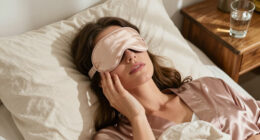
A luxury silk sleep mask can make a bright bedroom darker and feel smooth against your skin, but silk alone does not guarantee better sleep or prevent wrinkles. Check the fiber content, strap, shape, seams, care label, and return policy, then judge the mask by how comfortably it fits when you lie down.
A strip of streetlight under the curtains can turn a dark bedroom into a glowing one—and a sleep mask that presses on your eyelids can make the fix feel worse than the problem. A luxury silk sleep mask is meant to help with both comfort and darkness, but a high price or a shiny box does not tell you whether it will fit.
What makes a mask feel luxurious is usually a combination of materials, construction, and fit. In this blog article, you’ll learn what to check before buying, how flat and contoured designs differ, what silk can and cannot do, and how to care for a mask without damaging it. You’ll also get practical key facts for comparing products beyond the label.
Check whether silk covers the face side, both sides, or only part of a hybrid mask.
Choose flat or contoured based on eyelid pressure, nose fit, sleeping position, and light gaps.
Treat silk as a comfort preference; do not rely on claims that it prevents wrinkles or cures sleep problems.
Test strap comfort and light blocking while lying on your back and side, and check the brand’s return policy.
Follow the mask’s own care label; many silk items need gentle washing and air drying.
What makes a silk sleep mask feel genuinely luxurious?
A luxury silk sleep mask pairs a smooth, comfortable fabric with careful stitching, a reliable strap, and a shape that blocks light without pressing uncomfortably on your eyes. The word “luxury” points to a package of details, not one magic material or price tag. A silk face covering can still feel scratchy at the seams or slide around if its design misses your needs.
Mulberry silk is common in premium masks; the name refers to the silkworms’ diet and is often used to describe a consistent silk supply. But the label alone does not tell you everything about the finished mask. Check whether the product lists silk on one side or both, what the lining and padding contain, and whether the seams look neat rather than bulky.
Imagine opening a gift-boxed mask before a weekend trip. The pouch is lovely, but the strap twists and the nose bridge lets in a bright wedge of light. The packaging adds polish; it cannot fix the fit. Look for clear fiber-content details, secure stitching, and a return policy that gives you a chance to test the mask at home.
Momme is a unit used to describe silk fabric weight. A higher momme number means heavier fabric, not automatically a softer or better sleep mask. If a brand lists it, treat it as one detail beside construction and comfort—not a score that settles the decision.
As an affiliate, we earn on qualifying purchases.
Will silk help you sleep better—or just feel nicer?
A luxury silk sleep mask can help you sleep by reducing unwanted light, while its smooth, lightweight feel may make it more pleasant to wear. The mask’s main practical job is to darken your view; silk is a fabric choice, not a treatment for every sleep problem. If noise, an uncomfortable mattress, or an irregular schedule keeps you awake, a mask will not solve those issues on its own.
Silk’s smooth surface may create less friction against skin and hair than rougher fabrics, which some people appreciate around delicate eyelids. That comfort benefit is not proof that silk prevents wrinkles, stops hair breakage, or treats skin conditions. Claims that it is automatically hypoallergenic also go too far: someone can react to silk, dyes, elastic, or fabric finishes.
For example, if the early summer sun slips through your blinds at 5 a.m., a well-fitting mask may give you a darker stretch of morning. If you wake because the strap digs into your temple, the material’s softness will not cancel out that pressure. Try the mask while lying on your back and side; a comfortable fit in a shop or while sitting upright may change once you settle into bed.
Think of silk as a comfort feature, not a sleep cure. A mask needs to block light and feel good enough that you actually keep wearing it.
Flat or contoured: which shape suits the way you sleep?
Choose a flat mask if you want a simple, packable design that sits close to your face; choose a contoured mask if you want more room around your eyelids. Neither style wins for everyone, because faces, sleeping positions, and pressure preferences differ. A design that feels airy over your eyes may still leave a gap at the nose.
| Feature | Flat mask | Contoured mask |
|---|---|---|
| Feel around the eyes | Sits closer to eyelids | Creates space over eyelids |
| Packing | Usually easy to fold into a pouch | Can take up more room |
| Possible tradeoff | May feel like it presses on eyes | May let light through near the nose |
| Good test | Check for comfortable, even contact | Check eye clearance and nose fit |
Say you wear eye makeup and dislike fabric touching your lashes. A contoured shape may feel more comfortable, but the molded edge needs to sit close enough at your nose to block the dawn light. If you sleep on your side, check whether the raised cups shift against your pillow.
A flat mask often suits a traveler who wants something that slips into a small pouch beside earplugs. Try both styles in your usual sleeping position if you can. Your best choice is the one that stays in place, feels comfortable, and makes the room darker—not the one with the most elaborate silhouette.
How can you check a mask before you buy it?
Check a luxury silk sleep mask by reviewing its materials, fit, strap, stitching, care instructions, and return policy before trusting the product photos. A glossy image can show a beautiful finish while hiding a tight elastic or a lining made from another material. A few focused checks help you compare masks without relying on vague promises.
- Read the full fiber label. Confirm whether silk touches your face, covers both sides, or appears only in part of a hybrid design.
- Choose a shape for your pressure preference. Try flat for close contact or contoured for more eyelid space, then check the nose area for light gaps.
- Inspect the strap and seams. Look for adjustability, tidy stitching, and a band that stays put without pulling hair or squeezing your head.
- Check care and returns. Make sure you can follow the washing instructions and can return the mask if the fit does not work.
- Test it lying down. Wear it on your back and side for a few minutes, then notice pressure, slipping, and stray light.
For instance, a side sleeper might find that a wide adjustable strap stays steadier than a narrow band, while someone with a sensitive scalp may prefer a smooth strap that does not catch their hair. Sizing varies by brand, and sleep masks do not use one universal fit standard; use the listed measurements and the return policy instead of assuming every “standard” size feels the same.
Which premium features are useful—and which are mostly extras?
Useful premium features solve a comfort or convenience problem, while extras mainly change the look, feel, or marketing story. Adjustable wide straps, packable pouches, and carefully shaped eye cups may suit specific users. Cooling materials and weighted designs are product trends, but they are not proof of a special sleep benefit.
A hybrid mask may combine silk against the skin with foam or another material to create structure. That combination of materials can make a contoured shape possible, but read the details to learn which parts are actually silk. If you want a mask made mostly or entirely from silk, a product photo or “silky” description is not enough.
Consider a traveler packing for an overnight flight. A compact pouch is practical; a matching pillowcase may be a pleasant extra if you already planned to buy one. A weighted mask, by contrast, may appeal to someone who likes gentle pressure but feel uncomfortable to someone else. When evidence for a special sleep effect is limited, choose based on personal comfort and the ability to return it.
- Worth checking: adjustable strap, secure seams, clear fiber content, and a shape that blocks light.
- Nice but optional: matching accessories, gift packaging, and travel bundles.
- Personal preference: cooling finishes, gentle weight, and contoured padding.
Certifications may speak to particular standards, but their scope varies. Check what a named certification covers rather than assuming it proves every claim about sourcing, safety, or performance.
How do you wash silk without wearing it out?
Care for a luxury silk sleep mask by following its own care label, since silk fabric, padding, and elastic may need different treatment. Many silk items call for gentle hand washing or a delicate cycle with mild detergent, followed by air drying. Do not assume every mask can go in a washing machine just because another silk item can.
If the label allows hand washing, use cool or lukewarm water and a small amount of mild detergent. Avoid twisting the mask like a wet towel; that can strain the seams or distort padding. Rinse gently, press out extra water without wringing, and let it dry away from direct heat.
Picture washing your mask after a dusty weekend trip. A quick, rough scrub and a hot radiator might seem efficient, but heat and twisting can be hard on delicate fabric and elastic. A patient air dry takes longer and helps the mask keep its shape.
There is no standard lifespan for a silk mask. Washing frequency, fabric quality, use, storage, and strap strength all affect how long it lasts. Replace it when seams open, the strap loses tension, or the mask no longer blocks light comfortably. Store it in a clean pouch rather than loose beside keys and chargers, where it can snag.
When is a luxury silk sleep mask worth the price?
A luxury silk sleep mask is worth paying more for when you value its feel, fit, construction, or design enough to use it regularly. It is not automatically a better light blocker than a comfortable mask made from another fabric. The best comparison is between the features you will notice each night and the price you will actually pay.
Imagine two options: one has silk on the face side, an adjustable strap, tidy seams, and a return window; the other costs more because it arrives with a matching pouch and pillowcase. If your main problem is a band that slips, the adjustable strap may matter more than the bundle. If both masks fit equally well, you may decide that silk’s smooth feel is worth the extra cost—or not.
Think about your routine, too. A mask used nightly at home may justify a more durable construction, while a backup for occasional flights may need to pack flat and wash easily. Neither use calls for claims about wrinkle prevention or guaranteed sleep improvement; those promises do not replace an honest look at comfort and light blocking.
Compare fiber content, fit, construction, care, and return terms before comparing price alone. If a less expensive mask feels good and blocks the light, it may be the smarter buy. Luxury is personal: the right mask earns its place by making bedtime more comfortable, not by having the most impressive box.
Frequently Asked Questions
Do silk sleep masks help you sleep better?
A silk mask can reduce light, which may help if a streetlamp or early sunrise bothers you. It will not address every reason for poor sleep, and comfort and fit shape the result. For example, a mask that slips off overnight may not help much even if its fabric feels lovely.
Is mulberry silk better for a sleep mask?
Mulberry silk is a widely used type of silk, but the label alone does not prove that a mask is well made. Check its fiber content, finish, stitching, strap, and fit. A neatly constructed mask that stays in place may suit you better than one with a more impressive-sounding label.
What does momme mean on a silk mask?
Momme is a unit used to describe silk fabric weight; a higher number means heavier fabric. It does not automatically mean the mask feels softer or fits better. Treat momme as one product detail alongside construction and comfort.
Are silk sleep masks good for sensitive skin?
Some people find silk’s smooth feel comfortable, but silk is not guaranteed to prevent irritation or allergic reactions. Dyes, elastic, finishes, and other materials may also matter. Check the fiber details, and stop using the mask if it causes a reaction.
Do silk sleep masks prevent wrinkles?
There is not strong evidence that wearing a silk sleep mask prevents facial wrinkles. A more grounded choice is a mask that does not press hard against your face and feels comfortable through the night. For instance, try a contoured style if a flat mask pushes on your eyelids.
How should I wash a silk sleep mask?
Follow the mask’s care label because its padding and elastic may need different treatment from the silk fabric. Gentle hand washing with mild detergent and air drying are common instructions for silk items, but not every mask can be machine washed. Avoid wringing it out or putting it on a hot radiator.
Conclusion
Choose a sleep mask by how it fits and blocks light, then decide whether silk’s smooth feel is worth the extra cost for you. Check the materials, strap, care label, and return policy instead of letting a glossy package make the choice.
The right mask should disappear into your bedtime routine: no pinching, no bright sliver under the nose, just a soft patch of darkness when the rest of the room refuses to cooperate.
Halloween Picks
halloween
As an affiliate, we earn on qualifying purchases.