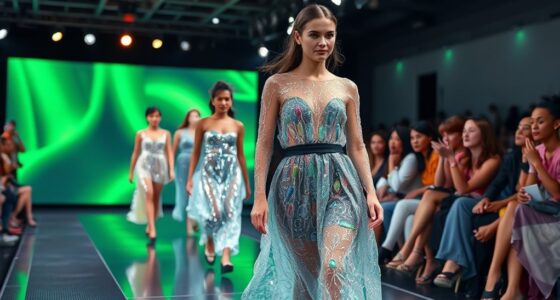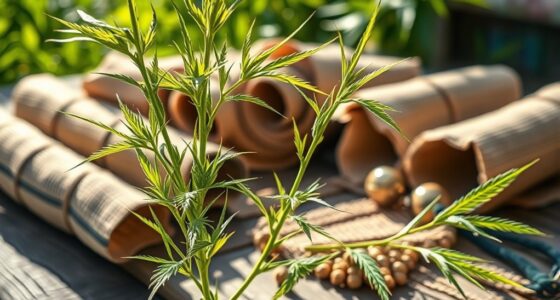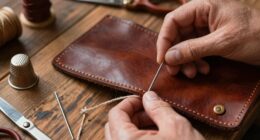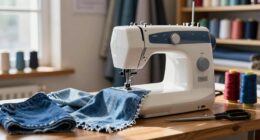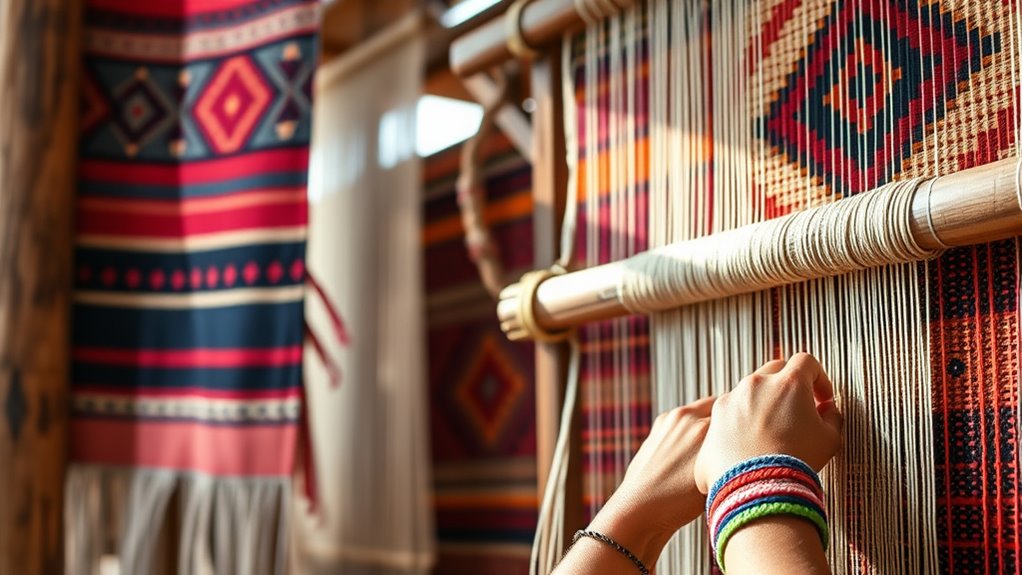

Fair Trade fashion guarantees that textile production is ethical and sustainable, ensuring fair wages and safe working conditions for artisans. You support transparency in every supply chain step and help preserve cultural heritage through traditional craftsmanship. Eco-friendly dyeing methods reduce environmental harm while empowering artisans with improved skills. Choosing Fair Trade clothing means you promote fairness, sustainability, and cultural appreciation. Continue exploring to discover how your fashion choices can make a meaningful impact on people and the planet.
Key Takeaways
- Fair trade fashion promotes ethical textile production by ensuring fair wages and safe working conditions for artisans.
- Artisans’ craftsmanship reflects cultural heritage and traditional techniques, fostering authenticity in clothing.
- Sustainable dyeing practices using natural or low-impact dyes reduce environmental pollution and protect artisans’ health.
- Ethical textile production supports local communities, empowers artisans, and maintains traditional craftsmanship for a sustainable industry.
- Choosing fair trade clothing endorses environmental sustainability, cultural preservation, and positive social impact.
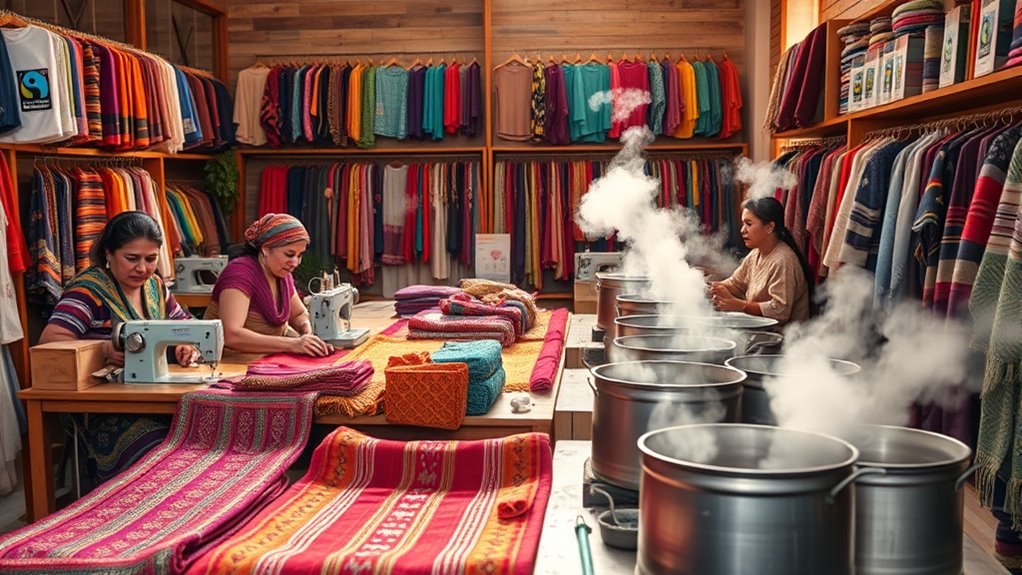
Have you ever wondered where your clothes come from and how they impact the people who make them? The journey from raw materials to finished garment isn’t just about fashion; it’s about fairness, sustainability, and respect for the artisans involved. When you choose fair trade fashion, you’re supporting a system that values ethical textile production, ensuring that workers are paid fairly and work in safe conditions. One of the key elements in this movement is sustainable dyeing, a practice that minimizes environmental harm by using natural or low-impact dyes instead of toxic chemicals. This process not only reduces pollution but also preserves the health of the artisans who handle these dyes. Sustainable dyeing often involves traditional techniques passed down through generations, blending eco-consciousness with artisan craftsmanship. These artisans don’t just produce fabric; they create art, infusing each piece with cultural significance and skill that’s hard to find in mass-produced clothing. When you buy garments made through fair trade practices, you’re supporting these craftspeople and their heritage. They often work in small communities where craftsmanship is a crucial part of local identity, and their work sustains their families and communities. Fair trade fashion encourages transparency in every step of production, making sure that artisans receive fair wages, proper working conditions, and recognition for their skills. By choosing brands committed to ethical textile production, you help promote fair wages and improve living standards for those at the start of the supply chain. These brands often invest in training and empowering artisans, helping them modernize their techniques without sacrificing traditional craftsmanship. This blend of artisan skills and sustainable dyeing methods results in clothing that’s not only environmentally friendly but also rich in cultural authenticity. When you wear these clothes, you’re carrying forward stories of craftsmanship and sustainability, making a statement beyond just style. Supporting fair trade clothing means endorsing a more equitable and sustainable fashion industry—one that respects people, promotes environmental health, and celebrates cultural heritage. Every purchase becomes a vote for a better world, where artisans are valued, and the planet is protected. So next time you shop, consider where your clothes come from and the impact they have. Choosing fair trade fashion isn’t just about looking good; it’s about feeling good knowing that your choices help sustain artisan craftsmanship and promote sustainable dyeing practices that benefit everyone involved. Additionally, supporting sustainable materials helps reduce reliance on environmentally harmful resources and promotes eco-friendly manufacturing processes.

Men's 100% Organic Cotton T-Shirt – Fair Trade Certified Cotton Shirts for Men – Men's Cotton Tees – Plain Color T-Shirt (Light Blue, Large)
Super Soft & Breathable 100% Organic Cotton T Shirt
As an affiliate, we earn on qualifying purchases.
As an affiliate, we earn on qualifying purchases.
Frequently Asked Questions
How Do Fair Trade Certifications Impact Local Communities?
Fair trade certifications boost local communities by promoting community empowerment and income stability. When you support certified brands, you help guarantee fair wages and better working conditions for producers. This empowers communities to invest in education, healthcare, and infrastructure. Your choices foster sustainable growth, reduce poverty, and strengthen local economies, creating a positive cycle of development. By choosing fair trade, you’re directly contributing to community well-being and long-term stability.
What Challenges Do Fair Trade Fashion Brands Face Globally?
You face challenges like supply chain complexities, which make managing ethical sourcing difficult, and limited market accessibility, restricting growth opportunities. Steering these issues requires balancing ethical commitments with cost-efficiency and expanding your reach to conscious consumers. You must adapt to varying regulations, build transparent relationships, and educate markets about fair trade’s value. Overcoming these hurdles ensures your brand maintains integrity while competing globally.
How Can Consumers Verify Fair Trade Claims on Clothing?
You can verify fair trade claims on clothing by checking for reputable certification processes like Fairtrade or FLO. These certifications guarantee ethical production standards are met. Increase your consumer awareness by researching brands’ practices and asking questions about their supply chains. Always look for transparent information and official labels on tags or websites. Your vigilance supports ethical textile production and helps you make responsible fashion choices.
What Are the Environmental Benefits of Fair Trade Textile Production?
A stitch in time saves nine, and choosing fair trade textile production benefits the environment. You help conserve sustainable water resources and reduce waste by supporting practices that minimize pollution and promote eco-friendly materials. Fair trade standards encourage responsible farming, reducing chemical use and water consumption. When you buy ethically, you contribute to a healthier planet, ensuring cleaner water and less waste for future generations—making your fashion choices truly impactful.
How Does Fair Trade Influence Traditional Textile Craftsmanship?
Fair trade positively influences traditional textile craftsmanship by encouraging artisans to preserve their skills and cultural heritage. When you support fair trade, you help sustain craftsmanship preservation, ensuring age-old techniques are passed down through generations. This not only maintains cultural diversity but also boosts local economies. By valuing authentic craftsmanship over mass production, fair trade empowers artisans to continue their craft with pride, fostering a deeper connection to their cultural identity and traditions.
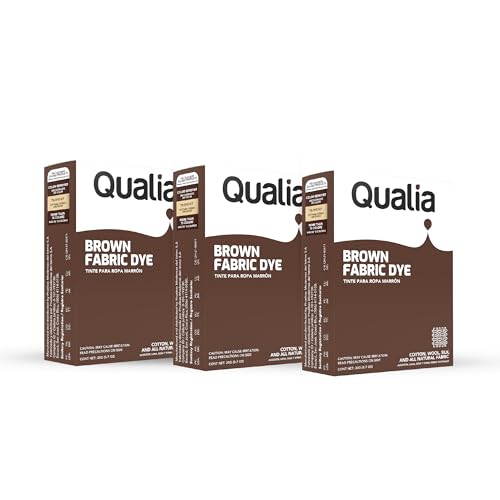
Qualia All Purpose Powder Fabric Dye, Easy to Use Dye for Natural Fabrics: Cotton, Wool, Silk, Wood, & Linen, Ultra Concentrated Colors, Brown, 3 Pack
Vibrant and Long-Lasting: Qualia Fabric Dyes offer ultra-concentrated colors that last, dyeing up to 600g of fabric in…
As an affiliate, we earn on qualifying purchases.
As an affiliate, we earn on qualifying purchases.
Conclusion
By choosing fair trade fashion, you become a thread in a vibrant tapestry of ethical choices, weaving hope and sustainability into every garment. Your decision supports fair wages, better working conditions, and eco-friendly practices, turning your wardrobe into a powerful statement of change. Like a ripple in a pond, your actions can inspire others to follow suit. Embrace ethical textiles, and together, you’ll craft a future where fashion fuels compassion rather than exploitation.

GreaterGood Hand-Loomed Alpaca Scarf Fair Trade 100% Hypoallergenic Alpaca Fiber Soft Warm Durable Wrinkle Resistant Handmade Artisan Bolivian Craft Winter Gift (Aqua)
Premium 100% Alpaca Fiber: Crafted from luxurious alpaca fiber, this scarf is hypoallergenic, super soft, and non-itchy, offering…
As an affiliate, we earn on qualifying purchases.
As an affiliate, we earn on qualifying purchases.

Gacaky Summer Dress for Women Casual Lace Floral Embroidered Bohemian Maxi Dress Flowy A Line Beach Long Dresses Green Medium
Size: Find your perfect fit with our range of sizes: S=US(4-6), M=US(8-10), L=US(12-14), XL=US(16-18). Check out our rich…
As an affiliate, we earn on qualifying purchases.
As an affiliate, we earn on qualifying purchases.