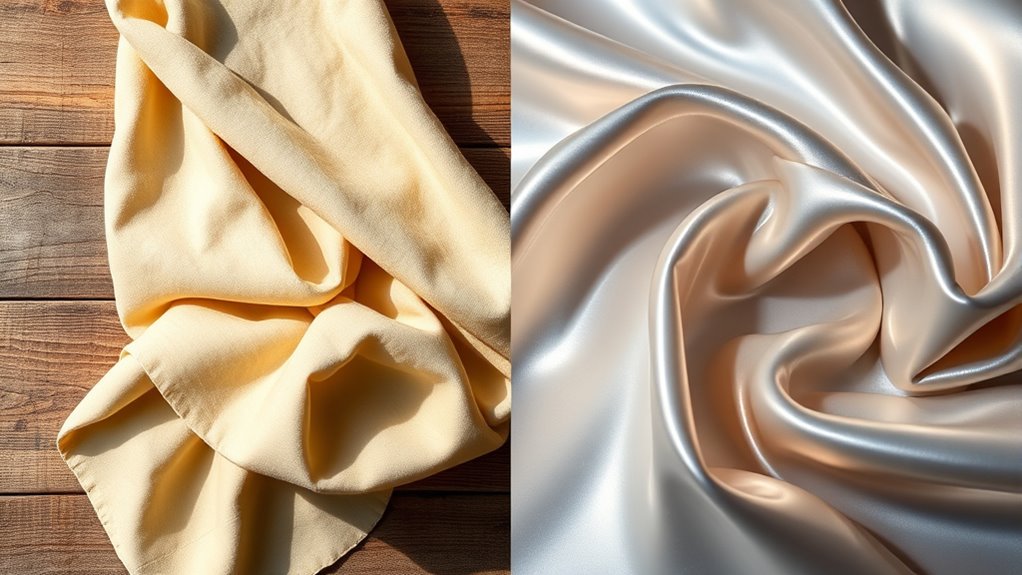

Choosing between organic and recycled fabrics depends on your values and goals. Organic fabrics come from sustainably grown crops, promoting soil health and reducing chemical use, while recycled fabrics repurpose waste like plastic bottles and old textiles to lower environmental impact. Both support eco-friendly fashion, but each has unique benefits. To make an informed decision aligned with your ethics, you’ll find more detailed insights below.
Key Takeaways
- Organic fabrics support sustainable farming and biodiversity, while recycled fabrics focus on waste reduction and resource conservation.
- Organic textiles are typically softer and more breathable, ideal for sensitive skin; recycled fabrics offer unique textures from repurposed materials.
- Choosing organic supports eco-friendly agriculture; selecting recycled fabrics emphasizes circular economy and waste valorization.
- Both options reduce environmental impact—organic by avoiding chemicals and recycled by lowering landfill waste and raw material demand.
- Combining organic and recycled fabrics maximizes sustainability benefits and aligns with ethical and eco-conscious values.

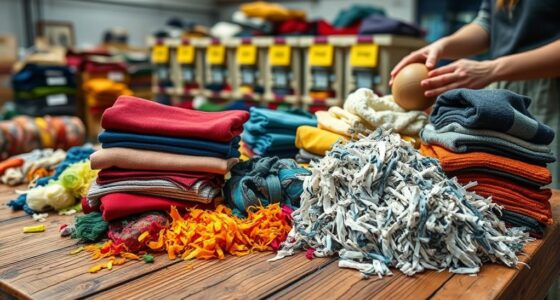
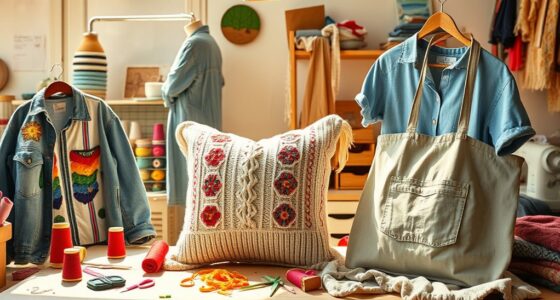
When choosing fabrics for your wardrobe or sustainable fashion projects, understanding the differences between organic and recycled fabrics is essential. Both options aim to reduce environmental impact, but they approach sustainability from different angles. Organic fabrics typically come from crops grown through sustainable farming practices that avoid synthetic chemicals, pesticides, and fertilizers. This method promotes healthier soil, reduces water pollution, and supports biodiversity. When you opt for organic cotton, for example, you’re endorsing farming techniques that prioritize ecological balance and fair labor practices, making it a more ethical choice. On the other hand, recycled fabrics are created from repurposed materials, such as plastic bottles, textile waste, or old garments. This process involves textile recycling processes that transform discarded materials into new fibers, considerably reducing waste sent to landfills and decreasing the demand for virgin resources. Recycling textiles not only conserves raw materials but also lessens energy consumption during fiber production, making it an eco-friendly alternative.
Choosing between organic and recycled fabrics depends on your specific goals and values. If you’re passionate about supporting sustainable farming, then organic fabrics align well with your goals because they promote eco-friendly agricultural practices that minimize chemical use and preserve natural resources. Conversely, if reducing waste and lowering your carbon footprint are your priorities, recycled fabrics might be more appealing. They showcase how waste materials can be transformed into high-quality textiles, closing the loop in the fashion industry. It’s worth noting that both options can be combined for a more holistic sustainable approach. For instance, you could select organic cotton made with sustainable farming techniques and then opt for recycled polyester derived from plastic waste, amplifying your positive impact.
The benefits of each type extend beyond environmental considerations. Organic fabrics tend to be softer and more breathable, making them comfortable and suitable for sensitive skin. Recycled fabrics, especially those made from post-consumer waste, often have a unique texture and story, adding an element of transparency and ethical consciousness to your wardrobe. As you explore these options, consider the entire lifecycle—from how the fibers are grown or collected to the manufacturing and eventual disposal. Both organic and recycled fabrics contribute to a circular economy, but they do so in different ways. Your choice will ultimately reflect your values: whether it’s supporting sustainable farming practices or endorsing textile recycling processes that keep waste out of landfills. By understanding these distinctions, you can make more informed decisions that align with your commitment to sustainability.
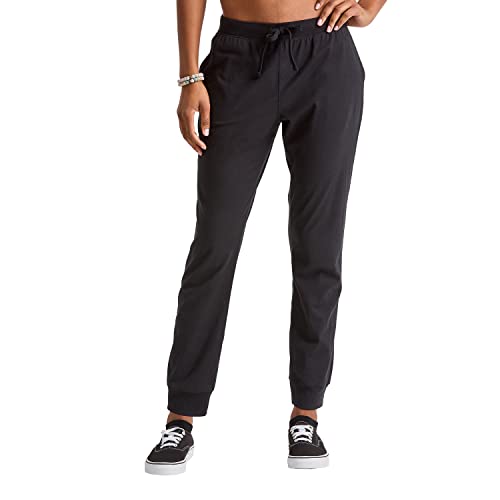
Hanes Originals Women’s Joggers, 100% Cotton Jersey
BASICS THAT ARE FAR FROM BASIC – A stylish collection of cool, modern essentials designed for comfort, made…
As an affiliate, we earn on qualifying purchases.
As an affiliate, we earn on qualifying purchases.
Frequently Asked Questions
How Do Organic and Recycled Fabrics Compare in Durability?
Organic and recycled fabrics both offer good fabric longevity, but they differ in wear resistance. Organic fabrics, like cotton or wool, tend to be durable with proper care, maintaining their strength over time. Recycled fabrics, often made from polyester or nylon, usually have high wear resistance due to their synthetic fibers. Your choice depends on your needs; both can be long-lasting if maintained well.
Are Recycled Fabrics More Environmentally Friendly Than Organic Fabrics?
Recycled fabrics are generally more environmentally friendly than organic fabrics because they reduce waste and lower resource use, especially when supported by textile certifications and supply chain transparency. You can make a greener choice by looking for certified recycled textiles, ensuring sustainable sourcing, and supporting brands that prioritize transparency. This way, you’re actively helping reduce environmental impact while choosing fabrics that align with eco-conscious values.
What Are the Cost Differences Between Organic and Recycled Fabrics?
You’ll find that organic fabrics tend to be more expensive than recycled fabrics due to higher production costs and limited market availability. Brands often use premium pricing strategies for organic textiles, reflecting their eco-friendly qualities. Recycled fabrics, being more widely available and cheaper to produce, usually come at a lower price point. So, if budget is a concern, recycled fabrics offer a cost-effective alternative, while organic fabrics appeal to those prioritizing sustainability.
Can Recycled Fabrics Be as Comfortable as Organic Fabrics?
Think of recycled fabrics as a second chance for comfort—you’ll find they can be just as soft and versatile as organic fabrics. Modern recycling techniques improve fabric softness, ensuring they feel gentle against your skin. You might notice that recycled fabrics offer the same flexibility and comfort, making them a smart choice for those seeking sustainable options without sacrificing feel. So, yes, recycled fabrics can be just as comfortable as organic ones.
How Do Organic and Recycled Fabrics Impact Overall Sustainability?
You can see that both organic and recycled fabrics positively impact sustainability by reducing environmental harm. Organic fabrics support a better textile lifecycle by avoiding harmful pesticides and chemicals, while recycled fabrics lessen waste and resource consumption. The eco label significance helps you identify truly sustainable options, ensuring your choices promote eco-friendly practices throughout the production process. Ultimately, choosing either fabric type helps you contribute to a greener, more sustainable future.

EOVEA – Cotton Polyester Fabric by The Yard – 60" Wide Broadcloth Fabric, Soft, Lightweight & Breathable Material for Lining, Curtains, Bedding, Skirts, Sewing Projects (Kelly Green, 1 Yard)
🔹 THE PERFECT POLYESTER COTTON BLEND – Say hello to effortless style and comfort with our 35% cotton,…
As an affiliate, we earn on qualifying purchases.
As an affiliate, we earn on qualifying purchases.
Conclusion
When choosing between organic and recycled fabrics, consider their environmental impacts. Did you know that producing organic cotton uses 91% less water than conventional cotton? Switching to either option helps reduce your carbon footprint and supports sustainable practices. So, whether you pick organic or recycled fabrics, you’re making a positive difference. Every small choice adds up—because sustainable fashion isn’t just a trend, it’s a movement toward a healthier planet.

FEBU Eco-Friendly Bamboo Fabric Bandages | PFAS Free Flexible Fabric Bandages | Natural Hypoallergenic Bandage for Scrapes, Cuts & First Aid | Fully Compostable, Latex Free Bandage | 75 Count Strip
STRIP BANDAGES FOR EVERYDAY DEFENSE — The essential staple for any first aid kit, our strip bandages provide…
As an affiliate, we earn on qualifying purchases.
As an affiliate, we earn on qualifying purchases.

Organic Cotton Muslin Fabric by Yard – 2 Yards, 60" Wide, Unbleached Dress Fabric for Blouses, Liners, Aprons and Bags – Lightweight Cotton Material in Plain Weave (2 Yards)
Organic Cotton Muslin Dress-Making Fabric – This 100% cotton muslin fabric is 60 inches wide and 2 yards…
As an affiliate, we earn on qualifying purchases.
As an affiliate, we earn on qualifying purchases.