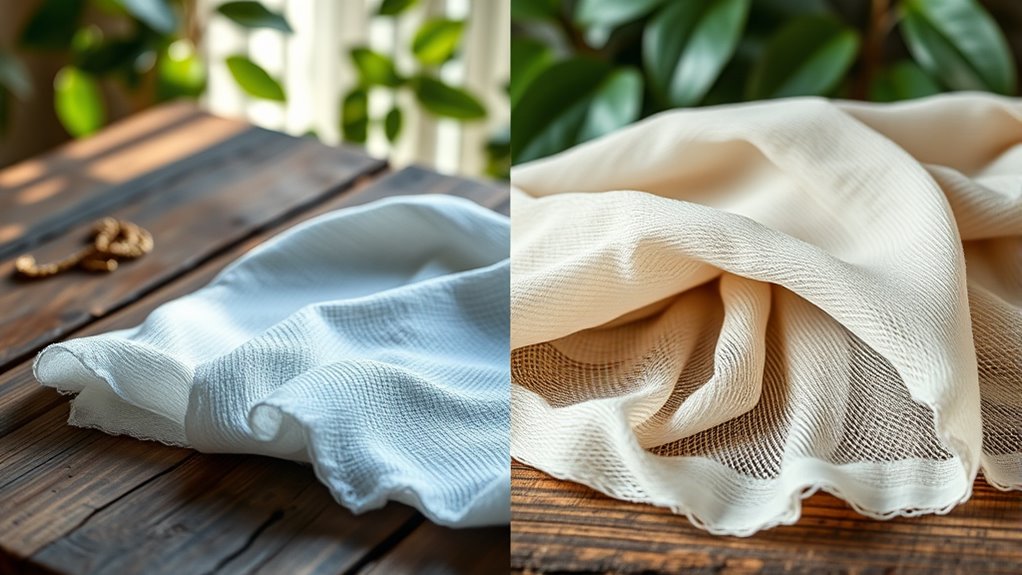

When comparing polyester and rayon, rayon generally wins as the greener choice because it’s made from natural cellulose and biodegrades faster, reducing long-term waste. Polyester, derived from petroleum, lasts hundreds of years in landfills, pollutes oceans with microplastics, and has high environmental costs during production. However, the sustainability of rayon depends on eco-friendly manufacturing methods. To truly understand which fabric aligns with your eco-values, keep exploring the factors that influence their environmental impacts.
Key Takeaways
- Rayon is biodegradable due to its cellulose content, whereas polyester is non-biodegradable and persists in the environment.
- The environmental impact of rayon depends on sustainable production methods, while polyester’s production involves high fossil fuel consumption.
- Conventional rayon may involve hazardous chemicals, but eco-friendly processes like lyocell reduce pollution; polyester production generally causes more pollution.
- Rayon decomposes faster in composting conditions, lowering long-term waste, unlike polyester, which contributes to microplastic pollution.
- Overall, rayon—especially when sustainably produced—is typically greener than polyester due to its natural origins and biodegradability.
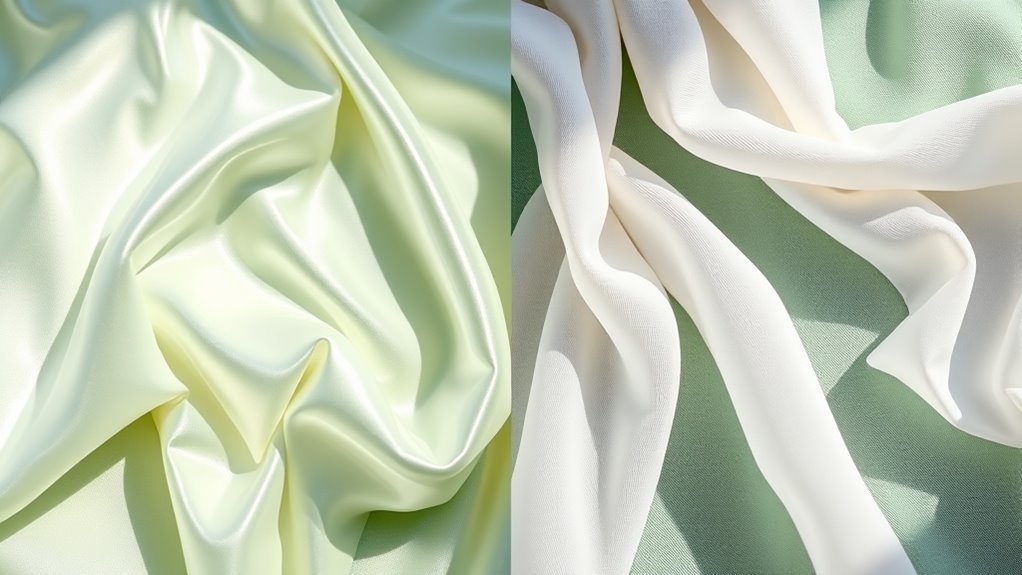
When choosing between polyester and rayon, understanding their differences can help you make a more informed decision. Both fabrics are popular in the fashion industry, but they differ markedly in their environmental footprints, especially regarding sustainability impacts and biodegradability. Polyester, a synthetic fiber derived from petroleum, is known for its durability and low cost, but it’s also associated with high environmental costs. Its production consumes a considerable amount of fossil fuels, contributing to greenhouse gas emissions. Additionally, since polyester is non-biodegradable, it can persist in landfills for hundreds of years, shedding microplastics that pollute oceans and harm marine life. This long-lasting presence raises concerns about waste management and environmental pollution, making it less sustainable in the long run.
Polyester’s durability comes with high environmental costs and long-lasting pollution.
In contrast, rayon is a semi-synthetic fiber made from cellulose, typically sourced from wood pulp or cotton linters. Its production process involves dissolving cellulose and regenerating it into fibers, which raises questions about the environmental impact of chemical use. While rayon is often marketed as a more eco-friendly option, its sustainability impacts depend heavily on manufacturing practices. Conventional rayon production can involve hazardous chemicals like carbon disulfide, which pose health and environmental risks if not properly managed. However, newer methods like lyocell or modal—types of rayon—use closed-loop processes that recycle chemicals and reduce pollution. These innovations improve the sustainability impacts of rayon, making it a more responsible choice compared to traditional versions.
When comparing biodegradability, rayon has the advantage. Since it’s made from natural cellulose, it can decompose relatively quickly in composting conditions, returning to the earth without lingering for centuries. Polyester, on the other hand, resists biodegradation, meaning it often remains in landfills indefinitely. This difference is vital if you’re concerned about the environmental legacy of your clothing. Choosing rayon, especially versions produced with eco-friendly processes, can help reduce your ecological footprint because it breaks down faster and causes less long-term pollution. Moreover, the biodegradability of rayon means it can contribute less to long-term environmental pollution compared to synthetic fibers.
Ultimately, your choice depends on how much weight you give to sustainability impacts and biodegradability. Polyester’s durability is beneficial for longevity, but its environmental costs are high. Rayon offers a more biodegradable alternative, especially when produced sustainably, but it may not be as resilient or resistant to wear and tear. By understanding these differences, you can pick fabrics that align better with your values and contribute to a greener future.
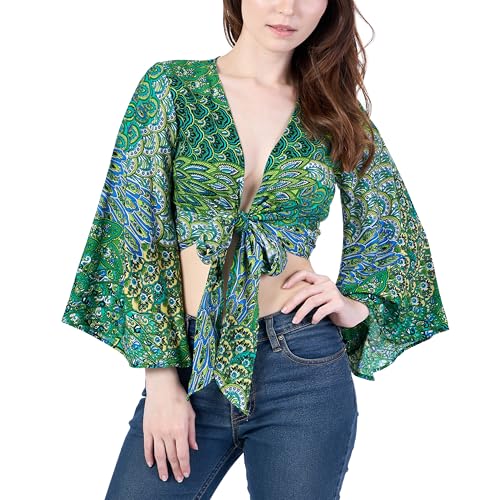
Lannaclothesdesign Boho Wrap Top for Women Beach Fashion – Soft & Breathable Rayon Womens Tops with Bell Sleeves, Swimsuit Coverup for Women, Casual & Dressy, Travel-Friendly, Hippie Clothes
Soft & Comfy Wear: Embrace the boho spirit with our soft & breathable rayon summer tops, perfect vacation…
As an affiliate, we earn on qualifying purchases.
As an affiliate, we earn on qualifying purchases.
Frequently Asked Questions
How Do Manufacturing Processes Differ Between Polyester and Rayon?
You should know that manufacturing synthetic fibers like polyester involves a chemical process that uses fossil fuels, making it energy-intensive. In contrast, rayon is made from cellulose derived from organic cultivation methods, which can be more sustainable if sourced responsibly. While polyester’s process relies heavily on chemical treatments, rayon’s manufacturing emphasizes natural raw materials, though it still involves chemicals. Your choices impact sustainability based on these differing production methods.
Which Fabric Has a Lower Carbon Footprint Overall?
Surprisingly, rayon often leaves a lighter carbon footprint than polyester, despite its reputation. You’d think plastic would be more eco-friendly, but recycling challenges and high water consumption in rayon production tip the scale. Polyester’s durability helps, but its reliance on fossil fuels adds to its environmental toll. So, if you’re aiming for lower impact, choosing rayon might be the lesser evil—though neither is perfect.
Are There Any Biodegradable Options for Polyester or Rayon?
Yes, there are biodegradable options for polyester and rayon. You can choose natural fibers like organic cotton, linen, or hemp, which naturally decompose. Some brands produce biodegradable polyester made from recycled materials using organic production methods, reducing environmental impact. Opting for fabrics derived from natural fibers or those created through organic production processes helps guarantee your clothing breaks down more easily, minimizing landfill waste and supporting sustainability efforts.
How Do Dyeing and Finishing Processes Impact Environmental Sustainability?
Oh, the irony—dyeing and finishing processes are supposed to help, but they often hurt sustainability. You’ll find that fiber blending can improve dye fastness, reducing the need for repeated dyeing, which saves resources. Yet, chemical-heavy finishes can pollute water and waste energy. So, while these steps aim for durability and vibrant colors, they can compromise environmental health, making you wonder if beauty really is worth the cost.
What Are the Recyclability Options for Polyester Versus Rayon?
You can recycle polyester more easily than rayon because polyester faces fewer recycling challenges, thanks to its chemical stability and widespread collection systems. Rayon, being biodegradable, complicates recycling due to its fiber composition and processing methods. However, eco-friendly innovations like recycled polyester from plastic bottles are making it more sustainable. While both materials have options, polyester’s recyclability is more established, but ongoing innovations aim to improve rayon’s recycling processes.
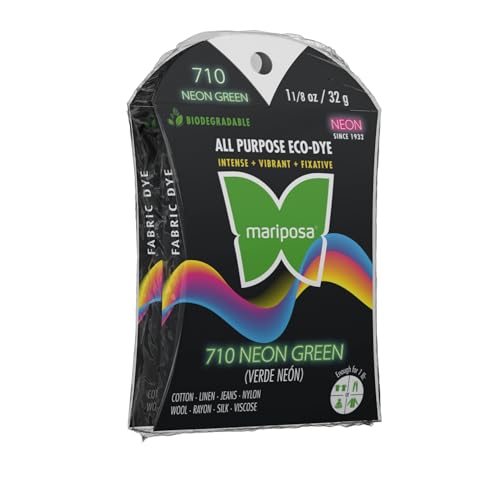
Fabric Dye Powder; Eco Friendly Biodegradable Clothing Dye Kit All Purpose Color for Natural and Synthetic Fabrics (Neon Green (710))
Vibrant Lasting Color – Our Clothing Fabric Dye delivers intense, high-fixation color that stays rich wash after wash….
As an affiliate, we earn on qualifying purchases.
As an affiliate, we earn on qualifying purchases.
Conclusion
So, when it comes to choosing between polyester and rayon, think of yourself as a gardener tending to two different plants. Polyester’s durability is like a sturdy oak, while rayon’s eco-friendly roots run deep. If you want to nurture the planet, rayon’s your gentle breeze. But if longevity’s your priority, polyester stands tall. Whichever you pick, remember—your choice is like planting a seed for a greener tomorrow. Make it count.

60" Wide Rayon Spandex Jersey Knit Fabric by The Yard – 4-Way Stretch, 200GSM, Medium Weight -Soft & Breathable – Apparel, Accessories, Maternity & Decorations
A 95% rayon and 5% spandex jersey knit fabric is a blend that combines the softness and breathability…
As an affiliate, we earn on qualifying purchases.
As an affiliate, we earn on qualifying purchases.
Microplastic Pollution (Sustainable Textiles: Production, Processing, Manufacturing & Chemistry)
As an affiliate, we earn on qualifying purchases.
As an affiliate, we earn on qualifying purchases.