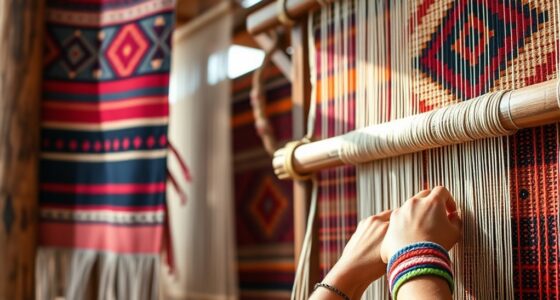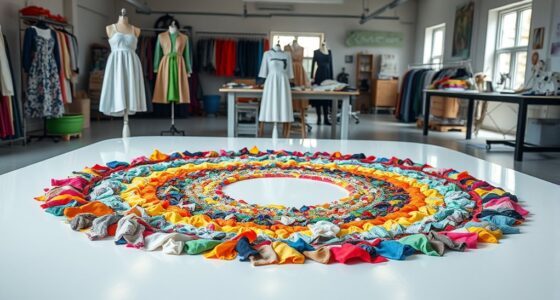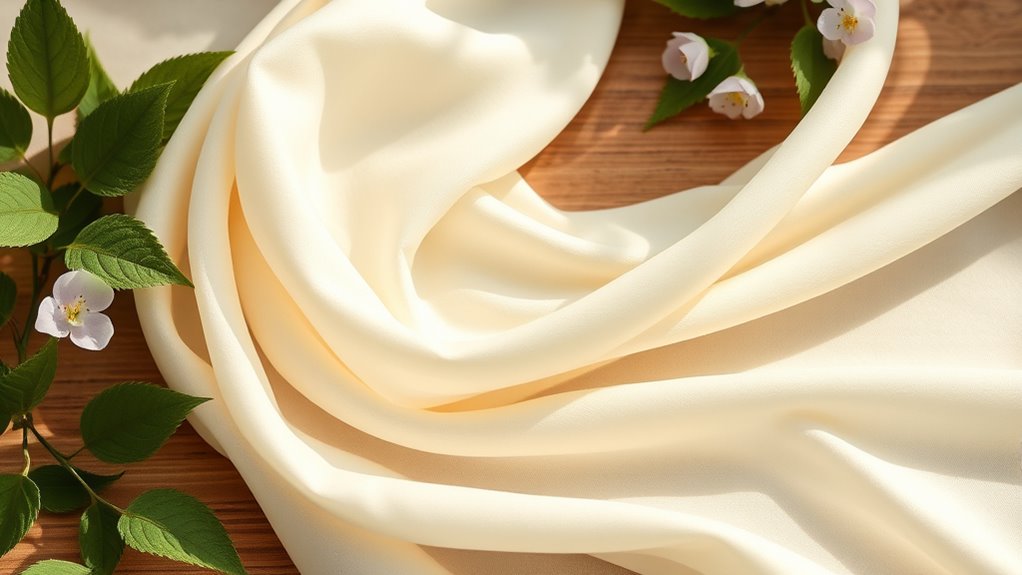
Tencel, also known as Lyocell, is an eco-friendly fabric made from sustainably sourced wood pulp like eucalyptus, beech, or oak. It’s produced using a closed-loop process that recycles water and chemicals, making it very eco-conscious. Tencel fabrics are durable, breathable, and naturally biodegradable, reducing environmental impact. They resist wrinkles, dry quickly, and stay soft through many washes. Curious about how it compares to other sustainable textiles? There’s more to discover if you keep exploring.

Get your wardrobe favorites delivered free with Prime
- Fast, free delivery on millions of items
- Prime Video, Amazon Music and more included
- Member-only deals all year
Key Takeaways
- Tencel (Lyocell) is an eco-friendly fabric made from sustainably sourced wood pulp like eucalyptus, beech, and oak.
- It is produced through a closed-loop process that recycles water and solvents, minimizing environmental impact.
- Tencel fibers are biodegradable, durable, and resistant to pilling, maintaining softness and quality over time.
- The fabric is breathable, moisture-wicking, and quick-drying, making it suitable for active and everyday wear.
- Tencel’s sustainable manufacturing uses less energy and water compared to conventional textiles, supporting eco-conscious fashion choices.
Tencel, also known as Lyocell, is a popular fabric choice for those seeking eco-friendly and comfortable clothing. It’s made from sustainably sourced wood pulp, typically eucalyptus, beech, or oak trees, which are grown responsibly with minimal water and chemical use. This focus on sustainable production means you’re choosing a fabric that has a smaller environmental footprint compared to conventional textiles. The manufacturing process employs a closed-loop system that recycles water and solvents, ensuring that harmful chemicals don’t escape into the environment. This eco-conscious approach is one of the reasons Tencel has gained popularity among environmentally minded consumers.
When it comes to fabric durability, Tencel stands out as a strong contender. It’s known for its long-lasting quality, resisting pilling and maintaining its softness over time. Unlike many synthetic fabrics that weaken after repeated washes, Tencel fibers retain their integrity, making your clothing last longer. Its natural strength also means it can withstand regular wear and tear without losing shape or becoming fragile. This durability doesn’t come at the expense of comfort; Tencel fabrics are silky-smooth, breathable, and gentle on your skin. You’ll find that garments made from Tencel stay comfortable and look good wash after wash, making it a practical investment.
Another benefit of Tencel’s sustainable production is that it requires less energy compared to other fabrics like cotton or polyester. The manufacturing process is streamlined for efficiency, reducing overall environmental impact. Plus, Tencel is biodegradable, so when you no longer need the clothing, it can break down naturally without polluting the earth. This aligns with your desire to make eco-friendly choices without sacrificing quality or style.
Additionally, Tencel’s AI-driven innovations in production technology contribute to its eco-friendly status by optimizing resource use and reducing waste throughout manufacturing.
In addition to its eco-credentials, Tencel is versatile and easy to care for. Its fabric resists wrinkles and dries quickly, which means less time spent ironing and less energy used during laundry. Its moisture-wicking properties keep you cool and dry, making it suitable for active wear or everyday clothing. Whether you’re looking for a sustainable option for your wardrobe or a durable fabric that withstands frequent use, Tencel offers a compelling combination of environmental responsibility and practical performance. By choosing Tencel, you’re supporting a production process that respects the planet while enjoying clothing that’s comfortable, long-lasting, and environmentally responsible.
Tencel Lyocell eco-friendly clothing
As an affiliate, we earn on qualifying purchases.
As an affiliate, we earn on qualifying purchases.
Frequently Asked Questions
How Does Tencel Compare to Organic Cotton in Sustainability?
You’ll find that Tencel generally has a more sustainable lifecycle than organic cotton because it uses less water and energy during production. Its closed-loop process minimizes environmental impact by recycling solvents. Organic cotton, while eco-friendly, requires more water and pesticides. So, if sustainability and reducing environmental impact matter to you, Tencel is a better choice, offering a cleaner, more eco-conscious fabric option overall.
Can Tencel Fabric Be Recycled or Composted After Use?
Tencel fabric can be recycled through specialized textile recycling programs, but it’s not widely accepted in curbside recycling. Its compostability potential is limited because it’s made from cellulose, which can break down in industrial composting facilities under the right conditions. To reduce waste, look for brands that offer recycling options or encourage composting, but keep in mind that proper disposal methods are essential for eco-friendly end-of-life management.
What Certifications Ensure Tencel’s Eco-Friendly Production?
Think of eco labels as your trusted compass guiding sustainable choices. When shopping for Tencel, look for certifications like the EU Ecolabel, FSC, and OEKO-TEX Standard 100, which verify eco-friendly manufacturing processes. These labels guarantee that the fiber’s production aligns with environmental standards, promoting responsible resource use and reducing pollution. By choosing Tencel with these certifications, you support a more sustainable future and make eco-conscious decisions every day.
Is Tencel Suitable for Sensitive Skin or Allergies?
Yes, Tencel is suitable for sensitive skin and allergies because it has hypoallergenic qualities. Its smooth, breathable fibers reduce irritation, making it a great choice if you have skin sensitivity. Tencel’s natural moisture-wicking ability helps keep your skin dry and comfortable, while its gentle texture minimizes the risk of allergic reactions. Overall, Tencel’s eco-friendly and skin-friendly features make it ideal for those with delicate or sensitive skin.
How Does Tencel’s Durability Compare to Synthetic Fabrics?
Tencel’s durability surpasses many synthetic fabrics because it offers excellent fabric longevity and tear resistance. You’ll find it holds up well with regular wear and washing, maintaining its softness and integrity. Unlike some synthetics that may fray or weaken over time, Tencel’s natural fibers stay strong, making it a reliable choice for everyday use. Its eco-friendly production also means you get durability without sacrificing sustainability.
Conclusion
Think of Tencel as the gentle river guiding your choices toward sustainability. Like a clear stream nourishing the land, this eco-friendly fabric flows seamlessly into your wardrobe, blending comfort with conscience. By choosing Tencel, you’re steering your style along a greener path, where each garment is a ripple of mindful impact. Embrace this fabric as your ally in creating a more harmonious world—one beautifully sustainable step at a time.
Halloween Picks
halloween
As an affiliate, we earn on qualifying purchases.