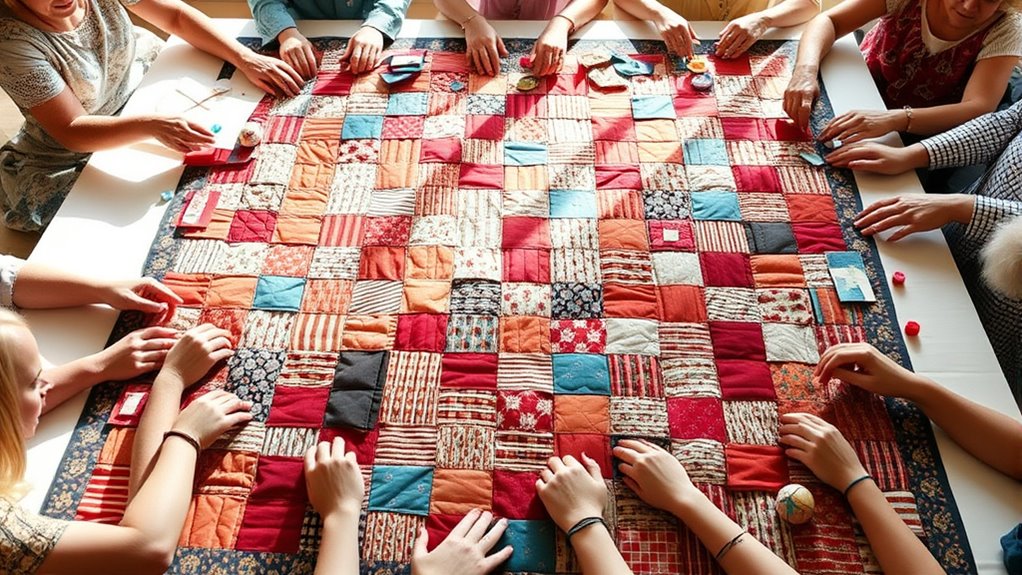
Community quilts and collaborative textile art projects are powerful ways to express unity, cultural heritage, and shared stories. By participating, you help create works filled with symbolism using various dyeing techniques that reflect emotions and histories. These projects foster collaboration, turning routine chores into acts of collective pride and creative sharing. As you explore further, you’ll discover how these quilts embody community values and leave a lasting legacy of craftsmanship and togetherness.
Key Takeaways
- Community quilts symbolize unity, cultural heritage, and shared stories, reflecting collective identity and social memories.
- Collaborative textile projects utilize diverse dyeing techniques to express emotions, histories, and cultural symbolism.
- Workshops foster collaboration, skill sharing, and camaraderie, transforming textile creation into communal acts of expression.
- These projects celebrate craftsmanship, cultural significance, and serve as tangible symbols of community resilience and pride.
- Community quilts and textile art foster storytelling, preserve traditions, and create lasting legacies of collective achievement.
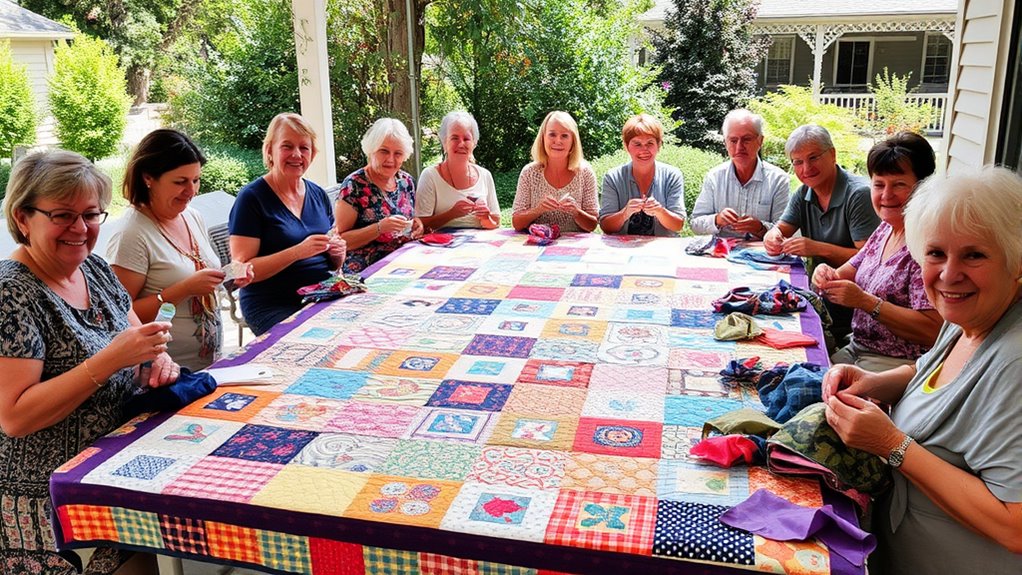
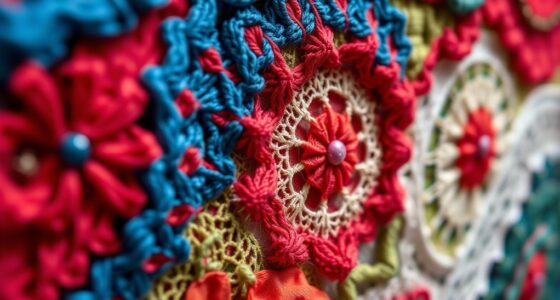
Have you ever wondered how a simple patch of fabric can bring a community together? It’s more than just the warmth or comfort it provides; it’s about the stories, memories, and shared identity woven into each quilt. Community quilts serve as powerful symbols of unity and collective creativity. Each piece reflects the quilt symbolism that communities assign to these textile works—tributes to cultural heritage, milestones, or social movements. When you participate in creating a community quilt, you’re contributing to a larger narrative, one that celebrates diversity and fosters connections among individuals. These quilts become visual representations of solidarity, often displayed publicly to inspire pride and remembrance.
A community quilt weaves stories, memories, and unity into a collective tapestry of shared identity and resilience.
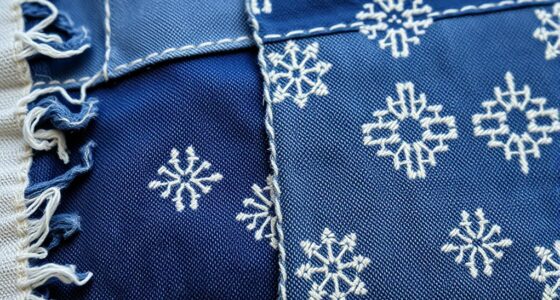
Getting involved in a community quilt project means engaging with fabric dyeing techniques that add depth and meaning to each piece. You might learn how to use natural dyes derived from plants, insects, or minerals, giving your fabric a unique, earthy hue. Or you could experiment with modern dyeing methods like tie-dye or shibori, which produce vibrant, intricate patterns. These fabric dyeing techniques are not just about aesthetics—they are a form of storytelling. The colors and patterns can symbolize emotions, histories, or hopes, making each quilt a tapestry of shared experiences. By mastering these techniques, you gain a deeper understanding of textile arts, and your contributions become part of a collective visual language. Additionally, exploring fabric dyeing techniques can deepen your appreciation for the craftsmanship involved and enhance the cultural significance of your work.
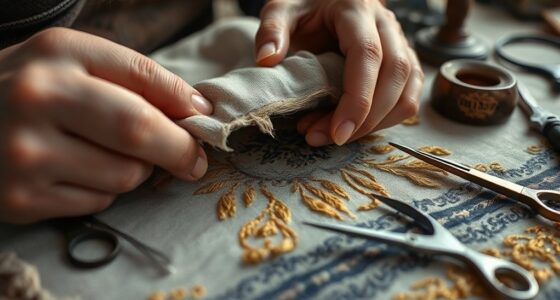
Participating in fabric dyeing for community quilts often involves workshops where you learn traditional methods passed down through generations, as well as contemporary innovations. These workshops foster collaboration, allowing you to exchange ideas and learn from others’ techniques. As you work together, you develop a sense of camaraderie, knowing that your efforts are helping to create something much larger than yourself. The process of dyeing fabric for a community quilt transforms routine chores into acts of communal expression and resilience. Every stitch and dye contributes to a piece that embodies shared values and history.
Ultimately, community quilts are more than just fabric patched together; they’re symbols of unity, resilience, and cultural identity. By understanding quilt symbolism and engaging with fabric dyeing techniques, you participate in a tradition that celebrates collective storytelling through textile art. Whether it’s for a local event, a social cause, or a cultural celebration, each quilt becomes a tangible reminder of what a community can accomplish when people come together with purpose and creativity. So, next time you see a community quilt, remember the rich history, symbolism, and craftsmanship behind it—and consider how you might be part of this enduring tradition.
Frequently Asked Questions
How Do I Start a Community Quilt Project?
To start a community quilt project, begin by gathering volunteers who share your passion. Reach out to local fabric sources for affordable materials and supplies. Organize planning meetings to decide on themes, patterns, and timelines, and assign roles for sewing, cutting, and assembling. Keep communication open and encourage collaboration. With enthusiasm and teamwork, you’ll create a meaningful quilt that brings your community together!
What Materials Are Best for Collaborative Textile Art?
You should choose durable fabrics like cotton, linen, or felt, as they hold up well over time. Remarkably, a 2022 survey found that 85% of textile artists prefer cotton for its versatility. When selecting materials, consider your color palettes to ensure harmony across the project. Opt for pre-washed fabrics to minimize shrinking, and gather a variety of textures to add visual interest and depth to your collaborative textile art.
How Are Community Quilts Preserved Over Time?
To preserve your community quilts over time, focus on proper quilt maintenance and preservation techniques. Store them in a cool, dry place away from direct sunlight to prevent fading. Avoid folding along the same lines to reduce wear, and use acid-free tissue or quilt supports when storing. Regularly inspect for pests and clean gently if needed. These steps help maintain your quilt’s integrity and ensure it stays beautiful for years to come.
Can I Contribute Remotely to a Community Quilt?
Like Schrödinger’s cat in the box, your contribution can be both present and future. You can definitely contribute remotely to a community quilt through digital participation and virtual workshops. These online platforms allow you to send fabric pieces, designs, or ideas, making your mark from afar. Your involvement helps weave the collective story, proving that community art transcends physical boundaries and unites us through shared creativity.
What Are Common Themes for Community Quilt Projects?
You’ll find that common themes for community quilt projects often include symbolism themes and cultural narratives. These quilts celebrate shared history, identity, and values, allowing participants to express collective stories through fabric. By incorporating symbolism themes, you highlight meaningful motifs, while cultural narratives showcase diverse backgrounds. These themes foster unity and understanding, making your quilt a vibrant tapestry of community spirit and personal expression.
Conclusion
By participating in community quilts and collaborative textile projects, you weave together diverse stories and strengthen your community. These efforts remind us that many hands make light work, and together, we create something truly meaningful. As the saying goes, “A single thread is weak, but a woven fabric is strong.” So, keep stitching, sharing, and building connections—your contributions help craft a vibrant, supportive tapestry that lasts beyond individual moments.