Digital textile printing merges advanced inkjet tech with your creativity, allowing you to produce vibrant, detailed fabrics directly from digital designs. It offers quick, precise results with minimal setup, giving you the freedom to experiment with complex images and bold colors on a variety of fabrics. Plus, it’s eco-friendly and adaptable, making it perfect for artists wanting high-quality, sustainable textiles. Keep exploring to discover how this innovative process can elevate your artistic projects.
Key Takeaways
- Digital textile printing allows artists to produce detailed, full-color designs directly onto fabrics, fostering creative experimentation.
- Advanced color management ensures accurate color reproduction, enhancing the fidelity of digital artwork on textiles.
- Compatibility with various fabrics and inks supports diverse artistic styles, from photo-realism to abstract patterns.
- The technology reduces waste and environmental impact through precise, on-demand printing with eco-friendly inks.
- It empowers artists with precise control and flexibility, enabling high-quality, customized textile creations.
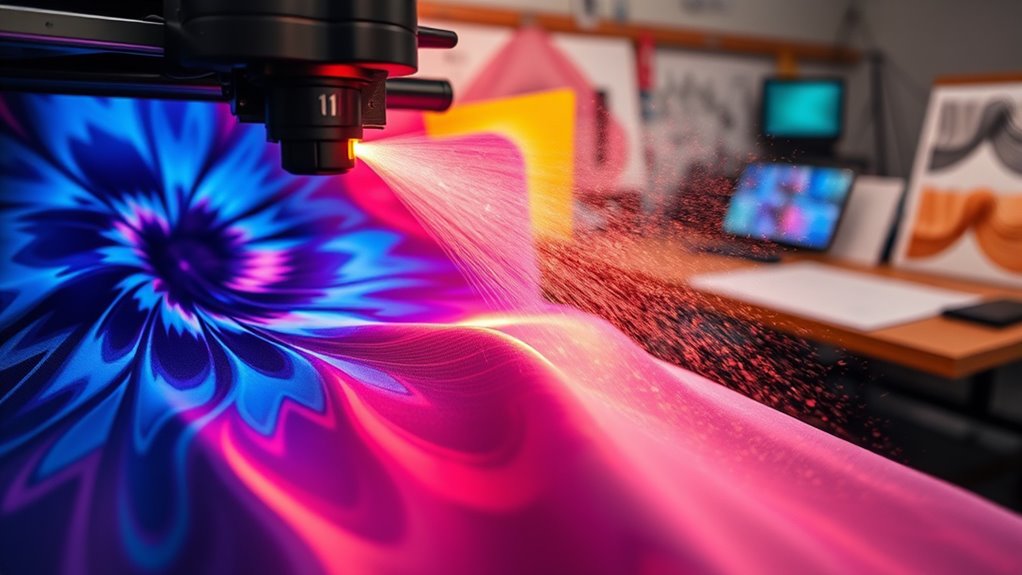
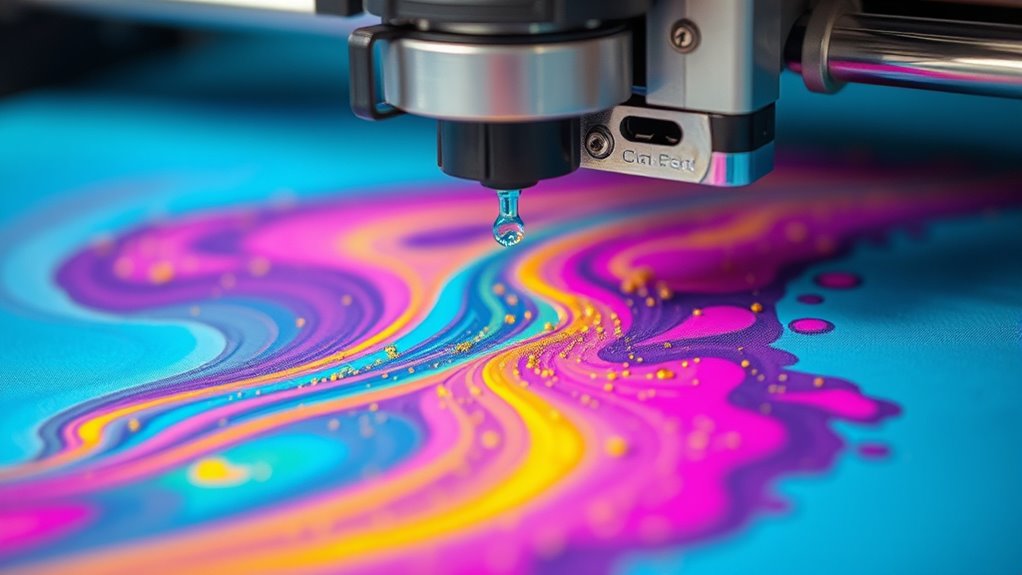
Have you ever wondered how artists are transforming their creative visions into vibrant, tangible textiles with ease? The answer lies in the remarkable advancements of digital textile printing, where inkjet technology plays a central role. This technology allows you to print detailed, full-color images directly onto fabrics, giving you the freedom to experiment with complex designs and vivid color palettes. Unlike traditional methods, digital textile printing offers a streamlined process that brings your ideas to life quickly and accurately. It’s like having a portable studio at your fingertips, ready to produce high-quality textiles without the need for extensive setup or costly screens.
At the heart of successful digital printing is effective color management. This isn’t just about choosing the right shades; it’s about controlling how colors are reproduced on fabric to ensure your artwork looks just as you envisioned. Modern color management systems help you calibrate printers and fabrics, maintaining consistent color output across different projects. You can fine-tune the color profiles, ensuring that your reds are rich, your blues are vibrant, and subtle gradients transition smoothly. This level of precision allows you to trust that your printed textiles will match your digital files accurately, eliminating surprises and reducing waste.
Using inkjet technology combined with proper color management tools enables you to work with a broad spectrum of fabrics, from cotton and silk to polyester blends. You can achieve detailed, photo-realistic images or bold, abstract patterns—whatever your style demands. Inkjet printers are designed to handle multiple ink types, including dyes and pigments, giving you flexibility depending on whether you want soft, breathable textures or durable, long-lasting prints. The technology’s precision means you can produce artwork with intricate details and vibrant colors, opening doors for innovative textile art and commercial applications alike.
Furthermore, digital textile printing with inkjet technology is eco-friendlier than traditional alternatives. It reduces excess waste because you print only what you need, and many systems use environmentally friendly inks, minimizing chemical use. Additionally, advances in natural techniques such as organic farming and cover cropping can complement your sustainable approach by reducing the environmental impact of the entire production process. The combination of advanced color management and inkjet precision empowers you to push creative boundaries while being mindful of sustainability. You no longer need to compromise on quality or environmental impact—these tools make it easier to produce stunning textiles that reflect your artistic vision responsibly.
In essence, adopting inkjet technology and meticulous color management transforms your artistic process. It allows you to produce vibrant, detailed textiles efficiently, with a high degree of control over every aspect of the print. Whether you’re creating unique art pieces or customized fabric designs, these innovations give you the tools to turn your creative ideas into tangible, professional-quality textiles seamlessly.
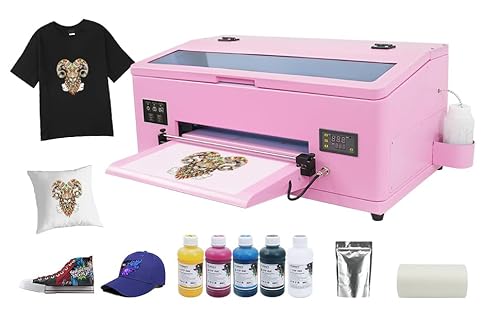
MOYEE A3 1390 DTF Printer Transfer Printing Machine 100% Transfer Rate for DIY Print T-Shirts, Leather, Other Textile,Auto Cleaning(DTF Printer+Software+Ink+ Film)
【Easy-to-Use] The 1390 DTF printer is a cost-effective A3 printer for printing custom designs on transfer films, which…
As an affiliate, we earn on qualifying purchases.
As an affiliate, we earn on qualifying purchases.
Frequently Asked Questions
What Fabric Types Are Best Suited for Digital Textile Printing?
You should choose fabrics with good fiber compatibility, like cotton, silk, or polyester, for digital textile printing. These materials support vibrant color reproduction and guarantee excellent print durability. Natural fibers like cotton and silk provide rich detail, while polyester offers water resistance and longevity. By selecting the right fabric, you’ll achieve better color fidelity and longer-lasting prints, making your artwork stand out and resist wear over time.
How Do I Prepare My Artwork for Digital Textile Printing?
Think of your artwork as a symphony—every element must harmonize. To prepare for digital textile printing, make certain your file has proper color calibration to match your desired output. Use high image resolution, typically 300 DPI, to keep details sharp. Convert colors to the correct color profile, like sRGB or Adobe RGB. Save your file in a compatible format, such as TIFF or PNG, and double-check all settings before submitting to ensure your design prints flawlessly.
What Are the Environmental Impacts of Digital Textile Printing?
Digital textile printing can impact the environment through chemical use and water consumption, but you can minimize this by adopting sustainable practices. Focus on using eco-friendly inks, reducing waste, and implementing pollution control measures. By choosing sustainable materials and working with printers that prioritize environmentally responsible processes, you help lower pollution and lessen your ecological footprint while still creating vibrant, innovative designs.
How Cost-Effective Is Digital Textile Printing for Small Art Projects?
Juxtaposing traditional methods with digital printing reveals its cost-effectiveness for small art projects. You’ll find that, compared to screen printing, digital offers a favorable cost comparison, especially for limited runs. It streamlines your workflow, reduces setup time, and minimizes waste, making it easier to stick to your budget. By integrating digital textile printing into your budget planning, you can achieve high-quality results without breaking the bank.
What Are the Common Troubleshooting Issues in Digital Textile Printing?
You might encounter troubleshooting issues like poor color resolution or ink compatibility problems. To fix color resolution issues, check your printer’s settings and ensure your file’s color profile matches the printer’s capabilities. For ink compatibility, verify that you’re using the recommended ink types for your fabric and printer. Regularly clean your print heads and perform maintenance to prevent clogs, guaranteeing consistent, high-quality results.

EQ Printables Inkjet Fabric Sheets,1 Pack
Print sharp, photo-quality images from your computer onto these soft (never rubbery!) fabric sheets
As an affiliate, we earn on qualifying purchases.
As an affiliate, we earn on qualifying purchases.
Conclusion
Now that you’ve explored digital textile printing, your creativity has a powerful new tool at your fingertips. Think of this technology as a bridge between your imagination and reality, turning ideas into vibrant, tangible art. Embrace the endless possibilities, and let your designs flow like a river—dynamic and unstoppable. With digital printing, you’re not just creating art; you’re shaping a future where technology and creativity dance together in perfect harmony.

RETRIN High Precision Manual Stencil Printer, Adjustable Height Tabletop Screen Printing Machine with 20 Cm Scraper,Silk Printer for T-Shirt/Bag/Label/Tempered Glass & Craft Projects 240 * 300mm
▶【Screen Printing Machine】: Three sizes (working table): 240*300mm, 405*310mm, 590*440mm; Maximum screen frame thickness: 40mm; Base thickness: 1.37mm;…
As an affiliate, we earn on qualifying purchases.
As an affiliate, we earn on qualifying purchases.
EQ Printables Inkjet Fabric Sheets,1 Pack
Print sharp, photo-quality images from your computer onto these soft (never rubbery!) fabric sheets
As an affiliate, we earn on qualifying purchases.
As an affiliate, we earn on qualifying purchases.