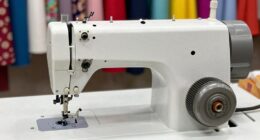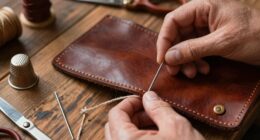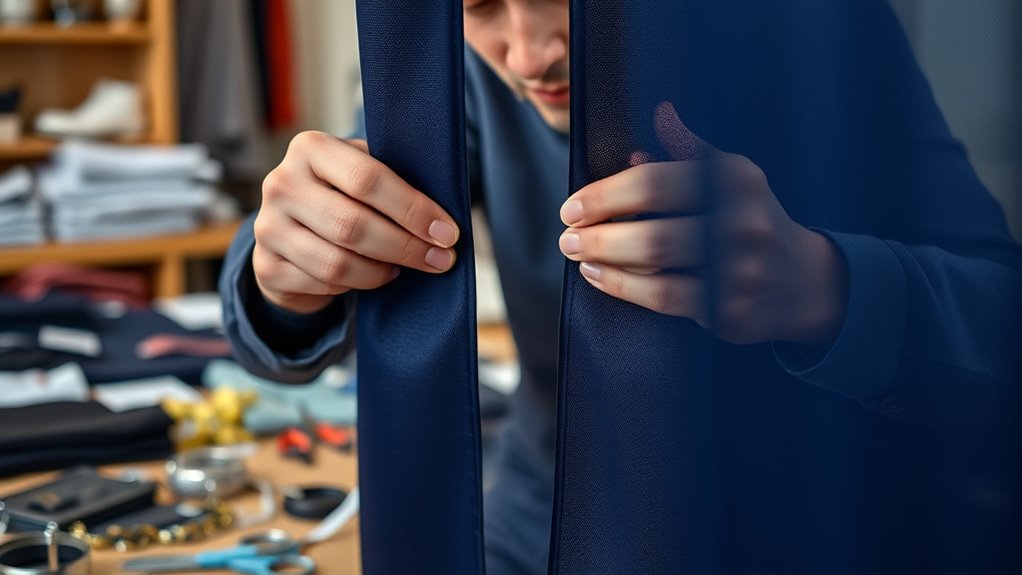

To start with basic clothing alterations like hemming and tailoring, choose fabrics that are easy to work with, such as lightweight cotton or polyester blends. Use sharp scissors, a measuring tape, pins, and a sewing machine or needle for sewing. Pin the desired length, cut carefully, and sew the hem neatly, pressing it for a professional finish. Mastering these skills helps you improve fit, save money, and extend your wardrobe—that’s just the beginning of what you can achieve.
Key Takeaways
- Choose appropriate fabrics like lightweight cotton for easier hemming and tailoring; delicate fabrics require extra care.
- Use essential tools such as pins, measuring tape, and a sewing machine for precise and efficient alterations.
- Determine the correct hem length by trying on the garment and pinning at the desired level before sewing.
- Sew hems carefully, considering fabric type and drape, then press with an iron for a professional finish.
- Accurate measurements and proper fabric selection ensure successful tailoring, extending clothing lifespan and fit.
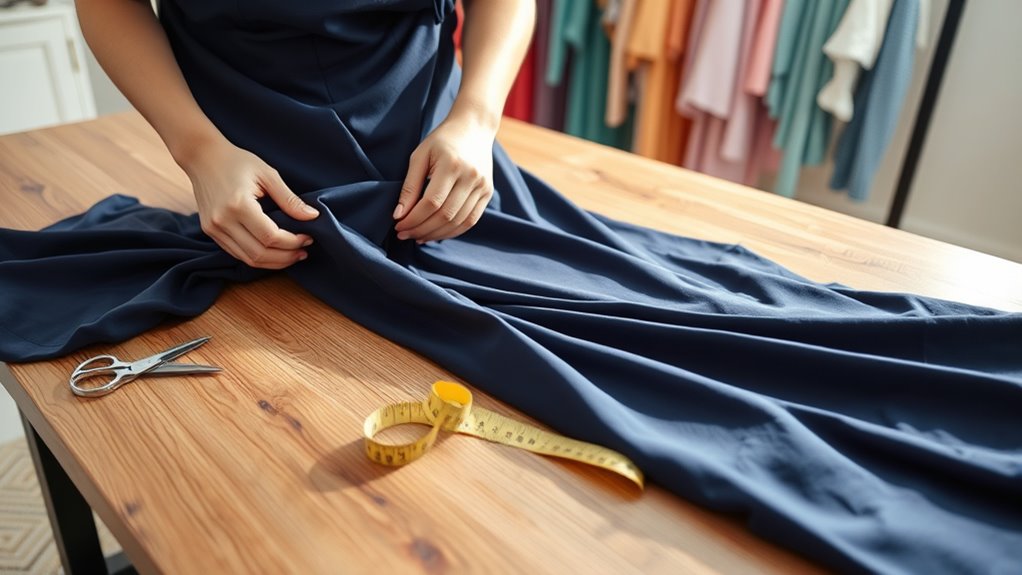
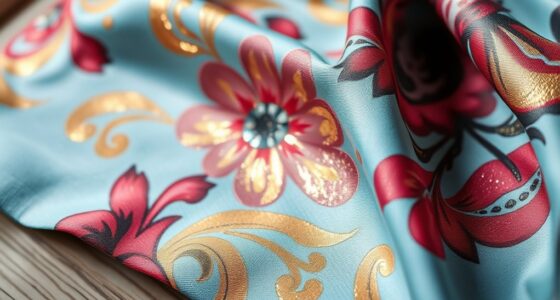
Clothing alterations are practical skills that can save you money and extend the life of your wardrobe. Whether you’re adjusting a pair of jeans or hemming a dress, understanding the basics of hemming and tailoring gives you the power to improve fit and style without buying new clothes. The first step is choosing the right fabric; different fabrics respond differently to alterations. For example, lightweight cotton or polyester blends are easier to work with, while delicate fabrics like silk or chiffon may require extra care. Selecting the appropriate fabric ensures your alterations look natural and durable.
Choosing the right fabric makes alterations easier and more durable.
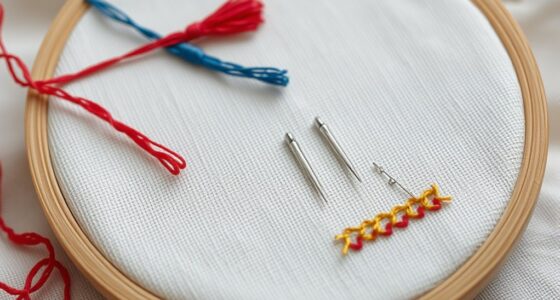
When it comes to alteration tools, having a good set of essentials makes the process smoother. You’ll want sharp scissors for clean cuts, pins or clips to hold fabric in place, and a seam ripper to undo stitches if needed. A measuring tape is essential for precise measurements, and a sewing machine can speed up the process, but hand-sewing works well for small adjustments or delicate fabrics. Using the right tools not only improves the quality of your work but also boosts your confidence as you learn.
Hemming is one of the simplest and most immediate ways to alter clothing. To start, you’ll need to determine the correct length, which involves trying on the garment and pinning it at the desired hemline. Make sure you account for the type of fabric and how it drapes. For instance, heavier fabrics may need a wider hem to avoid a bulky look. Once you’ve marked your length with pins, remove the garment and lay it flat. Use your fabric selection knowledge to choose a thread that matches the garment or complements the fabric. Then, carefully sew the hem, either by hand or with your machine, ensuring even stitches. After sewing, press the hem with an iron to set it in place, giving your alteration a professional finish. Additionally, understanding potential pitfalls in adopting new payment technologies can help ensure your alterations process remains secure and efficient when handling online payments or transactions.

Coquimbo Sewing Kit Gifts for Mom Grandma Women Men Teen Girls Boys Beginner Traveler, Portable Sewing Supplies Accessories Contains Thread, Needles, Scissors, Dorm Room Essentials (Black, M)
𝑾𝒐𝒏𝒅𝒆𝒓𝒇𝒖𝒍 𝑮𝒊𝒇𝒕𝒔 𝑰𝒅𝒆𝒂𝒔: This sewing kit is terrific gifts for people who travel frequently, mother, grandmother, backpacker, adults,…
As an affiliate, we earn on qualifying purchases.
As an affiliate, we earn on qualifying purchases.
Frequently Asked Questions
How Long Does a Typical Hemming or Tailoring Session Take?
A typical hemming or tailoring session usually takes about 30 minutes to an hour, depending on the complexity of the alteration. Alteration timeframes vary based on the specific changes needed and the tailor’s workload. To guarantee you get the right appointment, it’s best to schedule your tailor appointment in advance. This way, you can plan accordingly and avoid last-minute rushes, making the process smoother and more efficient for you.
What Are the Costs Associated With Basic Clothing Alterations?
Think of alteration fees as a menu of options, with prices ranging from $10 for simple hemming to $50 or more for complex tailoring. Pricing estimates vary depending on the fabric and complexity, much like ordering from a restaurant. You might find that minor adjustments cost less, while larger projects are pricier. Always ask your tailor for a clear quote upfront to avoid surprises, much like checking a menu before ordering.
Can Alterations Be Made to Vintage or Delicate Fabrics?
Yes, you can make alterations to vintage or delicate fabrics, but it requires special care. A skilled tailor will prioritize vintage fabric care and delicate material preservation, using gentle techniques and appropriate threads. They’ll handle your garments carefully to avoid damage, ensuring your vintage pieces stay beautiful and intact after alterations. Always communicate your fabric type upfront so your tailor can choose the best methods for a flawless, preserved result.
How Do I Choose the Right Tailor for My Needs?
Choosing the right tailor is like finding a trusted compass—your guide through fabric and stitch. You should prioritize their experience with your specific garment, whether it’s vintage or delicate. Read alteration reviews to gauge their skills and customer satisfaction. Visit their shop to ask about their expertise and see their work firsthand. Trust your instincts and pick someone who makes you feel confident, ensuring your clothing gets the perfect fit.
Are There Any Clothing Materials That Shouldn’t Be Altered?
Some fabrics have fabric restrictions and alteration limitations, so you should be cautious. For example, delicate materials like silk, lace, or chiffon often don’t hold up well to extensive alterations because they can fray or tear. Heavy fabrics like leather or waterproof materials might also be difficult or costly to alter. Always consult your tailor first; they can advise whether your clothing can be altered without damaging it.

Fiskars RazorEdge Fabric Scissors, Heavy Duty Fabric Shears, Ultra-Sharp Stainless Steel Blades & SoftGrip Ergonomic Handle, 8”, White/Orange
RAZOREDGE FABRIC SCISSORS: Ultra-sharp, premium-grade stainless steel blades with a precisely honed edge for clean cuts to the…
As an affiliate, we earn on qualifying purchases.
As an affiliate, we earn on qualifying purchases.
Conclusion
So, next time you’re tempted to toss out that perfectly good pair of jeans or that favorite dress just because they don’t fit quite right, remember—you can fix them yourself. Hemming and tailoring might seem intimidating, but they’re simple ways to breathe new life into your wardrobe. Who knew that a little stitch here and a quick tuck there would turn you into your own fashion hero? Irony’s on you—saving money never looked this stylish.

Brother XM2701 Sewing Machine, Lightweight, Full Featured, 27 Stitches, 6 Included Feet
27 Unique built-in stitches: The XM2701 includes 27 built-in stitches including decorative, blind hem, zigzag, and stretch stitches…
As an affiliate, we earn on qualifying purchases.
As an affiliate, we earn on qualifying purchases.
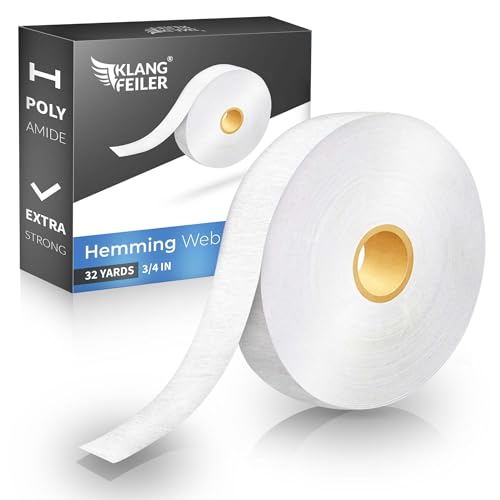
Klangfeiler® Iron on Hemming Web – 0.75 INCH x 32 Yards – Extra Strong – Iron Required
Iron required, requires heat to activate!
As an affiliate, we earn on qualifying purchases.
As an affiliate, we earn on qualifying purchases.