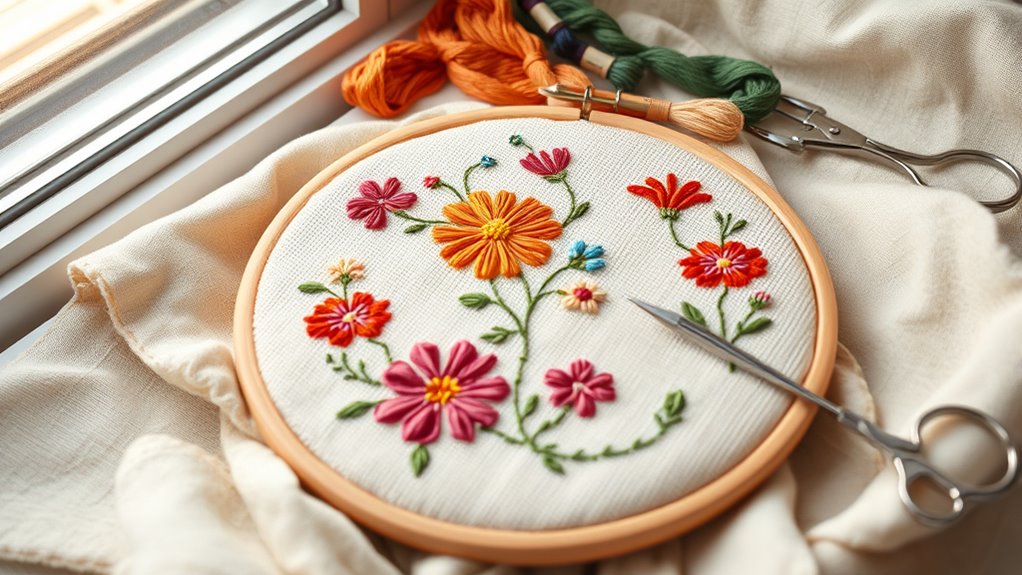
To start your first cross-stitch project, begin by choosing a simple pattern on Aida cloth and gather high-quality embroidery threads in colors that set the mood you want. Practice basic X-shaped stitches, keeping your tension even for neat results. Organize your threads carefully, leaving manageable lengths to prevent tangling. Focus on maintaining consistent stitch size and tension—that’s key for a polished look. Keep experimenting, and you’ll quickly improve. If you keep exploring, you’ll discover even more tips to help you grow.
Key Takeaways
- Practice on scrap fabric to master consistent stitches and tension for a neat finish.
- Choose high-quality, vibrant threads and organize them by color to simplify stitching.
- Follow a clear pattern and plan your thread colors before starting to ensure cohesive design.
- Keep stitches uniform in size and tension, pulling threads smoothly to prevent puckering.
- Use manageable thread lengths (~18 inches) to avoid tangling and secure extra thread at the back.
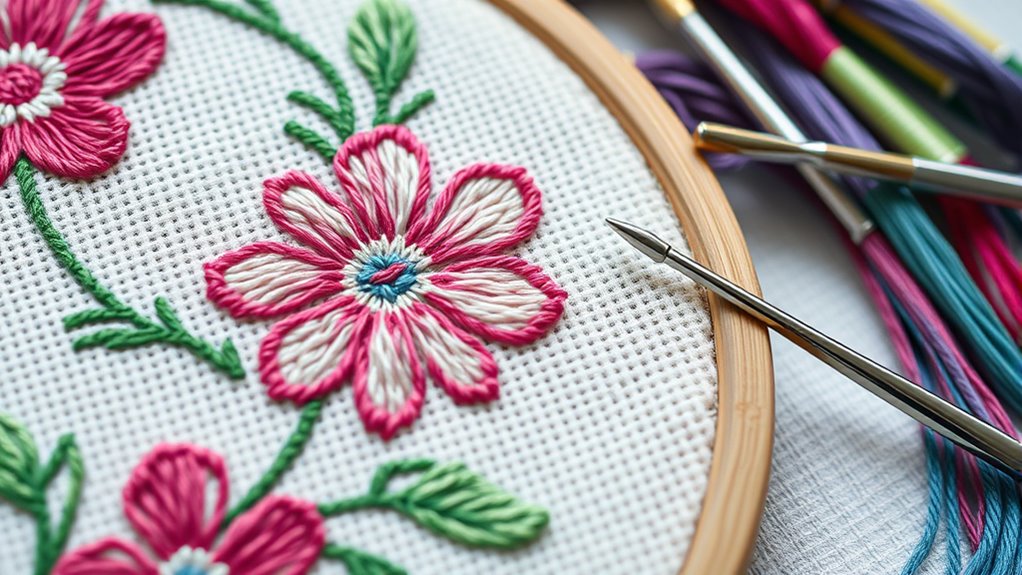
Are you curious about how to get started with cross-stitch? If so, you’re about to begin a fun and rewarding craft journey. The first step is understanding some basic embroidery techniques that will help you create neat, professional-looking stitches. Cross-stitch involves forming small X-shaped stitches on fabric, typically Aida cloth or evenweave, following a pattern. To master this, you need to keep your stitches consistent in size and tension. Start by practicing on scrap fabric to get comfortable with the motion. Hold your needle at a slight angle and always pull the thread through smoothly to avoid puckering. Making uniform stitches will give your project a tidy appearance and make it easier to follow complex designs later on.
Thread color selection is another essential aspect when starting your project. Think of it as choosing the palette for a painting; vibrant colors can create bold statements, while softer shades produce subtle effects. When selecting thread colors, consider the overall look you want to achieve and the mood of the design. It’s helpful to look at the pattern’s suggested colors, but don’t hesitate to customize them—your personal touch makes the project special. Keep in mind that different brands of embroidery floss may have slight color variations, so if possible, stick to one brand for consistency. Also, opt for high-quality threads, as these tend to be smoother and less prone to fraying, making your stitching easier and more durable.
Next, plan your thread color selection by grouping similar shades or contrasting hues to create visual interest. When threading your needle, leave a manageable tail to prevent unraveling, and use small lengths—around 18 inches—to avoid tangling. As you work, switch between colors by securing extra thread at the back of your fabric or using a bobbin technique to keep things tidy. Remember, patience is key here—taking your time to choose and organize your threads will pay off in the finished piece. Keep a color chart or swatch nearby to track your choices and avoid confusion during your stitching process. Additionally, researching reliable payment processing methods can help you sell your finished cross-stitch pieces securely online, expanding your craft’s reach. Whether you’re working on a simple design or a complex pattern, paying attention to embroidery techniques and thread color selection will set a solid foundation for your cross-stitch projects. With practice, you’ll develop a steady hand and an eye for color harmony, turning your ideas into beautiful stitched art.

CYANFOUR Embroidery Kit for Beginners, 4 Stages to Learn 38 Stitches, with Step-by-Step Instructions and Clear Videos, Includes Multiple Accessories, Gift for Craft Lovers.
[ INCLUDES EVERYTHINGS YOU NEED ] Exquisite gift box contains 4 embroidered fabrics with patterns, 20 color threads,…
As an affiliate, we earn on qualifying purchases.
As an affiliate, we earn on qualifying purchases.
Frequently Asked Questions
What Types of Fabric Are Best for Beginners?
For beginner-friendly fabric selection, choose easy-to-work-with materials like Aida cloth or evenweave. These fabrics have clear, evenly spaced holes that make stitching simpler and more enjoyable. Avoid delicate or stretchy fabrics until you gain confidence. Sturdy, pre-cut options are ideal, helping you focus on your stitches without worrying about fabric handling. Overall, these beginner-friendly materials will boost your confidence and make your first cross-stitch project fun and successful.
How Do I Choose the Right Thread Color?
To choose the right thread color, start by color matching your design with your thread collection. Pick shades that complement each other and fit the mood you want to create. Keep your thread organized to easily find the colors you need. Test a few thread colors on scrap fabric to see how they look together. This way, you’ll confidently select the perfect hues for your cross-stitch project.
Can I Correct Mistakes Easily in Cross-Stitch?
Did you know that 87% of beginners find cross-stitch error correction easier than expected? You can correct mistakes in cross-stitch quite easily by gently removing the stitches with a seam ripper or needle. If you make a floss color mistake, simply unpick the affected stitches and re-stitch with the correct thread. Don’t worry—mistakes are part of learning, and fixing them helps improve your skills!
What Tools Are Essential for Starting Out?
To start out, you’ll need essential tools like embroidery hoops to keep your fabric taut and make stitching easier. Choose the right needle types, such as tapestry needles, which are blunt and perfect for cross-stitch. These tools help you work accurately and comfortably. Additionally, have embroidery floss, scissors, and a pattern. With these basics, you’re well-equipped to begin your cross-stitch journey and create beautiful projects.
How Long Does It Typically Take to Complete a Project?
You’ll spend what feels like an eternity—sometimes weeks or even months—on a project, depending on its complexity. If you’re working on a tiny, simple design, it might only take a few evenings. But for intricate, detailed patterns, be prepared for a serious time investment that could stretch out over months. The more complex the project, the longer it takes, so patience and persistence are your best friends.

Cross Stitch Aida Fabric 14 Count, 59 by 39 Inch Large Size, Classic Reserve Cross Stitch Aida Cloth for Home DIY Embroidery Decoration
【Well Material】Made of high quality pure cloth material, soft and comfortable, and it is washable, recyclable.
As an affiliate, we earn on qualifying purchases.
As an affiliate, we earn on qualifying purchases.
Conclusion
So, there you have it—your crash course in cross-stitch survival. With these tips, you’ll be boldly stitching away in no time, impressing friends and family—or at least confusing them with your newfound “crafty genius.” Remember, every mistake is just a tiny masterpiece in the making. So grab that needle, embrace the chaos, and soon you’ll be the Picasso of cross-stitch—just with better thread. Happy stitching, or at least pretending to be!
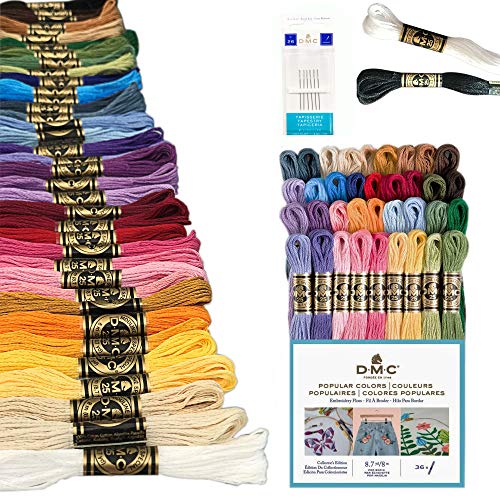
DMC Embroidery Floss Pack Popular Colors, Embroidery Thread Kit Include 36 Assorted Color Bundle with DMC Mouline Cotton White/Black and Cross Stitch Hand Needles Size 26.
✔️ Collection of Threads – A Great Known Quality : You cannot go wrong with this kit, the…
As an affiliate, we earn on qualifying purchases.
As an affiliate, we earn on qualifying purchases.

BEADNOVA Needle Threaders 20pcs Stainless Steel Sewing Needle Threader for Hand Sewing Large Eye Cross Stitch Embroidery Craft Knitting Quilting
NEEDLE THREADER: Measures 48 x 12mm or 1.88 x 0.47 inch in size, this needle threader works both…
As an affiliate, we earn on qualifying purchases.
As an affiliate, we earn on qualifying purchases.