If you’re deciding between embroidery and cross-stitch as a beginner, you’ll find embroidery offers more artistic flexibility with various stitches, textures, and embellishments, but can be more challenging initially. Cross-stitch is simpler, using uniform X-shaped stitches on a grid for neat, pixel-like patterns, making it perfect for learning basic skills quickly. Both have unique tools and techniques, so exploring their differences can help you pick the craft that suits your style—more details await if you continue to explore.
Key Takeaways
- Cross-stitch uses uniform X-shaped stitches on gridded fabric, making it easier for beginners to follow patterns.
- Embroidery involves diverse stitches and textures, offering more artistic flexibility but with a steeper learning curve.
- Cross-stitch requires minimal tools—just embroidery floss and a needle—ideal for simple projects and newcomers.
- Embroidery tools are more varied, including hoops and multiple stitch types, suitable for complex, decorative designs.
- For beginners, cross-stitch provides quick results and straightforward techniques, while embroidery offers broader creative opportunities.

Embroidery and cross-stitch are popular needlework techniques that often get compared, but they each have distinct styles and methods. If you’re just starting out, understanding their differences can help you choose the right craft for your interests. One of the key aspects to weigh is techniques comparison, which involves looking at how each method is executed and what results you can expect. Embroidery generally involves creating decorative stitches on fabric using a variety of stitches, while cross-stitch focuses on making uniform X-shaped stitches to form images or patterns.
Embroidery and cross-stitch differ in style, techniques, and tools, shaping unique creative possibilities.
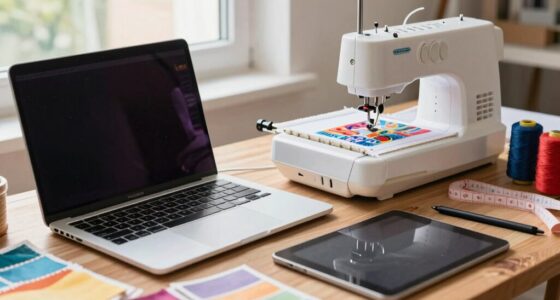
When it comes to tool differences, embroidery and cross-stitch also require different supplies. For embroidery, you typically need embroidery hoops, a variety of needles, and an assortment of threads such as floss, silk, or metallic yarns. These tools allow you to create intricate, detailed designs on fabric, often with multiple stitching styles like satin stitch, French knots, or lazy daisy stitches. Cross-stitch, on the other hand, uses a simple needle and embroidery floss, which is usually divided into six strands. The main tool difference here is the emphasis on usingida cloth or evenweave fabric, which provides a grid-like surface that makes it easier to produce consistent X-shaped stitches. The grid helps beginners keep their stitches even and aligned, which is vital for creating neat patterns. Additionally, understanding how indexed annuities work can help you approach your needlework with a strategic mindset, balancing risk and reward in your craft investment.
The technique comparison also reveals that embroidery offers a broader range of artistic expression. You can combine various stitches, add embellishments like beads or sequins, and work on different textures and layers. Cross-stitch tends to be more uniform and structured, making it ideal for creating detailed, pixel-like images and patterns with a more straightforward approach. Because of these differences, embroidery can be more flexible and complex, while cross-stitch often appeals to those who enjoy precise, repetitive work that results in a clear, pixelated design.
In terms of skill development, embroidery might seem more challenging initially due to its variety of stitches and techniques, but it also offers more room for creativity. Cross-stitch is more beginner-friendly, especially because of the patterned grids and simple stitches, making it easier to learn the basics quickly. Whether you choose embroidery or cross-stitch, understanding their techniques comparison and tool differences allows you to pick the craft that best suits your style and goals. Both are rewarding forms of needlework that can bring beauty and satisfaction to your handiwork.
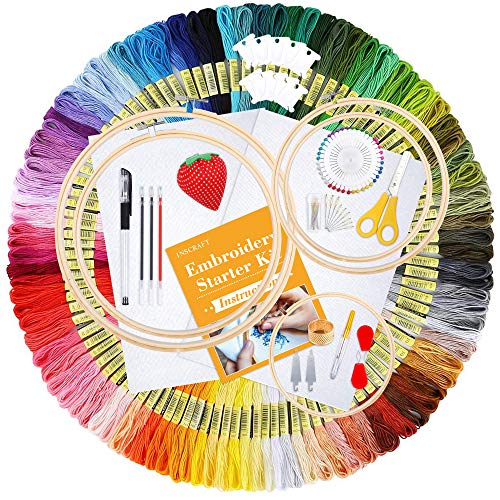
INSCRAFT 304 Pack Embroidery Kit, 200 Colors Threads, 5 Pcs Bamboo Embroidery Hoops, 2 Pcs Aida Cloth, Instructions, Bag and Cross Stitch Tools Set, Hand Embroidery Starter Kit for Beginners Adults
- Complete Embroidery Starter Kit: Includes all essential tools and accessories
- 200 Color Embroidery Floss: Wide range of vibrant thread colors
- Variety of Embroidery Hoops: Multiple sizes for versatile projects
As an affiliate, we earn on qualifying purchases.
As an affiliate, we earn on qualifying purchases.
Frequently Asked Questions
Can Cross-Stitch Be Used on All Fabric Types?
Yes, cross-stitch can be used on many fabric types, but fabric compatibility affects stitch versatility. You’ll find it works best on evenweave, Aida, or linen, which provide a stable base. Avoid very stretchy or delicate fabrics, as they can make stitching difficult. Choosing the right fabric guarantees your cross-stitch projects stay neat and uniform, highlighting the stitch’s versatility across suitable textiles.
Which Is Faster for Large Projects, Embroidery or Cross-Stitch?
Cross-stitch is typically faster for large projects because its simple, uniform stitches allow you to work like a well-oiled machine. Your thread tension and fabric stability play vital roles—too loose or unstable fabric slows you down and causes uneven stitches. Embroidery, with its more intricate designs and varied stitches, takes longer. So if speed’s your goal, grab your cross-stitch hoop and keep that tension just right!
Are Special Needles Required for Cross-Stitch?
You don’t need special needles for cross-stitch; standard embroidery needles work well. When choosing needles, make certain they’re compatible with your sewing equipment, especially if you’re working with different fabric types. Cross-stitch needles typically have a blunt tip, which helps prevent fabric damage and ease the process. Using the right needle ensures your stitches are even and your project progresses smoothly, making your crafting experience more enjoyable.
How Do I Choose Thread Colors for Embroidery?
When choosing thread colors for embroidery, start with color matching your fabric and design. Consider your overall color scheme and pick shades that complement each other. Prioritize thread quality to make certain of smooth stitching and vibrant results. Test your colors on scrap fabric first, and don’t be afraid to experiment with different shades to find what looks best. Good color choices and quality threads make your embroidery truly pop.
Is Cross-Stitch Suitable for Beginner Embroidery Projects?
Think of cross-stitch as a friendly first step, much like learning to walk before running. It’s highly beginner-friendly, offering simple stitches and clear patterns. With numerous beginner-friendly techniques and a wide array of cross-stitch pattern options, you’ll find it easy to create beautiful designs without feeling overwhelmed. Its straightforward nature makes it ideal for beginners enthusiastic to build confidence while enjoying the creative process.
Conclusion
Whether you choose embroidery or cross-stitch, remember that each stitch is a step on your creative journey. Think of these techniques as different melodies in the symphony of needlework—each with its own unique harmony. Don’t be afraid to experiment and let your passion guide you. With patience and practice, you’ll craft beautiful pieces that reflect your heart. So pick up your needle and thread, and watch your skills blossom like a garden in full bloom.