Sashiko mending turns repairs into decorative statements by using visible, geometric stitches that highlight wear rather than hide it. You’ll choose durable fabrics like indigo cotton and use sharp needles with even, consistent stitches to create beautiful patterns. The stitches are part of the design, transforming repairs into artistic expressions of durability and tradition. If you want to discover more about crafting these intricate stitches and their cultural significance, keep exploring further.
Key Takeaways
- Sashiko emphasizes visible, decorative repairs using geometric patterns of uniform running stitches.
- Choose durable fabrics like indigo cotton and high-quality thread for effective mending.
- Use sharp needles and maintain consistent stitch length and spacing for pattern clarity.
- Incorporate stitches as part of the design, transforming repairs into aesthetic statements.
- Sashiko combines practicality with artistry, extending garment life while celebrating wear and tear.

Have you ever wondered how traditional Japanese mending techniques can breathe new life into your worn-out clothes? Sashiko, a centuries-old method, combines practicality with artistry, turning simple repairs into beautiful designs. When you start exploring sashiko mending, understanding traditional techniques is essential. These techniques emphasize visible repair, where the stitches are not hidden but intentionally part of the garment’s aesthetic. The process involves creating geometric patterns that both mend and decorate, making repairs a statement rather than a flaw.
One of the most important aspects of sashiko is fabric selection. You want to choose durable, tightly woven fabrics that can withstand the repetitive stitching. Traditionally, indigo-dyed cotton is favored because it’s sturdy and lends itself well to the contrasting white stitches typical of sashiko. However, don’t feel limited—other natural fabrics like linen or hemp can work beautifully, especially if they complement the design you envision. The fabric you select should have enough strength to hold the stitches securely, ensuring your repair lasts over time. When choosing fabric, consider its weight and weave, aiming for materials that are neither too thin nor too coarse, so the stitches sit evenly and the pattern remains clear.
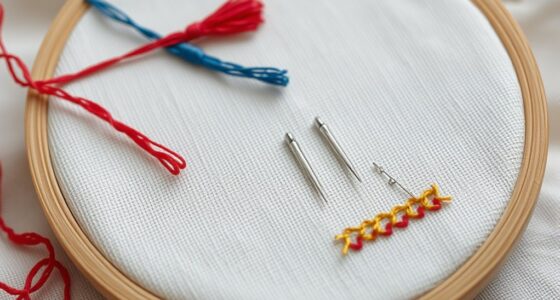
Once you’ve picked your fabric, the traditional techniques come into play. Sashiko stitches are usually simple running stitches, but their arrangement creates intricate geometric patterns. You’ll need a sharp needle and high-quality thread—preferably cotton or silk—so your stitches glide smoothly through the fabric. The stitches are typically uniform in length, and the spacing is precise, emphasizing the visual rhythm of the pattern. As you work, take your time to ensure each stitch is consistent, which in turn makes your repair both durable and visually appealing. The beauty of sashiko is that it’s forgiving—your stitches don’t need to be perfect, but practicing steady, even stitching will enhance the overall look.
Incorporating traditional techniques and thoughtful fabric selection transforms a simple repair into an act of creative expression. Rather than hiding wear and tear, sashiko celebrates these marks, turning them into decorative elements. Your worn-out garment becomes a canvas for pattern and color, breathing new life into what might have been discarded. Whether you’re mending a favorite pair of jeans or a cherished shirt, using sashiko can make the process meaningful, giving your clothes a story and a unique aesthetic that only traditional techniques can provide.
Frequently Asked Questions
Can Sashiko Mending Be Used on All Fabric Types?
You can use sashiko mending on many fabric types, but fabric compatibility varies. It works best on sturdy, woven fabrics like denim, linen, or cotton because they hold the stitches well. For delicate or stretchy fabrics, sashiko might cause damage or distortion, so consider maintenance considerations. Always test a small area first and choose appropriate thread thickness to make sure your repair stays durable and visually appealing.
How Durable Is Sashiko Mending Compared to Traditional Repairs?
Think of sashiko mending like a sturdy bridge built with layered stones—each stitch adds strength. You’ll find sashiko offers comparable or even greater durability than traditional repairs because the fabric strength is reinforced with dense, decorative stitches. This technique enhances stitch longevity, making your repaired fabric resilient against wear and tear, so your garment stays intact longer, all while adding a beautiful, handcrafted touch.
What Tools Are Essential for Sashiko Mending?
You’ll need essential tools like a sashiko needle, which is longer and thicker for stitching techniques, and quality thread for visible repairs. Prepare your fabric by washing and drying it to prevent shrinkage later. Use a thimble to protect your fingers and tailor chalk or fabric marker for marking your design. These tools help you achieve neat, durable stitches, making your sashiko mending both functional and decorative.
Can Sashiko Be Done by Beginners With No Sewing Experience?
You can definitely try sashiko even if you’re a beginner with no sewing skills. While it might seem intricate, sashiko is quite beginner-friendly with simple, repetitive stitches that are easy to learn. Don’t worry about perfection; the charm lies in the hand-stitched look. With patience and practice, you’ll develop confidence, and sashiko can become a relaxing, rewarding craft that enhances your sewing skills over time.
How Do I Choose Colors for Sashiko Decorative Stitches?
When choosing colors for sashiko decorative stitches, focus on color coordination to enhance your fabric’s appearance. Opt for thread selection that contrasts well with your fabric to create a striking design or choose similar shades for a subtle, harmonious look. Consider the mood you want to evoke—bold colors for vibrancy or muted tones for elegance. Trust your instincts and experiment to find the perfect color combination that reflects your style.
Conclusion
Now that you’ve learned the art of sashiko mending, you hold the brush to paint stories onto worn fabric. Each stitch is a heartbeat, turning repairs into a tapestry of resilience and beauty. Embrace the process as a dance between tradition and creativity, transforming imperfections into charming accents. With every visible repair, you weave a narrative of care and craftsmanship, making your clothes not just worn, but wonderfully reborn—like a phoenix rising from the ashes, renewed and radiant.