
To print on hoodies without bleed-through, focus on using a solid underbase layer for better color saturation and to prevent ink soaking through. Adjust your flash timing carefully; too short can leave prints tacky, while too long risks scorching the fabric. Finding that balance is key to enhancing print quality and durability. By mastering these techniques, you can achieve vibrant results that catch the eye. You’ll discover even more tips to perfect your hoodie printing process.
Key Takeaways
- Use a solid underbase layer to enhance color saturation and prevent bleed-through on hoodies.
- Adjust flash timing to ensure proper ink curing without damaging the fabric.
- Select high-quality inks with appropriate opacity to minimize bleed-through issues.
- Conduct test prints to identify the right ink saturation and flash duration for your specific materials.
- Implement proper curing methods to maintain print quality and prevent fading or cracking.

Runhit Thermal Compression Shirts for Men Long Sleeve Hoodie with Mask Running Base Layer Top Breathable Workout Sports Undershirts Black M
- Integrated Hooded Mask: Pull-up or down for face protection
- Compression Support: Reduces muscle vibration and fatigue
- Breathable & Quick Dry: Keeps you cool and dry during workouts
As an affiliate, we earn on qualifying purchases.
As an affiliate, we earn on qualifying purchases.
Understanding the Role of Underbase Layers in Hoodie Printing
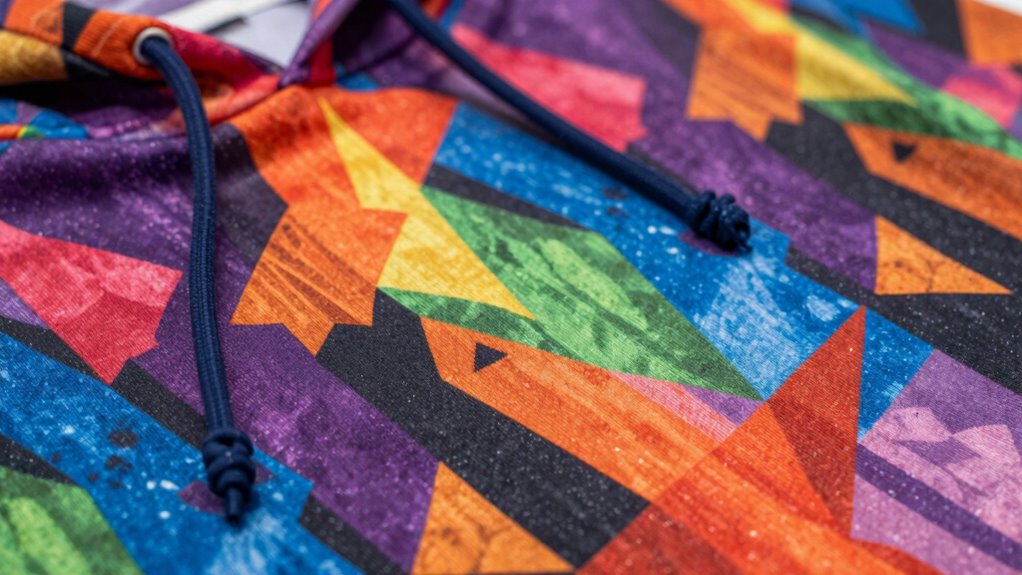
When you’re printing on hoodies, understanding the role of underbase layers is crucial for achieving vibrant designs without bleed-through. Underbase types, like white or black, serve as a foundation that enhances color saturation and prevents the garment’s fabric from dulling your print. By choosing the right underbase, you can create a striking contrast that makes your design pop.
Using effective layering techniques is key—apply the underbase first, then build your colors. This method guarantees the top layers stay vivid and clean. Don’t forget to take into account the hoodie’s fabric; thicker materials might require a heavier underbase. By mastering these elements, you’ll ensure your hoodie prints are both eye-catching and professional.
Create an Effective Underbase for Vibrant Prints
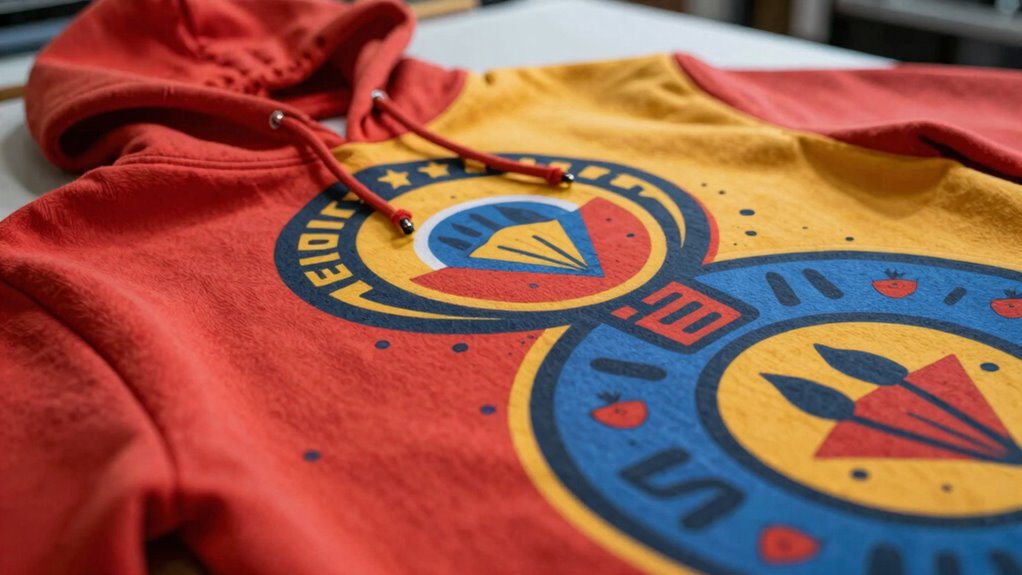
Creating an effective underbase is essential for achieving vibrant prints on hoodies. You’ll want to focus on the importance of that layer and master ideal flash timing techniques to prevent bleed-through. With the right approach, your designs will pop with clarity and color.
Importance Of Underbase Layer
An effective underbase layer is vital for achieving vibrant prints on hoodies, especially when working with dark fabrics. It serves as a foundation that enhances the color brightness and guarantees the design pops. One of the key underbase benefits is improved ink adhesion, which prevents colors from bleeding or fading over time. Without a proper underbase, your prints may appear dull or inconsistent, particularly on darker materials. By applying a solid underbase, you’re not only enhancing the overall quality of your prints but also extending their lifespan. This initial layer plays a significant role in creating that eye-catching finish you’re aiming for. So, don’t underestimate the importance of a well-executed underbase in your printing process.
Optimal Flash Timing Techniques
Achieving vibrant prints on hoodies hinges on mastering ideal flash timing techniques. Start by adjusting your heat settings to guarantee effective flash curing without overexposing the fabric. Aim for just enough time to enhance print opacity and promote ink adhesion while preserving the fabric texture. Monitor curing times closely; too little won’t bond the ink, while too much may damage the hoodie. Use proper curing techniques to maintain color vibrancy. Experiment with different timings to find the sweet spot that works for your specific inks and fabrics. Remember, the right flash timing not only improves the quality of your prints but also assures durability, preventing bleed-through and maintaining the integrity of your designs. Additionally, understanding filtration/suction basics can help ensure your printing environment remains free of dust and debris, further enhancing print quality. Proper calibration of your equipment, similar to color accuracy in projectors, is essential for achieving consistent results across different fabric types. Incorporating eco-friendly practices into your printing process can also contribute to a sustainable approach while ensuring high-quality outputs. Implementing tool knowledge can also help streamline your setup and improve overall efficiency during the printing process. Moreover, utilizing wellness technology can enhance your workspace environment, promoting focus and reducing fatigue while you print.
Flash Timing: Why It Matters for Quality Designs
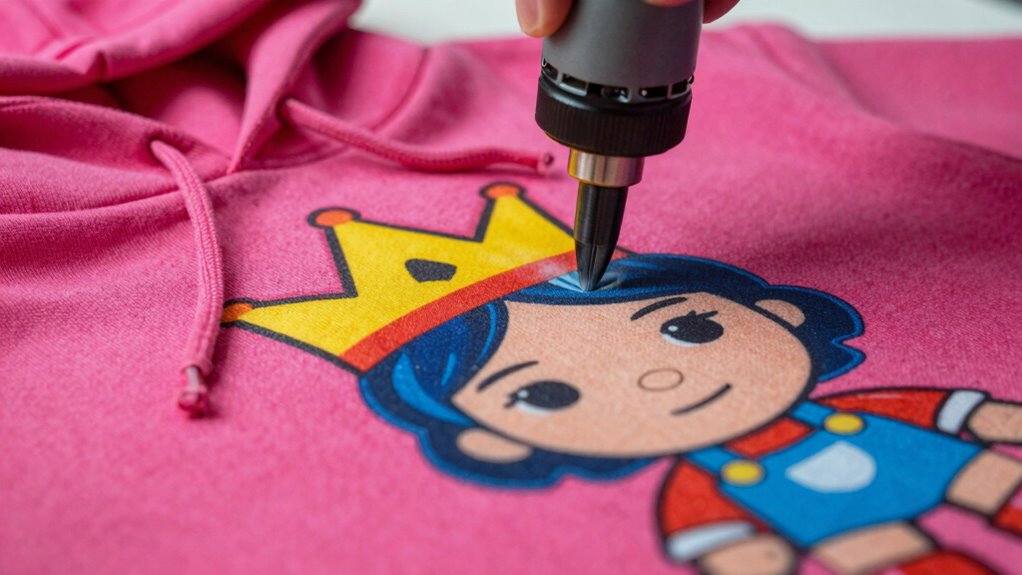
When you’re printing on hoodies, understanding flash timing is essential for achieving high-quality designs. Proper flash curing plays a pivotal role in guaranteeing your prints maintain color accuracy and design vibrancy. If the timing’s off, you risk poor ink absorption, leading to muddied colors and reduced print durability. Each fabric has its unique compatibility with heat settings, so adjusting your flash timing can help prevent damage and guarantee the ink adheres well. Additionally, kitchen appliances can be sensitive to heat, which can serve as a reminder to monitor your equipment closely. Regular maintenance of your printing equipment can also significantly enhance overall print quality. Furthermore, maintaining indoor air quality can contribute to a healthier workspace, allowing for better focus and productivity. Additionally, investing in anti-fatigue mats can improve your comfort while standing, allowing you to focus better on your printing tasks. When you layer prints, timing becomes even more critical, as each layer needs the right amount of heat to bond effectively. By mastering flash timing, you enhance both the longevity and visual appeal of your hoodie designs, making every piece a standout. Additionally, understanding acoustic drum shields can help create an environment that minimizes external noise, allowing you to focus on perfecting your prints.
Key Techniques for Optimizing Flash Timing
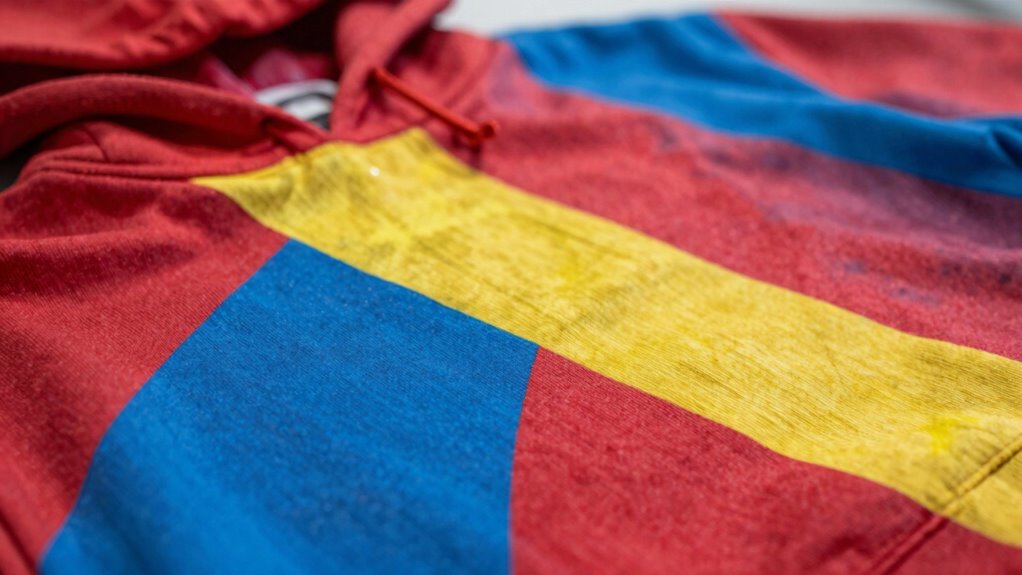
To get the best results when printing on hoodies, you need to optimize your flash timing. Start by mastering proper flash duration and experimenting with temperature control techniques. These adjustments can make all the difference in achieving crisp, bleed-free designs.
Proper Flash Duration
Understanding proper flash duration is essential for achieving crisp, vibrant prints on hoodies without bleed-through. You need to find the right balance; too short a flash duration can leave your prints tacky, while too long can scorch the fabric. Experiment with different settings, aiming for a duration that guarantees the underbase is cured but not overcooked. Keep an eye on print consistency throughout your runs; if you notice variations, adjust your flash timing accordingly. A well-timed flash allows for even ink distribution, which enhances color vibrancy. Remember, the goal is to create a solid foundation for your prints, so take the time to fine-tune this aspect of your process for the best results.
Temperature Control Techniques
Achieving ideal flash timing hinges on effective temperature control techniques. To guarantee successful ink curing and print adhesion without bleed-through, focus on the following key strategies:
- Temperature Regulation: Maintain consistent temperatures during the printing process to prevent uneven curing. Ensuring proper airflow around the unit can also enhance the overall printing environment.
- Heat Management: Adjust your flash units to maximize heat distribution, avoiding hotspots that can damage fabric compatibility.
- Moisture Control: Keep your workspace dry; excess moisture can interfere with ink adhesion and quality. Regularly checking indoor air quality is essential for minimizing pollutants that could impact the printing process.
- Fabric Compatibility: Different fabrics react uniquely to heat; test prints on various materials to find the best settings.
Additionally, maintaining optimal indoor air quality is crucial, as it can influence the overall printing environment and contribute to better results.
Common Mistakes to Avoid When Printing on Hoodies
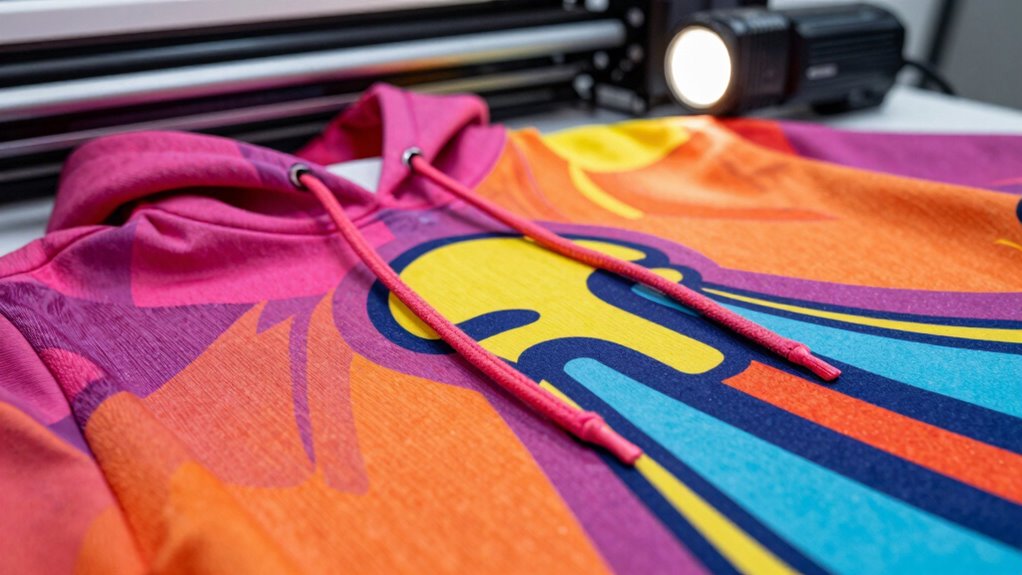
When printing on hoodies, overlooking common mistakes can lead to disappointing results. Start with thorough design preparation; if your artwork resolution isn’t high enough, it’ll compromise print quality. Choose the right ink selection for the fabric to guarantee vibrant colors and longevity. Pay attention to print alignment; misalignment can ruin the overall look. Always check for material compatibility to avoid issues during the curing process. Proper curing methods are essential; insufficient curing can lead to fading or cracking. Finally, focus on color matching to maintain consistency across different hoodies. By avoiding these pitfalls, you’ll enhance production efficiency and achieve a professional finish that customers will love.
How to Fix Bleed-Through Issues
To fix bleed-through issues on hoodies, start by ensuring you’re using the right ink type for the fabric. High-quality inks can greatly reduce bleed-through, enhancing your print’s clarity. Here are some additional tips for effective bleed prevention:
- Adjust ink saturation: Lowering saturation can help prevent ink from soaking through.
- Use an underbase: A solid underbase can create a barrier, reducing bleed-through.
- Control flash timing: Proper flash curing allows the ink to dry before the next layer is applied.
- Test prints: Always conduct test prints to identify potential bleed-through issues before full production.
Best Inks for Hoodie Printing
Choosing the right ink for hoodie printing is essential for achieving vibrant, long-lasting designs. The best ink brands offer a variety of options, including eco-friendly inks that are both safe and effective. When selecting inks, consider their opacity, durability, and environmental impact. Additionally, opting for sustainable gifting options can enhance your brand’s appeal to eco-conscious consumers. Understanding the importance of ink types can also help in making informed choices for your printing projects. Using the right paper can also complement your ink choice, ensuring that your designs stand out against the printmaking paper texture.
Here’s a quick comparison of popular ink types:
| Ink Type | Best Ink Brands | Eco-Friendly Options |
|---|---|---|
| Plastisol Ink | Wilflex, Union Ink | Eco-White, Green Galaxy |
| Water-Based Ink | Speedball, Tri-Edge | Eco-Black, Eco-White |
| Discharge Ink | Rutland, QCM | Eco-Discharge, No-Flow |
How to Care for Printed Hoodies
Caring for your printed hoodies is essential to keep the designs looking fresh and vibrant. Follow these tips to guarantee your prints last longer and avoid color fading:
Caring for your printed hoodies ensures vibrant designs and longevity—follow these essential tips for lasting freshness.
- Fabric Selection: Choose hoodies made of high-quality materials that hold prints better. Incorporating smart solutions for home storage can help protect your investment. Additionally, selecting materials made from recycled materials in gardening can be a sustainable choice. In high-traffic areas, consider humidity management to prevent fabric deterioration, as this can support calmer, clutter-light homes.
- Washing Instructions: Always wash in cold water and inside out to protect the print.
- Drying Methods: Air dry when possible, or use low heat to prevent damage to the design.
- Storage Tips: Store hoodies flat or hanging to avoid creasing and maintain print longevity. Additionally, consider incorporating smart storage solutions to keep your hoodies organized and protected.
Frequently Asked Questions
What Types of Hoodies Are Best for Printing?
The best hoodies for printing are typically made from cotton-polyester blends or tri-blends. These fabric blends offer a smooth surface that enhances print techniques, ensuring vibrant results. Look for hoodies with a medium to heavy weight, as they tend to absorb ink better and reduce bleed-through. Also, consider the fabric’s texture; a tighter weave will improve the overall quality of your prints, making them stand out beautifully.
Can I Use Any Printer for Hoodie Printing?
No, you can’t just use any printer for hoodie printing. Picking the right printer types is vital for engaging, clear designs. Direct-to-garment (DTG) printers offer fantastic print quality, while screen printing excels for bulk orders. Each printer has its perks, so consider fabric compatibility and design intricacy. Choosing wisely guarantees your hoodies look stunning and stand out, leaving a lasting impression on everyone who sees them.
How Do I Choose the Right Ink for Dark Hoodies?
To choose the right ink for dark hoodies, look for inks with high opacity to guarantee your designs stand out. You want inks that provide excellent color vibrancy, as this will make your prints pop against the fabric. Plastisol inks are often a good choice, as they offer both durability and brightness. Always test a sample first to see how the ink performs on your specific hoodie material.
What Is the Ideal Curing Temperature for Hoodie Prints?
The ideal curing temperature for hoodie prints is like finding the sweet spot in a perfectly brewed cup of coffee—just right. Aim for around 320°F to 330°F (160°C to 165°C) when using various printing techniques. This guarantees your ink adheres well, avoiding any issues like cracking or fading. Remember, too high a temperature can damage the fabric, so keep an eye on that heat to achieve the best results!
How Can I Prevent Fading After Washing?
To prevent fading after washing, you should use cold water and turn your hoodie inside out. This washing technique helps protect the print from friction and direct exposure. Avoid using bleach or harsh detergents, as they can accelerate fading. Instead, opt for mild detergents specifically designed for colored fabrics. Finally, air dry your hoodie instead of using a dryer; this keeps the colors vibrant and extends the life of your print.
Conclusion
In the world of hoodie printing, mastering underbase and flash timing is like conducting a symphony—each note must harmonize for a flawless masterpiece. By avoiding common pitfalls and knowing how to care for your printed creations, you can guarantee your designs shine bright without bleed-through. So, as you commence on your printing journey, remember: a little patience and precision can transform your hoodies from ordinary to extraordinary, just like a skilled artist brings a canvas to life.