If you want professional-looking seams with a clean, finished edge that’s durable and stretchy, you need a serger. It trims excess fabric and creates strong, neat seams quickly, especially for stretchy or heavy fabrics like knits or upholstery. A regular sewing machine is versatile but often requires extra steps for seam finishing. If you’re considering when to choose an overlocker, keep exploring to understand how it can elevate your sewing projects.
Key Takeaways
- Use a serger for professional, durable seams and clean fabric edges, especially on stretch or delicate fabrics.
- Choose a sewing machine for detailed stitching, complex patterns, and projects requiring precise control.
- Opt for a serger when speed and seam strength are priorities, such as for heavy-duty or finishing projects.
- A sewing machine alone may require extra steps like zigzag or binding to achieve similar seam durability.
- Invest in an overlocker if you need a polished, professional finish with minimal finishing steps.

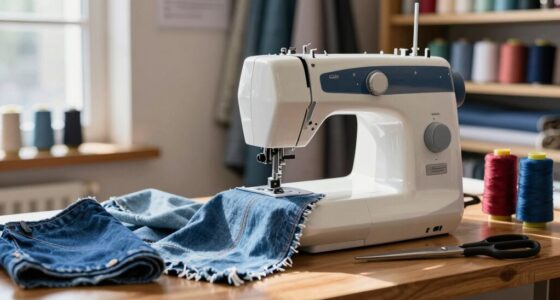
Are you wondering whether a serger or a sewing machine is better for your sewing projects? The decision often depends on what you want to achieve with your finished product. If you’re aiming for a professional, polished look, understanding the differences between these machines is vital. A serger, also known as an overlocker, specializes in creating clean, durable seams and a refined fabric finish. It trims excess fabric as it sews, giving your projects a neat edge without the need for extra finishing steps. This results in a more professional appearance and helps prevent fraying over time. In contrast, a traditional sewing machine excels at stitching and assembling fabric pieces, but it often requires additional steps—like zigzag or binding—to achieve similar seam strength and fabric finish.
When it comes to seam strength, a serger offers significant advantages. Its multiple threads work together to lock the seam securely, ensuring that the stitches won’t unravel easily. This is especially important for garments or items that will undergo frequent washing and wear. The serger’s stitches are designed to stretch with the fabric, reducing the risk of seams popping apart, which can happen with weaker, single-stitched seams from a regular sewing machine. As for the fabric finish, a serger’s overlock stitches encase raw edges, preventing fraying and giving your project a clean, professional look straight out of the machine. This makes it ideal for seam finishing, edge trimming, and sewing stretchy fabrics like knits, where a flexible, durable finish is essential. Additionally, using the right filtration and pump protection can help keep your serger running smoothly and prevent clogs that might affect seam quality.
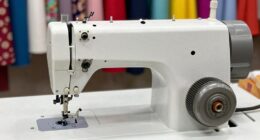
While a standard sewing machine can handle most stitching needs, it usually requires additional accessories or techniques to match the seam strength and fabric finish provided by a serger. You might need to add zigzag stitches or bind edges manually, which takes more time and effort. Additionally, a sewing machine’s stitches are more visible, so if you want a seamless look, you’ll have to spend extra time finishing raw edges. For heavy-duty projects, like upholstery or home decor, a serger can save you time and guarantee durability. However, for detailed topstitching, buttonholes, or precise sewing of complex patterns, a sewing machine remains indispensable.
Ultimately, whether you need a serger or a sewing machine depends on your project goals. If you prioritize a professional finish and strong, stretchable seams, investing in a serger is a wise choice. But if you want versatility and detailed control, a sewing machine will serve you well. Understanding these differences helps you decide when an overlocker is worth the investment and when a sewing machine alone will suffice.
serger overlocker machine
As an affiliate, we earn on qualifying purchases.
As an affiliate, we earn on qualifying purchases.
Frequently Asked Questions
Can a Serger Replace a Sewing Machine Completely?
A serger can’t fully replace a sewing machine because of its limitations in stitching options. While an overlock vs sewing machine excels at finishing edges and creating professional seams, it lacks the versatility for detailed sewing, buttonholes, and complex stitches that a regular machine provides. You need both tools depending on your project, as a serger complements but doesn’t completely replace a sewing machine in your sewing toolkit.
Is It Necessary to Own Both a Serger and a Sewing Machine?
Think of a sewing machine and a serger as the painter’s brush and palette—both essential for different strokes. You don’t need both to create, but owning both enhances your craft. A sewing machine handles fabric finishing and decorative stitching beautifully, while a serger excels in quick, clean seams. Together, they give you complete control, efficiency, and professional-looking results, making your sewing projects stand out with finesse.
How Much Does a Good Serger Typically Cost?
A good serger typically costs between $200 and $600, depending on brand options and features. You’ll find budget-friendly models from brands like Brother and Janome, while higher-end options from Bernina and Baby Lock offer advanced capabilities. When considering cost comparison, think about your sewing needs; investing in a reliable serger can enhance finish quality and efficiency, making it a worthwhile addition to your toolkit.
What Fabric Types Are Best Suited for Sergers?
Think of your serger as a skilled dancer suited for delicate fabrics and stretch materials. It’s perfect for lightweight silks, chiffon, and lace, giving them a smooth, professional finish. Stretch fabrics like jersey or spandex also glide effortlessly through its loops, ensuring neat seams without puckering. You’ll want to avoid heavy denim or thick canvas, which can overwhelm your overlocker and hinder its graceful performance.
Are Sergers Easier to Learn Than Sewing Machines?
You’ll find sergers generally easier for beginners because they have a gentler learning curve and are more beginner friendly. With fewer stitches to master, you can quickly get comfortable with basic overlocking tasks. While sewing machines might seem more versatile and complex at first, sergers focus mainly on finishing seams and edges, making them a straightforward choice if you’re just starting out.

TIGARI Magnetic Seam Guide for Sewing Machine, Magnetic Sewing Guide with Clip, Multifunctional Ruler, Hemmer Guide, Seam Guide, Hem Guide for Walking Foot Sewing Machine, Sewing Supplies Accessories
PRECISE SEAM CONTROL: The powerful magnetic seam guide is not easy to deviate from the direction, and can…
As an affiliate, we earn on qualifying purchases.
As an affiliate, we earn on qualifying purchases.
Conclusion
Choosing between a serger and a sewing machine is like picking the right brush for your masterpiece. When you need sleek, professional edges and quick finishing touches, a serger becomes your best friend, weaving your fabric dreams into reality. But for intricate stitches and versatile projects, your trusty sewing machine stands ready. Think of them as partners in your creative dance—each stepping in when the rhythm calls. Now, go craft your masterpiece with confidence!
fabric overlock trim machine
As an affiliate, we earn on qualifying purchases.
As an affiliate, we earn on qualifying purchases.

SINGER Heavy Duty 4411 High-Speed Sewing Machine with Accessory Kit | Strong Motor, Enhanced Piercing Power, 69 Stitch Applications, Full Metal Frame, 4-Step Buttonhole & LED Light, Grey
POWERFUL FOR TOUGH FABRICS: With 50% more power, the SINGER Heavy Duty 4411 is built to handle tough…
As an affiliate, we earn on qualifying purchases.
As an affiliate, we earn on qualifying purchases.