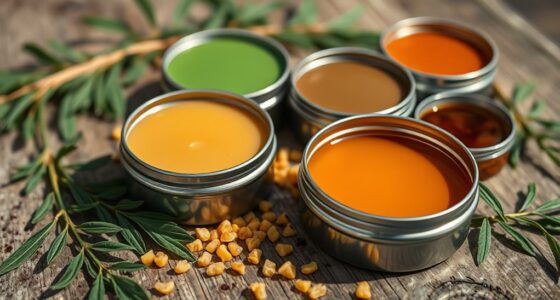
When it comes to shibori, choosing the right resist supplies is essential for creating intricate, durable patterns. The best options balance ease of use, colorfastness, and versatility, but tradeoffs often exist between price, application complexity, and permanence. For example, water-based resist inks are user-friendly and quick-drying, while wax resist offers more traditional, long-lasting results. The best overall pick, the Gutta Resist – 4 Ounce – Clear, stands out for its reliability and ease of use, but premium options like Jacquard Batiik Wax provide more control for advanced projects. Continue reading for a detailed breakdown of these top resist supplies and how to choose the right one for your shibori practice.

Get your wardrobe favorites delivered free with Prime
- Fast, free delivery on millions of items
- Prime Video, Amazon Music and more included
- Member-only deals all year
Key Takeaways
- Water-based resist options tend to be more beginner-friendly due to ease of application and quick cleanup.
- Wax resist supplies provide durable, traditional patterns but require more skill and tools to apply effectively.
- Clear or neutral resist mediums are versatile and less likely to interfere with the final dye colors.
- The choice between permanent and removable resist depends on whether you want to preserve the resist pattern or alter it later.
- Price and application complexity often correlate, with premium supplies offering more control for intricate designs.
| Pebeo Setasilk Silk Painting Water-Based Gutta, Black, 20ml |  | Best for Silk Painting and Precise Line Work | Color: Black | Volume: 20ml | Material: Water-based Gutta | VIEW ON AMAZON | See Our Full Breakdown |
| Shibori: The Inventive Art of Japanese Shaped Resist Dyeing |  | Best for Learning and Inspiration in Shibori Techniques | VIEW ON AMAZON | See Our Full Breakdown | |||
| OZXTYO Tailors Chalk 4pcs, Sewing Fabric Chalk |  | Best for Marking on Heavy or Multi-Fabric Projects | Colors: Blue, Red, White, Yellow | Number of Pieces: 4 | Size: 2.4in x 2.4in x 0.21in | VIEW ON AMAZON | See Our Full Breakdown |
| Jacquard Batiik Wax – 1 LB Block |  | Best for Wax Resist and Batik Projects | Weight: 1 lb | Type: Wax for batik dyeing | VIEW ON AMAZON | See Our Full Breakdown | |
| Gutta Resist – 4 Ounce – Clear |  | Best for Permanent, Fine-Detail Resist on Fabric | Volume: 4 ounces | Color: Clear | Material: Gutta-percha (tree sap) | VIEW ON AMAZON | See Our Full Breakdown |
| Waterbased Resist Silver |  | Best for Versatile Surface Applications | Brand Name: Jacquard | Specific Uses For Product: Interior/Exterior Surface | Item Form: Liquid | VIEW ON AMAZON | See Our Full Breakdown |
| Stitched Shibori: Technique, Innovation, Pattern, Design |  | Best for Creative Pattern Development | VIEW ON AMAZON | See Our Full Breakdown | |||
| Removable Water-Based Resist – 2 Ounce |  | Best for Precise Fabric Design with Easy Cleanup | Volume: 2 ounces | Type: Water-based resist | Features: Removable, non-toxic, environmentally friendly | VIEW ON AMAZON | See Our Full Breakdown |
| Permanent Water-Based Resist – 2.25 Ounce – Gold |  | Best for Fine Detailing and Durable Designs | Brand: Jacquard | Type: Water Based | Specific Uses: Interior/Exterior Surface | VIEW ON AMAZON | See Our Full Breakdown |
| Tulip Tie-Dye Color Resist Fabric Dye Blocker, 2 fl oz |  | Best for Small-Scale Tie-Dye Designs | Volume: 2 fl oz | Application Time: 6-8 hours | Usage: Fabric dyeing and tie-dye resist | VIEW ON AMAZON | See Our Full Breakdown |
| The Art of Japanese Shibori: A Step-by-Step Guide to Shibori & Indigo Dyeing |  | Best for Beginners Seeking Traditional Techniques | Format: Paperback | Pages: 192 | Language: English | VIEW ON AMAZON | See Our Full Breakdown |
| Tulip One-Step Tie-Dye Kit for Fabric, Shibori-Inspired Dyeing |  | Best for Easy, All-in-One Shibori-Style Projects | Color Options: Sky Blue, Turquoise, Gray, Black, Indigo | Item Form: Liquid | Unit Count: 1 | VIEW ON AMAZON | See Our Full Breakdown |
More Details on Our Top Picks
Pebeo Setasilk Silk Painting Water-Based Gutta, Black, 20ml
This water-based Gutta stands out for its quick-drying formula and ease of use, making it an excellent choice for silk painters who want to create sharp, resistant outlines without waiting long. Compared to Gutta Resist in its natural form, this product offers faster fixation with ironing, which helps streamline the process for busy artists. However, its application is limited strictly to silk painting, and it requires an iron for fixation, adding an extra step. The small 20ml tubes are convenient but may need frequent replacement for larger projects. It resists hand washing and dry cleaning once fixed, ensuring durability for finished pieces. This pick is ideal for silk artists focusing on detailed, water-based resist work who value speed and ease over larger volume or multi-fabric use.Pros:- Quick-drying and easy to fix with an iron
- Resistant to hand washing and dry cleaning after fixing
- Suitable for all silk types
Cons:- Limited to silk painting applications, not suitable for other fabrics
- Requires ironing for proper fixation, adding extra step
Best for: Silk painters and textile artists working on detailed resist designs who prioritize quick turnaround and easy fixation.
Not ideal for: Artists working on non-silk fabrics or large-scale projects, since the small tube size and silk-only compatibility limit versatility.
- Color:Black
- Volume:20ml
- Material:Water-based Gutta
- Application:Silk painting
Our verdict“This Gutta is best suited for silk artisans seeking a fast, reliable resist for detailed painting, but it’s less ideal for larger or multi-fabric projects.”
Shibori: The Inventive Art of Japanese Shaped Resist Dyeing
This book makes the list for its detailed exploration of traditional Japanese Shibori methods, offering a wealth of creative ideas that can inspire resistant dyeing projects. Unlike physical resist supplies such as Gutta or wax, this guide helps deepen understanding of the craft’s history and techniques, making it ideal for those who want to expand their knowledge before applying resist materials. However, it doesn’t provide specific product recommendations or step-by-step instructions for resist supplies, so it’s less useful as a practical guide for resist application. It’s best suited for artisans seeking context, inspiration, and a comprehensive understanding of Shibori’s artistic possibilities. For hands-on techniques, pairing this with physical resist supplies like the Jacquard Batiik Wax can be most effective.Pros:- Provides detailed techniques and creative ideas
- Suitable for both beginners and experienced artisans
- Deepens understanding of Shibori’s cultural context
Cons:- No specific product or material instructions
- Limited practical guidance for actual resist application
Best for: Textile artists and enthusiasts wanting a thorough understanding of Shibori history and creative potential who already have or plan to acquire resist supplies.
Not ideal for: Beginners looking for step-by-step instructions on resist techniques or hands-on projects, as it’s primarily a conceptual guide.
Our verdict“This book is ideal for artists seeking to deepen their knowledge and inspire innovative shibori designs, rather than for direct resist application guidance.”
OZXTYO Tailors Chalk 4pcs, Sewing Fabric Chalk
The OZXTYO Tailors Chalk set offers versatile, multi-color marking that can be easily removed, making it a practical choice for marking resist patterns on fabrics before dyeing. Compared with liquid resist like Gutta, chalk provides a quick, mess-free way to outline designs, especially on textured or heavy fabrics. Its main limitation is that it’s not suitable for very delicate or lightweight fabrics where chalk may not adhere well or may stain. The four colors give flexibility for different designs, and the packaging prevents breakage during transit. Still, chalk is less precise than liquid resist and can smudge if not handled carefully. This set is best for quilters, tailors, or craft enthusiasts working on larger or multi-layered resist projects that don’t require fine detail.Pros:- Multiple colors for versatile marking
- Easy to remove with washing or alcohol
- Shockproof packaging prevents breakage
Cons:- Limited to basic chalk marking, less precise than liquid resist
- May not last long on heavily textured or slick fabrics
Best for: Fabric crafters and quilters needing a reliable, removable marking tool for resist or pattern outlines on various textiles.
Not ideal for: Artists working on fine, lightweight fabrics or projects requiring very precise, permanent resist lines, where chalk’s smudging risk is a concern.
- Colors:Blue, Red, White, Yellow
- Number of Pieces:4
- Size:2.4in x 2.4in x 0.21in
Our verdict“This chalk set is well-suited for larger, less delicate resist outlines where ease of removal and versatility matter more than fine detail.”
Jacquard Batiik Wax – 1 LB Block
This 1-pound wax block is designed for creating intricate resist patterns through batik or wax-resist dyeing. It offers a substantial supply that supports detailed, long-term projects compared to smaller wax quantities. Compared with Gutta resist, wax is better for large, bold, and textured designs, but it requires melting and careful application, which adds complexity. The large block makes it suitable for experienced dyers or those working on multiple pieces, yet it may be unwieldy for beginners or small projects. Melting and handling wax also introduce a learning curve, and cleanup can be more involved if not done carefully. This product makes the most sense for practitioners committed to wax resist techniques, especially when working on multiple or large-scale fabrics.Pros:- Large 1-pound block supports extensive work
- Ideal for intricate wax resist designs
- Easy to apply in fabric projects once melted
Cons:- Limited to wax resist techniques, not suitable for other resist methods
- Requires melting before use, which can be time-consuming
Best for: Experienced fabric artists and batik practitioners who need a reliable, large supply of wax for detailed resist projects.
Not ideal for: Beginners or those experimenting with resist techniques on small or delicate projects, due to the complexity of melting and application.
- Weight:1 lb
- Type:Wax for batik dyeing
Our verdict“This wax block is best for experienced artisans committed to wax resist work, offering ample supply for large projects with a learning curve.”
Gutta Resist – 4 Ounce – Clear
This Gutta Resist, made from natural Gutta-percha, excels at creating permanent, detailed resist patterns on fabric, making it a preferred choice for professional-quality dyeing projects. Unlike water-based alternatives, it dries to a durable, water-resistant finish that withstands washing, similar to the Gutta in Setasilk but in a larger volume, which is better suited for bigger or multiple projects. Its non-water-based formulation requires Gutta Resist Solvent for thinning and cleanup, adding a level of complexity. For delicate silk, thinning may be necessary to achieve fine lines, which can be a drawback if not experienced. This product makes the most sense for artists who need permanent, precise resist patterns and are comfortable working with solvents.Pros:- Creates permanent, durable resist patterns
- Made from natural Gutta-percha for quality
- Suitable for detailed dyeing projects
Cons:- Not water-based, requiring Gutta Resist Solvent for cleanup
- May need thinning for fine detail on certain fabrics
Best for: Professional dyers and artists aiming for detailed, permanent resist patterns on fabric, especially on silk or fine textiles.
Not ideal for: Beginners or casual crafters who prefer water-based, easy-to-clean resist options, or those working on lighter, delicate fabrics that require thinning.
- Volume:4 ounces
- Color:Clear
- Material:Gutta-percha (tree sap)
Our verdict“This Gutta Resist is ideal for experienced artists seeking a durable, permanent resist solution for detailed textile dyeing, with the tradeoff of handling solvents.”
Waterbased Resist Silver
This liquid resist from Jacquard stands out for its flexibility, functioning well on both interior and exterior surfaces—an advantage over specialized resist products like the Removable Water-Based Resist, which is primarily designed for fabric. Its easy-to-use liquid form simplifies application, but limited information on drying time may leave users uncertain about timing and durability. Made in the USA, it upholds quality standards, making it a reliable choice for mixed-media projects requiring resist effects on various surfaces. Compared to fabric-specific resist options, this product offers broader use but may lack the fine control needed for delicate textile work. Its main tradeoff is the lack of detailed instructions, which could impact results for beginners. Best for artists working on multi-surface projects who need a straightforward, dependable resist that can handle outdoor conditions, but those seeking precise, fabric-only resist might prefer specialized products.
Pros:- Suitable for both interior and exterior surfaces, increasing versatility.
- Easy to use liquid format simplifies application.
- Made in the USA ensures quality standards.
- Highly rated with positive reviews for ease of use.
Cons:- Limited details on drying time and long-term performance.
- Only one customer review available, so durability data is scarce.
Best for: Mixed-media artists needing a versatile resist suitable for both indoor and outdoor surfaces.
Not ideal for: Pure fabric artists or crafters seeking detailed application instructions and long-term fabric resistance.
- Brand Name:Jacquard
- Specific Uses For Product:Interior/Exterior Surface
- Item Form:Liquid
- Container Type:Can
- UPC:743772188308
- Item Weight:3.2 ounces
- Model Number:JAC1883
- Part Number:JAC1883
Our verdict“This product makes the most sense for artists who need a flexible, surface-agnostic resist for various projects without requiring fine textile control.”
Stitched Shibori: Technique, Innovation, Pattern, Design
This book offers a deep dive into stitched shibori, providing innovative techniques and pattern ideas that appeal to textile artists looking to expand their repertoire beyond basic resist methods. Unlike the Removable Water-Based Resist, which focuses on applying resist products, this resource emphasizes manual stitching techniques that create intricate textures and patterns. While it excels at inspiring creativity, it lacks detailed instructions for actual resist application or integration with dyeing processes. Its value lies in pattern innovation rather than technical how-to on resist mediums. For those seeking practical resist supplies, this book is less direct, but for artists wanting to combine stitching with resist dyeing, it opens new avenues. The main tradeoff is that it does not include actual resist products or step-by-step tutorials for applying resist, making it best suited as a conceptual guide.
Pros:- Provides innovative stitched shibori techniques.
- Includes detailed pattern ideas for textile design.
- Stimulates creativity beyond basic resist methods.
Cons:- Lacks detailed content about resist application processes.
- No customer reviews available to gauge practical effectiveness.
Best for: Textile artists interested in combining stitching with resist dyeing to create complex, textured fabrics.
Not ideal for: Beginners or those needing step-by-step instructions for applying resist on fabric or other surfaces.
Our verdict“This book is perfect for experienced textile artists seeking inspiration for pattern development, rather than detailed resist application instructions.”
Removable Water-Based Resist – 2 Ounce
This water-based resist excels at creating sharp, precise designs on fabric, making it ideal for techniques like tie-dye, batik, or screen printing. Its non-toxic, water-soluble nature makes cleanup straightforward, a definite advantage over solvent-based resist products. Compared with the Permanent Water-Based Resist, it offers the benefit of removability, which allows for layered or reversible designs. However, its 2-ounce size limits use to small projects or testing, requiring multiple purchases for larger work. While it’s easy to apply with brushes or stamps, the small volume could be a drawback for extensive projects. Nonetheless, its non-toxicity and ease of removal make it highly suitable for hobbyists and educators working on detailed fabric designs.
Pros:- Easy to clean with water, no harsh chemicals needed.
- Creates sharp, well-defined resist lines.
- Non-toxic and environmentally friendly.
Cons:- Limited to 2-ounce size, less suitable for large projects.
- Requires multiple applications for extensive work.
Best for: Beginners and educators seeking a simple, non-permanent resist for small-scale fabric design projects.
Not ideal for: Artists needing a durable, long-lasting resist for outdoor or professional textile production.
- Volume:2 ounces
- Type:Water-based resist
- Features:Removable, non-toxic, environmentally friendly
Our verdict“This pick makes the most sense for small projects or practice runs where easy removal and safety are priorities.”
Permanent Water-Based Resist – 2.25 Ounce – Gold
This metallic resist from Jacquard is tailored for artists wanting crisp, detailed lines in their resist work, especially in screen printing or brush applications. Its non-toxic, odorless formula makes it safer than solvent-based alternatives, and its heat-set washfast quality ensures durability, surpassing the removable resist for permanent design applications. Compared to the Waterbased Resist Silver, which is more versatile but less detailed, this product is specialized for fine, controlled lines. The main limitation is its application scope—best suited for fabric or surface projects that can withstand heat setting—limiting its use on delicate or heat-sensitive materials. Its vibrant gold color adds a decorative element, but color options are fewer.
Pros:- Produces fine, crisp lines for detailed resist work.
- Washfast after heat setting, ensuring durability.
- Odorless and non-toxic for safer application.
Cons:- Limited to specific surface applications that can withstand heat.
- Only available in certain colors and sizes, reducing versatility.
Best for: Professional textile artists or crafters focused on detailed, long-lasting resist patterns, especially in screen printing or fine line work.
Not ideal for: Beginners or those working on large, outdoor fabric projects that require flexible or removable resist options.
- Brand:Jacquard
- Type:Water Based
- Specific Uses:Interior/Exterior Surface
- Item Form:Liquid
- Model Name:Jacquard Permanent Water-Based Resist 2.25oz-Gold
- Coverage:High
- Dry Time:24 hours
- Item Weight:2.4 ounces
Our verdict“This product is ideal for artists needing precise, durable resist effects that withstand washing and handling after heat setting.”
Tulip Tie-Dye Color Resist Fabric Dye Blocker, 2 fl oz
This fabric dye blocker from Tulip offers a straightforward way to create resist patterns in tie-dye projects. Its needle-nose tip allows precise application, making it ideal for detailed designs, but the 2-ounce size limits its use to small or experimental projects. Unlike the Waterbased Resist Silver, which can be used on various surfaces, this product is specifically for fabric, focusing on tie-dye techniques. Its 6-8 hour setting time requires patience, and larger projects may need multiple bottles. Still, its ease of application and ability to produce clear, defined patterns make it a favorite among hobbyists and DIYers looking for quick, controlled resist results on fabric only.
Pros:- Precise application with needle-nose tip.
- Creates clear, defined resist patterns.
- Easy to apply and suitable for various fabric dyeing projects.
Cons:- Requires 6-8 hours to set, lengthening project time.
- Limited volume restricts large or multiple projects.
Best for: DIY fabric crafters and hobbyists creating small, detailed tie-dye or resist designs.
Not ideal for: Large-scale or professional textile production where larger quantities and faster processing are needed.
- Volume:2 fl oz
- Application Time:6-8 hours
- Usage:Fabric dyeing and tie-dye resist
Our verdict“This resist is best for small, detailed fabric dye projects where precision and ease of use are priorities, rather than large-scale production.”
The Art of Japanese Shibori: A Step-by-Step Guide to Shibori & Indigo Dyeing
This book stands out as an ideal resource for those new to shibori, offering detailed, step-by-step instructions that demystify complex folding and binding patterns. Unlike standalone resist supplies, it provides comprehensive guidance on techniques and creative projects, making it perfect for learners. However, it doesn’t include actual tools or materials, so users will need to source their own supplies. Its focus on beginner-friendly methods means advanced practitioners may find it limiting for more complex or experimental resist techniques. This guide is best for hobbyists or newcomers eager to understand the roots of Japanese shibori and indigo dyeing.
Pros:- Clear, comprehensive step-by-step instructions tailored for beginners
- Includes a variety of folding patterns and creative projects
- Focuses on traditional Japanese shibori techniques
Cons:- Does not specify tools or materials included, so additional sourcing is necessary
- Limited to beginner-level techniques, not suitable for advanced users
Best for: Beginners interested in mastering traditional shibori techniques and indigo dyeing.
Not ideal for: Experienced dyers seeking advanced resist methods or specific tools, since it lacks detailed supply info and technical depth.
- Format:Paperback
- Pages:192
- Language:English
- Publication Year:2023
- Author:Yuki Saito
- Topic:Japanese shibori techniques and indigo dyeing
Our verdict“This book is perfect for beginners who want a thorough introduction to traditional shibori and indigo dyeing, but it doesn’t replace specialized resist supplies.”
Tulip One-Step Tie-Dye Kit for Fabric, Shibori-Inspired Dyeing
The Tulip One-Step Tie-Dye Kit makes shibori-inspired dyeing accessible through its user-friendly design and vibrant color options. Compared with the more technique-focused approach of The Art of Japanese Shibori, this kit emphasizes quick results and ease of use, making it ideal for beginners or casual crafters. Its water-activatable dyes eliminate the need for pre-soaking and complex preparation, though this convenience comes with some limitations on fabric types; it works best on natural fibers like cotton. While the kit includes supplies for multiple projects, users wanting to experiment with more intricate or traditional shibori patterns might find it somewhat limited in scope. Overall, it offers a straightforward way to explore resist dyeing without a steep learning curve.
Pros:- Includes a variety of vibrant, water-activatable dyes suitable for multiple projects
- No pre-soaking or complex preparation needed, ideal for quick results
- Complete kit with instructions, making it accessible for beginners
Cons:- Limited to natural fiber fabrics like cotton for best results
- Colors may appear less vibrant on synthetic fabrics or darker materials
- Requires additional fabric and supplies for larger or more complex projects
Best for: Beginners and families seeking a fun, quick-start introduction to shibori-inspired dyeing projects on natural fabrics.
Not ideal for: Advanced crafters or those interested in traditional Japanese techniques, as the kit prioritizes simplicity over complex resist methods.
- Color Options:Sky Blue, Turquoise, Gray, Black, Indigo
- Item Form:Liquid
- Unit Count:1
- Number of Items:1
- Suitable for:Natural fiber fabrics like cotton
- Brand:TULIP
- Manufacturer:iLoveToCreate
Our verdict“This kit provides an easy, all-in-one introduction to shibori-inspired dyeing perfect for novices and casual crafters, but it lacks the depth for traditional or advanced techniques.”

How We Picked
This selection was based on a combination of performance, ease of use, build quality, versatility, and value. I prioritized products that are accessible to both beginners and experienced dyers, ensuring they deliver consistent results. Durability of the resist, compatibility with various dye types, and ease of application were critical factors. We also considered the variety of resist types—water-based, wax, and other mediums—to cover different shibori techniques. Products were ranked by how well they balance quality and usability for a range of skill levels and project styles.Factors to Consider When Choosing Resist Supplies For Shibori
Choosing the right resist supplies for shibori involves understanding several key factors that influence your final results. The type of resist—water-based, wax, or other—affects application, durability, and ease of removal. Consider your experience level; beginners benefit from simpler, water-based options, while more advanced dyers might prefer wax or specialty resist mediums. Compatibility with your dyeing process and the desired permanence of the pattern are also vital. By understanding these factors, you can select supplies that enhance your creative freedom and achieve consistent, beautiful results.Resist Type and Application Method
Resist supplies come in various forms, each suited to different shibori techniques. Water-based resist inks are easy to apply with brushes or squeeze bottles and are ideal for detailed, precise patterns. Wax resist, such as hot wax or solid blocks, offers a traditional approach, creating durable patterns that withstand multiple dyeing sessions. Consider your comfort with applying these mediums; beginners often find water-based options more forgiving, while experienced dyers may prefer wax for its permanence and texture. Matching the resist type to your technique is key to achieving the desired effect.
Permanence and Removal
Some resist supplies are designed to be removable, while others are permanent. Water-based resist can often be washed out after dyeing, allowing for multiple layers or corrections. Wax resist, however, is more permanent and provides long-lasting patterns that won’t wash away. Decide whether you want to preserve the resist pattern or use it as a temporary barrier. If you plan to experiment with layering or multiple dyeing steps, opting for removable resist options will offer greater flexibility and reduce the risk of unintended pattern transfer.
Color Compatibility and Transparency
Resist mediums vary in transparency and color interference. Clear or neutral resist products tend to be more versatile, as they won’t alter the final appearance of your dye colors. Opaque or pigmented resist, like gold or silver, can add decorative accents but may limit your color choices or affect dye absorption. Consider the overall look you aim to create; if you want your dye colors to pop without interference, choose transparent or light-colored resist options. This consideration is especially important for complex or layered shibori designs.
Application Tools and Ease of Use
The tools needed to apply resist vary from brushes and squeeze bottles to hot wax applicators. Water-based resist inks are generally user-friendly, often requiring just a brush or squeeze bottle, making them suitable for beginners. Wax resist application requires more specialized tools, such as a wax heater and applicator, and a steady hand for detailed work. Evaluate your comfort with these tools and your willingness to learn new techniques. Investing in quality applicators can improve results but may increase initial costs.
Value and Cost Considerations
While premium resist supplies often deliver better control and durability, budget options can be effective for practice and less intricate projects. Consider how often you plan to dye and whether the expense aligns with your overall studio budget. For occasional use, smaller quantities of water-based resist may suffice, whereas serious practitioners might opt for larger blocks of wax or higher-quality inks. Remember, investing in reliable resist supplies can save time and frustration in achieving consistent, high-quality results.
Frequently Asked Questions
Can I use water-based resist with different dye types?
Yes, water-based resist mediums are generally compatible with a variety of dye types, including fiber reactive dyes, acid dyes, and natural dyes. However, it’s important to check the specific product instructions to ensure compatibility, as some resist mediums may react differently depending on the dye chemistry. Testing a small sample before committing to a full project can help prevent unexpected results. Properly sealed and dried resist will also help prevent bleeding or color interference during dyeing.
How do I remove wax resist after dyeing?
Removing wax resist typically involves applying heat to melt the wax, which can be done with an iron or a dedicated wax-removal tool. Once melted, the wax can be blotted away with absorbent cloths or paper towels. It’s important to work in a well-ventilated area and protect your workspace from wax drips. After removing the wax, rinsing the fabric with warm water and soap helps clear any residual wax and reveals the pattern clearly. This process requires patience but results in crisp, traditional designs.
Is it possible to combine different resist techniques in one project?
Absolutely, combining resist techniques like water-based resist and wax can create complex, layered patterns. For example, applying wax to certain areas and using water-based resist in others allows for intricate designs with multiple textures and effects. However, compatibility and timing are critical—ensure that the mediums don’t interfere with each other and that each layer is fully dry before applying the next. Experimenting with combinations can expand your creative possibilities, but it’s wise to start with small samples to understand how the mediums interact.
What should I consider when choosing resist supplies for natural dyes?
Natural dyes often require resist supplies that can withstand prolonged soaking and repeated dyeing sessions. Water-based resist options tend to work well because they are easy to remove and don’t introduce chemical interactions that could interfere with natural dyes. Wax resist can be used, but it might require more careful application to avoid uneven patterns. Additionally, consider the environmental impact of your resist choices—eco-friendly options and biodegradable mediums can help reduce your ecological footprint while achieving beautiful results.
How long do resist supplies typically last?
The longevity of resist supplies depends on the type and storage conditions. Water-based resist inks generally have a shelf life of several months to a year if kept sealed and stored in a cool, dry place. Wax blocks or pellets can last for years when stored properly in a cool environment, but their effectiveness may diminish if exposed to extreme temperatures. Always check the manufacturer’s recommendations for storage and expiration dates to ensure your supplies remain effective for future projects.
Conclusion
For beginners starting out in shibori, a water-based resist like the Removable Water-Based Resist offers ease of application and versatility. More experienced dyers seeking durability may prefer the Gutta Resist for detailed, long-lasting patterns. Those interested in traditional techniques might opt for wax resist supplies such as Jacquard Batiik Wax, despite the learning curve. For large-scale projects or premium results, investing in higher-quality, durable resist mediums pays off. Your choice should align with your skill level, project goals, and whether you prioritize ease, permanence, or traditional methods.