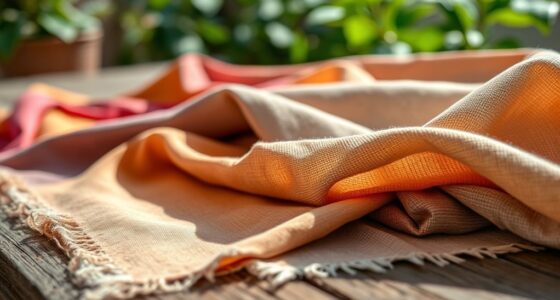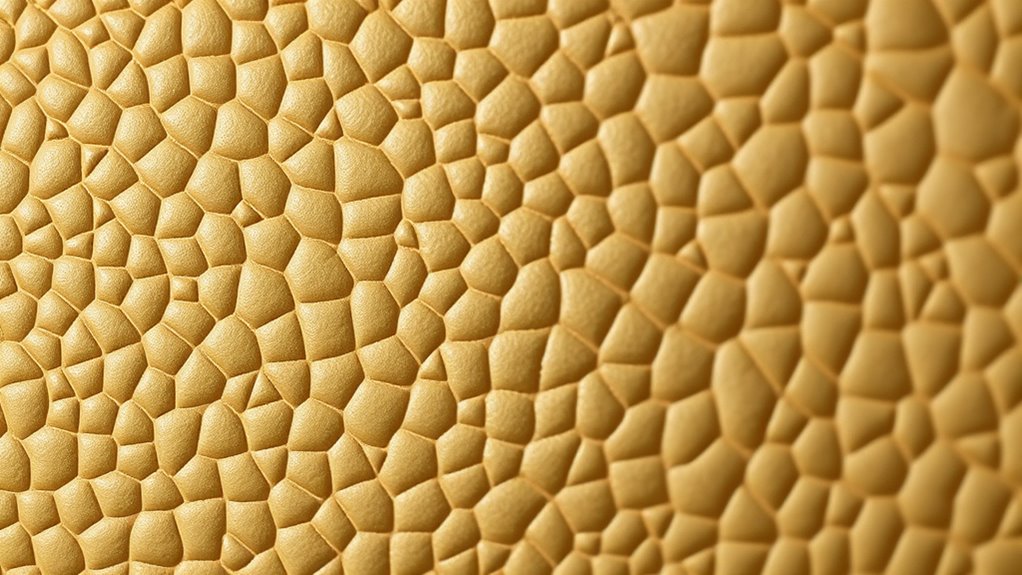

Cactus leather is a sustainable, cruelty-free alternative to traditional leather that you can feel good about. It’s made from the pulp of mature cacti, which require minimal water and promote eco-friendly farming practices. This innovative material is durable, breathable, and reduces environmental impact by avoiding harmful chemicals and animal products. By choosing cactus leather, you’re supporting environmentally conscious manufacturing and sustainable agriculture. Keep exploring to discover how this eco-friendly option can transform your style and impact.
Key Takeaways
- Cactus leather is a sustainable, cruelty-free alternative to traditional animal leather, reducing environmental impact.
- It is produced from the pulp of mature cacti, requiring minimal water and resources.
- The manufacturing process eliminates harmful chemicals and promotes eco-conscious practices.
- Cactus leather is durable, flexible, breathable, and suitable for various fashion and accessory products.
- Its eco-friendly qualities support responsible consumer choices and innovative sustainable fashion trends.
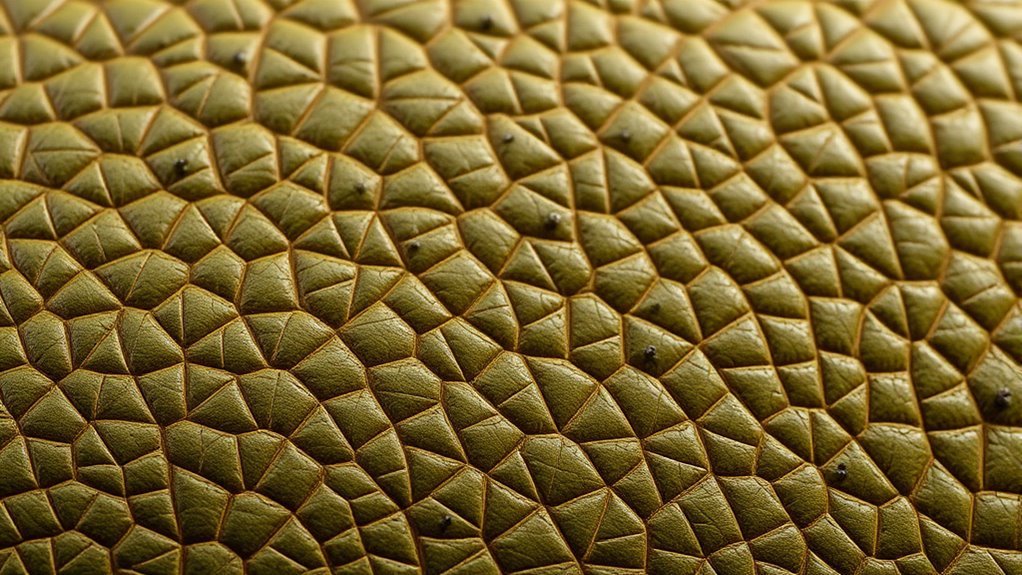
Have you ever considered an eco-friendly alternative to traditional leather? If you’re looking to make more sustainable choices, cactus leather offers an exciting option. Unlike conventional leather, which relies heavily on animal farming, cactus leather is produced from a plant-based material that’s both environmentally friendly and innovative. This material is gaining popularity because it aligns with sustainable farming practices and makes use of innovative materials that reduce environmental impact. When you choose cactus leather, you’re supporting a process that minimizes water use and avoids the harmful chemicals often associated with tanning animal hides.
Cactus leather offers a sustainable, cruelty-free alternative that minimizes water use and reduces environmental impact.
Sustainable farming plays an important role in producing cactus leather. Cacti require remarkably less water than traditional livestock or even many crops, making them an ideal resource for regions with limited water supplies. Farmers cultivate these hardy plants with minimal inputs, which reduces land degradation and preserves ecosystems. Instead of relying on intensive farming practices that exhaust soil and consume excessive resources, cactus cultivation promotes regenerative agriculture techniques. This approach not only ensures the health of the soil but also provides a steady, renewable source of raw material for making leather alternatives. When you opt for cactus leather, you’re supporting farming methods that prioritize environmental conservation and resource efficiency.
The true innovation in cactus leather lies in the materials used and the manufacturing process itself. The pulp from mature cacti is harvested and processed into a durable, leather-like material without the need for animal products. This process involves turning the cactus fibers into sheets that resemble traditional leather, but without the cruelty or environmental costs. The resulting material is flexible, breathable, and resistant to wear, making it suitable for a wide range of products like bags, shoes, and accessories. Since it’s made from a renewable plant, cactus leather also reduces waste—any excess pulp or plant material can often be repurposed or composted, making the entire process more sustainable. Additionally, innovations in regenerative agriculture are helping growers improve soil health and increase biodiversity, further supporting sustainable practices.
Choosing cactus leather means supporting innovation in sustainable materials that challenge the traditional leather industry. It demonstrates that you can enjoy stylish, high-quality products while minimizing your ecological footprint. As awareness around the environmental costs of animal farming grows, more brands are turning to cactus leather as a responsible alternative. By making this choice, you’re not only embracing a cruelty-free product but also encouraging the development of eco-conscious manufacturing practices that prioritize conservation and resource efficiency. In essence, cactus leather stands as a testament to how sustainable farming and innovative materials can come together to create a more ethical and environmentally friendly future.
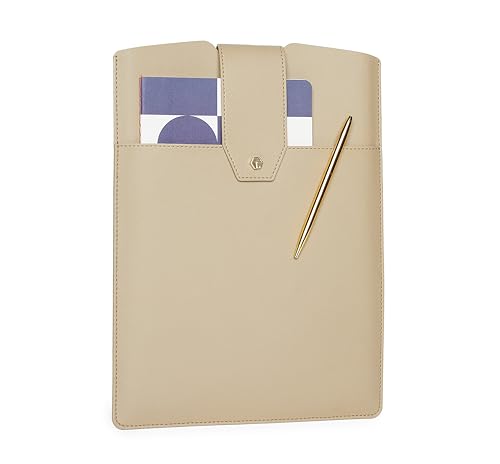
lindsay albanese The Daily Cactus 'Leather' Laptop Clutch (Taupe, 14 Inches)
- Stylish Laptop Clutch: Alternative to traditional sleeves
- Durable Faux Leather: Made from cactus-based material
- Slim Fit Design: Protects laptop and holds essentials
As an affiliate, we earn on qualifying purchases.
As an affiliate, we earn on qualifying purchases.
Frequently Asked Questions
How Does Cactus Leather Compare in Durability to Traditional Leather?
You’ll find that cactus leather offers decent leather longevity, but it generally isn’t as durable as traditional leather. Cactus resilience is improving with advancements, yet it tends to be more susceptible to wear and tear over time. If you’re looking for a material that withstands heavy use and ages well, traditional leather still outperforms cactus leather in durability, though the vegan alternative is a promising eco-friendly choice.
Is Cactus Leather Environmentally Sustainable Throughout Its Lifecycle?
You’ll be amazed at how eco-friendly cactus leather is throughout its lifecycle. It uses substantially less water and land compared to traditional leather, making it a superhero for sustainability. Cactus plants thrive on minimal resources, reducing environmental strain. Plus, harvesting doesn’t harm the plant, ensuring ongoing growth. Overall, cactus leather offers an environmentally sustainable option by conserving water, land, and reducing ecological impact from start to finish.
What Is the Cost Difference Between Cactus Leather and Genuine Leather?
You’ll find that cactus leather generally costs less than genuine leather, thanks to its lower production costs and sustainable sourcing. In a price comparison, cactus leather is often more affordable, especially as market availability increases, making it an attractive alternative. While genuine leather can be pricier due to its traditional manufacturing process and material quality, cactus leather offers a budget-friendly option without sacrificing style or durability.
Can Cactus Leather Be Recycled or Composted After Use?
You can’t put all your eggs in one basket, and with cactus leather, that’s true for recycling and composting. While its recycling potential is still being explored, it isn’t fully compostable yet. You might be able to recycle some parts, but don’t expect it to break down naturally like organic waste. Keep an eye on developments—research is ongoing, and future compostability prospects could improve, making it more eco-friendly.
Are There Any Ethical Concerns Associated With Cactus Leather Production?
You should consider that cactus leather production raises ethical concerns related to labor practices and water usage. Some producers may not guarantee fair wages or safe working conditions, so it is crucial to research brands committed to ethical labor standards. Additionally, while cactus plants require less water than traditional leather sources, large-scale cultivation can still impact local water resources. Choosing responsibly produced cactus leather helps support ethical and sustainable practices.
Conclusion
So, sip, select, and support sustainable solutions like cactus leather. By choosing this charming, cruelty-free alternative, you contribute to conserving countless creatures and cultivating a cleaner climate. Cactus leather’s clever, carbon-conscious creation proves you can make mindful moves without sacrificing style. Stay smart, sustainable, and super chic—because your choices can create a kinder, cleaner world. Embrace the eco-friendly evolution and let your fashion footfall favor the future!