Carbon fiber fabrics are lightweight, durable materials made from carefully aligned fibers woven into fabrics through advanced techniques like automated weaving. These fabrics offer high tensile strength, flexibility, and resistance to heat, making them ideal for aerospace, automotive, sports gear, and construction. Environmental concerns are addressed by innovations in sustainable precursors and energy-efficient production. To learn more about how manufacturing influences these properties and their specific applications, keep exploring further.
Key Takeaways
- Carbon fiber fabrics are lightweight, high-strength materials used in aerospace, automotive, sports equipment, and construction.
- Their properties include excellent tensile strength, stiffness, chemical resistance, and thermal stability.
- Manufacturing techniques like weaving and knitting influence fabric flexibility, durability, and directional strength.
- Advanced manufacturing methods, including automation and AI, improve fabric quality and enable complex designs.
- Environmental impacts stem from energy-intensive production, prompting ongoing efforts for sustainable and eco-friendly manufacturing.

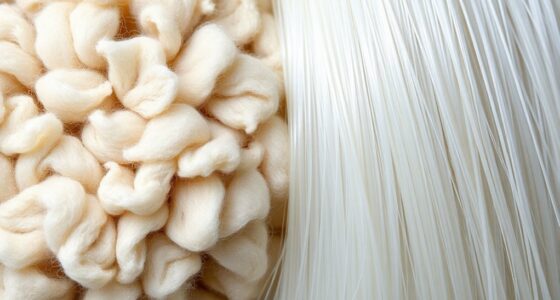
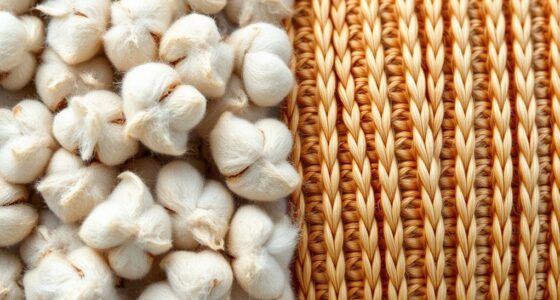
Have you ever wondered what makes carbon fiber fabrics so strong and lightweight? It all comes down to the manufacturing techniques used during production. These methods involve carefully aligning thin carbon fibers, which are derived from precursor materials like polyacrylonitrile (PAN), pitch, or rayon. The fibers undergo a series of processes—oxidation, carbonization, and surface treatment—that enhance their strength and stiffness. During manufacturing, these fibers are woven into fabrics with high precision, often using techniques like weaving or knitting to create durable, flexible textiles. Advanced manufacturing methods, such as automated weaving machines, allow for consistent quality and intricate patterns, making the fabrics suitable for a range of applications.
However, while the performance benefits are clear, it’s essential to contemplate the environmental impact of producing carbon fiber fabrics. The manufacturing process is energy-intensive, primarily because of the high temperatures required to carbonize the fibers—often exceeding 2,000 degrees Celsius. This energy demand leads to a significant carbon footprint, contributing to greenhouse gas emissions. Additionally, the production involves chemicals and solvents that must be carefully managed to prevent environmental contamination. Despite these concerns, ongoing innovations aim to reduce the environmental impact by developing more sustainable precursors and improving energy efficiency during manufacturing. Some manufacturers are exploring bio-based precursors or recycling methods to lessen waste and lower the overall ecological footprint.
The manufacturing techniques also influence the properties of the final fabric. For example, the orientation of the fibers during weaving determines the tensile strength and flexibility of the fabric, which can be tailored to specific needs. Techniques like unidirectional weaving result in fabrics with exceptional strength along one axis, ideal for aerospace or sporting goods. Conversely, multi-directional fabrics offer more balanced strength, suitable for structural reinforcement in automotive or construction industries. The choice of weaving pattern and fiber density directly impacts the fabric’s weight, stiffness, and durability, allowing manufacturers to customize materials for different applications. Additionally, AI-driven manufacturing is increasingly being integrated to optimize production processes and enhance fabric quality.
Frequently Asked Questions
How Do Carbon Fiber Fabrics Compare to Traditional Textiles?
You’ll find carbon fiber fabrics are much stronger and lighter than traditional textiles, offering superior durability and lightweight benefits. They’re ideal for high-performance applications like aerospace and sports equipment. However, they’re more expensive than regular fabrics, so consider the cost comparison carefully. While traditional textiles are more affordable and versatile, carbon fiber fabrics provide unmatched strength and durability, making them worth the investment if performance is your priority.
Can Carbon Fiber Fabrics Be Recycled or Reused?
Yes, you can recycle and reuse carbon fiber fabrics, but it’s not as straightforward as with traditional textiles. Recycling processes like thermal and chemical methods help break down the material, enabling reuse potential. While recycling is possible, it often reduces the fabric’s strength and quality. Still, ongoing advancements aim to improve these processes, making it easier for you to reuse carbon fiber fabrics sustainably and responsibly.
Are Carbon Fiber Fabrics Suitable for Everyday Clothing?
Like trying to wear steel as a shirt, carbon fiber fabrics aren’t suited for everyday clothing. You’ll find issues with fashion durability, as they’re designed for strength, not flexibility or comfort. Breathability concerns also make them uncomfortable for daily wear. While they’re excellent for specialized uses, for everyday clothing, fabrics that prioritize comfort and breathability are a better choice. Carbon fiber fabrics just aren’t made for casual, everyday fashion.
What Are the Environmental Impacts of Manufacturing Carbon Fiber Fabrics?
You should know that manufacturing carbon fiber fabrics has notable environmental impacts due to high manufacturing emissions and energy consumption. While these fabrics offer durability, they often rely on non-sustainable processes. To reduce your footprint, consider exploring sustainable alternatives, like bio-based or recycled fibers, which can lower environmental harm. Being aware of these impacts helps you make more eco-conscious choices and supports efforts to develop greener manufacturing methods.
How Do Different Weave Patterns Affect the Fabric’s Properties?
Different weave patterns markedly impact your fabric’s properties. For example, a plain weave offers balanced strength and flexibility, making it suitable for general use. Twill weaves provide enhanced drape and toughness, ideal for high-stress applications. Satin weaves result in a smoother surface with increased fabric strength in specific directions. By choosing the right pattern, you can optimize your fabric’s strength, flexibility, and overall performance for your particular needs.
Conclusion
You now see how carbon fiber fabrics combine incredible strength with lightweight flexibility, making them essential in various industries. Did you know that carbon fiber composites can be up to five times stronger than steel yet weigh 60% less? This remarkable property transforms aerospace, automotive, and sporting goods. With ongoing innovations, you’re likely to see even more applications emerge, proving that carbon fiber fabrics are truly a game-changer in modern materials science.