
Lab-grown spider silk involves bio-engineering fibers using genetic modification techniques, allowing you to contemplate producing strong, flexible, and eco-friendly materials without harming spiders. By inserting silk-producing genes into hosts like bacteria, yeast, or plants, manufacturers can create scalable fibers suitable for textiles and medical uses. However, this process raises ethical questions and ecological risks, making it essential to consider safety and regulation. If you’re curious, exploring further reveals how these innovations shape our sustainable future.

Get your wardrobe favorites delivered free with Prime
- Fast, free delivery on millions of items
- Prime Video, Amazon Music and more included
- Member-only deals all year
Key Takeaways
- Bio-engineered spider silk is produced by genetically modifying organisms like bacteria, yeast, or plants to create strong, flexible fibers.
- This scalable method avoids harvesting spiders, enabling large-scale, eco-friendly manufacturing for industrial uses.
- Genetic modification raises ethical concerns and potential ecological risks if engineered organisms escape containment.
- Patent and regulatory issues influence accessibility, raising questions about fairness and responsible development.
- Such bio-engineered fibers have applications in textiles, medicine, and engineering, but require careful evaluation of safety and environmental impact.
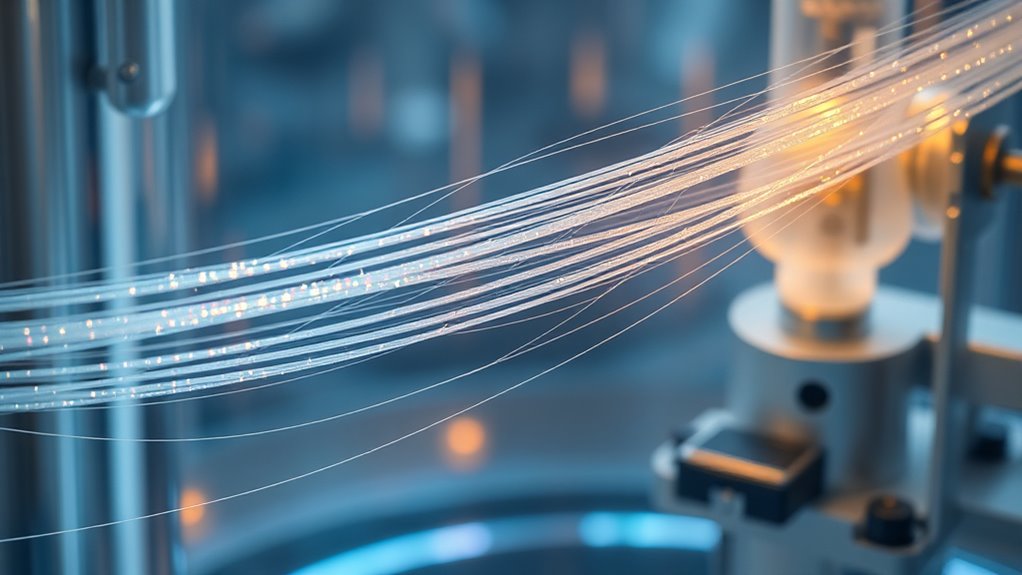
Bio-engineered spider silk offers a breakthrough in sustainable materials, combining strength, flexibility, and biodegradability. This innovation comes from harnessing genetic modification techniques to produce spider silk proteins in laboratory settings or within genetically engineered organisms like bacteria, yeast, or plants. By inserting the genes responsible for silk production into these hosts, scientists can generate fibers that mimic natural spider silk without needing live spiders. This approach not only addresses the challenges of harvesting silk from spiders—who are territorial and difficult to farm—but also opens the door for scalable, eco-friendly manufacturing. As you explore this technology, you’ll see how genetic modification serves as the backbone for creating sustainable fibers that could revolutionize industries such as textiles, medicine, and engineering.
However, as promising as this technology is, it raises significant ethical considerations. One concern revolves around the genetic modification itself—the potential unintended consequences of altering organisms to produce high-performance materials. Critics worry that manipulating genetic material might lead to unforeseen ecological impacts if modified organisms escape containment. Furthermore, there’s a debate about the moral implications of using genetic engineering for commercial gain, particularly when it involves manipulating life forms or biological processes. You might find yourself questioning whether it’s right to alter organisms for human benefit or if it risks crossing ethical boundaries that could harm ecosystems or biodiversity. These concerns push scientists, regulators, and ethicists to carefully evaluate the safety protocols, containment strategies, and long-term effects associated with bio-engineering spider silk. Additionally, the development of this technology highlights the importance of biosafety protocols to prevent potential ecological risks from genetically modified organisms.
Another ethical issue stems from the potential monopolization and patenting of genetically modified organisms that produce spider silk. When companies patent these bio-engineered fibers, it could lead to monopolies, limiting access and driving up costs, which raises questions about fairness and equitable distribution of this technology. Additionally, there’s the broader debate about the moral status of genetically modified organisms—whether they should be considered mere tools or if they warrant moral consideration themselves. As you consider these points, you’ll recognize the importance of establishing responsible research practices and transparent regulations to ensure that the development of bio-engineered spider silk aligns with societal values and environmental sustainability.
As an affiliate, we earn on qualifying purchases.
Frequently Asked Questions
How Does Lab-Grown Spider Silk Compare in Strength to Natural Silk?
Lab-grown spider silk generally matches or exceeds the strength of natural silk, offering impressive synthetic strength and fiber durability. You’ll find that bio-engineered fibers are often more consistent in quality, providing reliable performance. This synthetic strength makes lab-grown silk ideal for applications needing high durability, such as medical sutures or lightweight fabrics. Overall, it’s a promising alternative that combines natural resilience with the advantages of bio-engineering.
What Are the Environmental Benefits of Bio-Engineered Spider Silk?
You benefit from bio-engineered spider silk’s environmental advantages by supporting sustainable farming practices that reduce land and water use. This innovation also helps cut pollution since it minimizes waste and chemical runoff associated with traditional silk production. By choosing lab-grown silk, you contribute to lowering greenhouse gas emissions, conserving resources, and promoting eco-friendly manufacturing processes, making it a greener alternative for textiles and other applications.
Can Lab-Grown Spider Silk Be Produced at Scale Economically?
Can lab-grown spider silk be produced at scale economically? It’s possible, but you’ll need a thorough cost analysis to determine viability. While advancements reduce production challenges, scaling up remains complex and costly. Innovations in bioreactor technology and fermentation processes can help lower expenses. Ultimately, with continued research and investment, mass production could become feasible, making this bio-engineered fiber a sustainable alternative in various industries.
Are There Any Health Risks Associated With Bio-Engineered Spider Fibers?
You might wonder if bio-engineered spider fibers pose health risks. Currently, allergenic concerns are minimal, but toxicity assessments are ongoing to guarantee safety. Researchers carefully analyze these fibers for potential allergic reactions or toxic effects before widespread use. While no significant health risks have been identified yet, it’s crucial to stay informed as further studies continue, ensuring these innovative materials remain safe for consumers and workers alike.
What Potential Applications Are Being Explored Beyond Textiles?
Think of bio-engineered spider silk as a versatile toolkit ready for new adventures. Beyond textiles, you could see it weaving into medical innovations like biodegradable sutures or tissue scaffolds, offering strength and flexibility. Industrial engineering might harness it for lightweight, durable materials in aerospace or automotive parts. Its potential transforms industries, making structures more sustainable, resilient, and innovative—turning a natural marvel into a cornerstone of future technology.
Conclusion
Imagine holding a marvel spun from science and nature, where bio-engineered spider silk transforms dreams into reality. This innovation isn’t just a thread; it’s a symbol of endless possibilities, weaving together strength, sustainability, and ingenuity. As you embrace this future, remember—what once seemed like magic is now within your grasp. The tapestry of tomorrow is being woven today, and with bio-engineered silk, you’re part of a story that’s only just beginning.
Halloween Picks
halloween
As an affiliate, we earn on qualifying purchases.