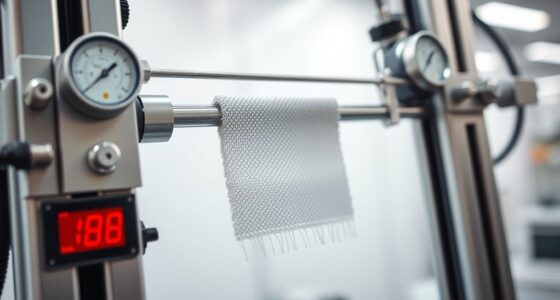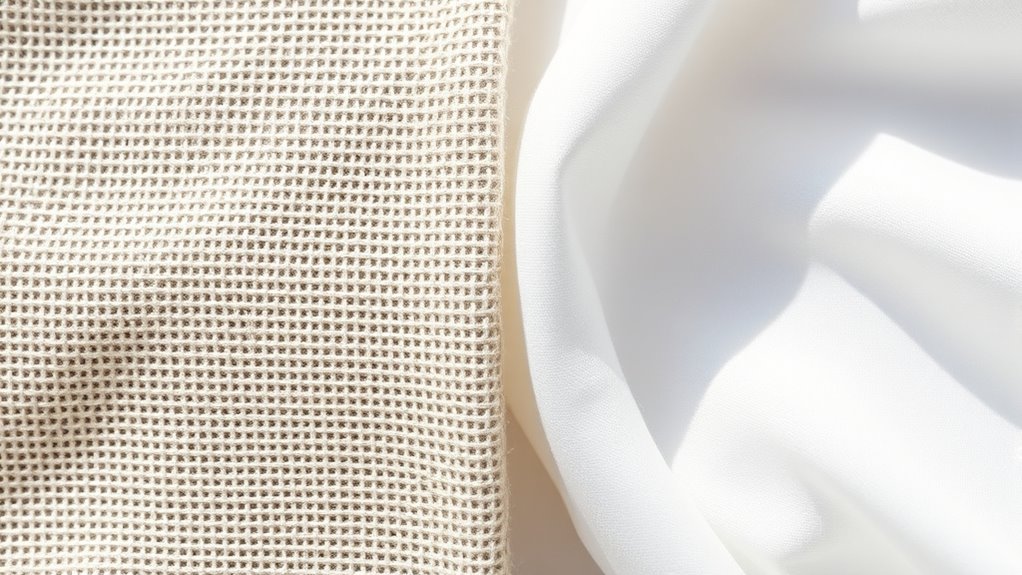

When comparing linen and cotton, you’ll find linen is more durable and eco-friendly because it requires fewer resources and lasts longer. It’s made from flax, which uses less water and pesticides, making it a sustainable choice. Cotton, on the other hand, feels softer initially but often needs more maintenance and wears out quicker. If you want to understand the full differences and how your choices impact the environment, keep exploring these fabrics.

Get your wardrobe favorites delivered free — and shop member deals
- Fast, free delivery on millions of items
- Access to Prime Big Deal Days deals on October 6–7
- Prime Video, Amazon Music and more included
Key Takeaways
- Linen is more durable and lasts longer than cotton, even after frequent washing.
- Linen requires fewer resources and chemicals to produce, making it more environmentally sustainable than cotton.
- Cotton is softer initially but tends to wear out faster and may develop thinning or tears over time.
- Linen’s eco-friendly benefits include lower water usage and fewer pesticides compared to conventional cotton.
- Choosing linen supports sustainability due to its durability and lower environmental impact, while cotton offers a softer feel but higher resource demands.
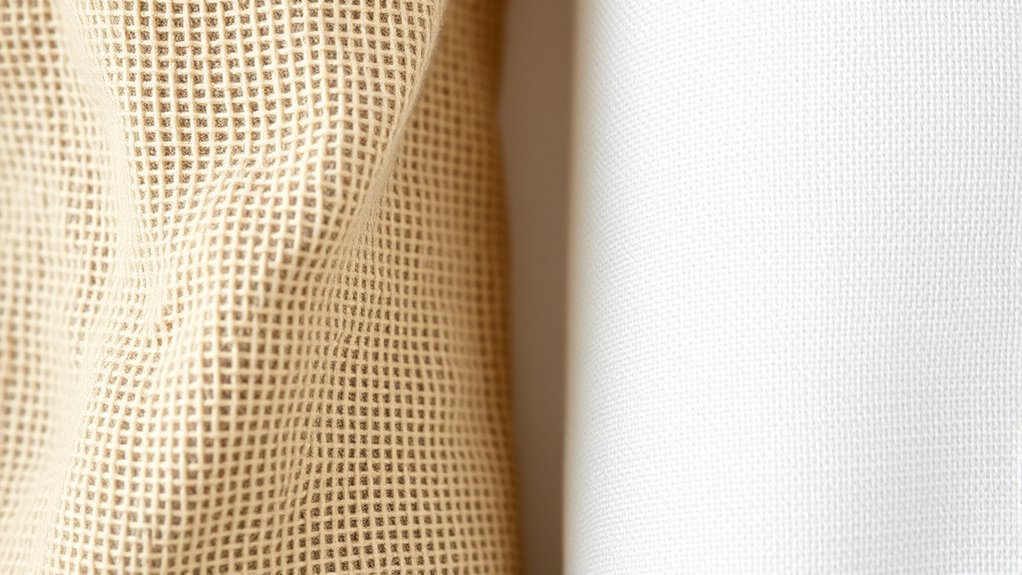
When choosing between linen and cotton for your clothing or bedding, understanding their differences can help you make an informed decision. One of the key factors to ponder is their durability differences. Linen is known for its exceptional strength; the fibers are long and densely woven, making it more resistant to wear and tear over time. This means that linen garments and linens tend to last longer, even with frequent washing. Cotton, on the other hand, is softer and more comfortable initially, but it can be less durable, especially if not cared for properly. Over time, cotton fabrics might develop thinning areas or tears, requiring more frequent replacement. If you’re looking for something that can withstand the test of time and maintain its integrity after many washes, linen is likely the better choice.
Linen’s exceptional strength ensures it lasts longer, even with frequent washing.
Another important aspect to contemplate is the environmental impacts of each fabric. Linen is made from flax plants, which require fewer pesticides and fertilizers compared to cotton crops. Flax can grow in less water and in poorer soil conditions, making it a more sustainable option overall. Additionally, linen production involves fewer chemical processes, leading to a smaller environmental footprint. Cotton cultivation, however, is more resource-intensive. It typically demands large amounts of water, pesticides, and fertilizers, which can harm ecosystems and contribute to soil degradation. Conventional cotton farming also involves intensive chemical treatments, some of which can be harmful to the environment and farmworkers. Organic cotton offers a more eco-friendly alternative, but it’s still generally more resource-heavy than linen.
In terms of environmental impacts, linen holds a clear advantage, especially when sourced responsibly. Its production process tends to be more sustainable, requiring less water and fewer chemicals. That said, both fabrics can be produced sustainably if you choose organic or ethically sourced options. Durability differences also tie into their environmental impacts—since linen lasts longer, you’ll replace it less often, reducing waste. Cotton’s shorter lifespan and resource demands mean it might need replacing more frequently, contributing to faster textile waste and higher environmental costs.
Ultimately, your choice depends on what matters most to you—whether it’s longevity, environmental sustainability, or comfort. Linen’s durability and lower environmental impact make it a stronger candidate for eco-conscious consumers seeking long-lasting quality. Cotton offers a softer, more breathable feel, but it may require more maintenance and replacement over time. Being aware of these differences helps you pick the fabric that best aligns with your values and needs. For those prioritizing eco-friendly options, considering sustainable textiles can further support environmentally conscious decisions.
As an affiliate, we earn on qualifying purchases.
Frequently Asked Questions
Which Fabric Is More Environmentally Sustainable?
You’ll find linen more environmentally sustainable because it’s made from flax, which often uses organic farming practices, reducing chemical runoff. Linen also requires less water during cultivation compared to cotton, making it a better choice for conserving water resources. By choosing linen, you support eco-friendly farming and help minimize environmental impact, especially if you look for organic options and sustainable production practices.
How Do Linen and Cotton Compare in Allergy Prevention?
You might find linen more hypoallergenic than cotton because it has fewer chemical treatments and a tighter weave that reduces irritant potential. While cotton can sometimes cause allergies due to pesticides or dyes, linen’s natural fibers resist dust mites and mold, making it a better choice if you have sensitive skin. So, for allergy prevention, linen typically offers a gentler, less irritant fabric option compared to cotton.
Are There Specific Care Instructions Unique to Linen or Cotton?
You should follow specific care instructions for linen and cotton to keep them in good shape. For linen, use a gentle fabric softening to maintain its texture, and wash stained areas promptly with a mild detergent. Cotton benefits from high-temperature washing to remove stains effectively, but avoid over-drying to prevent shrinking. Always check labels for specific instructions, and avoid harsh chemicals to preserve the fabric’s quality.
Which Fabric Is Better for Hot and Humid Climates?
You might think cotton’s the champion for hot, humid climates, but linen actually wins the breathability comparison. Its texture differences make it feel cooler and more airy against your skin, perfect for sweltering days. While cotton can trap heat and moisture, linen’s loose weave encourages airflow, helping you stay comfortable. So, if you’re after a fabric that breathes easier, linen’s your best bet—ironic, but true.
How Do Linen and Cotton Differ in Dye Retention and Color Fading?
You’ll find that linen and cotton differ in dye absorption and color longevity. Linen tends to absorb dye more deeply, resulting in vibrant, long-lasting colors that resist fading over time. Cotton, however, may not absorb dye as thoroughly, which can lead to colors fading more quickly with washing. If you want fabrics with better dye retention and lasting color, linen generally offers superior color longevity and vibrant hues.
Conclusion
When choosing between linen and cotton, consider not just comfort but also sustainability. Some claim linen is more eco-friendly because it requires fewer pesticides and water, but cotton’s versatility and breathability can’t be ignored. Ultimately, the best choice depends on your priorities—whether you value durability or softness. Scientific studies suggest both fabrics have unique environmental impacts, so weigh your options carefully. Whichever you pick, knowing the facts helps you make a more informed, conscious decision.
Fall Picks
fall essentials
As an affiliate, we earn on qualifying purchases.