Stitch regulation transforms your quilting by ensuring consistent stitch quality and enhancing precision without stifling your creativity. You can easily adjust settings to suit your designs, improving your confidence and skill level. It’s not just for advanced users; it simplifies the process for everyone. While it guarantees uniformity and reduces corrections, some limitations exist, like dealing with fabric thickness. There’s much more to explore about maximizing your stitch regulation for stunning results.

Get your wardrobe favorites delivered free with Prime
- Fast, free delivery on millions of items
- Prime Video, Amazon Music and more included
- Member-only deals all year
Key Takeaways
- Stitch regulation enhances quilting precision by automatically adjusting machine speed for consistent and uniform stitches across various designs.
- It simplifies the quilting process, making it accessible for all skill levels, rather than just advanced users.
- Proper tension settings are crucial for preventing thread breakage and puckering, ensuring high-quality stitch appearance and durability.
- Manual stitching allows for creative freedom, while regulated stitching enhances design precision, making uniform stitch creation easier.
- Regular maintenance and calibration of the machine improve performance and stitch quality, addressing common issues like inconsistent stitch length.
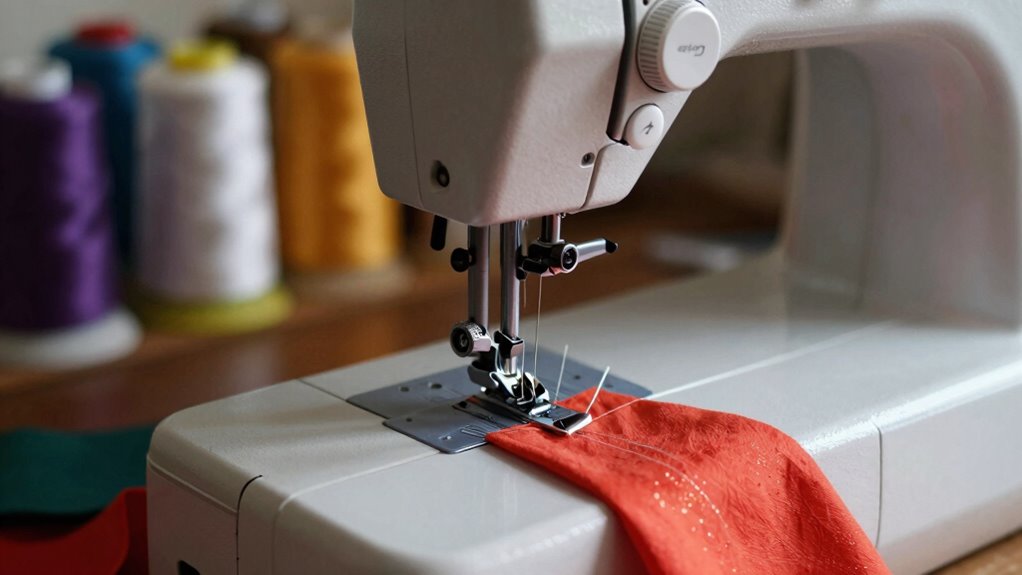
electric quilting machine with stitch regulation
As an affiliate, we earn on qualifying purchases.
As an affiliate, we earn on qualifying purchases.
How to Use Stitch Regulation Effectively
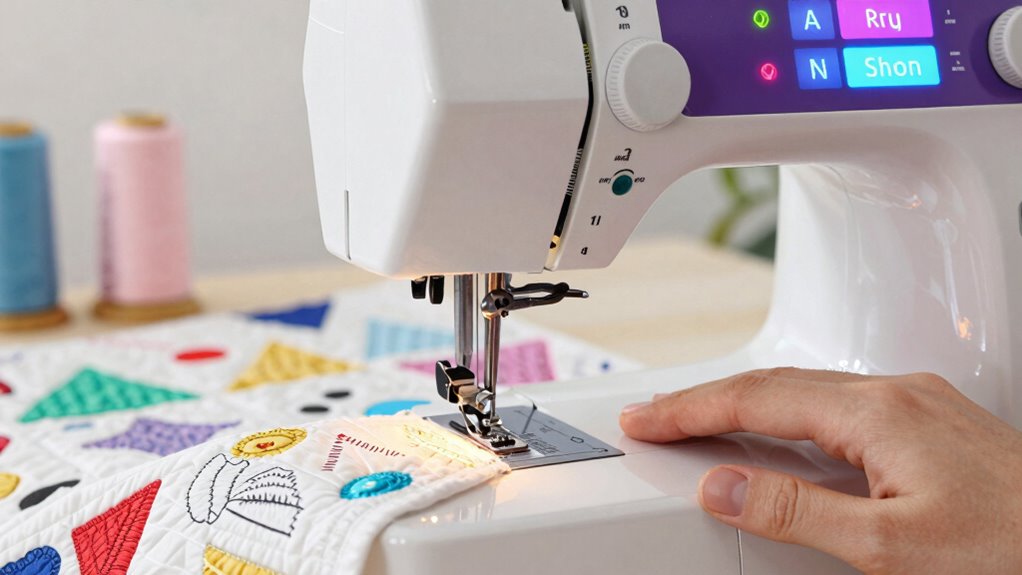
When you’re ready to plunge into stitch regulation, it’s essential to understand how it can transform your quilting experience. Start by familiarizing yourself with your machine settings. Adjust the stitch length according to the stitch patterns you plan to use; shorter stitches work best for intricate designs, while longer ones suit broader patterns. Practice on scrap fabric to find the right balance of speed and control, ensuring your stitches remain consistent. Pay attention to the tension settings, too; they can greatly impact the final appearance of your work. Finally, don’t rush—take your time to master the rhythm. With practice, you’ll see how effective stitch regulation enhances the quality of your quilting projects.
Benefits of Using Stitch Regulation in Quilting
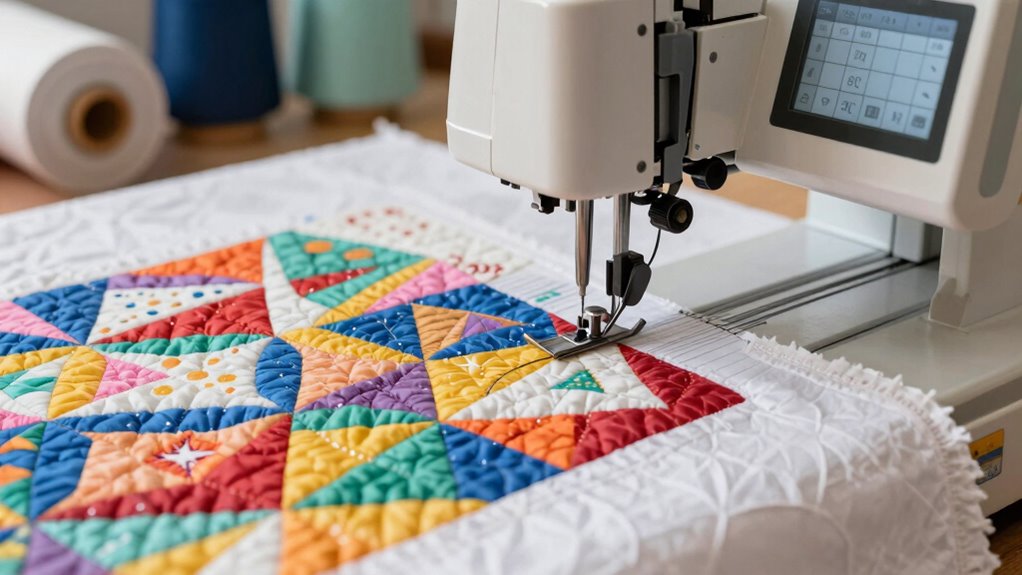
Using stitch regulation in quilting offers numerous advantages that can elevate your projects. One of the main stitch regulation benefits is the enhanced quilting precision it provides. You’ll notice cleaner, more consistent stitches, which can drastically improve the overall look of your quilts. With stitch regulation, you can focus on your design rather than worrying about uneven tension or stitch length. This technology adjusts the machine’s speed automatically, ensuring your stitches remain uniform regardless of your pace. As a result, you’ll spend less time ripping out mistakes and more time enjoying your creativity. Embracing stitch regulation makes quilting more enjoyable and allows you to achieve professional-quality results, bringing your artistic visions to life.
Common Misconceptions About Stitch Regulation
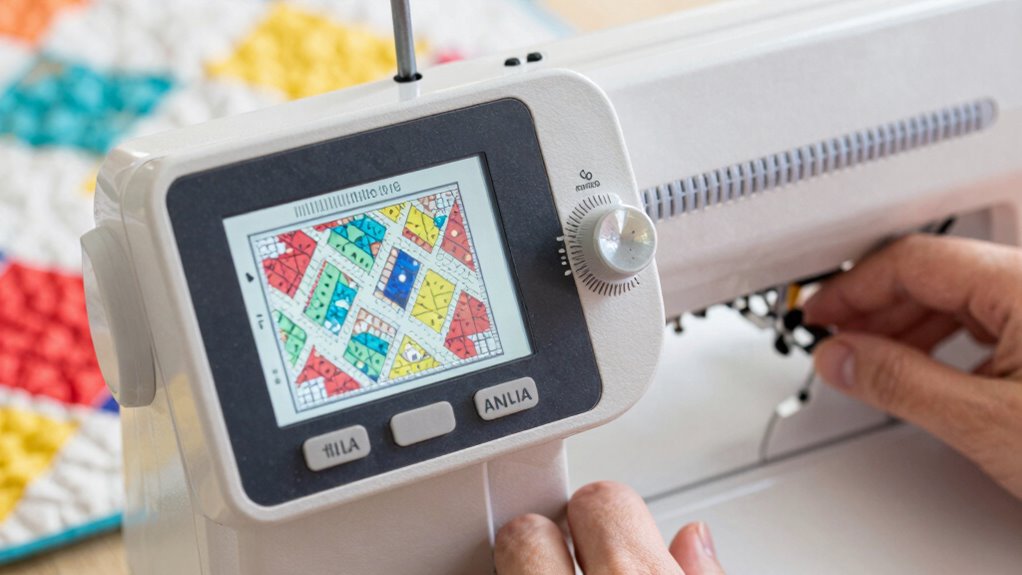
Many quilters assume stitch regulation is only for advanced users or that it complicates the quilting process. This myth debunking is essential for understanding the true benefits of stitch regulation. In reality, it’s designed to make quilting easier for everyone, regardless of skill level. A regulation overview reveals that this tool helps maintain consistent stitch length, allowing you to focus on creativity rather than technique. Some believe it limits your freedom, but it actually enhances your control over the quilting process. By using stitch regulation, you’ll find that it simplifies your workflow and boosts your confidence. Embracing this technology can transform your quilting experience, making it accessible and enjoyable for all quilters. Additionally, understanding safe operating procedures can further enhance your quilting experience and ensure you work efficiently and safely. Using acoustic drum shields can also help create a more controlled environment, leading to better sound quality in your quilting space. Moreover, fostering a growth mindset can encourage quilters to explore new techniques without fear of making mistakes. Engaging in creative craft ideas can also inspire quilters to incorporate diverse elements into their work. Ultimately, implementing simple organizing strategies can create a more calm and efficient quilting environment, allowing for greater focus and creativity.
Impact of Stitch Regulation on Stitch Quality
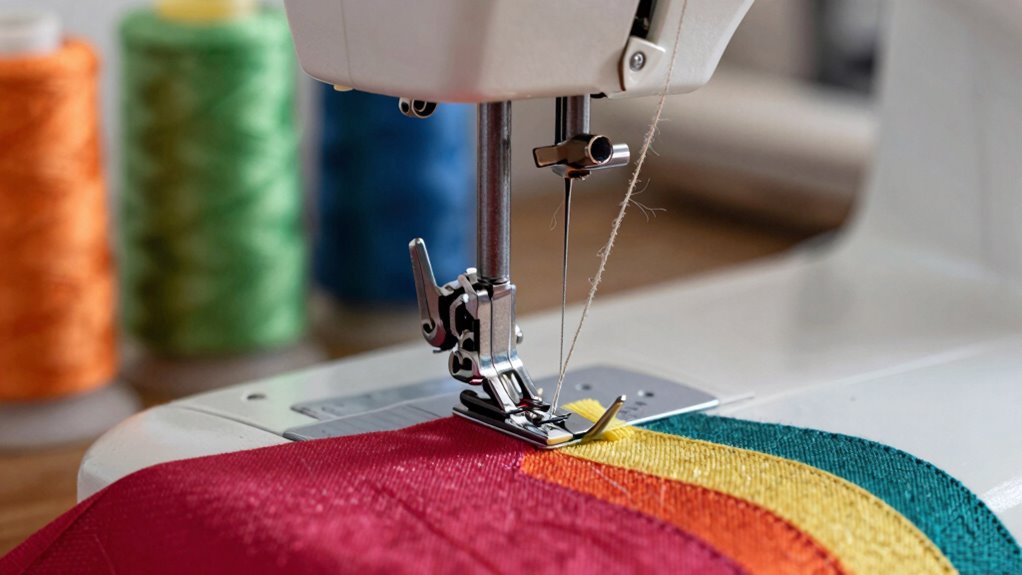
While you might think stitch regulation is just a technical feature, its impact on stitch quality is profound. With proper stitch regulation, you enhance stitch precision, guaranteeing each stitch is uniform and consistent. This not only elevates the appearance of your work but also improves durability. Maintaining ideal thread tension is essential; when stitch regulation is applied correctly, it helps prevent thread breakage and reduces puckering.
| Factor | Impact on Stitch Quality |
|---|---|
| Stitch Precision | Guarantees uniformity |
| Thread Tension | Prevents breakage and puckering |
Incorporating stitch regulation can transform your sewing experience, leading to impeccable results. Embrace it to elevate your craft!
When to Use Stitch Regulation for Best Results?
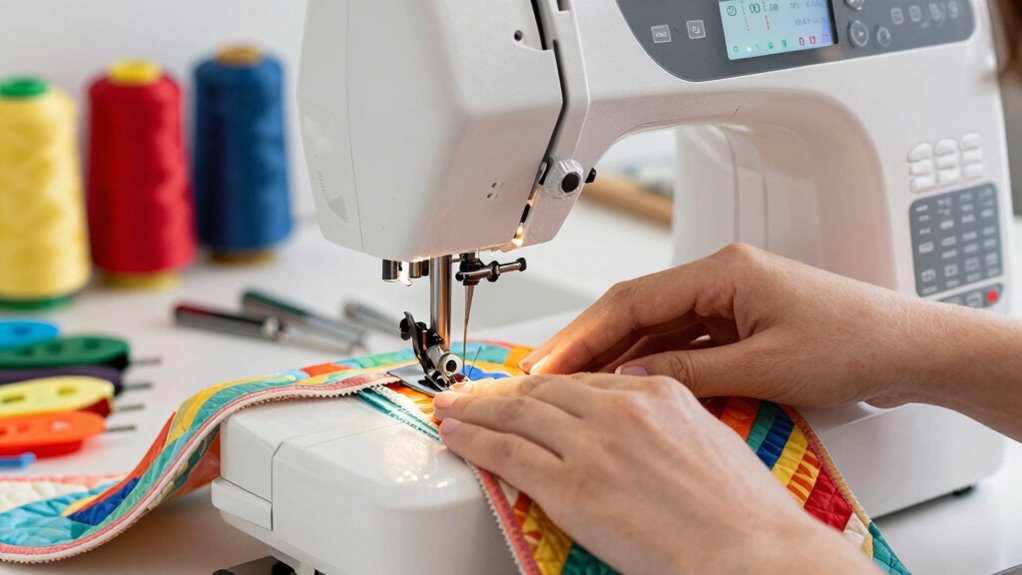
When you’re working with fabric of varying thickness, using stitch regulation can help maintain consistent quality. It’s also essential for tackling complex design patterns, ensuring your stitches stay even and precise. Knowing when to activate this feature can elevate your finished project considerably.
Consistent Fabric Thickness
Achieving a consistent fabric thickness is vital for high-quality stitching, and using stitch regulation can make a significant difference. When you’re working with multiple layers, like in quilt making, fabric layering techniques become essential. Stitch regulation helps manage stitch thickness variations that can occur due to uneven layers. If you’re sewing thick materials or combining different fabrics, it’s especially important to engage stitch regulation. This feature guarantees that your machine adjusts to the fabric’s thickness, providing even stitches throughout your project. If you notice your stitches becoming inconsistent, check your settings. By utilizing stitch regulation effectively, you’ll enhance your stitching quality and achieve a professional finish, regardless of the complexity of your fabric layers. Additionally, understanding stitching techniques can further improve your results and expand your creative possibilities.
Complex Design Patterns
Stitch regulation becomes particularly important as you tackle complex design patterns. It’s crucial for effective complexity management and maximizing your design versatility. Here are four key points to take into account:
- Tension Control: Maintaining consistent tension helps prevent stitch distortion in intricate designs.
- Speed Adjustment: Slowing down your sewing speed enhances accuracy, especially in detailed areas.
- Fabric Type: Different fabrics behave uniquely; adjust your stitch regulation settings accordingly for best results.
- Design Complexity: For highly detailed patterns, increased stitch regulation guarantees that every element stays crisp and defined.
Key Limitations of Stitch Regulation

While stitch regulation offers many benefits, it also comes with key limitations you’ll want to evaluate. Inconsistent fabric thickness can throw off your results, and you might find speed adjustments are more restricted than you’d like. Plus, how well it works often depends on your skill level and experience.
Inconsistent Fabric Thickness Handling
When working with varying fabric thicknesses, you may encounter challenges that disrupt the consistency of your stitching. Inconsistent fabric layers can lead to issues with stitch tension, affecting the overall quality of your project. Here are some key limitations to evaluate:
- Uneven feeding: Different thicknesses can cause the machine to struggle with feeding fabric evenly.
- Stitch length variation: Changing layers may lead to fluctuations in stitch length, resulting in an unprofessional look.
- Inconsistent tension: The machine might not adjust stitch tension properly, causing puckering or loose stitches.
- Obstruction in movement: Thick layers can hinder the machine’s ability to move smoothly, impacting stitch quality.
Understanding these limitations can help you make informed decisions while sewing with diverse fabrics.
Limited Speed Adjustments
Limited speed adjustments can significantly impact your sewing experience, especially when precision is essential. When you’re working on intricate designs, having limited adjustments can hinder your ability to control the pace effectively. Speed control is vital; if your machine restricts how fast or slow you can sew, it can make achieving that perfect stitch more challenging. You might find that certain fabrics or techniques require specific speeds that your machine doesn’t accommodate. This limitation can lead to frustration and compromise the quality of your work. It’s important to understand that while stitch regulation offers many advantages, limited speed adjustments can be a major drawback, especially for projects demanding meticulous attention to detail.
Skill Level Dependency
Sure! Here’s your content with the requested adjustments:
—
Mastering stitch regulation often hinges on your skill level, impacting how effectively you can use this feature. If you’re a beginner, you might face challenges that can hinder your projects. Here are some key points to reflect on:
- Beginner Challenges: You may struggle with consistency in stitch length, leading to uneven results. Additionally, focusing on self-awareness can help you identify areas for improvement. Understanding the importance of long-term financial planning can also alleviate stress related to sewing expenses. Developing basic sewing techniques early on can further enhance your foundational skills. Regular practice can significantly improve your overall performance in sewing.
- Advanced Techniques: As you improve, you can leverage stitch regulation for intricate patterns.
- Experience Matters: Your familiarity with the machine affects how well you can adjust settings.
- Learning Curve: It takes time to understand how to balance speed and stitch quality effectively.
Additionally, understanding the importance of effective relief can help you choose techniques that enhance your sewing projects.
Recognizing these factors can help you tailor your approach, enhancing your overall sewing experience and results.
—
Let me know if you need further modifications!
Manual vs. Regulated Stitching: What’s the Difference?
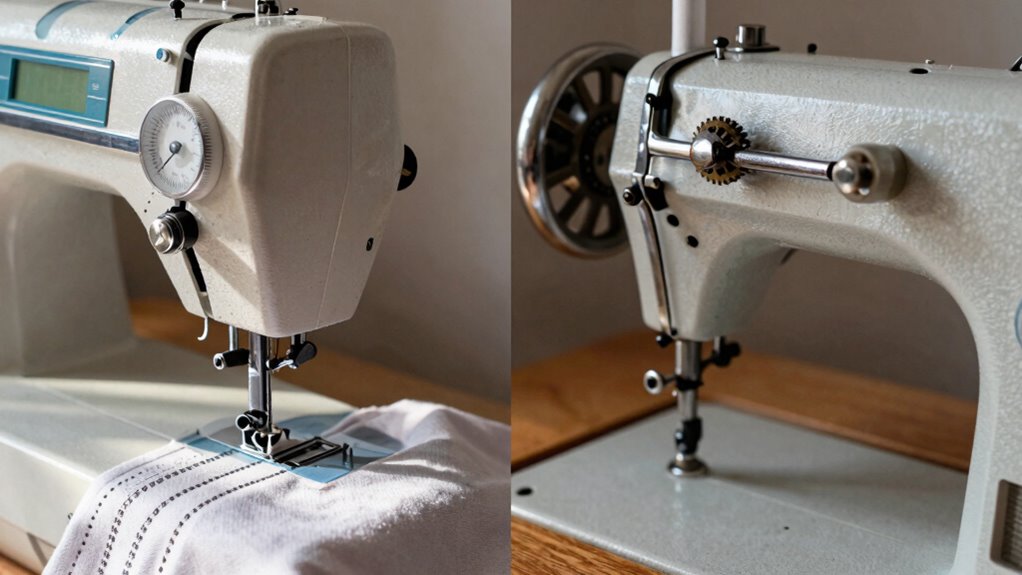
Understanding the difference between manual and regulated stitching can greatly impact your quilting experience. Manual stitching gives you creative freedom, allowing you to adjust stitch length and control your machine settings to achieve unique designs. You can explore various quilting techniques, but it requires a steady hand and practice to maintain consistency.
On the other hand, regulated stitching automatically adjusts stitch length based on your speed, enhancing design precision. This feature helps you create uniform stitches with less effort, making it ideal for intricate patterns. While regulated stitching simplifies the process, it may limit your creative freedom compared to manual methods. Ultimately, the choice between the two depends on your quilting style and desired outcomes.
Troubleshooting Common Stitch Regulation Issues
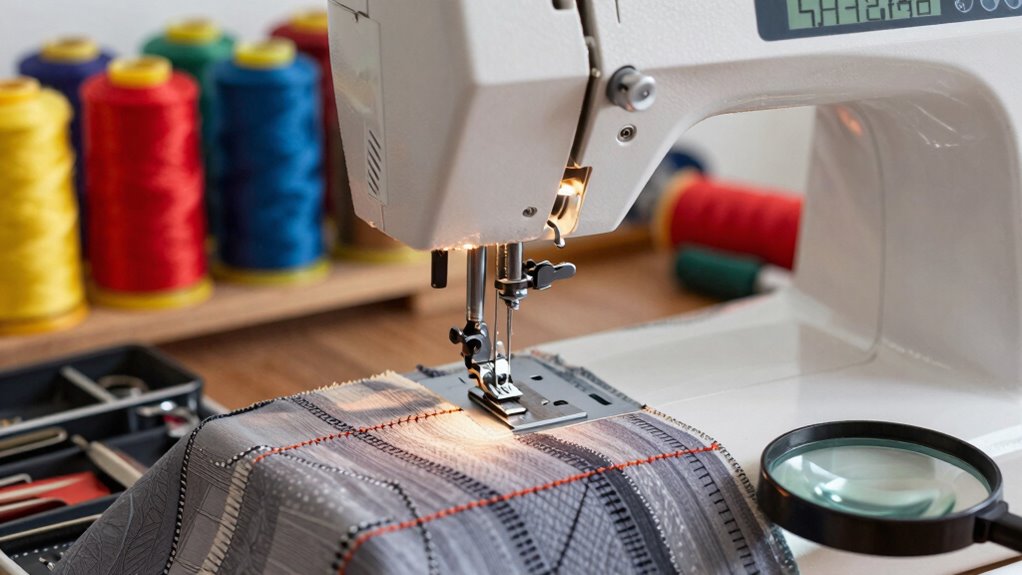
When you encounter issues with stitch regulation, it can be frustrating. You might notice inconsistent stitch lengths or tension problems that disrupt your work. Let’s explore some practical tips for calibrating your machine and resolving these common challenges.
Inconsistent Stitch Length Issues
Inconsistent stitch lengths can be frustrating, especially when you’re aiming for a polished finish. To tackle this issue, consider these troubleshooting steps:
- Check your machine settings: Confirm your stitch length adjustments are correctly set for your fabric type.
- Inspect the needle: A dull or bent needle can cause uneven tension and affect stitch quality.
- Examine your thread: Use high-quality thread that matches your machine’s requirements to prevent inconsistencies.
- Adjust your tension: Uneven tension can lead to varying stitch lengths. Test your tension settings before starting your project.
Tension Problems Explained
Tension issues can greatly impact your stitch quality, leading to frustrations during your sewing projects. If your stitches are too loose or too tight, it’s time to make some tension adjustments. Different thread types can also influence how your machine performs; for example, thicker threads often require looser tension settings. To troubleshoot, start by testing your stitch on a scrap piece of fabric. If you see puckering or uneven stitches, adjust the tension accordingly. Remember, it’s a balance—too much tension can break the thread, while too little can cause looping. Keep experimenting until you find the sweet spot that works for your chosen thread and fabric combination. This way, you’ll achieve that perfect stitch every time!
Machine Calibration Tips
Proper calibration is key to guaranteeing your sewing machine delivers consistent stitch quality. If you’re facing issues with stitch regulation, here are some effective machine calibration tips to try:
- Check Machine Settings: Guarantee your tension, stitch length, and speed are set appropriately for your fabric type.
- Use Calibration Techniques: Regularly test your machine with a sample fabric to verify stitch quality and make necessary adjustments.
- Clean and Maintain: Dust and lint can affect performance. Regularly clean your machine to keep it running smoothly.
- Consult the Manual: Your sewing machine’s manual often contains specific calibration techniques tailored to your model.
Boosting Creativity With Stitch Regulation
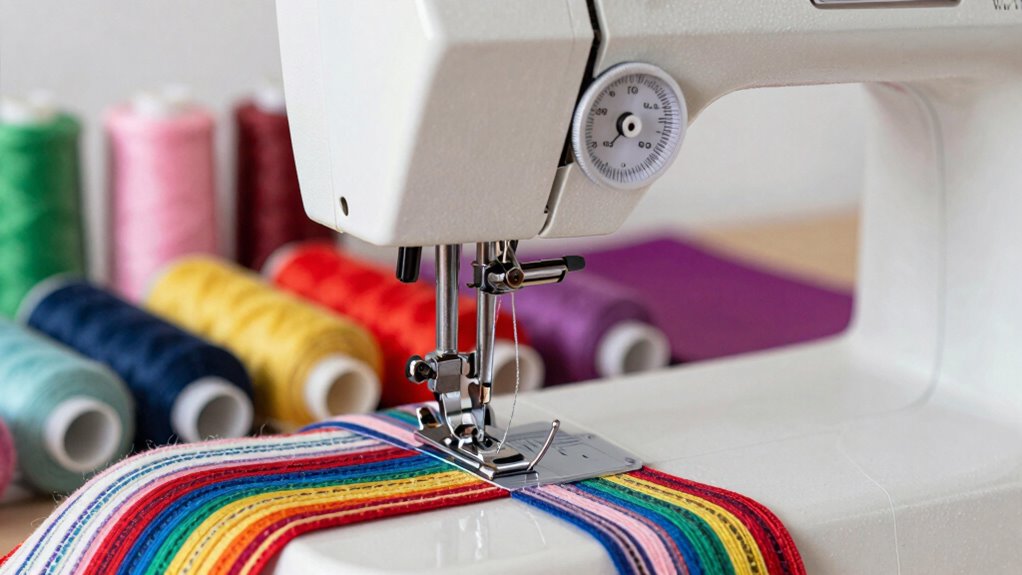
While many quilters focus on the technical aspects of their craft, embracing stitch regulation can greatly enhance your creative expression. By allowing you to maintain consistent stitch lengths, it frees you to explore innovative techniques without worrying about unevenness. You can experiment with different patterns and designs, knowing your stitches will remain uniform. This confidence lets your creativity shine through in your work, transforming your quilting into a true form of art. Whether you’re tackling intricate motifs or bold, graphic designs, stitch regulation supports your vision, enabling you to push boundaries and try new styles. So, don’t shy away from this tool—it’s your ally in releasing your artistic potential and elevating your quilting experience.
Tips for Mastering Stitch Regulation in Your Projects

Mastering stitch regulation can greatly elevate your quilting projects, especially when you incorporate a few key techniques. Here are some tips to help you refine your skills:
- Check Thread Tension: Proper tension guarantees your stitches lay flat and consistent, enhancing stitch aesthetics.
- Regular Machine Maintenance: Keep your quilting tools in top shape to avoid hiccups during stitching.
- Experiment with Speed Control: Adjust your sewing speed to better manage stitch patterns and achieve desired effects.
- Choose Fabric Wisely: Different fabric choices can impact stitch quality, so select materials that complement your quilting techniques.
Frequently Asked Questions
Can I Use Stitch Regulation on All Sewing Machines?
No, you can’t use stitch regulation on all sewing machines. Stitch regulation benefits include consistent stitch length and improved sewing quality, but its limitations mean it’s typically available on specific models, like higher-end machines or longarm quilting machines. Before investing, check if your sewing machine supports this feature. If it doesn’t, you might miss out on the advantages of regulated stitching, but you’ll still be able to create beautiful projects with practice.
How Does Stitch Regulation Affect Thread Tension?
Stitch regulation directly impacts thread tension and overall stitch quality. When you engage stitch regulation, it automates tension adjustments based on your sewing speed and fabric type. This means you’ll often achieve more consistent stitches without manual tweaks. However, it’s vital to monitor your thread tension, as sometimes the automated adjustments may not suit every project. Pay attention to your fabric and thread to guarantee you get the best results every time.
Is Stitch Regulation Suitable for All Fabric Types?
Stitch regulation isn’t suitable for all fabric types; about 30% of sewers find it challenges lighter materials. While it enhances fabric compatibility for heavier fabrics, it can cause issues with delicate or stretchy ones. You’ll want to adjust the stitch length accordingly to maintain quality. If you’re working with various materials, consider testing your settings first to verify that you achieve the desired results without compromising your project’s integrity.
Can I Turn off Stitch Regulation During a Project?
Yes, you can turn off stitch regulation during a project. This gives you the freedom to explore manual sewing techniques, allowing for more creativity and control. While stitch regulation offers benefits like consistent stitch length, sometimes you might want to adjust your speed or technique based on the fabric or design. Just remember, switching to manual means you’ll need to pay closer attention to your stitches for the best results.
Does Stitch Regulation Work With Free-Motion Quilting?
Absolutely, stitch regulation can enhance your free-motion quilting experience. Think of it as a trusty compass guiding you through the intricate landscape of fabric. With regulation benefits, your stitches maintain even length, giving your designs a polished finish. While you’re using free motion techniques, you can still enjoy the freedom of creativity without worrying about stitch consistency. So go ahead, let your imagination flow while your machine keeps you on track!
Conclusion
In the world of quilting, stitch regulation is your trusty compass, guiding your creativity while ensuring each stitch dances in harmony. Embrace its power to elevate your projects, but remember, it’s not a magic wand. With practice and understanding, you’ll weave a tapestry of beauty, turning fabric into art. So, take the plunge, experiment, and let stitch regulation be the wind beneath your quilting wings. Your masterpiece awaits!
Halloween Picks
halloween
As an affiliate, we earn on qualifying purchases.