Fashion’s Carbon Footprint: Emissions of Your Wardrobe
Prevent your wardrobe from contributing excessively to pollution—discover how your fashion choices impact the environment and what you can do about it.
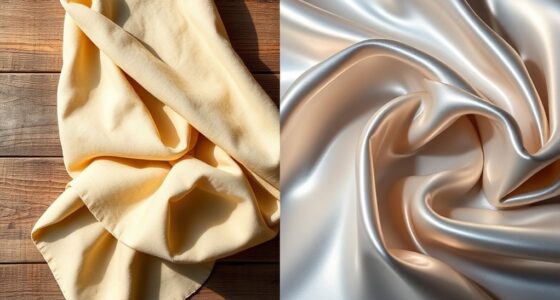
Inevitably, understanding whether organic or recycled fabrics are better depends on your values and goals—discover which option aligns best with your eco-conscious choices.
From Ocean Plastic to Fabric: Turning Bottles Into Clothes
Keen to see how discarded ocean plastic transforms into fashionable fabric? Discover the innovative process behind turning bottles into stylish clothes.
Lab-grown textiles are revolutionizing fashion with sustainable, customizable fabrics created from cultivated cells—discover how this innovative technology could transform your wardrobe.
Discover the upcoming trends shaping sustainable fashion in 2026 and learn how innovation will redefine eco-friendly style—continue reading to stay ahead.
Repair and Mend Culture: Extending Clothes’ Lifespan
Greatly enhancing your wardrobe’s sustainability, repair and mend culture offers creative ways to extend clothes’ lifespan—discover how to start today.
Clothing Rental: Can Renting Your Wardrobe Be Sustainable?
Beyond reducing waste, renting your wardrobe offers sustainable fashion benefits—discover how this eco-friendly practice can transform your wardrobe and the planet.
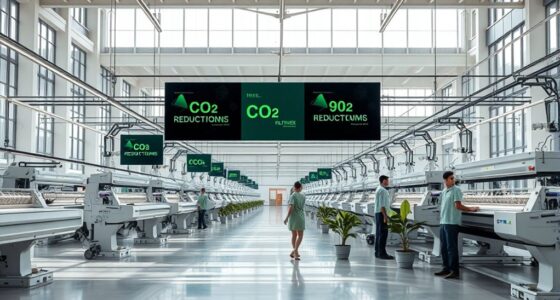
Incorporating energy-efficient practices in textile manufacturing can significantly cut CO₂ emissions, but discovering the most effective strategies requires ongoing exploration.