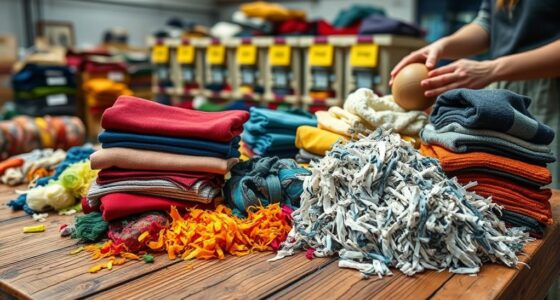

Your wardrobe’s carbon emissions are higher than you might think, since the fashion industry is one of the biggest polluters globally. Every item you buy or throw away adds to pollution, waste, and greenhouse gases. By choosing sustainable materials, supporting ethical brands, and caring for your clothes, you can lower your impact. Making mindful choices can considerably reduce your fashion footprint—if you want to learn how, keep exploring these helpful tips.
Open a free Amazon Business account
Business pricing, bulk buying and tax-exempt orders.
As an affiliate, we earn on qualifying purchases.
Key Takeaways
- The fashion industry significantly contributes to global carbon emissions through production, transportation, and disposal processes.
- Choosing sustainable materials like organic cotton and recycled fabrics reduces the environmental impact of clothing.
- Ethical manufacturing practices promote cleaner technologies and waste reduction, lowering overall emissions.
- Maintaining durable, timeless clothing extends wardrobe lifespan and decreases the frequency of new purchases.
- Buying secondhand or supporting local brands minimizes resource use and transportation emissions associated with new garments.
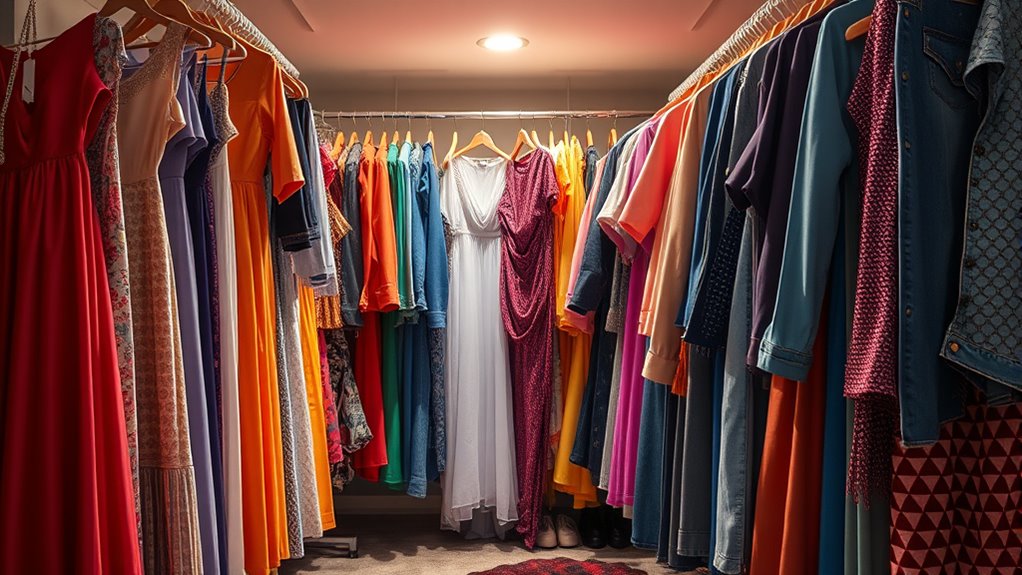
Fashion is one of the world’s most polluting industries, contributing considerably to global carbon emissions. Every time you buy a new piece, you’re adding to this environmental burden, often without realizing the impact. But you have the power to make smarter choices. One way is by prioritizing clothing made from sustainable materials. These materials—like organic cotton, hemp, or recycled fabrics—require less water, fewer toxic chemicals, and generate fewer emissions during production. When you opt for garments crafted with sustainable materials, you’re supporting a shift toward eco-friendlier practices that lessen the industry’s overall carbon footprint. It’s not just about the fibers, though. You also want to pay attention to how your clothes are produced. Ethical production means ensuring fair wages, safe working conditions, and responsible manufacturing processes. When brands embrace ethical production, they often invest in cleaner technologies, reduce waste, and follow stricter environmental standards. By choosing brands committed to these principles, you help promote a transparent supply chain that minimizes environmental damage and supports workers’ well-being.
You might find it tempting to chase the latest trends, but instead, you can focus on investing in timeless pieces that last longer. Durable clothing reduces the frequency of purchases, which in turn cuts down on resource consumption and waste. Additionally, taking care of your wardrobe—like repairing instead of discarding—can profoundly lower your fashion-related carbon footprint. When you shop consciously, look for labels that highlight their use of sustainable materials and ethical production practices. This not only helps reduce emissions but also encourages brands to adopt better standards.
Another impactful step is to buy secondhand or choose from thrift stores. This extends the life of garments and prevents items from ending up in landfills prematurely. It also often means you’re getting quality pieces that have already been produced using fewer resources. furthermore, supporting local brands or artisans who prioritize sustainability can further reduce transportation emissions associated with fast fashion imports.
Ultimately, your choices matter. By being mindful of where your clothes come from, how they’re made, and how long they last, you actively participate in reducing the fashion industry’s carbon footprint. Embracing sustainable materials and backing ethical production isn’t just good for the planet—it’s a statement that your wardrobe choices can drive meaningful change. The more conscious you become, the greater your influence on encouraging brands to adopt more sustainable and ethical practices.
organic cotton sustainable clothing
As an affiliate, we earn on qualifying purchases.
As an affiliate, we earn on qualifying purchases.
Frequently Asked Questions
How Can I Identify Eco-Friendly Clothing Brands?
You can identify eco-friendly clothing brands by checking for sustainable certification labels like GOTS or Fair Trade. Look for brand transparency—brands that openly share their sourcing and manufacturing practices. Research their commitment to eco-friendly materials and ethical labor standards. When brands prioritize sustainability, they usually highlight these certifications and transparent practices on their websites, making it easier for you to choose environmentally responsible clothing options.
What Are the Most Sustainable Fabrics to Look For?
Imagine it’s the Renaissance—you’re choosing fabrics that truly matter. Look for organic cotton and hemp textiles, as they’re among the most sustainable options. Organic cotton uses fewer chemicals and water, while hemp grows quickly, requires minimal pesticides, and cleans the air. These fabrics reduce your environmental impact and support eco-friendly brands. By choosing them, you’re making a conscious decision to wear clothes that are better for the planet.
Does Thrifting Reduce My Wardrobe’s Carbon Footprint?
Thrifting definitely reduces your wardrobe’s carbon footprint. When you engage in secondhand shopping, you extend the life of clothing, which cuts down on waste and demand for new resources. Upcycling benefits, like transforming old pieces into new ones, further lessen environmental impact. By choosing thrifted items, you’re actively supporting sustainable fashion and minimizing your ecological footprint, making a positive difference for the planet.
How Often Should I Wash My Clothes to Save Energy?
A stitch in time saves nine, so you should wash your clothes only when necessary to save energy. Proper clothing maintenance means doing laundry less often and using cold water when you do. Your laundry habits directly impact your wardrobe’s carbon footprint, so by reducing washes, you cut down on water and electricity use, helping the environment. Be mindful—less frequent washing keeps your clothes looking good longer too.
What Are Simple Steps to Make My Wardrobe More Sustainable?
To make your wardrobe more sustainable, start by choosing clothing made from sustainable fashion brands that prioritize eco-friendly materials. Focus on clothing longevity by selecting quality pieces that last longer and resist wear. Wash clothes less often, follow care instructions carefully, and repair instead of replacing. Shop secondhand or vintage when possible, and donate or recycle clothes you no longer wear. These simple steps help reduce your wardrobe’s carbon footprint and promote eco-conscious fashion habits.
Conclusion
Every piece you wear is like a brushstroke on the planet’s canvas. By choosing sustainable fashion and mindful consumption, you become the artist shaping a greener future. Your wardrobe isn’t just about style; it’s a powerful tool to reduce emissions and protect our Earth. So, next time you shop, remember—you hold the brush. Together, we can paint a more sustainable picture, turning your wardrobe into a masterpiece of positive change.
Flea & tick season Picks
flea and tick prevention
As an affiliate, we earn on qualifying purchases.