
Compostable textiles are clothing options designed to break down safely into organic matter and enrich the soil after disposal. They use biodegradable fibers like organic cotton, hemp, and innovative materials that decompose naturally with microorganisms. This allows you to reduce waste and support environmental health. By choosing these eco-friendly garments, you’re helping minimize landfill impact and promote sustainability. Curious about how this transformation is happening? Keep exploring to discover the future of sustainable fashion.
Key Takeaways
- Compostable textiles are made from biodegradable fibers designed to decompose safely in compost environments.
- Natural fibers like organic cotton, hemp, and linen are inherently compostable and suitable for eco-friendly clothing.
- Advances in biodegradable fibers aim to mimic or outperform synthetic options while supporting composting after use.
- Textile recycling processes can break down garments into fibers that are compatible with composting and sustainable lifecycle practices.
- Choosing compostable clothes reduces environmental impact by minimizing landfill waste and contributing to soil enrichment.
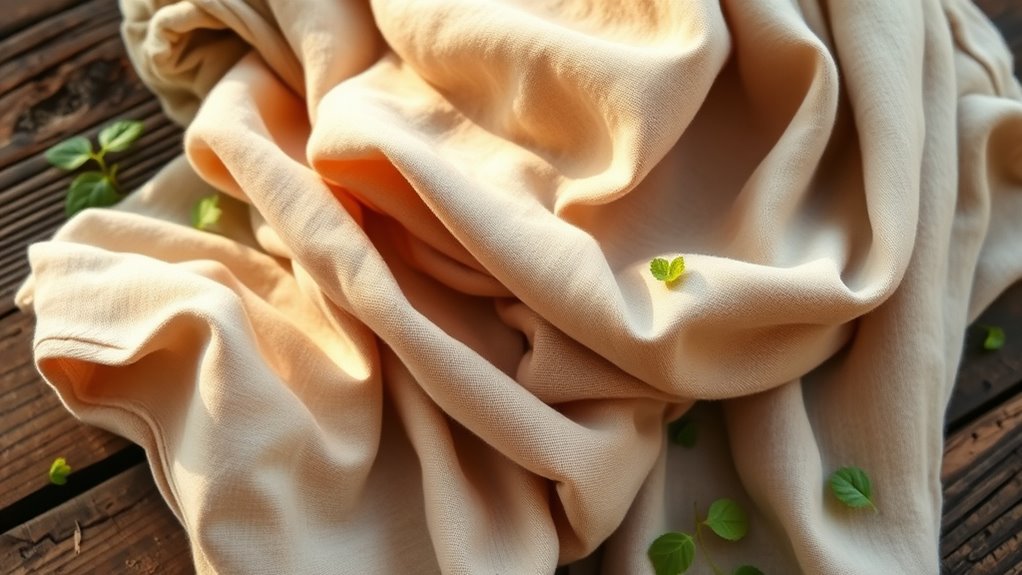
Have you ever wondered if the clothes you wear could help reduce waste? The idea of compostable textiles might surprise you, but it’s becoming more realistic thanks to advancements in biodegradable fibers and textile recycling. These innovations aim to create clothing that doesn’t just end up in landfills but can actually break down safely and enrich the soil. Unlike traditional fabrics made from synthetic fibers that persist for decades, compostable textiles are designed to biodegrade within a specific timeframe, leaving no harmful residues behind. This shift is part of a broader movement to promote sustainable fashion and lessen environmental impact.
Compostable textiles biodegrade safely, reducing waste and supporting sustainable fashion.
Biodegradable fibers are at the core of compostable textiles. These are materials engineered to decompose naturally with the help of microorganisms, turning into organic matter that can be returned to the earth. Natural fibers like organic cotton, hemp, and linen already biodegrade well, but scientists and textile manufacturers are developing innovative biodegradable fibers that mimic or even outperform synthetic options in terms of durability and comfort. These fibers are crafted with the environment in mind, ensuring that once they’ve served their purpose, they can be composted instead of contributing to waste accumulation. The development of these fibers also ties into textile recycling efforts, which seek to repurpose old garments into new materials, reducing the need for virgin resources and minimizing waste.
When you choose clothing made from biodegradable fibers, you’re supporting a cycle that begins with eco-friendly production and ends with natural decomposition. Textile recycling plays a key role here, enabling old garments to be broken down into their component fibers and used to create new textiles. This process reduces the demand for raw materials and cuts down on waste sent to landfills. By integrating textile recycling with the use of biodegradable fibers, manufacturers can produce compostable clothes that are designed to return to the earth. This approach not only lessens the environmental footprint but also encourages consumers like you to think differently about disposal—viewing your garments as part of a sustainable lifecycle rather than just disposable items.
The concept of compostable textiles is still evolving, but the potential is enormous. As more brands adopt biodegradable fibers and enhance textile recycling techniques, you’ll find more options for clothes that align with eco-conscious values. These clothes won’t just serve your style needs; they’ll also contribute to a healthier planet. The move toward compostable textiles signifies a future where waste is minimized, resources are conserved, and fashion becomes a tool for environmental regeneration. By making intentional choices today, you help support this innovative shift—one that transforms how we think about clothing and waste forever. Additionally, ongoing research into biodegradable fibers continues to push the boundaries of sustainable fashion.
Frequently Asked Questions
How Long Does It Take for Compostable Textiles to Decompose Completely?
You can expect compostable textiles to fully biodegrade within about 90 to 180 days, depending on factors like temperature, moisture, and the composting process. During this biodegradation timeline, microbes break down the fibers efficiently, turning the textiles into nutrient-rich compost. To guarantee proper decomposition, keep the compost moist and well-aerated, and avoid adding non-compostable materials that could slow down the process.
Can All Natural Fibers Be Composted Safely?
While not all natural fibers are perfectly suited for composting, most generally can be safely integrated into your compost, provided they’re free from harmful dyes or chemicals. Natural fiber composting benefits the environment by reducing waste, but be mindful of the synthetic fibers impact, which can linger and disrupt the process. Always verify the material’s composition and avoid fibers treated with non-compostable additives for a truly sustainable cycle.
Are There Any Harmful Chemicals in Compostable Textiles?
You’ll find that most compostable textiles are designed with chemical safety in mind, so harmful chemicals are minimal or absent. Many eco-friendly dyes are used to keep textiles safe for composting and the environment. However, it’s smart to check labels or manufacturer info to verify no toxic substances are present. This way, you can confidently compost your clothes, knowing they’re safe for the environment and won’t introduce harmful chemicals.
How Should I Dispose of Worn-Out Compostable Clothes?
When your compostable clothes reach the end of their life, you should compost them if possible, following local guidelines. If not, explore recycling alternatives or textile reuse options like donating or repurposing. Think of waste as a chance for renewal—while traditional disposal harms the environment, composting transforms your worn-out garments into nutrient-rich soil, creating a cycle of sustainability. Embrace these eco-friendly options to make a positive impact.
Do Compostable Textiles Require Specific Composting Conditions?
Compostable textiles generally need specific conditions to break down properly. You should guarantee the compost pile maintains an ideal temperature range, typically between 130-160°F, to promote microbial activity. Adequate moisture and aeration are also vital, as they boost microbial activity, speeding up decomposition. Avoid adding non-compostable materials, and turn the pile regularly to keep conditions perfect, to make sure your compostable clothes break down efficiently.
Conclusion
Imagine a future where your clothes don’t just end up in landfills but return to the earth, nourishing new life. Compostable textiles make that possible, turning waste into wonder. Some skeptics say it’s too good to be true, but history shows us innovation can change everything. By choosing compostable clothes, you’re not just making a style statement—you’re helping heal the planet. Together, we can prove that sustainable fashion truly is the future.