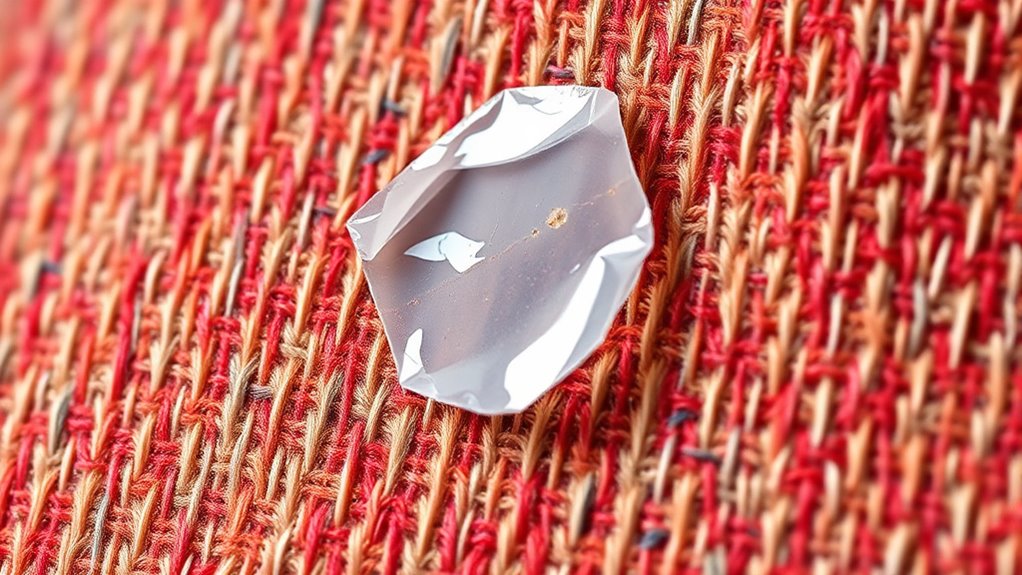
To remove glue from fabric, act quickly and gently lift excess with a dull knife or spoon. For water-based glue, rinse with cold water before applying a mild detergent. For stubborn or non-water-based adhesives like super glue, dab a small amount of rubbing alcohol or adhesive remover on a cotton swab and carefully work from outside in. Always test any solution on a hidden area first. If you want to discover more effective tips, keep exploring how to tackle different types of glue stains.

Get your wardrobe favorites delivered free with Prime
- Fast, free delivery on millions of items
- Prime Video, Amazon Music and more included
- Member-only deals all year
Key Takeaways
- Act quickly by gently lifting excess glue with a dull knife or spoon to prevent it from setting further.
- For water-based glue, rinse the stain with cold water before applying mild detergent or cleaning solutions.
- Use rubbing alcohol or adhesive remover on stubborn stains, testing on a hidden area first to avoid fabric damage.
- Gently dab with a cotton swab or soft cloth soaked in the chosen solvent, working from outside inward.
- After treatment, wash the fabric as per care instructions and check for residual stain before drying.
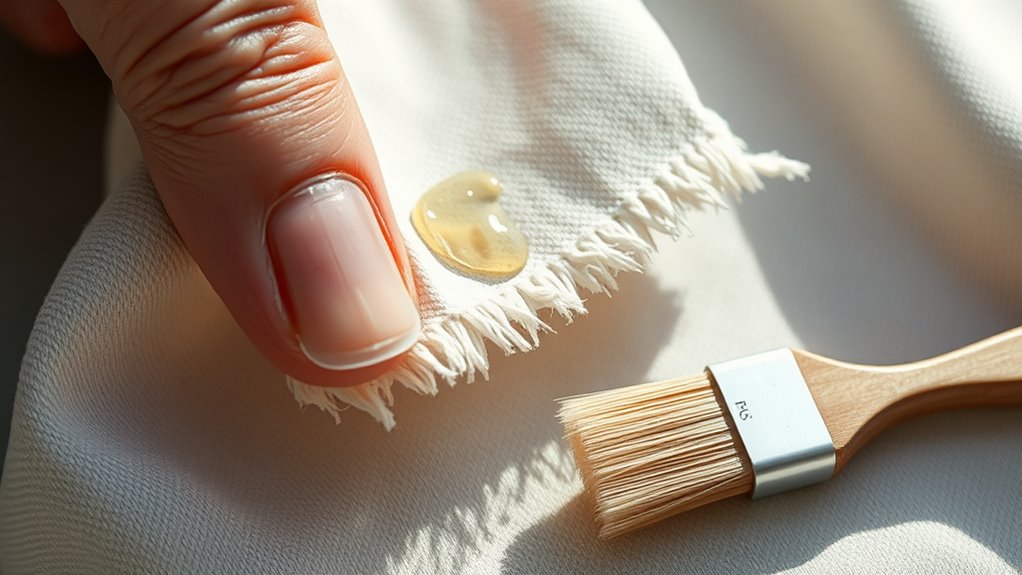
Have you ever spilled glue on your fabric and wondered how to get it out? It’s a common mishap, but the good news is that acting quickly can make a big difference. Before you start, gather the right cleaning tools—such as a dull knife or spoon, a clean cloth, cotton swabs, and some mild detergent or rubbing alcohol. Using the proper tools helps you work more effectively and reduces the risk of spreading the stain or damaging your fabric. Remember, stain prevention is always better than cure, so try to handle glue carefully and avoid overapplication to minimize messes in the first place.
Act quickly with the right tools to remove glue stains from fabric effectively.
When dealing with fresh glue, it’s best to act fast. Gently lift off any excess glue with a dull knife or spoon, being careful not to push it further into the fabric fibers. Blotting is your next step: use a clean cloth or paper towel to absorb as much of the remaining glue as possible. Avoid rubbing, as that can spread the stain or embed it deeper. If the glue is water-based, you might want to rinse the fabric under cold running water first. For other types, like super glue or craft glue, proceed with a different approach.
For stubborn glue stains, applying a small amount of rubbing alcohol or a commercial adhesive remover can help loosen the adhesive. Test it on a hidden area first to ensure it won’t discolor or damage the fabric. Using a cotton swab or a soft cloth soaked in the solution, gently dab the stain, working from the outside inward. Once the glue begins to lift, rinse the fabric with cold water to remove any residue. For water-soluble glues, a mild detergent solution can do the trick—just dab it onto the stain, let it sit for a few minutes, then rinse thoroughly. Additionally, understanding the type of adhesive you are working with can help choose the most effective removal method.
After removing the glue, wash the fabric as you normally would, following the care instructions. Check the stain before drying; if it persists, repeat the treatment rather than drying, which can set the stain permanently. To prevent future glue stains, always use the right tools and techniques when working with adhesives, and try to keep your workspace tidy. Proper stain prevention means you won’t have to deal with stubborn spots later. With patience and the right approach, you can effectively remove glue from fabric and keep your garments looking their best.
As an affiliate, we earn on qualifying purchases.
Frequently Asked Questions
Can I Remove Glue Without Damaging Delicate Fabrics?
Yes, you can remove glue from delicate fabric without damage by using gentle removal methods. Start by testing a small, hidden area with a mild solvent like rubbing alcohol or vinegar. Gently dab the adhesive, avoiding scrubbing or harsh chemicals. Use a soft cloth or cotton swab to lift the glue carefully. Patience is key to protect your delicate fabric while effectively removing the adhesive.
What Household Items Are Best for Stubborn Adhesive Removal?
Imagine you’re tackling stubborn glue on your favorite shirt. You try vinegar application by dabbing it on the adhesive, then make a baking soda paste to scrub gently. These household items work wonders on stubborn adhesive removal. Vinegar helps break down the glue, while the baking soda paste acts as a gentle abrasive. Together, they can effectively lift the adhesive without damaging delicate fabric.
How Long Should I Wait Before Attempting to Clean Dried Glue?
You should wait until the glue has fully dried, which typically takes several hours or overnight, depending on the type and amount of adhesive. Patience is required during this drying time to guarantee the glue is completely set before attempting to clean it. Rushing too soon can make removal more difficult. Once dry, use appropriate methods to carefully loosen or lift the hardened glue from the fabric.
Will Heat Help in Loosening Different Types of Adhesives?
Ever wondered if heat can help loosen different types of adhesives? Applying heat can indeed assist in adhesive loosening, making removal easier. Heat application softens the glue, especially solvent-based or rubber adhesives, allowing you to peel or scrape it away more effectively. Just be cautious with heat levels to avoid damaging your fabric. Gentle heat, like from a hairdryer, often works best and helps speed up the removal process.
Is It Safe to Use Commercial Adhesive Removers on All Fabrics?
No, you shouldn’t use commercial adhesive removers on all fabrics. Always check the chemical safety and fabric compatibility first, as some removers contain harsh chemicals that can damage delicate textiles. Test a small, hidden area before applying broadly. If you’re unsure, opt for gentler methods like soap and water or specific fabric-safe solutions to prevent discoloration or tears.
Conclusion
Now that you know how to remove glue from fabric, remember: patience is key. Just like the stubborn adhesive, some stains won’t come out instantly, and rushing can cause damage. But with gentle care and the right method, you’ll restore your fabric’s beauty. It’s a reminder that sometimes, the toughest problems require the gentlest solutions. So stay calm, take your time, and let your patience stick with you—like the glue you’re working to remove.
Columbus Day / Indigenous Peoples' Day Picks
long weekend sales
As an affiliate, we earn on qualifying purchases.