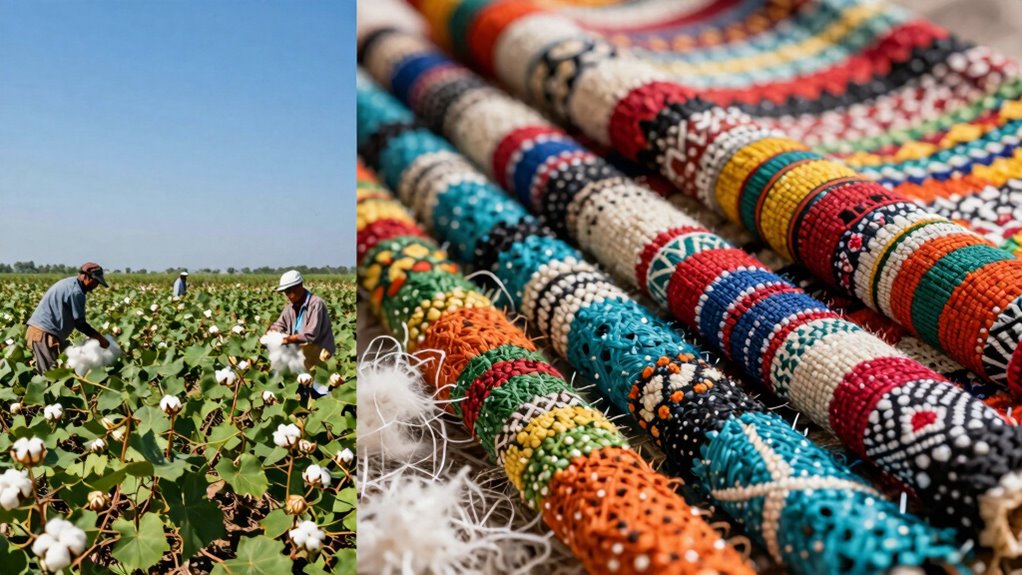

When comparing natural and recycled fibers, recycled fibers generally have a lower environmental impact. They reduce waste, conserve resources, and often use less energy in processing. In contrast, natural fibers require substantial water and land resources, which can harm ecosystems. Choosing recycled materials supports a circular economy while minimizing the demand for raw materials. If you’re curious about the nuances of each option and their sustainability, there’s much more to explore on this topic.

Get your wardrobe favorites delivered free — and shop member deals
- Fast, free delivery on millions of items
- Access to Prime Big Deal Days deals on October 6–7
- Prime Video, Amazon Music and more included
Key Takeaways
- Recycled fibers significantly reduce resource consumption by reusing materials, leading to a lower overall environmental footprint compared to natural fibers.
- Natural fibers require extensive farming, impacting biodiversity, soil health, and water resources, contributing to higher environmental harm.
- The processing of recycled fibers generally uses less energy and fewer chemicals, minimizing their ecological impact compared to natural fibers.
- Choosing recycled fibers supports a circular economy, diverting waste from landfills and reducing the demand for raw materials.
- Certifications for sustainability in both fiber types can guide consumers towards making eco-friendly choices, though recycled options often align better with lower impact goals.
As an affiliate, we earn on qualifying purchases.
How Do Natural and Recycled Fibers Compare for Sustainability?
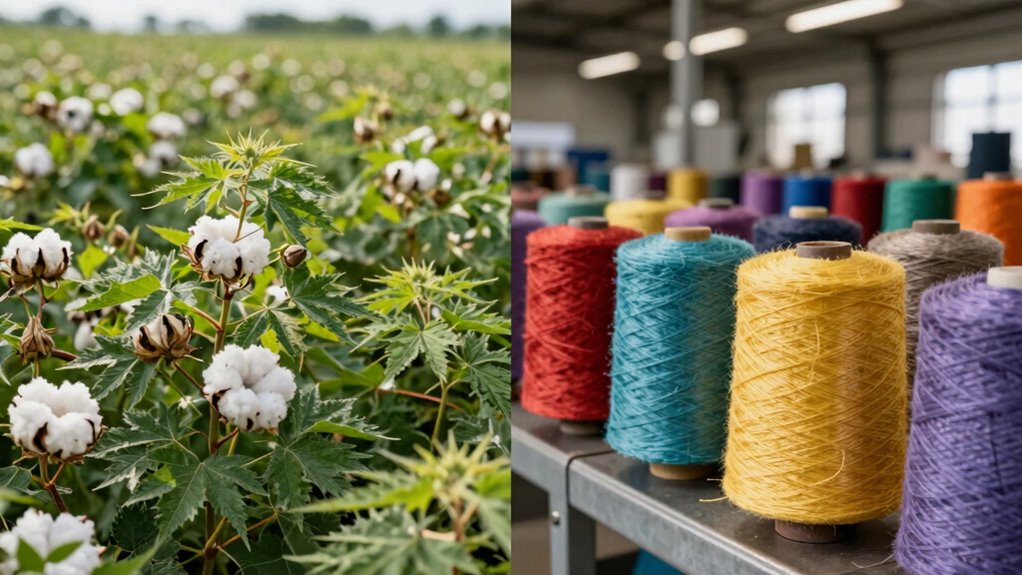
When you consider sustainability, the choice between natural and recycled fibers can be essential. Natural fibers often rely on sourcing methods that involve farming, which can lead to land use and water concerns. On the other hand, recycled fibers focus on reusing existing materials, reducing the need for new resources. This can lower the impact of material processing, as it typically requires less energy and fewer chemicals compared to producing new fibers. However, the sustainability of both options depends on factors like the specific sourcing methods and processing techniques used. By understanding these differences, you can make more informed choices that align with your sustainability goals, whether you lean towards natural or recycled fibers.
The Environmental Impact of Natural Fibers
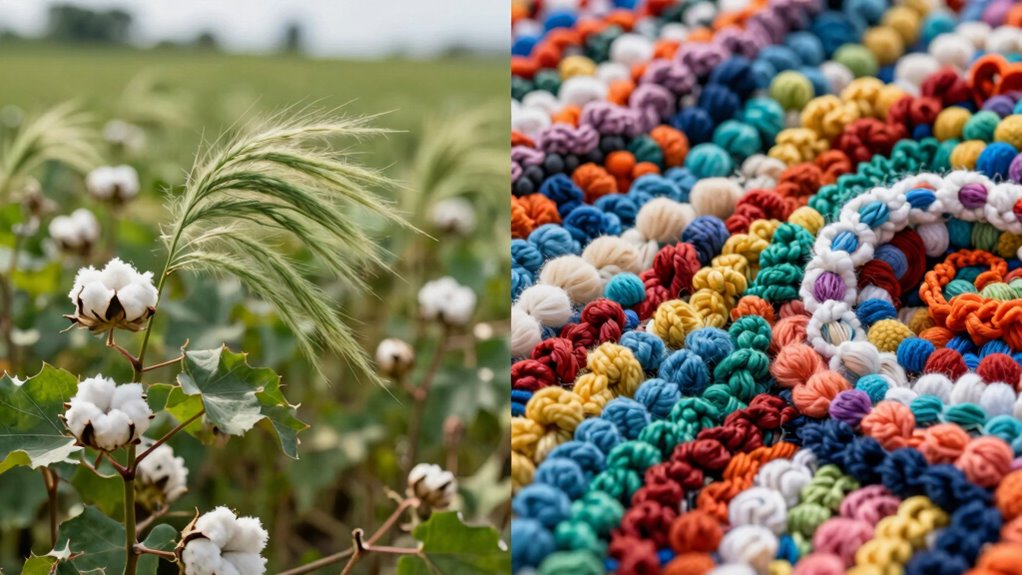
When you consider natural fibers, it’s essential to look at their environmental impact. You’ll notice they often require significant resources, which can affect biodiversity and ecosystems. Plus, analyzing their carbon footprint reveals important insights into their overall sustainability.
Resource Consumption Overview
Although natural fibers are often praised for their biodegradability and renewable nature, their resource consumption can markedly impact the environment. High water usage during cultivation strains local water supplies, while certain agricultural practices can degrade soil health over time. Energy consumption in production methods varies, but it often involves significant fossil fuel use, contributing to greenhouse gas emissions. Additionally, resource extraction for fiber production can lead to habitat destruction. Waste generation during processing further complicates the ecological footprint of these fibers. A lifecycle assessment reveals that while natural fibers may seem eco-friendly, their overall impact requires careful consideration, emphasizing the need for sustainable practices in their cultivation and production.
Biodiversity and Ecosystem Effects
Natural fibers play a significant role in ecosystems, but their cultivation can disrupt local biodiversity. Large-scale farming often leads to habitat loss and biodiversity loss. Practices like monoculture can harm soil health and water quality, making it difficult for native species to thrive. You might also see a decline in pollinator support, essential for maintaining ecosystem balance. Additionally, ergonomics in the workplace can promote well-being by encouraging practices that minimize environmental harm.
Here’s a quick look at how natural fiber farming impacts biodiversity:
| Impact | Positive Effects | Negative Effects |
|---|---|---|
| Habitat Preservation | Supports diverse habitats | Loss due to land clearing |
| Species Protection | Encourages native species | Threat from invasive species |
| Soil Health | Enriches soil nutrients | Degradation from overuse |
| Water Quality | Improves watershed health | Pollution from runoff |
| Ecosystem Balance | Promotes sustainability | Disruption from farming |
Carbon Footprint Analysis
Understanding the carbon footprint of natural fibers is essential, especially as consumers become more eco-conscious. By conducting a lifecycle assessment, you can see how carbon emissions vary from fiber processing to disposal. Sustainable sourcing practices reduce energy consumption and support environmental regulations, leading to lower overall carbon footprints. Additionally, waste management strategies can minimize pollution, enhancing the eco-friendliness of these materials. Implementing urban greening initiatives can further promote sustainable practices in the production of natural fibers. Look for eco-friendly certifications that signify a commitment to pollution reduction and carbon offsetting. When you choose natural fibers, you’re not just opting for comfort; you’re also supporting a more sustainable future. Your choices can drive demand for more responsible production methods that align with your values. Incorporating 3D printing in textiles can further innovate sustainable practices by reducing waste and energy usage in production. Moreover, considering digital gifting solutions can complement the use of natural fibers by reducing overall material consumption.
Why Recycled Fibers Are Key to Sustainable Fashion
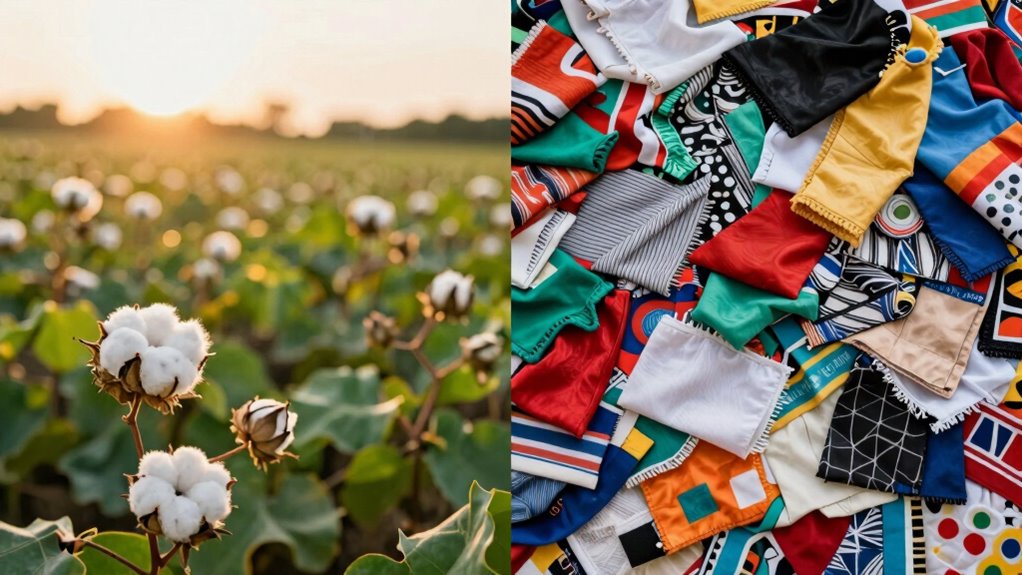
Recycled fibers play a vital role in sustainable fashion by reducing waste in landfills and cutting down resource consumption. By choosing recycled materials, you contribute to a circular economy that minimizes environmental impact. Additionally, using solar-powered solutions in the production process can further enhance the sustainability of your fashion choices. It’s a simple yet powerful way to support a more sustainable future in the fashion industry. Furthermore, incorporating smart indoor gardens into your lifestyle can promote self-sufficiency while minimizing resource use. Additionally, using recycled materials in gardening can further enhance the eco-friendly benefits of your lifestyle choices. Plants thrive better in environments enriched with organic matter, promoting health and vigor while supporting sustainable practices. Moreover, maintaining good indoor air quality is essential for a healthy living environment, especially when utilizing recycled materials.
Reducing Waste In Landfills
As the fashion industry grapples with its environmental impact, embracing recycled fibers emerges as an essential strategy to reduce landfill waste. You can play an important role in waste management by supporting recycling initiatives that divert textile waste from landfills. Did you know that a significant percentage of clothing ends up in landfills? By choosing recycled fibers, you contribute to landfill diversion and promote sustainable disposal methods. Additionally, understanding composting benefits and incorporating it into your wardrobe choices can further reduce waste. Consumer education is key—by informing yourself and others about landfill statistics, you can encourage more sustainable practices. Regularly checking and cleaning filters can also be beneficial in reducing waste in home environments, as proper maintenance routines ensure that your cleaning devices operate efficiently. Moreover, prioritizing financial considerations for elderly care can lead to more sustainable spending habits. Together, let’s make informed choices that not only benefit the planet but also pave the way for a greener fashion future. High-quality pet gear can also be made from recycled materials, further supporting sustainability in your home. By practicing virtue and intention, we can cultivate a lifestyle that aligns with our values while promoting a healthier planet.
Lowering Resource Consumption
While many people enjoy the latest fashion trends, they often overlook the notable resources consumed in producing new materials. Recycled fibers play an essential role in lowering resource consumption. By opting for recycled textiles, you can greatly reduce water usage and energy consumption compared to traditional production processes. These fibers require fewer chemical inputs, promoting better soil health and sustainable agricultural practices. Additionally, using recycled materials enhances sustainability metrics, making them a smarter choice for eco-conscious consumers. Effective waste management also comes into play, as recycling helps divert materials from landfills. By choosing recycled fibers, you’re not just following a trend; you’re actively contributing to a more sustainable fashion industry that prioritizes resource conservation. Moreover, the production of recycled fibers can also reduce energy consumption in production, further emphasizing their environmental benefits.
Promoting Circular Economy Practices
Embracing recycled fibers is essential for promoting circular economy practices in the fashion industry. By integrating recycled materials into your designs, you support sustainable design principles that prioritize eco-friendly materials. These practices help establish closed loop systems, reducing waste and minimizing the need for virgin resources. You also contribute to waste reduction, turning discarded textiles into valuable products. Ethical sourcing further enhances your commitment to sustainability, ensuring that materials come from responsible origins. Incorporating regenerative agriculture into your supply chain can amplify these benefits, enriching the environment. Additionally, research-driven insights highlight the importance of understanding the full lifecycle of materials to make informed decisions. This understanding is crucial for empowering seniors who may benefit from sustainable practices that promote their independence and dignity. Moreover, philosophical exploration into the ethical implications of material choices can guide better decision-making. The integration of emerging trends in digital publishing can also facilitate the dissemination of sustainable practices in the fashion industry. Plus, conducting lifecycle assessments helps you understand the true environmental impact of your choices. By championing recycled fibers, you play a vital role in transforming fashion into a more sustainable industry. Additionally, adopting sustainable marketing tactics can further engage consumers and enhance the visibility of eco-friendly practices.
Resource Use: Natural vs. Recycled
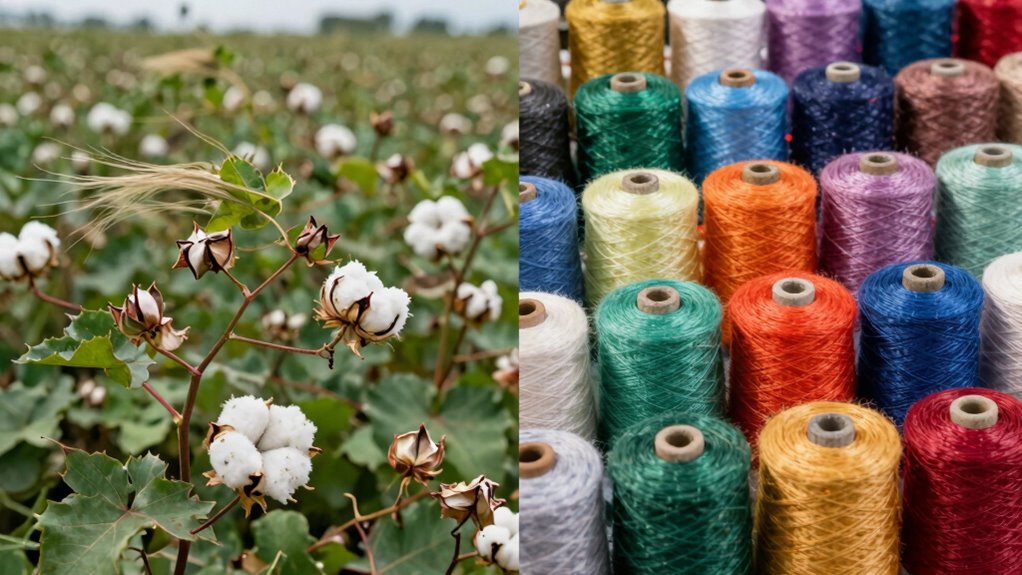
When considering resource use, it’s essential to weigh the benefits of natural fibers against those of recycled materials. Natural fibers often require significant resource extraction, including water and land, which can lead to environmental concerns. In contrast, recycled materials reduce the need for new fiber production, conserving resources and minimizing waste. By choosing recycled fibers, you help decrease the demand for raw materials and lower the overall environmental footprint associated with production. However, the effectiveness of recycling depends on the existing infrastructure and technology in place. Ultimately, understanding the resource use of each option allows you to make informed choices that align with your sustainability goals. Balancing these factors is key to reducing your impact on the planet.
Biodegradability vs. Durability: Which Is Key for Sustainability?
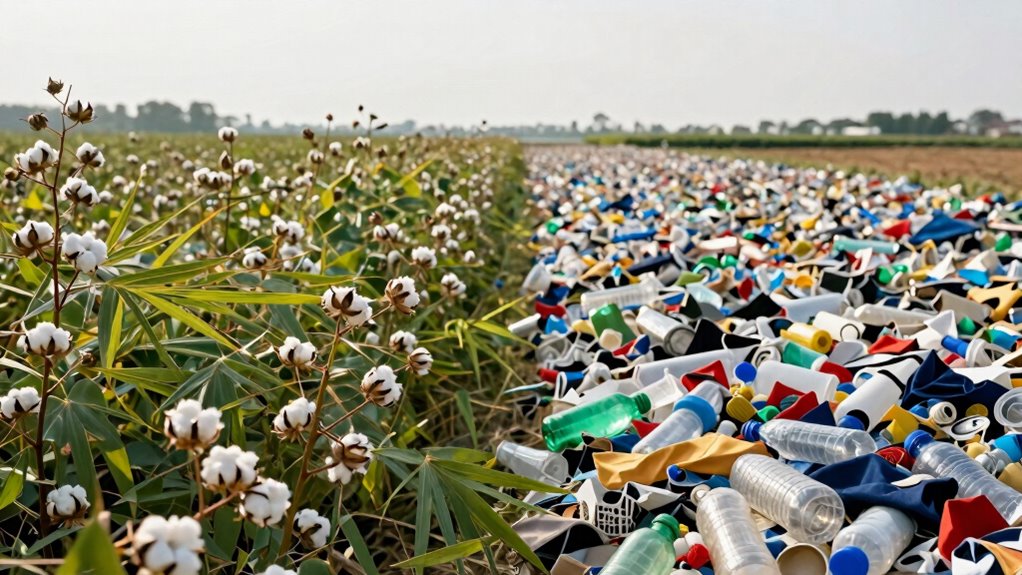
How do we balance biodegradability and durability in the quest for sustainability? You’ll find that choosing between biodegradable materials and long-lasting fibers isn’t straightforward. While eco-friendly choices often lean towards biodegradable options, durability plays a critical role in resource efficiency and waste reduction. A fiber’s lifespan impacts its overall environmental benefits. Proper water damage handling can also significantly extend the life of your textiles. Additionally, creating effective feedback loops can help guide the development of more sustainable materials. Here’s a quick durability comparison:
| Material Type | Biodegradability |
|---|---|
| Natural Fibers | High |
| Recycled Fibers | Moderate |
| Synthetic Fibers | Low |
| Blended Fibers | Variable |
| Organic Cotton | High |
Emphasizing sustainable practices means recognizing that both biodegradability and durability contribute to a more sustainable future, ultimately guiding your choices in textiles. Additionally, understanding kitchen science can help inform how you select materials that align with your sustainability goals. In small-space living, efficient use of materials can further enhance your sustainable choices.
How to Choose Sustainable Fashion Options
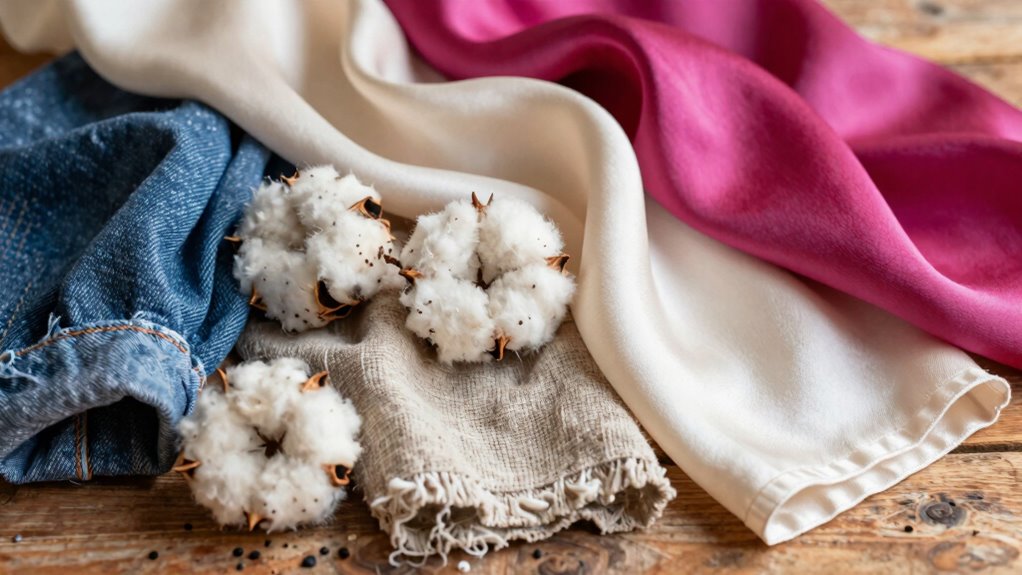
Balancing biodegradability and durability sets the stage for making informed choices in sustainable fashion. When you shop, look for brands that prioritize ethical sourcing. This means they use materials and practices that minimize environmental harm and respect workers’ rights. Check labels for certifications that indicate sustainability, such as organic or recycled materials.
Boost your consumer awareness by researching brands’ practices and their supply chains. Ask questions about how garments are made, and consider the lifespan of the clothing. Investing in high-quality, durable pieces reduces waste over time. Remember, sustainable fashion isn’t just about the materials; it’s also about how you wear and care for your clothes. Choose wisely, and you’ll contribute to a more sustainable future.
Frequently Asked Questions
What Are the Health Implications of Natural vs. Recycled Fibers?
When choosing between natural and recycled fibers, consider the health implications. Natural fibers often provide health benefits, like breathability and hypoallergenic properties, reducing your exposure to environmental toxins. On the other hand, recycled fibers might contain harmful chemicals from previous manufacturing processes, posing potential risks. By opting for certified natural fibers or high-quality recycled options, you can guarantee a healthier choice for both you and the planet, minimizing harmful exposure while enjoying comfort.
How Do Natural and Recycled Fibers Affect Animal Welfare?
Natural fibers often raise concerns about animal welfare, particularly in farming practices that may harm habitats or involve unethical sourcing. When you choose recycled fibers, you typically support processes that minimize harm to animals and their environments. Ethical sourcing in recycled materials promotes habitat conservation, as it reduces the need for new resources. By opting for recycled options, you contribute to better animal welfare while still enjoying quality textiles.
Are There Certifications for Sustainable Fiber Production?
Yes, there are certifications for sustainable fiber production. Imagine picking apples from an orchard with a “Certified Organic” sign; it gives you peace of mind about your choice. Similarly, labels like GOTS or OEKO-TEX guarantee sustainable sourcing and lower environmental impact. When you choose products with these certifications, you support practices that prioritize both ecological balance and ethical standards, making your shopping decisions feel more rewarding and responsible.
What Is the Cost Difference Between Natural and Recycled Fibers?
When you delve into a cost analysis of natural versus recycled fibers, you’ll find that natural fibers often come with a higher price tag due to production and farming costs. However, recycled fibers are gaining traction in the market, often being more affordable as technology improves. Keeping an eye on market trends can help you spot the best deals, but remember, quality and sustainability also play significant roles in your overall choice.
How Do Consumer Preferences Influence Fiber Sustainability?
Your choices shape the future of fiber sustainability. When you prioritize ethical sourcing, you push brands to adopt responsible practices. Consumer education plays an essential role, too; the more you learn about the environmental impact of your purchases, the more you demand better options. Like a ripple in a pond, your preferences influence industry trends, leading to a shift towards sustainable materials that protect our planet for future generations.
Conclusion
In the tug-of-war between natural and recycled fibers, both have their strengths and weaknesses. While natural fibers boast biodegradability, recycled fibers shine in reducing resource use and waste. Think of it this way: choosing sustainable fashion is like planting a tree—you nurture the earth with every decision. So, whether you lean towards the softness of cotton or the innovation of recycled polyester, remember that every choice counts in creating a greener future.
Fall Picks
fall essentials
As an affiliate, we earn on qualifying purchases.