Museums preserve historic fabrics by carefully evaluating their condition and identifying areas of deterioration. They gently clean the textiles using soft brushes, vacuuming, or mild solvents to remove dirt without damage. Conservation efforts include stabilizing fragile areas and repairing with reversible, compatible materials. They also control environmental factors like humidity, temperature, and light to prevent further harm. To learn more about these meticulous techniques, continue exploring how experts guarantee these fabrics endure for future generations.
Key Takeaways
- Museums perform detailed condition assessments to identify deterioration and plan appropriate conservation treatments.
- Surface cleaning and stabilization techniques remove dirt and reinforce fragile textiles, preventing further damage.
- Advanced methods like fiber consolidation and custom supports strengthen fabrics while maintaining their historical integrity.
- Conservation principles emphasize reversibility and use of compatible, non-invasive materials to preserve original textiles.
- Environmental controls such as regulated humidity, temperature, and light levels help prevent ongoing deterioration of historic fabrics.

Textile conservation is a vital field dedicated to preserving historical fabrics and garments for future generations. When you work with ancient textiles, you face the challenge of fabric deterioration, which occurs over time due to environmental factors, handling, and inherent material weaknesses. Without proper care, these delicate fabrics can become brittle, discolored, or even disintegrate. That’s why understanding and applying effective conservation techniques is essential to extend their lifespan and maintain their historical significance.
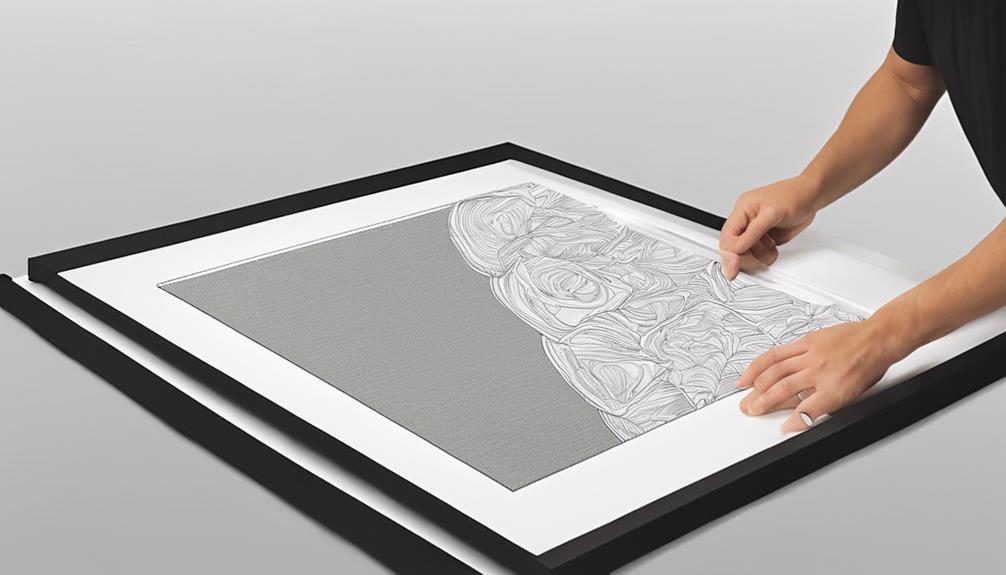
One of the first steps in preserving historic fabrics is evaluating their condition. You need to identify areas of weakness, signs of deterioration, or previous damage. This careful evaluation helps you develop a tailored conservation plan that addresses specific needs. Techniques such as surface cleaning are often necessary to remove dust, dirt, and pollutants that can accelerate fabric deterioration. You typically use soft brushes, low-suction vacuuming, or gentle solvents, all chosen carefully to avoid harming the textile.
Evaluating textile condition guides tailored cleaning and stabilization strategies for preservation.
Once cleaned, stabilization becomes a priority. You might reinforce fragile areas with fine nets or sewing techniques that provide support without altering the fabric’s appearance. When fabrics are fragile or torn, conservation techniques like mending with compatible, reversible materials ensure repairs can be undone if needed in the future. Preservation isn’t just about fixing what’s broken; it’s about creating an environment that minimizes further damage. This involves controlling humidity, temperature, and light exposure—factors known to accelerate fabric deterioration. Maintaining stable conditions in display cases or storage areas is vital for longevity.
In some cases, you might employ advanced conservation techniques, such as consolidating fibers with specialized adhesives or treatments that strengthen the fabric structure. These methods require precise application to avoid altering the textile’s original look and feel. You also consider whether the textile needs to be supported during display or storage, often using custom mounts or supports that distribute weight evenly and prevent stress on weakened areas.
Throughout the conservation process, reversibility remains a core principle. You use materials and methods that can be undone without damaging the textile, ensuring future conservators can adapt or improve treatments. Your goal is to preserve the textile’s integrity while respecting its historical and cultural value. By combining careful assessment, targeted cleaning, stabilization, and environmental controls, you help guarantee that these precious fabrics can be appreciated by future generations, standing as tangible links to our past. Additionally, understanding the fabric composition and inherent vulnerabilities of textiles allows conservators to select the most appropriate treatment methods.
Top picks for "textile conservation museum"
Open Amazon search results for this keyword.
As an affiliate, we earn on qualifying purchases.
Frequently Asked Questions
How Do Museums Decide Which Textiles to Conserve?
You can see that museums decide which textiles to conserve based on fabric selection and conservation priorities. They evaluate the historical significance, rarity, and condition of each piece, focusing on items that tell important stories or are at risk of deterioration. This strategic approach helps preserve culturally valuable textiles for future generations, ensuring that resources are allocated wisely to protect the most meaningful and fragile fabrics.
What Are the Latest Technologies Used in Textile Preservation?
Think of textile preservation as upgrading your smartphone; today, museums use digital imaging to create detailed 3D models, allowing virtual access and analysis. Nanotechnology also plays a role, strengthening fibers and repairing damage at a microscopic level. These cutting-edge tools help conserve textiles more effectively, ensuring they endure for future generations. By combining digital innovation with nanotech, you get an exhaustive approach that preserves historic fabrics with precision and care.
How Is Microbial Growth Prevented on Historic Fabrics?
You prevent microbial growth on historic fabrics through effective microbial prevention techniques and textile sterilization. You control humidity and temperature to create an environment that discourages mold and bacteria. You may also use specialized sterilization methods, such as low-temperature gas or vapor treatments, to eliminate microbes without damaging the fabric. Regular monitoring and careful handling guarantee the fabrics stay preserved and free from microbial contamination over time.
What Challenges Are Faced When Restoring Damaged Textiles?
When restoring damaged textiles, you face challenges like maintaining ideal environmental controls to prevent further deterioration. You must carefully assess the fabric’s condition, often balancing ethical considerations, such as using non-invasive methods that preserve authenticity. Restorers also struggle with delicate materials, ensuring treatments don’t cause additional harm. Additionally, sourcing appropriate materials and techniques requires meticulous planning, all while respecting the textile’s historical significance and integrity.
How Do Conservators Handle Textiles With Complex Dye Compositions?
You handle textiles with complex dye compositions by first conducting chemical analysis to identify the dyes used. This helps you assess dye stability and determine appropriate conservation methods. You then choose gentle cleaning techniques and controlled environments to prevent further degradation. By understanding dye chemistry, you guarantee the preservation of vibrant colors while minimizing damage, allowing the textile’s historical integrity to remain intact for future study and display.
Conclusion
Think of textile conservation as tending a delicate garden, where each fiber is a fragile bloom. With patience and skill, you nurture these historic fabrics, preventing decay like a gardener shields rare blossoms from harsh weather. Every careful intervention preserves their story, allowing future generations to walk through the lush landscape of history. Your work keeps these textiles alive, a timeless forest rooted in the past, thriving for those who come after.